Table of Contents (click to expand)
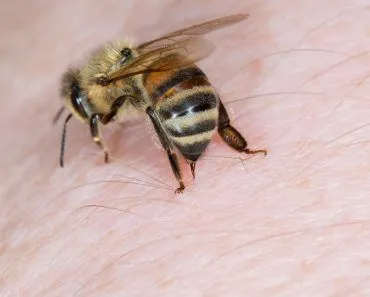
The difference between venom and poison comes down to delivery. Venom is injected into a victim through a wound (a bite, sting or spine), so an animal is venomous if it bites or stings you. Poison is harmful when it is swallowed, inhaled or absorbed through the skin, so a poisonous animal makes you sick when you touch or eat it. A few animals, such as the tiger keelback snake, are both.
While venom must be injected into the body of a victim, usually through a bite or sting, to do its damage, poison is harmful when it’s swallowed, inhaled or absorbed through the skin. That’s the basic and most important difference between venom and poison.
In the wild, every animal is either a predator waiting to kill another animal, or prey, doing its best not to become another beast’s dinner. There’s nothing personal about this; it’s just the good old food chain doing its thing.
But even among the hordes of wild animals living in the wilderness, some do stand out. For instance, consider a venomous snake. A predator of that snake doesn’t need to just hunt it down, but must also be cautious while eating it, as a snake is filled with venom.
Poison vs Venom
People often use the term ‘poison’ and ‘venom’ interchangeably, which is not actually accurate.
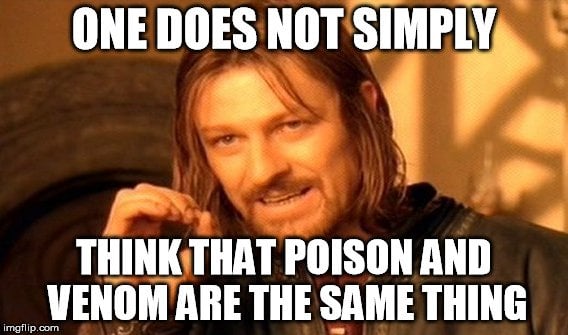
While venom must be injected into the body of a victim, usually through a bite or sting, to do its damage, poison is harmful when it’s swallowed, inhaled or absorbed through the skin. That’s the basic and most important difference between venom and poison.
A poisonous animal (e.g., a dart frog) can be deadly when its poison is ingested in some way. Thus, if you swallow, inhale or touch something and subsequently become sick, it can be said that you have been poisoned. On the other hand, venomous animals (e.g., snake, scorpion etc.) can only hurt their victims with their venom if they sting or bite them, thereby actively injecting their venom under the skin of their victim. From there, the venom finds its way into the bloodstream and can become lethal, or even fatal.
This meme will help you remember how to differentiate between poisonous and venomous creatures.

So where does the word ‘toxin’ fit into all this? A toxin is simply a poisonous substance made by a living thing, whether that’s an animal, a plant, a fungus or a microbe. Both venoms and poisons are made up of toxins; the difference is purely in how they reach you. If a toxin is jabbed into you through a wound, we call it venom. If you have to eat, inhale or touch the toxin for it to harm you, we call it poison. That’s why ‘toxic’ can describe either one.
A handful of animals refuse to pick a side and are both venomous and poisonous. The tiger keelback (Rhabdophis tigrinus), an Asian snake, injects venom when it bites, but it also stores toxins stolen from the poisonous toads it eats in glands along its neck, so a predator that bites it gets poisoned. Tetrodotoxin tells the same story from the molecule’s point of view: the pufferfish stockpiles it in its organs and poisons anyone who eats it, while the blue-ringed octopus loads the very same compound into its saliva and injects it as venom through a bite. Same toxin, two completely different jobs.
Now that we have a basic understanding of venoms and poisons, let’s move on to the next question, i.e., how do predators survive eating venomous animals, like snakes?
Predators are clever
All predators show a certain level of discreteness when it comes to feeding on their prey. Firstly, predators generally understand their prey’s body well enough to know what parts to eat and what parts to avoid. For instance, meerkats nip the stingers off of scorpions and get rid of them, then proceed to eat their edible parts.
Mouth – The first line of defense
The first line of defense for a predator is its mouth. After killing its prey, a predator begins feeding on it; if its lips burn, then it won’t swallow the food, thereby preventing the risk of ingesting something potentially dangerous. There are also taste buds, which let the predator know whether it would be safe to swallow something.

Foxes eat snakes, and don’t usually die afterwards due to the latter’s venom.(Photo Credit : arudhio / Flickr)
In addition to that, the saliva of these predators does a great job at breaking down food into smaller pieces, while the enzymes and white blood cells present in the saliva somewhat ‘clean’ the food of its harmful constituents.
Stomach Acid
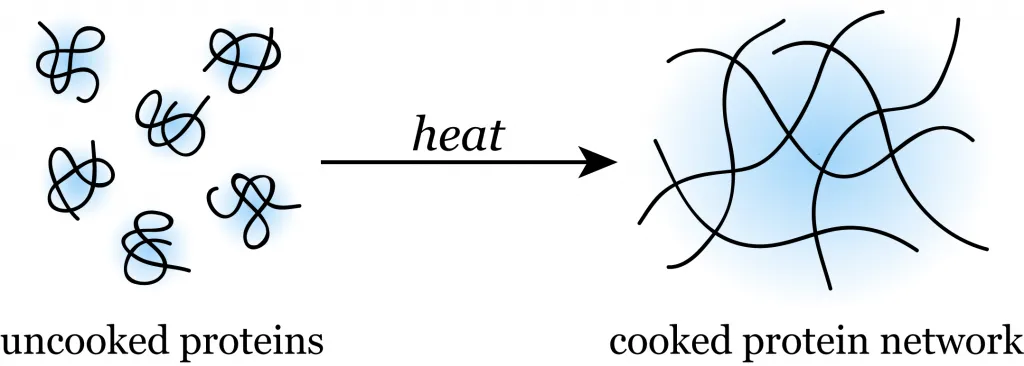
Once the ingested food item reaches the stomach, the stomach acid (or gastric acid) does its work. The stomach is home to strong acids, enzymes and a considerable amount of heat, all of which do a fantastic job at ‘denaturing’ venomous proteins. Snake venom, for instance, is primarily composed of proteins, the vast majority of which are broken down in the stomach, just like the proteins found in meat and beans.
When I say that the venom proteins are ‘denatured’ in the stomach, it simply means that the shape of those proteins has changed; therefore, they don’t react with stuff the same way that they’re supposed to.
Thus, a snake predator, say, a hawk, doesn’t really have to worry too much about the ingested head of the snake killing it, because the venom of the snake was ingested by the hawk. If, however, the snake bites the hawk (thereby injecting its venom into the hawk’s bloodstream), then the latter would face some serious survival issues.
Think of the whole thing this way: venom is a square box, the bloodstream (of the victim) is a square hole, and the stomach is a circular hole. While the square box (venom) can certainly enter the square hole (bloodstream), it cannot pass through a circular hole (stomach) because it’s not designed to do so.
References (click to expand)
- Venomous Snake FAQs - UF Wildlife Home. University of Florida
- Poisonous and Venomous Snakes. Loyola University New Orleans
- Rattlesnakes - Arizona Poison and Drug Information Center. azpoison.com
- Nelsen, D. R., Nisani, Z., Cooper, A. M., Fox, G. A., Gren, E. C. K., Corbit, A. G., & Hayes, W. K. (2013, September 17). Poisons, toxungens, and venoms: redefining and classifying toxic biological secretions and the organisms that employ them. Biological Reviews. Wiley.
- What’s the Difference Between Venomous and Poisonous? Encyclopaedia Britannica
- Tetrodotoxin Toxicity. StatPearls. NCBI Bookshelf