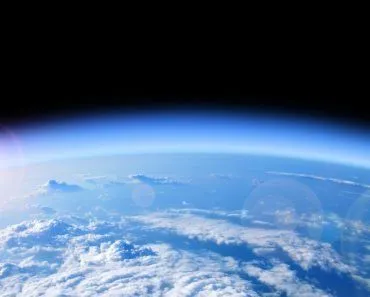
Planting trees does help fight climate change, but it can’t reduce its effects on its own. Forests take decades to grow, while humans release roughly 37 billion tonnes of fossil CO2 every year (2024). Trees also can’t lock that carbon away permanently, as wildfires can release it again. Cutting emissions is the bigger fix.
Plant a tree, save the planet. It’s a feel-good idea, and you’ve probably seen the pledges: a company promising to plant a million trees, or an app that plants one every time you search the web. Trees really do pull carbon dioxide out of the air, so it sounds like a tidy fix for a warming world.
Climate change is a pressing global concern, and while planting trees is often advocated as a feel-good solution, it’s vital to comprehend the limitations of that strategy. In this article, we will discuss why relying solely on tree planting won’t be able to resolve the climate change challenge and why we require a much more comprehensive approach.
Vast Greenhouse Gas Emissions
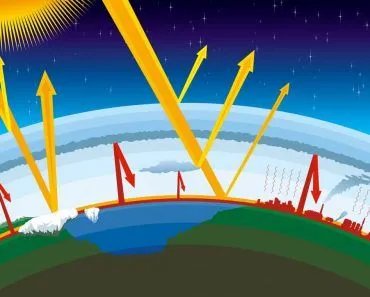
To fully understand the problem of climate change, we need to start with the fact that many greenhouse gases like carbon dioxide (CO2), methane, and nitrous oxide are being released into the air. These gases come from things people do, like driving cars, running factories, and farming, as well as natural events like volcanoes and wildfires. However, it should be noted that natural disasters contribute significantly less to these emission totals than human activities.
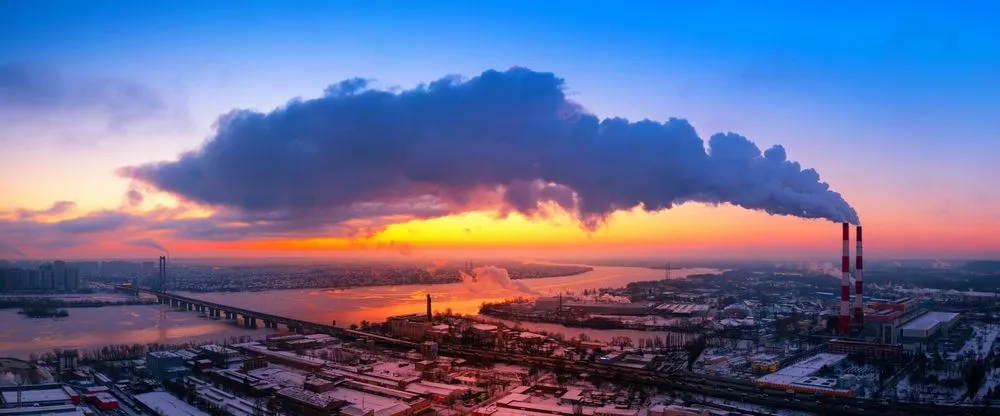
The scale is the real problem. In 2024, burning fossil fuels released about 37 billion tonnes of CO2, and roughly another 4 billion tonnes came from deforestation and other land-use changes, for a total near 41.6 billion tonnes. That is far more than forests, oceans, and soils can soak up, so the surplus builds in the atmosphere, traps heat, and pushes Earth’s temperature higher.
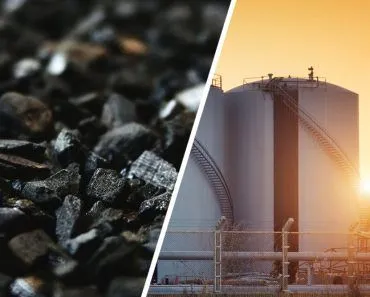
Aside from greenhouse gas emissions, climate change is also being caused by cutting down forests, using fossil fuels like coal, oil, and gas, and changing the way we use land. These behaviors release even more harmful gases into the air and affect how our planetary systems work. The mix of emissions from what people do and natural events is a big reason why our climate is changing, and we need to address all of these factors if we want to make a difference for future generations.
Slow Tree Growth
Trees are good at taking in CO2 through a process called photosynthesis, but they grow slowly. It can be many years, sometimes even decades, before a tree becomes big enough to soak up lots of carbon. The problem is, while trees are growing, the gases that cause climate change keep increasing.
The math is sobering. Even the most optimistic global study suggested that restoring forests across an area roughly the size of the United States could eventually store on the order of 200 billion tonnes of carbon. Later analyses argued that figure was far too high, perhaps three to five times so. Either way, that storage would take many decades to build up, while we add tens of billions of tonnes of CO2 to the air every single year.
To make a real difference, we need to do more than just plant trees. We must also focus on reducing the gases we put out into the air, such as carbon dioxide from burning fossil fuels. By reducing these emissions, we can slow the progress of climate change and give our trees the time they need to catch up.
Global Implementation Challenges
Planting trees is a good thing to do and it helps the environment in many ways, but to really tackle climate change, we need to do far more than that. We must take a more complete approach that focuses on reducing the gases we release into the air and protecting the forests we already have.
This means working hard to stop wildfires from destroying our forests and fighting against invasive species that harm our trees. We also need to practice forestry in a way that’s good for the environment and keeps our forests healthy. This combination of actions is crucial in our long-term fight against climate change.
Trees And Wildfires
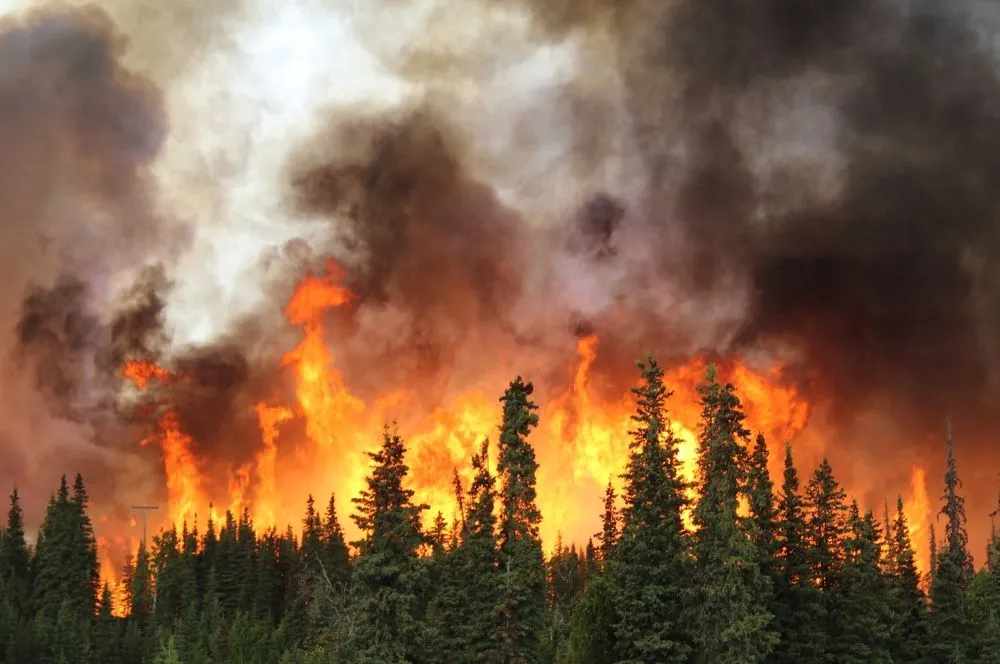
Wildfires are a big problem when it comes to planting trees. These fires can destroy our forests, releasing the carbon they store into the air and making the climate change situation even worse. This is the catch with using trees as a carbon store: it isn’t permanent. Canada’s record wildfire season in 2023 alone released about 2.4 billion tonnes of CO2, comparable to the yearly fossil fuel emissions of a large country. The number of wildfires and how intense they are has been increasing, and much of that is linked to climate change.
Wildfires not only burn trees, but also damage them with heat. The smoke from wildfires can hurt unburnt trees by blocking sunlight and making it hard for them to complete the essential process of photosynthesis.
Clearly, tackling wildfires is a crucial part of making tree-planting efforts more effective in our fight against climate change.
Ecosystem Preservation
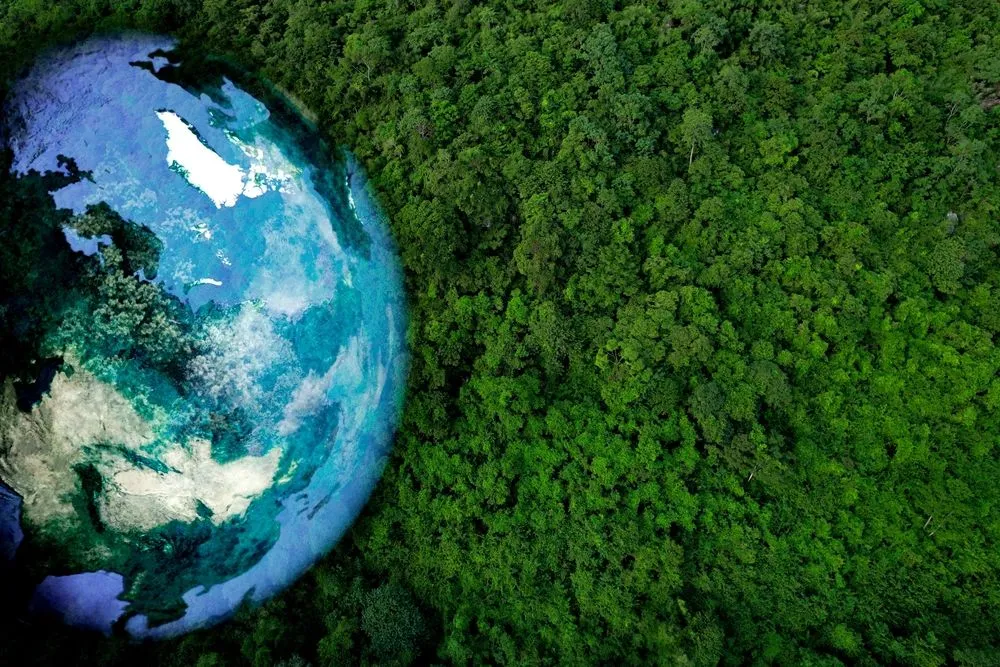
Climate change not only messes up the atmospheric balance, but it also alters our ecosystems. Trees are a part of these complex systems that allow many different kinds of life to thrive. Simply planting more trees might not completely fix these intricate systems. Forests and ecosystems take years and even decades to grow, and we certainly don’t have that much time to wait.
Where we plant matters, too. In the far north, planting trees can actually backfire. Dark forest canopies absorb more sunlight than the bright, snow-covered ground they replace, an effect tied to what scientists call albedo. Research published in Nature Geoscience found that at high latitudes this added warming can outweigh the cooling benefit of the carbon the trees store. Trees also need the right soil, water, and native species to survive, so planting the wrong tree in the wrong place can do more harm than good.
To really take on this issue, we need to deal with the main problem: the gases we put into the air. This means we should use fewer fossil fuels like coal, oil, and gas and start using cleaner energy sources. We also need to farm in ways that don’t harm the environment. By doing these things, we can make a real impact on the fight against climate change and keep our planet healthy.
Carbon Capture Technologies And Sustainability
Investing in technologies that directly capture carbon from the air, known as direct air capture, can help too. But these are still tiny compared to the problem. The world’s largest such plant, Climeworks’ Mammoth facility in Iceland, is designed to pull about 36,000 tonnes of CO2 from the air each year. That sounds like a lot until you remember we emit around 37 billion tonnes annually, so today’s direct air capture removes well under a thousandth of a percent of what we release. The technology matters for the long run, but it is nowhere near a substitute for cutting emissions now.
Promoting sustainable land use, beyond tree planting, is also essential. Protecting and restoring existing forests, safeguarding biodiversity, and adopting environmentally friendly practices are key components of a climate change control strategy.
Conclusion
So, do trees help with climate change? Yes, and we should keep planting and protecting them. But tree planting cannot single-handedly address this problem. The scale of greenhouse gas emissions is too massive, trees grow too slowly, the carbon they store can go up in smoke, and planting in the wrong place can even backfire. To make a measurable impact at a faster rate, we have to cut emissions at the source, protect the forests we already have, invest in carbon capture, and embrace sustainable practices. By taking that comprehensive approach, we can effectively combat climate change and protect our planet’s future.
References (click to expand)
- Trees Help Fight Climate Change.
- Examining the Viability of Planting Trees to Help Mitigate ....
- Forests and Climate Change.
- Fossil Fuel CO2 Emissions Increase Again In 2024 - Global Carbon Budget.
- Carbon Emissions From The 2023 Canadian Wildfires - Nature.
- Tree Planting Is No Climate Solution At Northern High Latitudes - Nature Geoscience.
- Direct Air Capture - International Energy Agency.