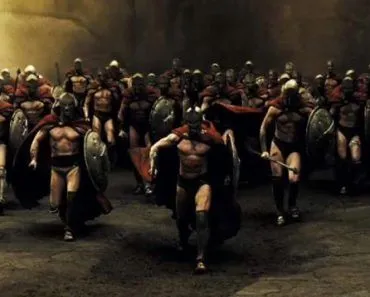
Romans enjoyed violent sports for many of the same reasons that we tolerate and/or enjoy them today. Roman gladiatorial games featured death due to the rules of the game, as well as the culture and values that the Romans held at the time.
The paradox of violence and pleasure dates back as long as human society and recorded history. From the prehistoric period and Roman gladiatorial games to the video games and wrestling sports of today, the undercurrent of violence remains constant. It is no wonder that Squid Game became the most watched show of 2021 on Netflix. Just like the Roman blood sport, Squid Game was also devised on morbid fascination, which shows death as a punishment upon losing a game.
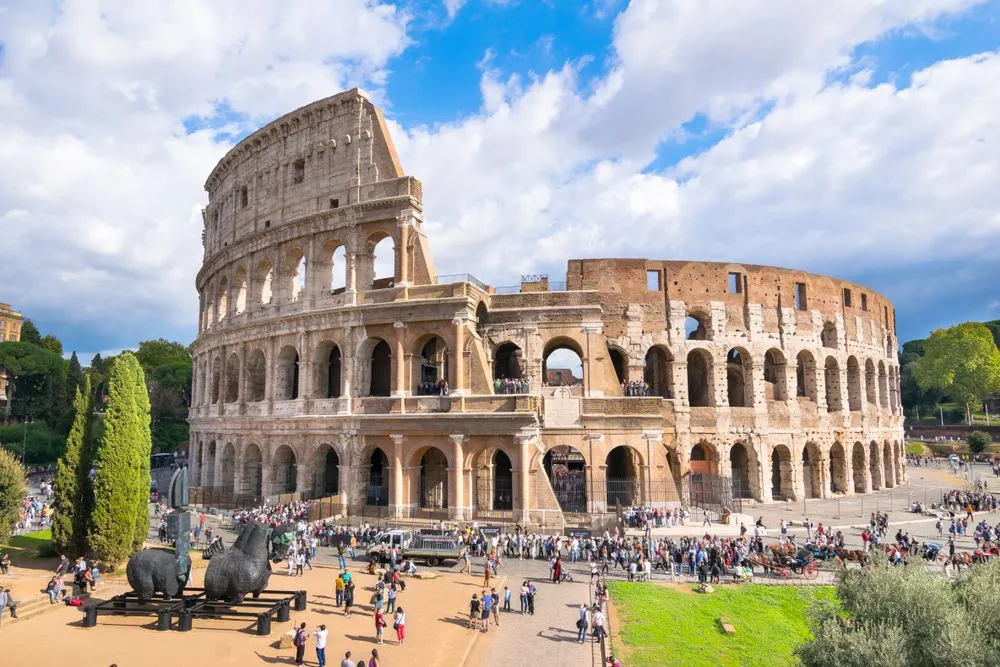
What is truly fascinating about the ancient gladiatorial games is the opulence and scale of the events. The Romans built the Colosseum, a marvelous amphitheater, and used it to stage this infamous blood sport. The Roman way of alleviating boredom was to visit the Colosseum, where up to 50,000 spectators would watch a human kill or be killed.
But why did the Romans enjoy death as a sport?
What Were The Gladiatorial Games?
The gladiatorial games were a Roman blood sport held in an arena and offered as a public spectacle. Gladiators who were trained professionals would fight one another in the arena… to the death!
The games began as a funeral ritual to send departing souls off with armed combatants. This explains the game ending with death, as the blood offering was believed to please the spirits of the dead. Over the years, however, it took on a political angle and soon became a way to honor the living, rather than the dead.
Julius Caesar commemorated his father’s death by hosting the Gladiatorial Games, where 320 pairs of Gladiators participated. He displayed his power again by hosting more games when his daughter, Julia, died in childbirth, even having his own soldiers slain in the arena.
Fun fact: the Romans witnessed a giraffe for the first time in the arena!
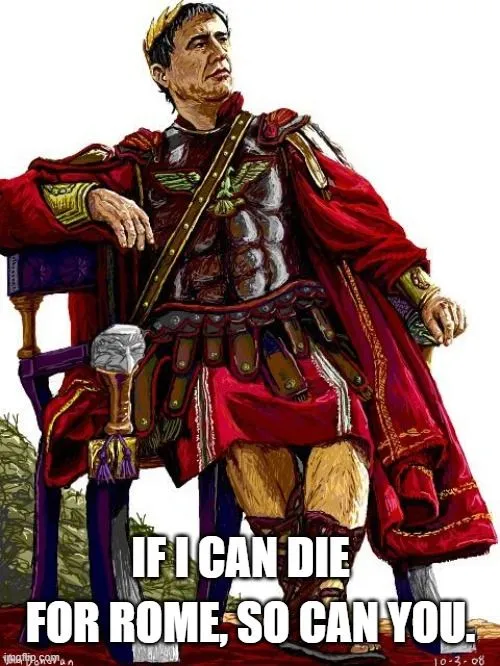
The Games soon morphed into a demonstration of power for Roman emperors. Emperor Claudius ordered for the throats of fallen gladiators to be slit. He wanted to look at their facial expressions as they died.
Winning in the arena was a matter of great prestige for a gladiator, as well as being financially lucrative.
Who Were The Gladiators?
Gladiators were professional combatants in Ancient Rome who would fight one another and even exotic animals to death in the arena. Some fighters gave tributes to the gods for their departed. Later, prisoners of war, slaves and criminals were made to participate in the blood sport as a form of public execution: win and you get to live.
Even free men, such as discharged soldiers, social outcasts and even women became gladiators. Rome also witnessed royalty fighting in the arena.
Humans weren’t the only gladiators. Exotic animals in the arena were often more popular than ordinary men.
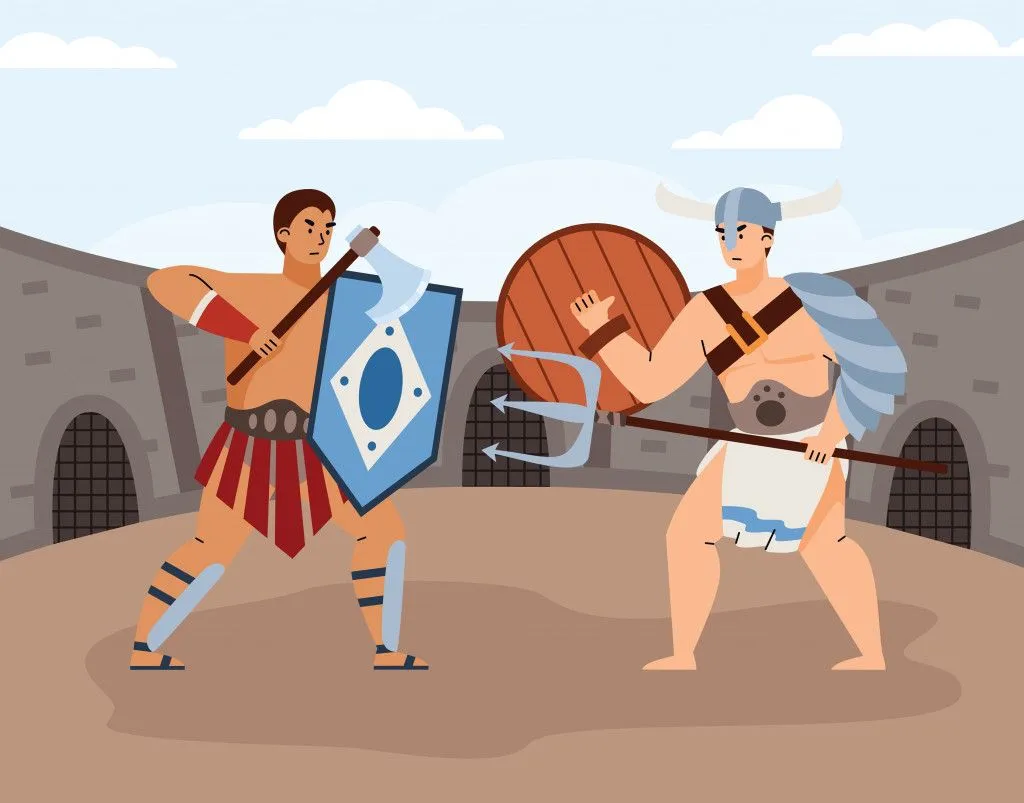
Some fighters were enticed by popularity and patronage by the wealthy. Three meals and medical care would serve as a worthwhile perk.
But why would a professional gladiator choose to die this way? Romans were hyper-aware of mortality. They were taught not to fear death, and put a premium on choosing their manner of death. The mortality rate was high in ancient Rome, so instead of dying of hunger or disease, dying as a gladiator was much more appealing. Winning in combat was a matter of great social prestige for both the upper and lower classes, so either way, it was considered a win-win situation.
Did Gladiators Always Fight To The Death?
Hollywood would have you believe that every gladiator who lost a bout was promptly slaughtered while the emperor jabbed his thumb downward. The reality was more complicated, and a good deal less lethal. Gladiators did not always fight to the death. A defeated fighter could appeal for mercy by dropping his shield and raising a finger, a plea known as missio. The decision then rested with the editor (the sponsor footing the bill) or the emperor, who usually read the mood of the crowd before signaling life or death.

There was even a referee, the summa rudis, who carried a wooden staff and could pause or stop a match before a fighter was killed. That safety net existed for a blunt economic reason: trained gladiators were expensive to feed, house and school, so a sponsor who let his best fighters die every week would quickly go broke.
How often did a bout actually end in death? According to the University of Chicago’s Encyclopaedia Romana, the odds of a professional gladiator being killed in any single first-century AD fight were perhaps one in ten. The French historian Georges Ville, studying inscriptions on gladiator tombstones, reached a similar figure: roughly 19 of 100 recorded fights were fatal, which works out to about a one-in-ten chance per fighter, with an average age at death of around 27. The death rate was higher in the early Republican games and dropped once the spectacles were formalized.
The grisly exceptions were real, though. Bouts staged sine missione (“without reprieve”) offered no way out, and the damnati ad mortem, criminals condemned to die in the arena, had no hope of survival at all. So the honest answer is somewhere between the myth and the marketing: most matched professionals lived to fight again, but death was always one bad afternoon away.
How Was Death Entertaining To The Audience?
Watching gladiators lay down their lives in the goriest way possible was entertaining for the cultural elite and the common masses. Why? The lives of strangers did not matter to Romans. As most of the warriors were either prisoners or criminals, they were barely considered human.
Historians believe that Roman blood sports helped encourage camaraderie among the people. At the same time, the brutal killings would help instill fear among the people, a warning to never cross the Emperor. It also gave some level of power to the spectators, who would signal through their thumb gestures whether the losing gladiator’s life should be spared or not.
Bringing exotic animals from different parts of the world also entertained the masses.
According to research, viewing sports can be cathartic. It not only involves an adrenaline rush for the sportsmen, but for the spectators as well. Spectators often individually identify with an athlete or team. Being part of a larger excited group pushes the emotion even higher. The winning or losing of athletes in the arena is linked to the emotional arousal of the spectators, a phenomenon we’re familiar with to this day.
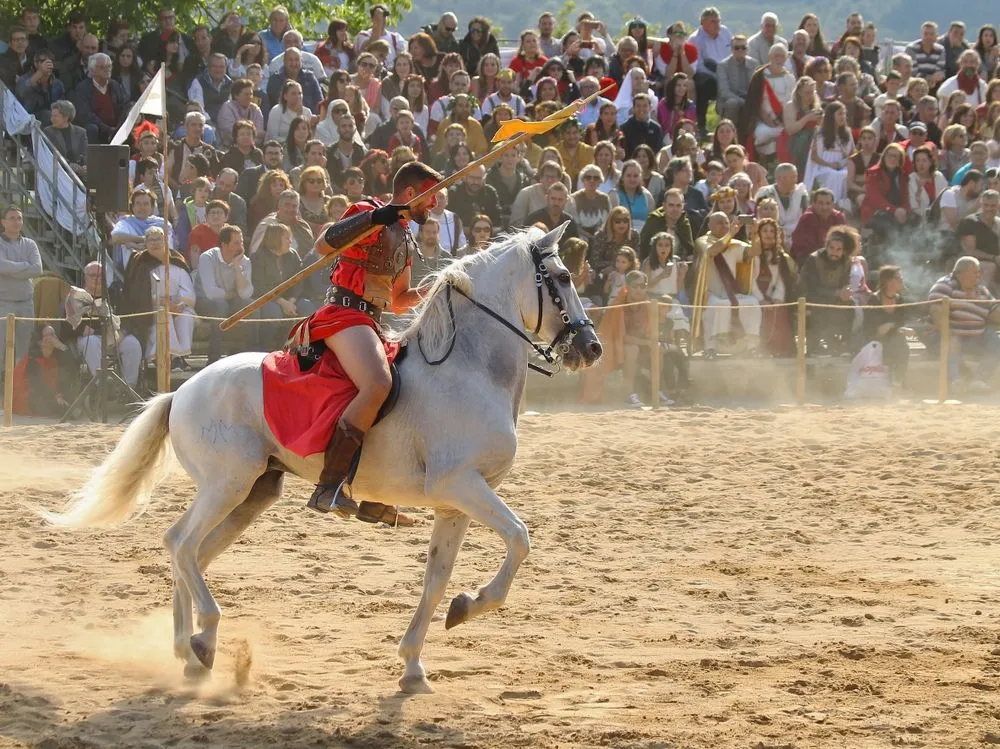
Roman blood sport was of interest to both the higher and lower classes. For the higher classes, it was a way of invoking fear and concentrating control. For the lower classes, it was a feeling that, despite being at the bottom of the social ladder, they were at least better than the criminals getting killed for sport. Roman gladiatorial games served as a bizarre event that brought together all social classes, fostering a strange spirit of unity in the country.
Why Did Romans Enjoy Such Violent Games?
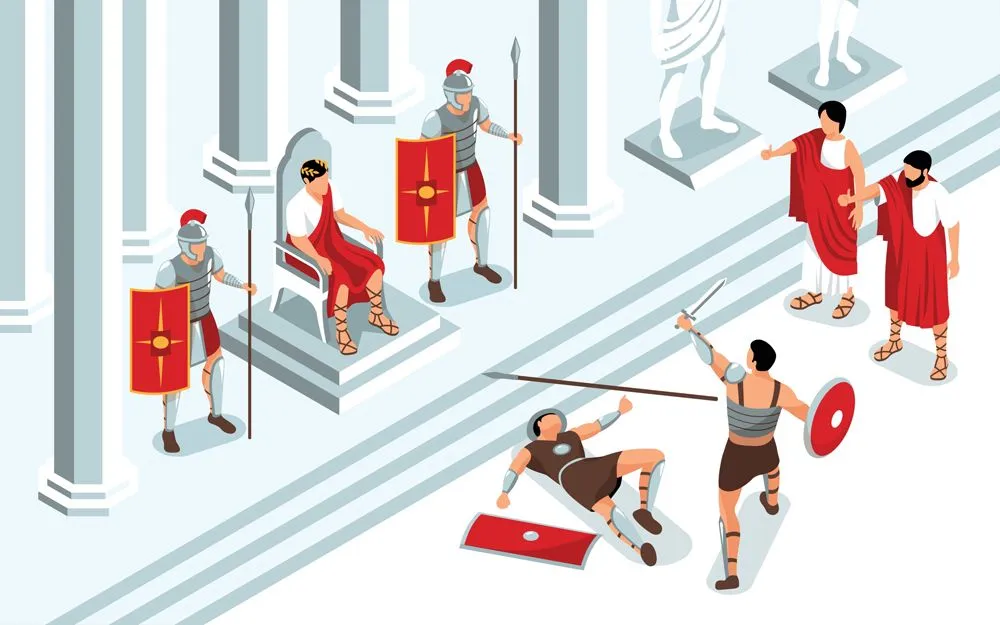
Many Roman emperors had a violent streak in them. Emperor Caligula would send gladiators into the fighting pit whom he was jealous of in order to finish them off or eliminate them. Emperor Commodus, who fought as a gladiator while emperor and styled himself as Hercules reborn, gathered men who had lost their feet, dressed them as giants, and clubbed them to death in the arena for his own entertainment.
Organizing a gladiatorial event was a show of wealth and pomp for Roman emperors. Titus brought in 5,000 wild beasts to be killed on the day inaugurating the Colosseum in 80 AD. Titus would also set up comic duels by selecting respectable householders who were physically handicapped to entertain himself. Twisted, right?
Aggression is important in maintaining a cycle of dominance and submission. All species can become aggressive to maintain their territory and to obtain limited resources from the environment. Society accepts aggression… so long as it is ritualized.

So why would Romans enjoy death as a sport? The answer lies in the complex interrelationship of power, camaraderie, high mortality rate, prestige and social order. We still see glimpses of aggression in modern-day sports, though perhaps not as much as was on display during the gladiatorial games.
What is interesting about aggression in sports is its predictability. The element of predictability, or the extent of violence in sports, makes it tolerable to society. A footballer cannot thrash an opponent on the field, or the referee will give him a red card. There are certain predictable rules that will keep us from anarchy. A gladiator would only kill his opponent according to the rules and only within the arena. Sports are ritualized aggression, violent as they may be.
At least now you know why you enjoyed Squid Game so much!
What Other Sports Did Romans Watch Besides Gladiator Fights?
Here is a fact that surprises most people: gladiators were not even the Romans’ favorite show. That title belonged to chariot racing. The races were held at the Circus Maximus, a stadium so vast it could seat more than 150,000 spectators, several times the capacity of the Colosseum. Fans split into four team factions, the Reds, Whites, Blues and Greens, and followed them with the same tribal devotion that football and basketball supporters show today. By the late Empire, chariots thundered around the track on roughly 66 days each year, with 24 races packed into a single day.

The arena offered plenty beyond one-on-one duels. Venationes were wild-beast hunts in which trained fighters faced lions, leopards, bears and other exotic animals shipped in from across the empire. Naumachiae were full-scale mock naval battles: the largest, staged by Emperor Claudius on the Fucine Lake in 52 AD, reportedly pitted around 100 ships and 19,000 condemned men against each other. Julius Caesar had put on the first such spectacle back in 46 BC. These flooded battles were rare and ruinously expensive, reserved for once-in-a-reign celebrations.
Not everything ended in blood. Ludi scaenici, the theatrical games, filled purpose-built theaters with comedy, pantomime and recitals, and there were athletic contests modeled on the Greek games too. Public games (ludi) eventually swallowed something like 135 days of the Roman calendar, so a citizen could spend a remarkable share of the year watching races, hunts and plays rather than gladiators. And no, despite a stubborn internet myth, Spartan warriors did not fight in the Colosseum; their city had faded centuries before the amphitheater opened in 80 AD.
References (click to expand)
- A Doherty. A Comparison of Gladiatorial Games in Ancient Rome to the .... Morris Library
- 1 Rome's ancient blood sports, ways of keeping citizens and .... Middlebury College
- The Roman Gladiator. The University of Chicago
- Götz, F. M., Stieger, S., Ebert, T., Rentfrow, P. J., & Lewetz, D. (2020, January 1). What Drives Our Emotions When We Watch Sporting Events? An ESM Study on the Affective Experience of German Spectators During the 2018 FIFA World Cup. (S. Vazire & J. Chung, Eds.), Collabra: Psychology. University of California Press.
- Kerr, J. H., Wilson, G. V., Nakamura, I., & Sudo, Y. (2005, June). Emotional dynamics of soccer fans at winning and losing games. Personality and Individual Differences. Elsevier BV.
- Roman Games, Chariot Races & Spectacle. World History Encyclopedia.
- Circus Maximus. Wikipedia.
- Naumachia. Wikipedia.
- Roman Holidays (Ludi). Encyclopaedia Romana. The University of Chicago.