Table of Contents (click to expand)
Yes. Only female Anopheles mosquitoes spread malaria, and the Plasmodium parasite they carry isn’t a free ride. Infected mosquitoes lay roughly 20–40% fewer eggs and tend to die sooner, so the parasite costs its host real reproductive fitness, just without making the mosquito visibly “sick” the way it does a human.
You may already know that malaria, one of the deadliest infectious diseases on Earth (responsible for an estimated 597,000 deaths in 2023, according to the World Health Organization), is transmitted by mosquitoes. Not only does this disease mess with humans, but it also affects a number of other vertebrates. Mosquito bites introduce the malaria parasite into a person’s blood, and within a fortnight or so, the initial symptoms of malaria begin to appear.
Many people don’t realize that it’s not the mosquito that synthesizes the malaria parasite; instead, a mosquito is just a vector, a medium that aids the transmission of the malaria parasite to a human host. So, theoretically, one could say that the malaria parasite enters the body of the mosquito first, and is subsequently ‘delivered’ to a human following a mosquito bite.
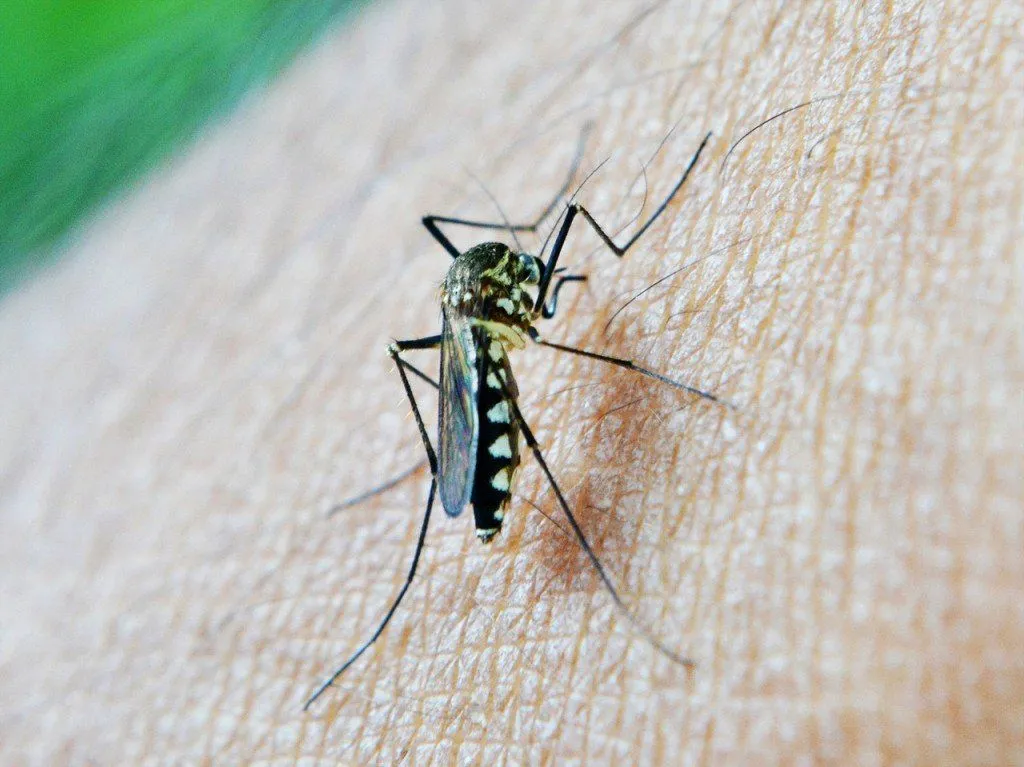
Following that line of reasoning, is it possible that the malaria parasite affects the mosquito who carries it? In other words, are mosquitoes that carry malaria parasites harmed by them? Do mosquitoes also contract diseases from malaria parasites, just like humans?
In order to answer that, it helps to first understand how malaria actually works.
What Causes Malaria?
If you paid attention during your biology class in high school, or maybe the health and fitness awareness campaigns that were conducted in your school, housing society or even workplace, then you surely know that malaria is caused by mosquitoes. But how exactly does that happen?
For the uninitiated, malaria is caused by a type of single-celled parasite called Plasmodium. More specifically, Plasmodium is a genus of parasitic alveolates, many of which are known to cause malaria in their hosts.
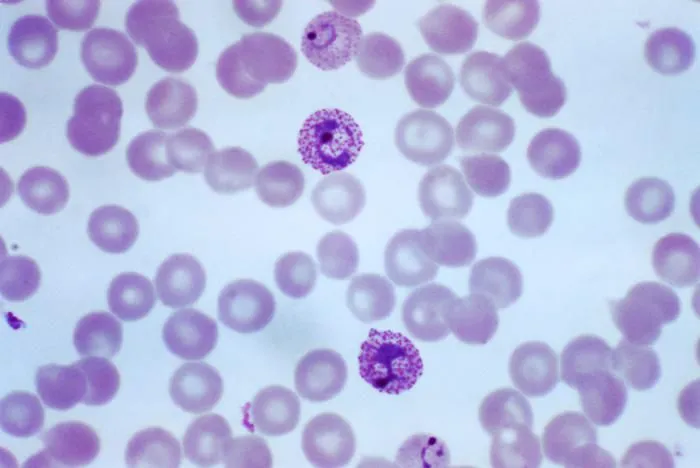
Malaria Parasites
Although there are more than 100 known species of Plasmodium, which are known to affect various animal species, including birds, reptiles and many other mammals, five species of Plasmodium are recognized as causes of human malaria: P. falciparum, P. vivax, P. malariae, P. ovale (which itself splits into two sibling subspecies, P. o. curtisi and P. o. wallikeri), and P. knowlesi (a monkey parasite that increasingly spills over into people in Southeast Asia). They occupy different parts of the world and prefer different climates, with P. falciparum dominating Africa and driving the vast majority of malaria deaths.
It works this way: one of the aforementioned malaria parasites is transmitted by a female Anopheles mosquito, which bites primarily between dusk and dawn. Anopheles is a genus of roughly 430 species, but only about 30 to 40 of them actually carry human malaria in nature, the rest never get the parasite or never manage to pass it on.
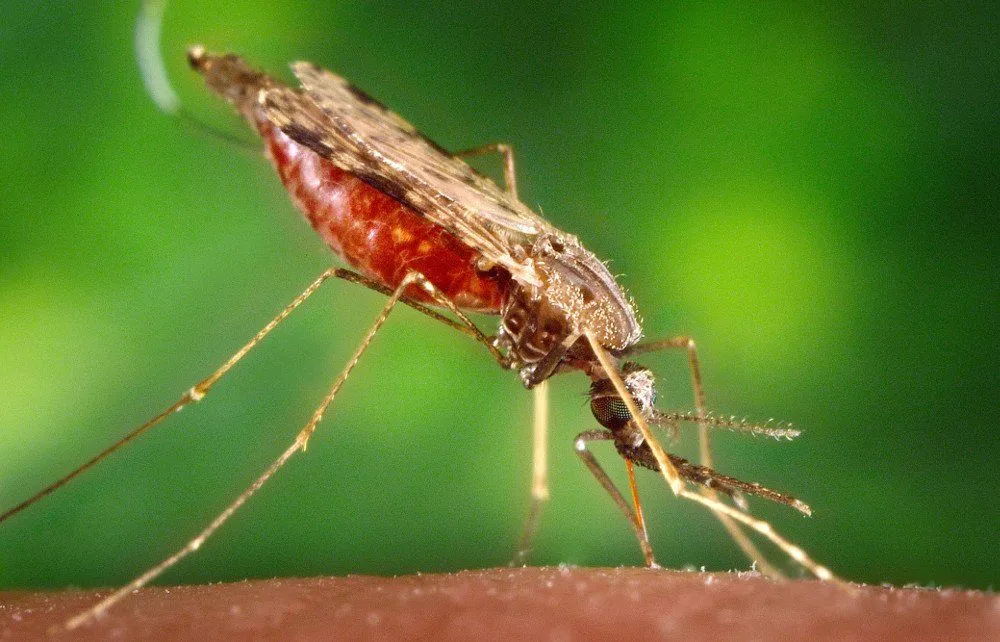
You see, female mosquitoes need to take blood to make ‘meals’ and carry out their egg production. These ‘blood meals’ are the primary link between humans and the mosquito hosts in the parasite’s life cycle.
Once the parasite enters the body of the mosquito, its development from the “gametocyte” stage to the “sporozoite” stage depends on a few factors, the most critical of which include ambient temperature (higher temperatures accelerate the malaria parasite growth in the mosquito), humidity, and whether the Anopheles survives long enough to allow the parasite to complete its cycle (which lasts around 10 to 18 days).
Does The Mosquito Host Get Affected By The Malaria Parasite?
Yes, a mosquito host does get affected by the malaria parasite. Only, not in the same way as a human host does.
As it turns out, mosquitoes infected by malaria parasites seem to suffer the fitness costs of carrying those parasites. This, in a way, could mean that mosquitoes are also negatively affected by malaria parasites.
A study by Ahmed and colleagues, published in 1999, showed that Plasmodium-infected mosquitoes produced markedly fewer offspring than their uninfected counterparts, as malaria parasites are known to dent the fecundity (i.e., the ability to produce an abundance of offspring or new growth) of several mosquito species. When the team tested the reproductive fitness of female Anopheles gambiae feeding on an infected blood meal, the total number of eggs laid dropped by 41.2%. Later field work in Tanzania found a smaller but consistent ~20% reduction in egg batches among wild A. gambiae naturally infected with P. falciparum.
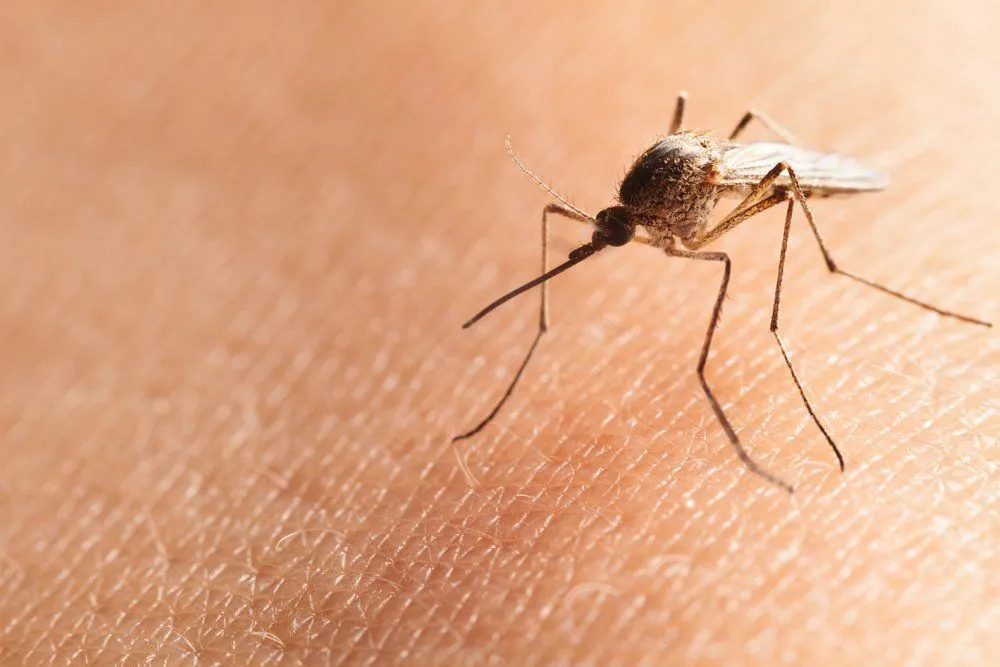
A 2007 PNAS study by Marrelli and colleagues then showed that mosquitoes genetically engineered to resist a particular malaria parasite (P. berghei, a protozoan that causes malaria in rodents) actually outperformed normal mosquitoes when feeding on infected prey, laying an average of 60 eggs per female versus 43, and dying off less quickly.
This is a good thing, as the introduction of genes that impair Plasmodium development in mosquito populations can turn out to be a fitness advantage for mosquitoes, leading to an effective malaria control strategy by means of the genetic modification of mosquitoes.
In a nutshell, yes, mosquitoes are certainly affected by malaria parasites that they carry, but not in the same way as humans are.
References (click to expand)
- Beier, J. C. (1998, January). Malaria Parasite Development In Mosquitoes. Annual Review of Entomology. Annual Reviews.
- Malaria – Questions and Answers. World Health Organization.
- About Malaria. Centers for Disease Control and Prevention.
- Malaria Lifecycle. Centers for Disease Control and Prevention.
- Malaria Parasite, Mosquito, and Human Host | NIH. The National Institute of Allergy and Infectious Diseases
- Malaria. The World Health Organization
- Gleave, K., Cook, D., Taylor, M. J., & Reimer, L. J. (2016, October 31). Filarial infection influences mosquito behaviour and fecundity. Scientific Reports. Springer Science and Business Media LLC.
- Sánchez-Vargas, I., Scott, J. C., Poole-Smith, B. K., Franz, A. W. E., Barbosa-Solomieu, V., Wilusz, J., … Blair, C. D. (2009). Dengue Virus Type 2 Infections of Aedes aegypti Are Modulated by the Mosquito's RNA Interference Pathway. PLoS Pathogens.
- AHMED, A. M., MAINGON, R. D., TAYLOR, P. J., & HURD, H. (1999, September). The effects of infection withPlasmodium yoelii nigeriensison the reproductive fitness of the mosquitoAnopheles gambiae. Invertebrate Reproduction & Development. Informa UK Limited.
- Marrelli, M. T., Li, C., Rasgon, J. L., & Jacobs-Lorena, M. (2007, March 27). Transgenic malaria-resistant mosquitoes have a fitness advantage when feeding on Plasmodium -infected blood. Proceedings of the National Academy of Sciences. Proceedings of the National Academy of Sciences.