Table of Contents (click to expand)
The water-soluble vitamins are the eight B-complex vitamins (B1, B2, B3, B5, B6, B7, B9 and B12) and vitamin C, giving nine in total. Because the body cannot store them in any meaningful quantity, the excess is flushed out in urine, so they must be replenished daily through food. They support metabolism, nerve function, DNA synthesis, red blood cell formation and immune health.
The word vitamin is itself a portmanteau, coined in 1912 by the Polish biochemist Casimir Funk. He fused the Latin vita (life) with amine (a nitrogen-containing organic compound), since the first such factor he isolated (later identified as thiamine) contained an amine group. Most other vitamins turned out not to be amines, so the final e was dropped, but the name stuck.
If I had to describe vitamins in a short sentence, I’d say that they are vital micronutrients required for bodily functions, both essential and non-essential. Vitamins have a critical role in a range of bodily processes, varying from energy release to cell creation, from DNA synthesis to maintaining cholesterol levels.
We get our vitamins from our daily diet, as well as exposure to sunlight directly on our skin.
Types Of Vitamins
Vitamins come in two types, those that dissolve in water and those that dissolve in fat.
The water-soluble ones are abundant in a variety of foods, especially in the juices or watery parts of fruits and vegetables.
Being water-soluble, they are not easily stored in large quantities by our bodies; excess amounts tend to be eliminated through our urine. To counter this, we need a steady and continuous supply of scrumptious fruits and vegetables to replenish them on a daily basis.
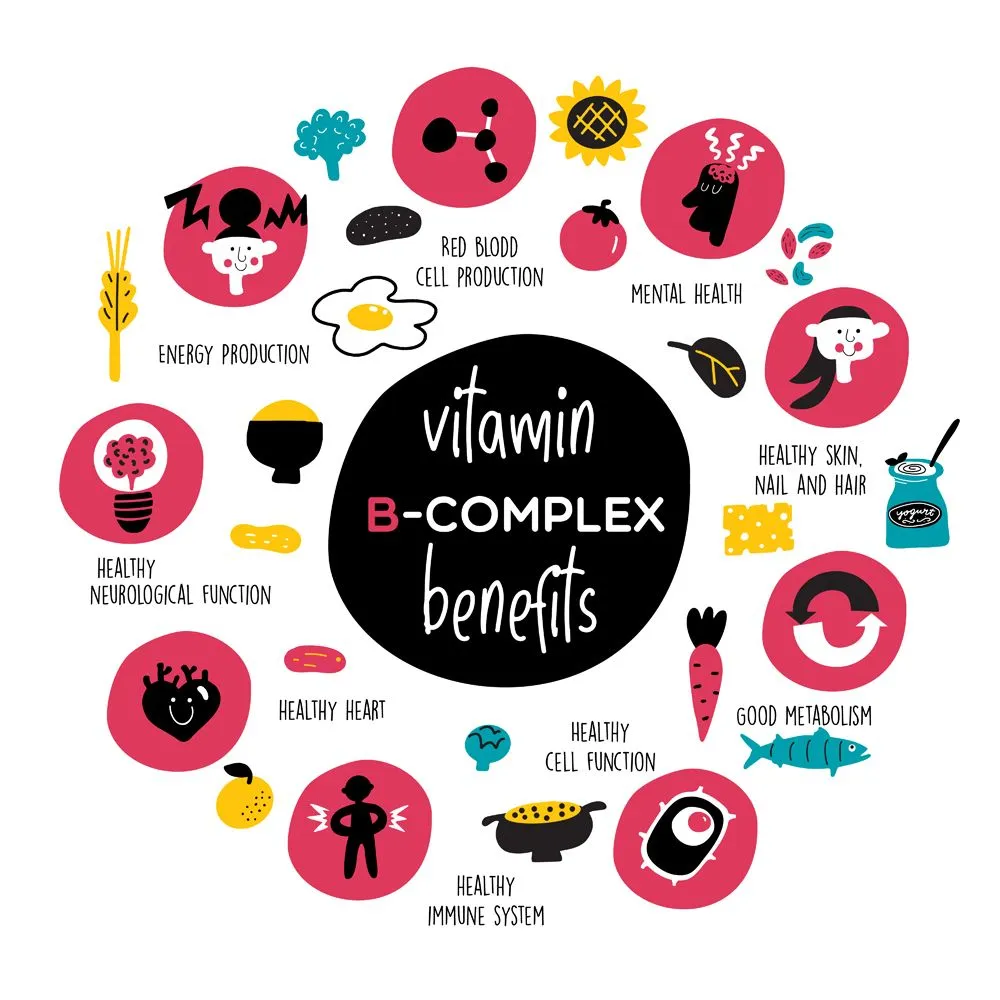
There are 13 vitamins that the human body needs to function. Of these, four are fat-soluble (vitamins A, D, E and K) and the remaining nine are the water-soluble ones we will address in this article. This group of 9 is comprised of 8 vitamins in the B group (the B complex) and vitamin C, the 9th and possibly the most famous vitamin on the list.
The 8 Big Bs
The B vitamins are associated with metabolic enzymes that help our body extract all the fuel and energy from the food we eat. They are integral to the release of energy from carbohydrates, proteins and fats.
Vitamin B1
In the early 1890s, a Dutch military physician named Christiaan Eijkman, working in what is now Indonesia, noticed that chickens fed on polished white rice developed a strange nervous malady. The birds became weak and lethargic, to the extent that they couldn’t support the weight of their own head. In extreme cases, they suffered from convulsions or paralysis.
Surprisingly, when the chickens were switched to a diet that included rice bran (the brown husk stripped off during polishing), their ailment disappeared. Eijkman noticed that the symptoms in the chickens mirrored those of a human disease called beriberi. This piqued his curiosity, and he and his colleague Gerrit Grijns set out to identify the elusive ‘anti-beri-beri factor’ in rice bran. Their work led to the discovery of vitamins, and scientists later identified vitamin B1, or thiamine, deficiency as the cause of beriberi. Eijkman shared the 1929 Nobel Prize in Physiology or Medicine for this work.
Thiamine optimises enzymes that break down carbohydrates for fuel. It is also linked to the conduction of signals across nerve cells which explains beri-beri’s neurological symptoms.
This vitamin has a short half-life, which means it gets broken down and eliminated by our bodies very quickly. Therefore, we need a continuous supply of it.
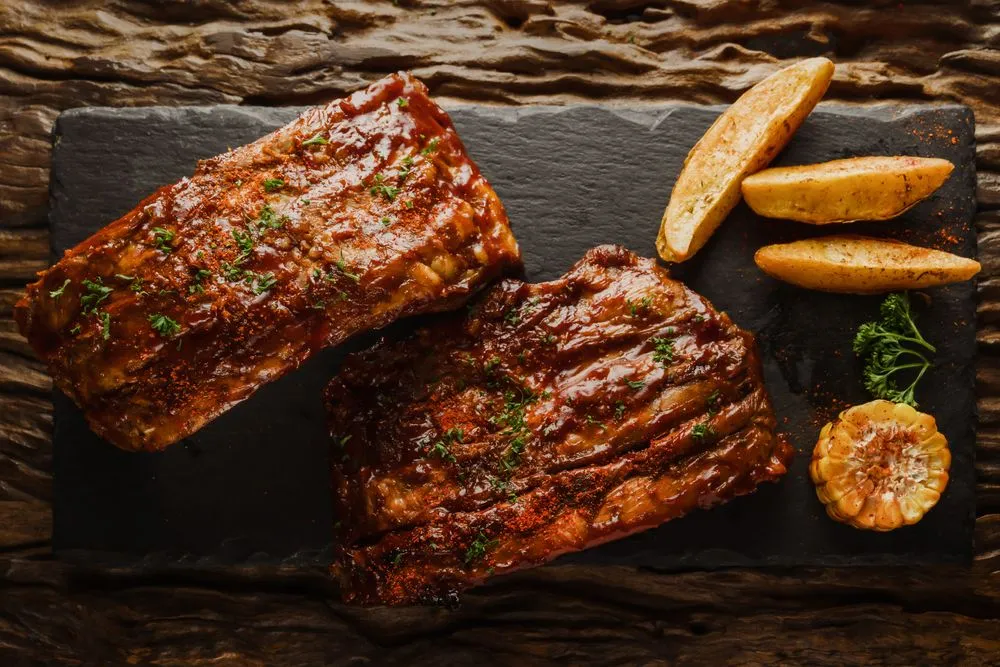
Everyday sources of vitamin B1 are whole grains, meat, fish, breads, cereals, yeast extract, oatmeal, pulses, and nuts. If you really enjoy pork, you can rejoice, since this meat is especially rich in vitamin B1. As vitamin B1 is required to obtain energy from carbohydrates, the amount of vitamin B1 needed depends on your carbohydrate intake.
Vitamin B2
Vitamin B2, chemically called riboflavin, is required by two co-enzymes (enzyme assistants): flavin mononucleotide and flavin adenine dinucleotide. These enzymes are one reason the mitochondria works as the powerhouse of the cell; they are crucial for energy metabolism.
This vitamin plays a major role in amino acid and fatty acid synthesis, which makes it absolutely necessary for the healthy growth and development of our bodies. We cannot have strong muscles and healthy tissues without it.
Egg whites, dairy, chicken liver, bread and grains are vitamin B2-containing foods.
Vitamin B3
Niacin is the official name of vitamin B3. As a precursor to the coenzymes NAD and NADP, it powers hundreds of reactions in energy metabolism and DNA repair. High pharmacologic doses also raise HDL ("good") cholesterol while lowering LDL and triglycerides, although two large trials (AIM-HIGH and HPS2-THRIVE) found that adding niacin on top of statin therapy didn't actually cut the rate of heart attacks. A severe niacin deficiency causes pellagra, the classic disease of dermatitis, diarrhea and dementia.
This is one of the rare vitamins the body can partly synthesize on its own. The liver uses the amino acid tryptophan as a raw material, producing roughly 1 mg of niacin from every 60 mg of tryptophan. Meats like chicken and turkey are especially rich in tryptophan.
Food that is rich in naturally occurring vitamin B3 includes poultry, salmon, tuna, breads, grains, legumes, and cereals. Peanuts are also a good source of vitamin B3.
Vitamin B5
No, I didn’t skip vitamin B4. Initially, more than a dozen compounds were lumped into the B family, but several of them (B4, B8, B10 and B11) were later struck off the list because the body could either make them on its own or they turned out not to be essential nutrients. Rather than renumber everything, scientists left the gaps where they were.
Vitamin B5, or pantothenic acid, helps to process carbs, proteins and fat to release energy. This key vitamin also helps to synthesize lipids.
You can pick up vitamin B5 from a wide range of foods, including fish, chicken, legumes, green leafy vegetables, mushrooms, eggs, breads and cereals. The richest sources, however, are animal organs (especially liver and kidney) and dairy.
Vitamin B6
Vitamin B6, or pyridoxine, is crucial for amino acid metabolism. When we are hungry and unable to eat, our bodies break down our glucose stash (glycogen) for energy, and B6 helps drive that process by activating glycogen phosphorylase. In its active form, pyridoxal 5′-phosphate, it serves as a coenzyme in more than 140 enzyme reactions involved in amino acid, glucose and lipid metabolism. Pyridoxine is also required for the formation of red blood cells and hemoglobin; a severe deficiency can cause sideroblastic anemia.
Sources of vitamin B6 include pork, chicken, turkey, seafood, peanuts, milk, cereals, bread and bananas.
Vitamin B7
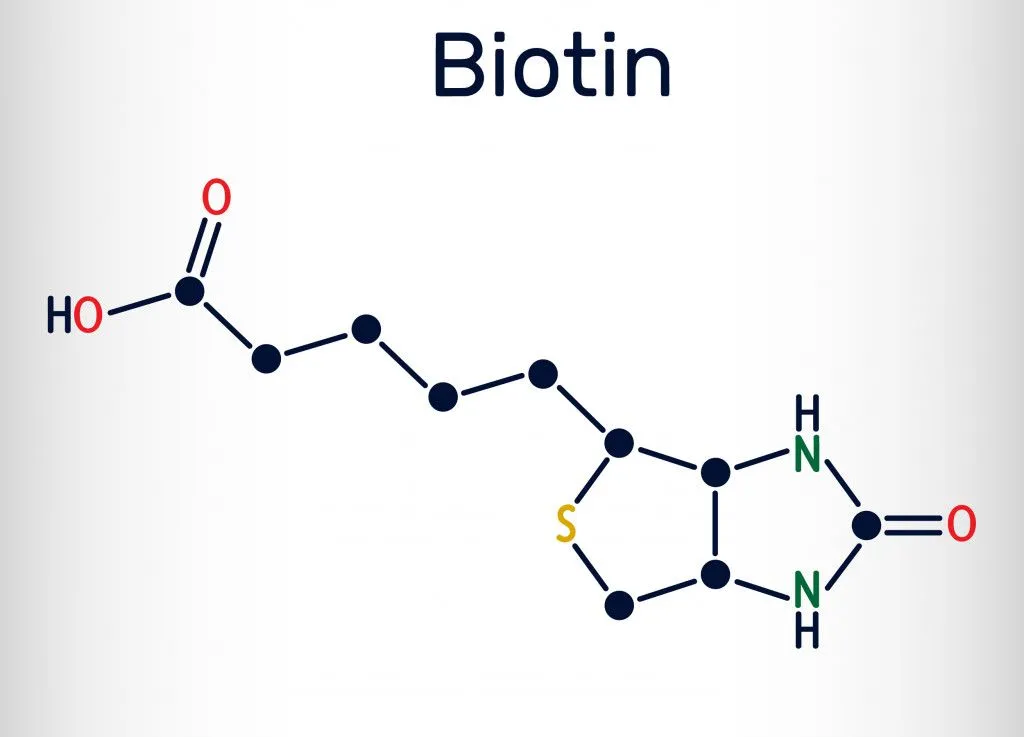
There are about 2 meters of DNA in every diploid human cell, but cells are so small, so how does it all fit? DNA is compacted by being wound around proteins called histones, and biotin (vitamin B7) is one of the players in this process: it gets covalently attached to specific lysine residues on histones, a modification that helps regulate chromatin structure and gene expression. Biotin also acts as a cofactor for five carboxylase enzymes involved in carbohydrate, protein and fat metabolism.
What’s special about biotin is that the body doesn’t require too much of it. This is a good thing because even though biotin is present in most food, it is found in minuscule amounts.
Some studies seem to suggest that biotin also improves the health of our skin, nails and hair.
Want to ensure you aren’t lacking in this micronutrient? Regularly include sweet potatoes, spinach, broccoli, peanuts, meat, fish, eggs and rice bran as part of your diet.
Vitamin B9
Vitamin B9, also known as folate, is a very essential vitamin, as it is required for DNA replication. It plays a role in synthesizing the molecules that make up DNA: A, T, G and C. When our cells divide, our DNA also has to duplicate so the new cell gets a copy. Folate is therefore needed for normal and controlled cell division; thus, any deficiencies in folate could potentially be very harmful.
Folate is also a key ingredient in the formation of red blood cells. In 1931, British hematologist Lucy Wills showed that pregnant women in India suffering from severe anemia recovered when given crude yeast extract (Marmite) or liver extract, both rich in what would later be identified as folate.
For the above reasons, pregnant women are often given folic acid supplements, an artificial form of vitamin B9. Pregnant women who regularly take folic acid lower the chance of birth defects in their babies.
Folate is present in green leafy vegetables, broccoli, brussels sprouts, peas, chickpeas and certain breakfast cereals that are fortified with folic acid. The richest sources of folate include animal liver, asparagus and avocado.

Vitamin B12
Finally, we come to Cobalamin or vitamin B12, the last of the vitamins belonging to the B family. B10 and B11 went the way of B4 and B8.
B12 is unusual in that it can only be made by certain bacteria and archaea, not by plants or animals. We get most of it second-hand, by eating animals that ate the microbes (or absorbed the B12 they produced) further down the food chain. Although bacteria in our own colon also synthesize B12, they do so well past the ileum, the only stretch of the small intestine where humans can actually absorb it, so that source goes mostly to waste. B12 is the vitamin doctors routinely check for, since a deficiency causes anemia and, if severe or prolonged, neurological complications.
Vitamin B12 is not widely present in plant foods, so unless you regularly eat animal products or B12-fortified foods, you are at higher risk of a B12 deficiency.
Vitamin B12 is needed for RBC and DNA formation. Cobalamin is also essential for the nervous system, as it helps neurons function.
The only reliable natural sources of vitamin B12 are meat, fish, shellfish, eggs and dairy products. This is why vegans (and many vegetarians) usually need supplements or fortified foods such as nutritional yeast, plant milks and breakfast cereals fortified with B12.
Vitamin C
Last but not least, and my personal favorite vitamin, vitamin C! Alternatively called ascorbic acid, it is critical for our immune system function.
Once again, this is a vitamin important to the functioning of many metabolic pathways that provide energy for our body. It is also a cofactor in the synthesis of dopamine and norepinephrine, neurotransmitters associated with the fight-or-flight response. Naturally, high stress levels tend to demand higher levels of this non-storable vitamin.
Vitamin C also aids the absorption of non-heme iron from plant foods by chemically reducing dietary ferric iron (Fe³⁺) to the ferrous form (Fe²⁺), which the small intestine can absorb. Vitamin C is also indispensable for the synthesis of collagen, which makes it important for healthy gums, teeth, skin, blood vessel walls and wound healing. The classic deficiency disease, scurvy, is essentially what happens when collagen production breaks down.
Sources of ascorbic acid include citrus fruits such as oranges, grapefruit and lemons, along with strawberries, kiwifruit, blackcurrants, mangoes, papayas and pineapple. Vegetables like broccoli, brussels sprouts, spinach and bell peppers also contain high levels of vitamin C.
This vitamin, or its lack thereof, played a crucial part in vitamin history. Seamen out on long voyages would often get sick with bleeding gums and weak bones. Scurvy victims recovered after they ate celery, cabbage or other fruits, which at the time were only available on land; getting vitamin C-rich foods at sea was impossible, and they were perishable after a few days or weeks. Therefore, sailors believed in a superstition that the smell and touch of the Earth could cure scurvy.
In 1747, the Scottish naval surgeon James Lind ran what is often called the first controlled clinical trial: he divided twelve scurvy-stricken sailors into pairs, gave each pair a different remedy, and found that the pair given oranges and lemons recovered. He published his results in 1753, although the Royal Navy did not routinely issue citrus juice for decades afterward. The work of later biochemists led to the discovery of vitamin C, and in 1933, Sir Walter Norman Haworth deduced its chemical structure and achieved the first synthesis of a vitamin, work for which he later shared the 1937 Nobel Prize in Chemistry.
Conclusion
One should never underestimate the power of vitamins; they may be small, but they pack quite a punch. Since water-soluble vitamins aren’t stored by the body, we need to ensure that our foods refuel these vitamins in our system. In other words, stop sneaking the veggies off your plate and start taking the recommended five portions of fruits and vegetables per day.
If needed, consult your doctor to find out if you have any vitamin deficiencies, especially if you’re a vegetarian or vegan. You will find plenty of vitamin supplement options, such as chewable vitamin C tablets, or my personal favorite, gummy bears fortified with tons of essential micronutrients!
References (click to expand)
- Casimir Funk - Polish-American biochemist. Encyclopedia Britannica.
- Biochemistry, Water Soluble Vitamins. StatPearls. NCBI Bookshelf.
- Definitions of Health Terms: Vitamins. MedlinePlus, National Library of Medicine.
- Water-Soluble Vitamins. Diet and Health (1989). National Academies Press, NCBI Bookshelf.
- Vitamin and Mineral Fact Sheets. Office of Dietary Supplements, National Institutes of Health.
- Christiaan Eijkman - Biographical. NobelPrize.org.
- Norman Haworth - Facts (1937 Nobel Prize in Chemistry). NobelPrize.org.
- Treatment of Anemia during Pregnancy (1931), by Lucy Wills. Embryo Project Encyclopedia.
- Is There Still a Role for Niacin Post AIM-HIGH and HPS2-THRIVE Trials? American College of Cardiology.