Table of Contents (click to expand)
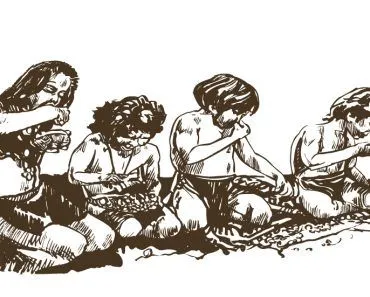
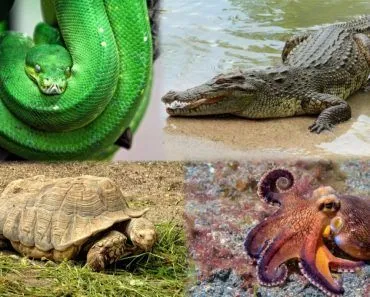
A “balanced diet” is species-relative. Animals survive on narrow diets because they have evolved gut microbes and metabolic pathways tuned to those exact foods. Ruminants and pandas host bacteria that ferment plant fiber, while carnivores like cats pull nutrients such as taurine and vitamin A straight from animal tissue. Each species eats what its biology is built to process.
We’ve all been taught to consume a healthy diet, ever since we were kids. I vividly remember a ‘balanced diet’ chart pinned on the display board in my classroom in Grade 5. It listed the essential foods that one should regularly consume as part of their balanced diet in order to stay healthy.
Animals, on the other hand, especially those that live in the wild, live on very narrow diets. In other words, their diet consists of very specific foods; as such, they don’t get to eat varied foods (like we do), which could potentially provide them vital nutrients and minerals. Still, they seem to be in good shape, at least for as long as they are alive. How does that work?
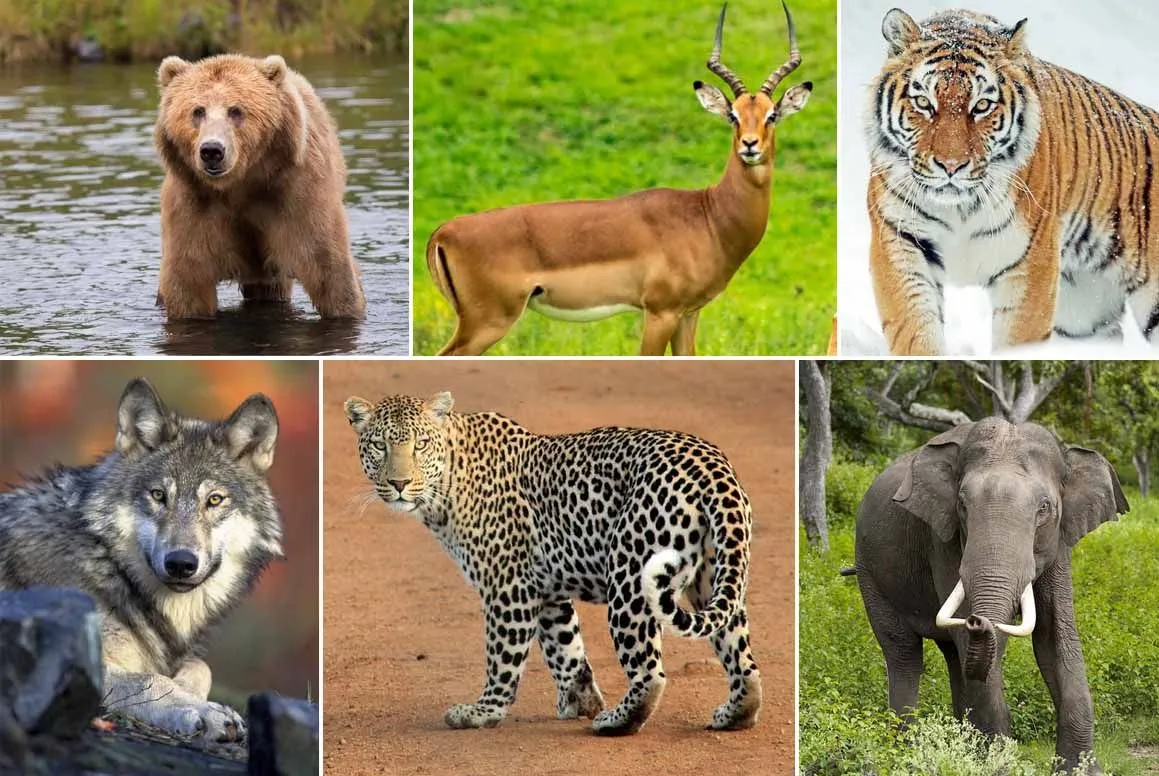
Have you ever thought about why humans need such a varied diet with so many different foods, whereas animals can get by with such narrow diets?
Before we get to that answer, let’s start by understanding what a balanced diet really is.
What Is A Balanced Diet?
A balanced diet, as the name clearly signifies, is one that provides a proper balance of nutrients and minerals that the human body needs to function at its best. Having said that, a balanced diet therefore contains six vital nutrient groups, namely carbohydrates, proteins, lipids or fats, vitamins, minerals and water, all of which are required in appropriate quantities to maintain good health.
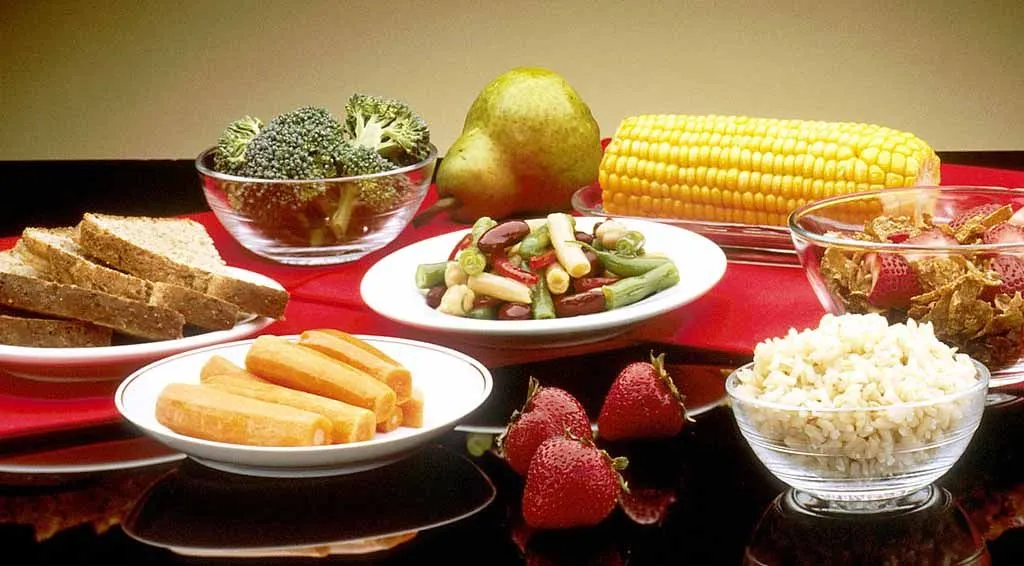
A deficiency in any of the aforementioned nutrients can lead to various ailments, dehydration, starvation and subsequent death. There is also an absolute requirement of certain molecules, known as the essential nutrients, because the body cannot manufacture these nutrients on its own and therefore depends on external sources for their supply.
If you don’t consume a balanced diet, you risk the lack of an adequate supply of any of these nutrients, which could potentially lead to diseases and other problems.
Do Animals Eat A Balanced Diet?
You might think that wild animals consume very ‘narrow’ diets, i.e., they don’t get to consume as nutritionally-rich foods as we humans have ready access to. If you believe that, you should know that you’re not correct… at least not entirely.
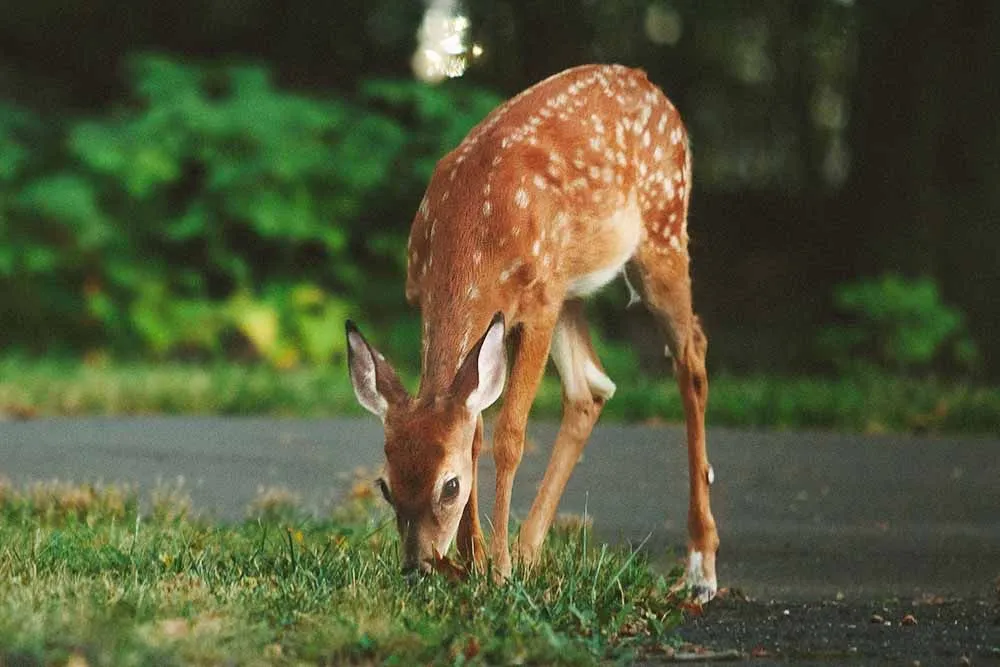
First, very few animals have extremely narrow diets. So, you might think that a deer, for instance, being an herbivore, only eats grass and plants, but you may be surprised to note that it can (and does) eat small birds and the organs of certain other animals (including its fellow deer) when it’s really famished. Trail cameras have repeatedly caught deer raiding songbird nests and eating the eggs and chicks, so the tidy “herbivore vs. carnivore” split is blurrier than the textbooks suggest.
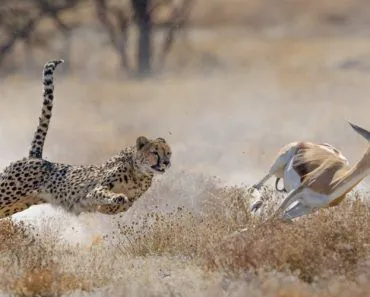
Second, carnivorous animals do eat the internal organs of their prey, which are often rich in certain nutrients that are impossible to find in their muscle tissue (or ‘meat’, as we call it). When a lion pride or a wolf pack brings down a kill, they typically tear into the liver, kidneys and heart first, because gram for gram those organs carry far more vitamins and minerals than plain muscle. Beef liver, for example, packs roughly 50 times the vitamin B12 of steak. Thus, these animals manage to get a surprisingly complete intake of key nutrients by way of eating the innards of their prey.
Humans, on the other hand, generally prefer eating only the meat (i.e., the muscle tissue) of animals, which is not nearly as rich in nutrients as their inner organs. As a result, humans lose out on a sufficient amount of nutrients by restricting themselves to just eating meat.
Note: ‘eating just the meat’ is a fairly recent trend in Western cultures; there are many nations where people still eat the internal organs of animals.
But the deepest part of the answer isn’t about what animals eat. It’s about how their bodies are built to process it. The real trick is that a “balanced diet” is species-relative. Over millions of years, each animal has evolved gut microbes and metabolic pathways tuned to its specific menu, so a food that would leave us malnourished can be perfectly complete for them.
Take grazers like cows, sheep and deer. Grass is mostly cellulose, a tough fiber that no mammal can break down with its own enzymes. Ruminants get around this by hosting trillions of bacteria, protozoa and fungi in a specialized stomach chamber called the rumen. These microbes ferment the fiber into usable energy, and along the way they manufacture B vitamins, vitamin K and amino acids that the host then absorbs. In effect, the cow isn’t really living on grass at all; it’s living on the microbes that the grass feeds.
The giant panda is an even stranger case. It descends from carnivores and still has the short, simple gut of a meat-eater, yet it survives almost entirely on bamboo. Its genome doesn’t even code for cellulose-digesting enzymes, so it leans on hindgut bacteria to extract what little it can. The system is so inefficient that a panda digests only about 17% of what it eats, which is exactly why it spends 10 to 14 hours a day chewing and has to pack away enormous quantities of bamboo just to stay alive.
Koalas pull off a similar trick with eucalyptus, a plant most animals avoid because it’s loaded with toxins. Koalas carry expanded families of detoxifying liver enzymes plus specialized gut bacteria that neutralize those compounds, letting them dine on leaves that would poison the rest of us. The catch is that wringing nutrients out of such poor, toxic food leaves little energy to spare, which is a big reason koalas sleep up to 20 hours a day and rank among the laziest animals on the planet.
Meat-eaters have their own specialized wiring, just pointed in the opposite direction. Cats are obligate carnivores, meaning their bodies require nutrients that only animal tissue can supply. Having eaten meat for so long, they’ve lost the machinery to make certain nutrients themselves: a cat can’t produce enough of the amino acid taurine, can’t synthesize enough arginine, and can’t convert the beta-carotene in plants into vitamin A the way we can. For a cat, a bowl of vegetables genuinely is a deficient diet, while a mouse, eaten whole, is a balanced one. That’s also the answer to a question people often ask: why can some animals live on only plants while others live on only meat? Each has evolved the gut and biochemistry to make that single food group complete.
Humans Can Also Survive On A Limited Diet
Yes, it’s true! It’s not just animals, but humans as well, that can survive on eating very simple, specific diets for surprisingly long stretches! Believe it or not, if you eat nothing but potatoes every day, you won’t just drop dead the next day, the next week, the next month, or even in the next couple of years. In 2010, a man named Chris Voigt actually put this to the test and ate nothing but potatoes (about 20 a day) for 60 straight days. He came through it just fine, even improving his cholesterol and blood sugar, which goes to show how much you can get away with in the short term.
It’s interesting to note that we humans need an astonishingly small variety in our diet to survive. An individual can survive for many years by following a very narrow, specific diet. As a species, humans can do just fine if they eat a very unhealthy diet; consuming a balanced diet is hardly a requirement to survive.
However, before you go around cutting out the healthy stuff (e.g., veggies, fruits etc.), remember that I am using the word ‘survive’ here.
Yes, you can survive for years by just eating french fries, but if you really do that, you will accumulate a bunch of deficiencies in your body. And with all those deficiencies, you obviously won’t feel that good. You will undoubtedly debilitate your immune system and will therefore be more likely to contract diseases. In other words, the quality of your life won’t be that great if you insist on surviving exclusively on burgers and pizzas.

It’s true that wild animals don’t eat as balanced a diet as we humans do, but do they live for as long as we do? The average lifespan of a wild beast is nowhere near the average lifespan of humans. Most animals survive on eating whatever they get their ‘hands’ on, reproduce a few times, and then drop dead; for plenty of wild mammals, all of this plays out within a span of just 10 to 15 years. That is a reasonable survival strategy for beasts of the wild.
However, (most) humans want to live for much longer than that and lead an active, happy life until they’re old and ‘ready to depart’. Because of that, consuming a balanced diet becomes a necessity for humans.
References (click to expand)
- Skerrett, P. J., & Willett, W. C. (2010). Essentials of Healthy Eating: A Guide. Journal of Midwifery & Women's Health. Wiley.
- Healthy Eating Plate. The Nutrition Source. Harvard T.H. Chan School of Public Health.
- Nutritional Requirements of Small Animals. Merck Veterinary Manual.
- Amino Acid Nutrition and Metabolism in Domestic Cats and Dogs. PMC. NCBI.
- The Ruminant Digestive System. University of Minnesota Extension.
- Microbe-Mediated B and K2 Vitamin Biosynthesis in the Gastrointestinal Microbiome of Ruminants. PMC. NCBI.
- Zhu, L., et al. Evidence of Cellulose Metabolism by the Giant Panda Gut Microbiome. PNAS (PMC, NCBI).
- Koala. Encyclopaedia Britannica.
- Managing Your Weight with Healthy Eating. MedlinePlus.