Table of Contents (click to expand)
No, plastics are not equally harmful. The Resin Identification Code (numbers 1 to 7) tells you the type: PET (1) and HDPE (2) are the easiest to recycle, while PVC (3) and polystyrene (6) are the most toxic and hardest to handle. Thermoset plastics resist recycling far more than thermoplastics, and worldwide only about 9% of plastic is actually recycled.
In 1907, Leo Baekeland, a Belgian chemist, beat chemist James Swinburne to a patent office in Scotland by the mere margin of a day. There, Baekeland patented a material known as Bakelite. Bakelite was the first fully synthetic plastic in the world. It was a worthy predecessor to the types of plastic we use today. From food containers and baby bottles to electronic chip carriers, plastic is as ever-present as sunlight. Today, the market for plastic has never been larger. During the Covid-19 pandemic, the logistical burden of the medical industry was almost single-handedly borne by synthetic polymers and common plastics. Millions of plastic gloves and masks were used every day.
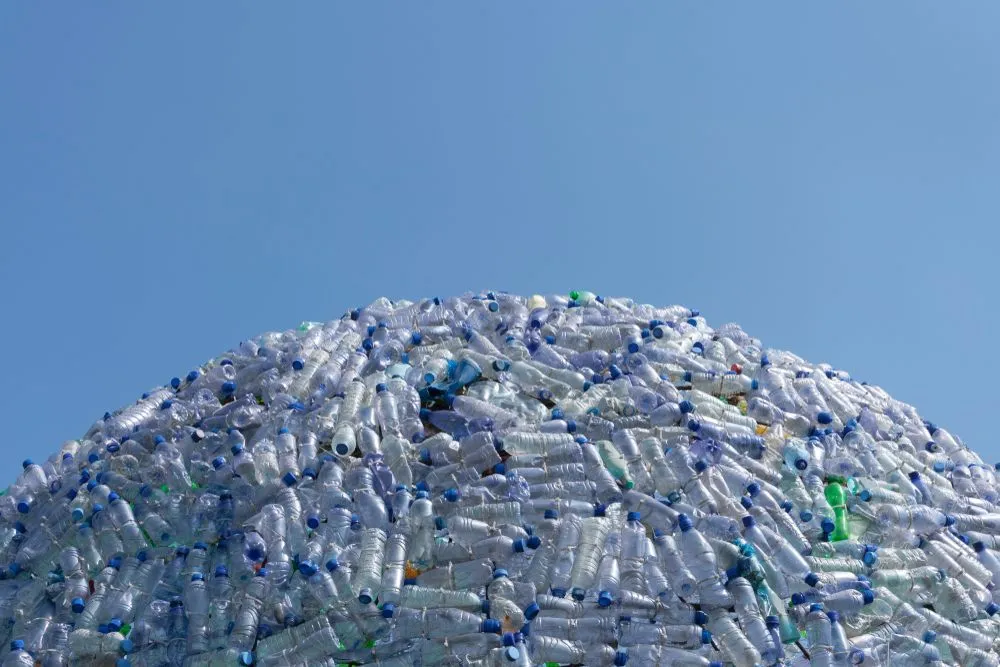
Of course, plastic isn’t only evil in the world, but with so much of it around, what the heck do we do with all this plastic once we’re done with it?
What Is Plastic?
To understand what happens to plastic as garbage, we need to know what plastic is, chemically speaking.
Plastic is a polymer that, in the simplest of terms, is composed of small chemical blocks (monomers) attached to each other to make a large molecule, the polymer. The monomers form covalent bonds with other monomers. Monomers covalently link together to form chains, which together form a polymer.
It’s easier to think of a monomer as a brick. Multiple bricks are sequentially laid together to build a house. The house is a polymer. However, not all plastics are the same type of polymer. Plastics come in two types; thermoset plastics and thermoplastics. The difference lies in their chemical and physical properties.
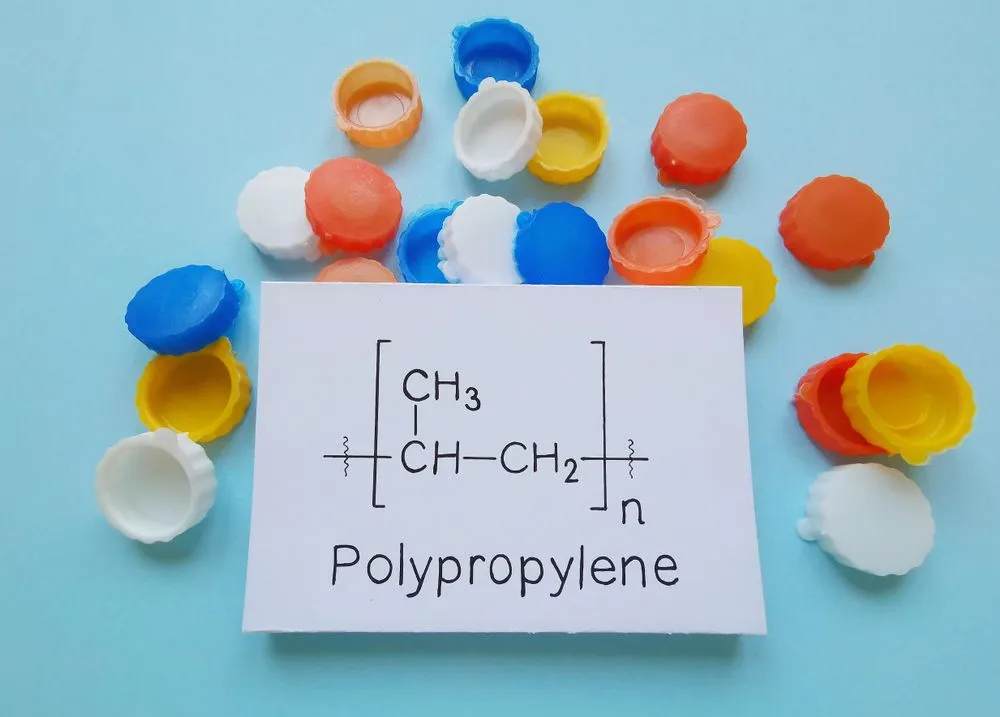
Thermoset plastics are manufactured using processes called liquid molding processes. Polymers and other agents are heated to a liquid state, and as the mixture cools in the mold, it forms a thermoset plastic. This process encourages a chemical reaction known as cross-linkage. When the polymers in the mixture cross-link together, it prevents them from succumbing to the effects of heat. Thermosets such as polyester, polyimides, and polyurethane are therefore perfect for high-heat environments. The cross-links in thermoset plastics are also the reason they are notoriously hard to recycle. Heating them enough to reshape them just breaks the bonds and decomposes the material, so for decades they were considered impossible to recycle at all (chemists are only now developing methods that can claw some of them back). Thermoplastics, on the other hand, are susceptible to the effects of heat and melt when exposed to high heat after the curing process. This makes them a bit easier to recycle. Polyethylene is a good example of a thermoplastic.
What Happens To All The Plastic Once We’re Done With It?
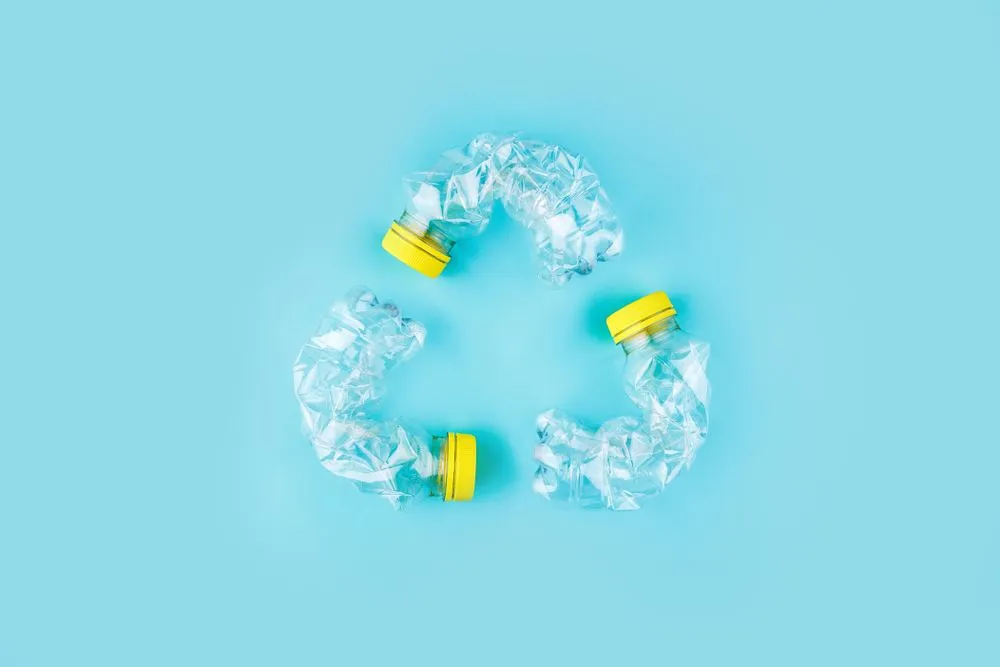
One word: Recycled
Actually, it’s a bit more complicated than that. The problem with plastic is that we can’t transform it into another substance. Technically, it is possible to recycle plastics into fuel or oil, but this process results in the emission of toxic pollutants, a no-win situation.
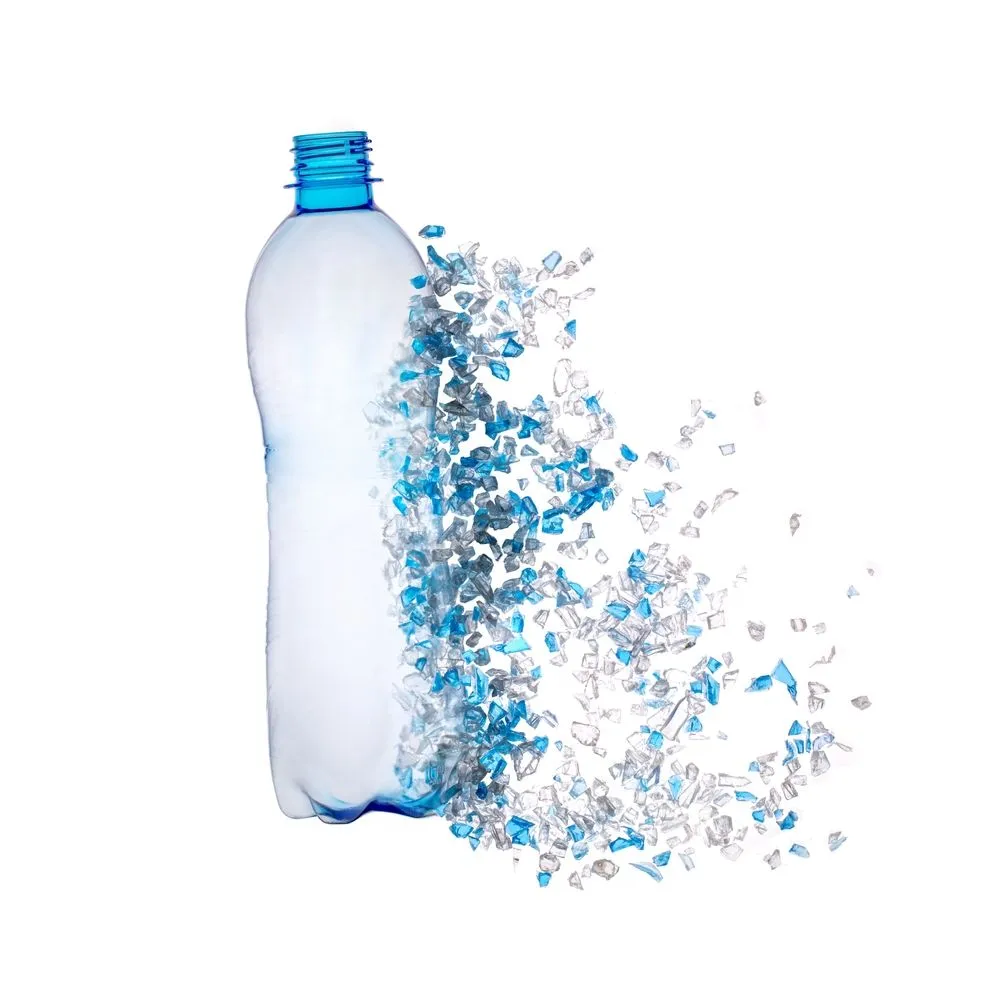
Most plastics are not biodegradable. They break down into smaller pieces, but not simpler substances (i.e., organic or biological materials). These smaller pieces of plastic are called microplastics. And they don’t just stay in the ocean: by 2024, researchers had detected microplastics and even tinier nanoplastics in human blood, the placenta, and brain tissue, and a study in the New England Journal of Medicine linked plastic particles lodged in artery walls to a higher risk of heart attack and stroke. We are quite literally eating and breathing our own waste.
To prevent plastics from turning into microplastics, the ideal solution is to recycle them. However, many weird problems come up when we try scaling up plastic recycling.
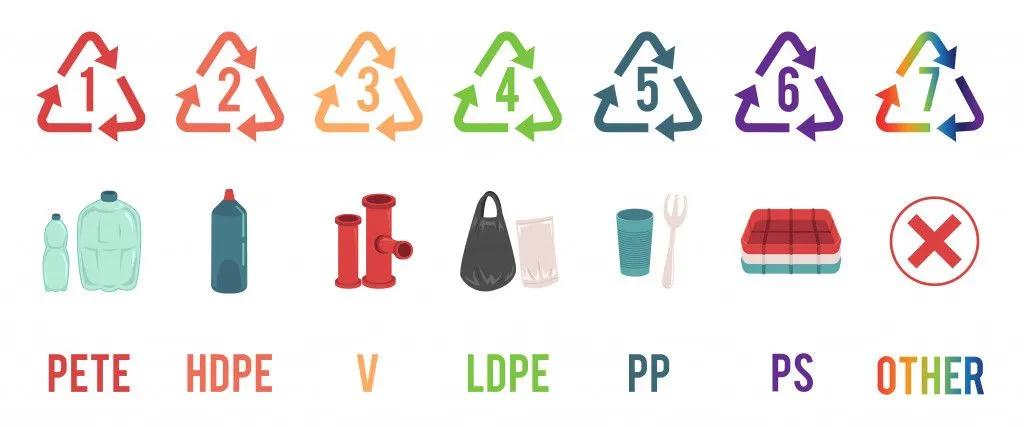
Plastics and objects made of plastic are each assigned a Resin Identification Code (RIC). This code helps us identify the type of plastic used to make an object. Based on this code, each plastic item can belong to 1 of 7 classes. RIC Classes 1 (things made of PETE/PET) and 2 (things made of HDPE) are the ones most curbside programs actually take. Class 5 (PP) is increasingly accepted too, while Classes 3, 4, 6 and 7 can possibly be recycled (depending on where you live). One important catch: that little number stamped on the bottom only identifies the material. It does not guarantee your local program will accept it, so it is always worth checking your area’s rules before tossing something in the bin.
The headache doesn’t end there. Specific cases like two-layered objects (your coffee cup) make plastic recycling harder. Plastic fused to another material (paper) cannot be recycled. The two materials need to be separated and then processed.
Additionally, plastics like PET can typically be recycled only 2 or 3 times (tougher HDPE can manage more), because every time plastic is recycled, the monomeric chains that make up the plastic reduce in length. This directly affects the quality and strength of the resultant plastic. That is why a recycled bottle rarely becomes another bottle; more often it is “downcycled” into polyester fiber for clothing or plastic lumber, a one-way trip down the quality ladder.
Weirdly enough, most recycled plastic is reinforced with new or “virgin” plastic to make up for the loss of quality incurred during recycling. This goes directly against the very point of recycling, which is to use less of it. One may rightfully question if this should count as recycling at all.
So, Are All Types Of Plastic Bad For The Environment?
Not really.
RIC Class 1 and 2 plastics are the most extensively recycled plastics. Hence, they’re also less likely to contribute to the production of microplastics. Generally, they are also used to make simple single-layered products, such as water bottles (100% PET).
In terms of harm done, they’re as innocent as plastics can get. Classes 3-6 are a bit trickier to judge, as the processes required to recycle them do exist, but depending on where you live, they’re not always recyclable.
Plus, for some plastics, such as PVCs or polystyrenes, multiple complex processes (pyrolysis, hydrolysis, heating, etc.) are required to successfully recycle them.
Dubiously, we must also be wary of Class 7 plastics. All plastics that fall into the Class 7 category of plastics meet one basic requirement: They do not fit anywhere else. If the object in question doesn’t find a place amongst the first 6 classes, it is simply dumped in class 7. It is a literal landfill of unidentifiable plastics. This makes all plastic items in Class 7 difficult to recycle, as not much is known about their composition.
Conclusion
In the end, some types of plastics, like polyvinyl chlorides and polystyrenes, are more dangerous than others. Many of the processes used in recycling PVCs attempt to remove the hazardously high levels of chlorine and additives added to it. The real red flag is its building block: vinyl chloride, the monomer PVC is made from, is classified as a Group 1 (known) human carcinogen by the International Agency for Research on Cancer, the World Health Organization’s cancer arm. The finished PVC polymer itself is not a confirmed carcinogen, but leftover vinyl chloride and the additives blended into it remain a genuine health concern.
The real problem is the dangerously small amount of plastic being recycled at all. According to the OECD, only about 9% of plastic worldwide is actually recycled, a figure that has barely budged in two decades.
We need to figure out a better way to increase the scale and quantity of plastic recycling. Unless we figure that out, the type of plastic doesn’t really matter, as most of the plastic that is produced will eventually end up breaking up into microplastics, since they won’t be recycled in the first place.
To end on a lighter note, it’s not all doom and gloom. Chemists and engineers are working tirelessly to synthesize new-age bioplastics, which are synthesized from renewable and biodegradable raw materials like vegetable oil, yeast, or corn. Capable of biodegradability, bioplastics present a source of optimism for plastic management in the near future.
References (click to expand)
- Thompson, R. C., Moore, C. J., vom Saal, F. S., & Swan, S. H. (2009). Plastics, the environment and human health: current consensus and future trends. Philosophical Transactions of the Royal Society B.
- 7 Things You Didn't Know About Plastic (and Recycling). The National Geographic Society.
- Converting Plastic Waste into Fuel - Science in the News. Harvard University.
- Bioplastics - an overview. ScienceDirect Topics.
- The Truth About Bioplastics. State of the Planet. Columbia University.
- The Age of Plastic: From Parkesine to pollution. The Science Museum.
- What are microplastics? NOAA's National Ocean Service.
- Vinyl Chloride. IARC Monographs on the Evaluation of Carcinogenic Risks to Humans, Vol. 100F. NCBI Bookshelf.
- Marfella, R., et al. (2024). Microplastics and Nanoplastics in Atheromas and Cardiovascular Events. New England Journal of Medicine. PubMed.
- Nihart, A. J., et al. (2025). Bioaccumulation of microplastics in decedent human brains. Nature Medicine.
- Global Plastics Outlook. OECD.