Table of Contents (click to expand)
To replenish soil nitrogen without synthetic fertilizers, grow legume cover crops like clover, vetch or field peas. Bacteria (rhizobia) in their root nodules fix nitrogen from the air, and tilling the residue back in releases it for the next crop. Crop rotation, compost and manure return nitrogen too, while also building soil organic matter.
Soil is the foundation on which we grow our food. World Food Prize Laureate Dr Rattan Lal compares soil with a bank account. We have to put more into the bank than we withdraw from it. This means that in order to improve the quality of soil (and crops), we will need to increase the soil’s organic matter content so that it can supply the plant with key nutrients.
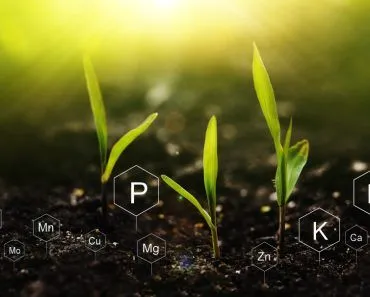
Nitrogen is one of the essential elements that plants need to grow. They also need phosphorus, potassium, calcium, sulfur, magnesium and various micronutrients.
Nitrogen is an important component of chlorophyll, the green pigment that plants use to turn sunlight, carbon dioxide and water into sugar. It is also a key component of DNA, amino acids, and proteins. Nitrogen and phosphorus are components of ATP, which is a molecule that stores energy for all our metabolic demands.

In conventional farming, all of these nutrients are supplied through synthetic fertilizers. Synthetic fertilizer is highly soluble in water, and any extra fertilizer not absorbed into the plant leaches out of the field and ends up in groundwater sources, including streams. When excess nutrients accumulate in groundwater, it leads to the uncontrolled growth of algae, which use up all the oxygen in the water, killing fish populations and choking out an ecosystem. Synthetic fertilizers are also made by utilizing fossil fuels.
An alternative to using synthetic fertilizers is growing cover crops to improve the organic content of soil.
What Are Cover Crops?
Farmers, especially organic farmers, often rotate their crops with a legume.
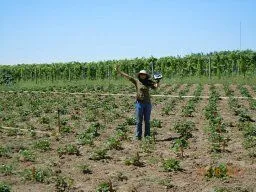
Legumes are plants belonging to the bean family (Fabaceae), which also includes peas and lentils. Legumes have the ability to fix atmospheric nitrogen in the soil so that it can be used by plants. The farmers will grow their primary commercial crop, such as corn or wheat, in one season, and then alternate that field space with a non-commercial cover crop, such as clover or field pea, which helps boost the soil’s organic content and fertility.
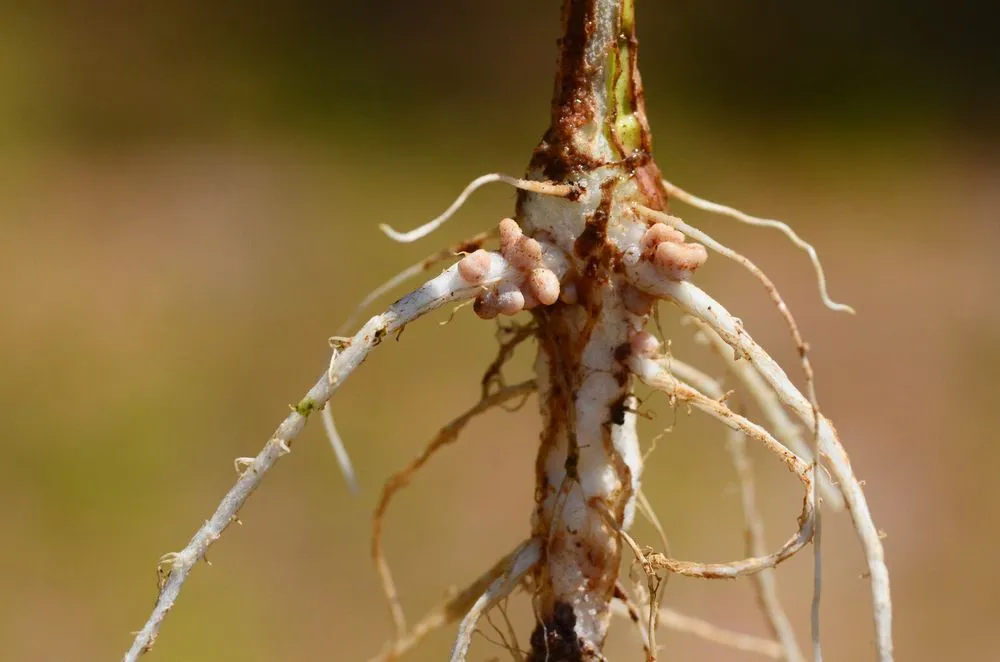
Symbiotic bacteria (rhizobia) present in nodules in the roots of leguminous crops absorb nitrogen from the air and convert it into ammonia, which is the form that plants can use. This nitrogen does not become available all at once. Most of it stays locked inside the plant tissue and is released gradually for the next crop as the residue breaks down in the soil.
At the end of the season, the cover crops are tilled into the soil, where the decaying crop residues improve the soil’s organic matter content even further. They are an efficient way to recycle nutrients. How much nitrogen a legume cover crop fixes depends mainly on how much biomass it produces, so the figure varies widely. A well-grown stand can fix roughly 56–168 kg of nitrogen per hectare (50–150 lb/acre), but a thin stand in a short window may fix less than 34 kg/ha (30 lb/acre), and only part of that nitrogen reaches the following crop.
Cover Crops Also Help In Other Ways
Cover crops do a lot more than just restore nitrogen in the soil.
Farmers often leave their fields barren between crop cycles. When fields are barren, rainwater washes away the top soil. Not only does this reduce the fertility of the land, but it also leads to pollution of groundwater when the eroded soil, along with leftover fertilizers and pesticides, washes into streams and other water bodies. Cover crops help to reduce soil erosion because their roots bind to the soil and hold it together, preventing rainwater from washing away this soil.
Diseases and pests survive in fields when they have a host species to continue their life cycle. If the cover crop is not a typical host of the pathogen, these intermediary crops can also help break the disease cycle and reduce disease pressure in the subsequent crop. Lower disease pressure will mean a reduced need for pesticide, which will translate to lower costs and a safer environment.
Cover crops also increase the amount of water that enters the soil. They do this by maintaining permeability of the soil surface and improving soil structure.

Choice Of Cover Crop Is Important
It is important to consider the purpose of growing cover crops before deciding which species to grow. The most commonly used cover crops are legumes, as they fix nitrogen in the soil. If the purpose is to improve the organic content of the soil, then legumes are the best option. However, depending on your requirements, there are other species that can be grown.
For example, if a farmer has a short window between successive crop cycles and wants to grow a cover crop to stop soil erosion, improve soil structure, and/or control pests and diseases, then a fast-growing grass or some other species with an extensive root system can be grown.
Cover crops help reduce the disease pressure and reduce the use of pesticides. However, cover crops can be reservoirs of pests, such as rodents and insects, so this issue needs to be managed properly.
Farmers in drier regions need to consider water availability. Growing cover crops requires water. Farmers in arid regions must consider whether they have adequate water supply, and may be better off choosing a species that is drought tolerant.
There is also the added labor cost for tilling, sowing, and maintaining the cover crop. If not properly managed, cover crops can persist as weeds during the subsequent crop.
Conclusion
Synthetic nitrogen fertilizers are used because the nitrogen is easily available to the plants and they require less investment in terms of farm management. However, there are downsides to synthetic nitrogen fertilizers, including the environmental impact due to use of fossil fuels and groundwater pollution. Cover crops are an efficient alternative that can similarly improve soil organic matter content. These crops also have added benefits that improve soil quality and reduce disease pressure.
References (click to expand)
- UC Sustainable Agriculture Research and Education Program. 2017. "Cover Crops." What is Sustainable Agriculture? UC Division of Agriculture and Natural Resources.
- Nitrogen | Key Nutrients | Mosaic Crop Nutrition.
- Role of Phosphorus in Plants.
- Cover Crops at Work: Increasing Infiltration - SARE.
- Cover Crops and Crop Rotation. USDA People's Garden.
- An introduction to cover crops.
- Is Nitrogen Fixation Oversold with Legume Cover Crops? CropWatch, University of Nebraska-Lincoln.