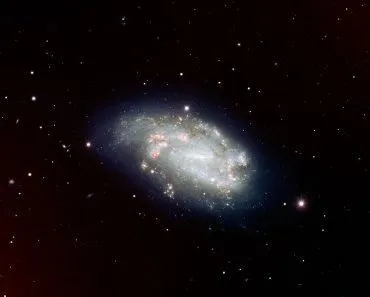
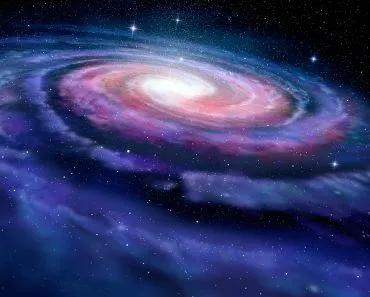
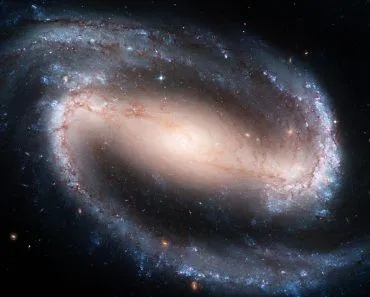
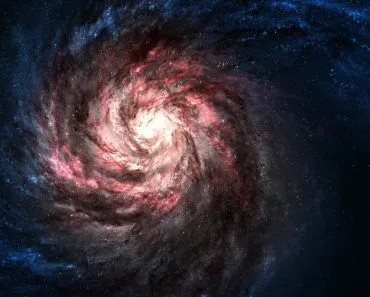
Extragalactic systems are objects that lie beyond our own Milky Way, from neighboring galaxies like Andromeda (2.5 million light-years away) to the most distant galaxies at the edge of the observable universe. Studying them, the work of extragalactic astronomy, helps us decode dark matter, black holes, and how galaxies form and evolve.
From one perspective, the world we know of somewhat ends at the boundary of the Milky Way. It may seem like anything outside that hypothetical limit cannot affect us and is basically irrelevant. All the other galaxies and their subsequent entities are spread across hundreds and thousands of light-years. However, understanding these entities can help us comprehend where we came from and where we’re headed.
What Are Extragalactic Systems?
Extragalactic systems are systems containing objects that lie outside the Milky Way. The branch of astronomy that deals with this massive region of space is called Extragalactic Astronomy.
In other words, it is the polar opposite of Galactic Astronomy. The galaxies that make up the Local Group (the closest group of objects in our vicinity) can be observed in great detail. As modern scientific advancements have reached their zenith, it is now possible to even look out for very distant objects at the edge of the ‘OBSERVABLE’ universe.
There is endless scope in discovering new things, as this field of research provides insight on various subjects. Topics like black holes and galactic evolution are very relevant here. It has now become possible to understand how certain phenomena like gravity exist outside the Milky Way. Observing the farther-out galaxies gives us a glimpse of our own history.
What Are The Core Constituents Of A Galaxy?
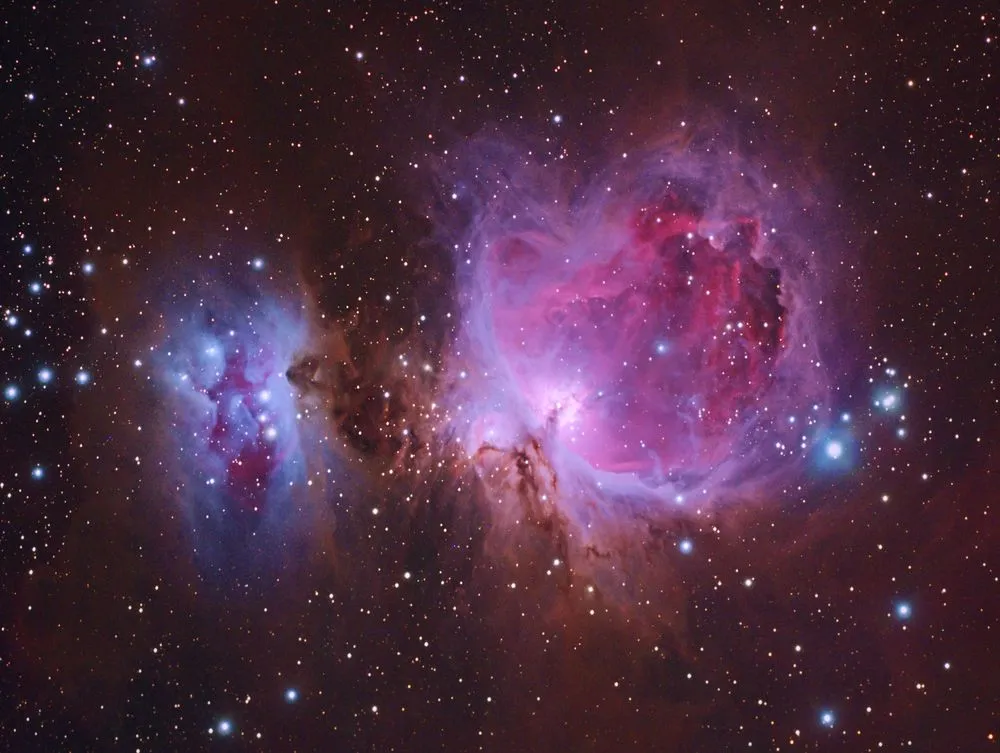
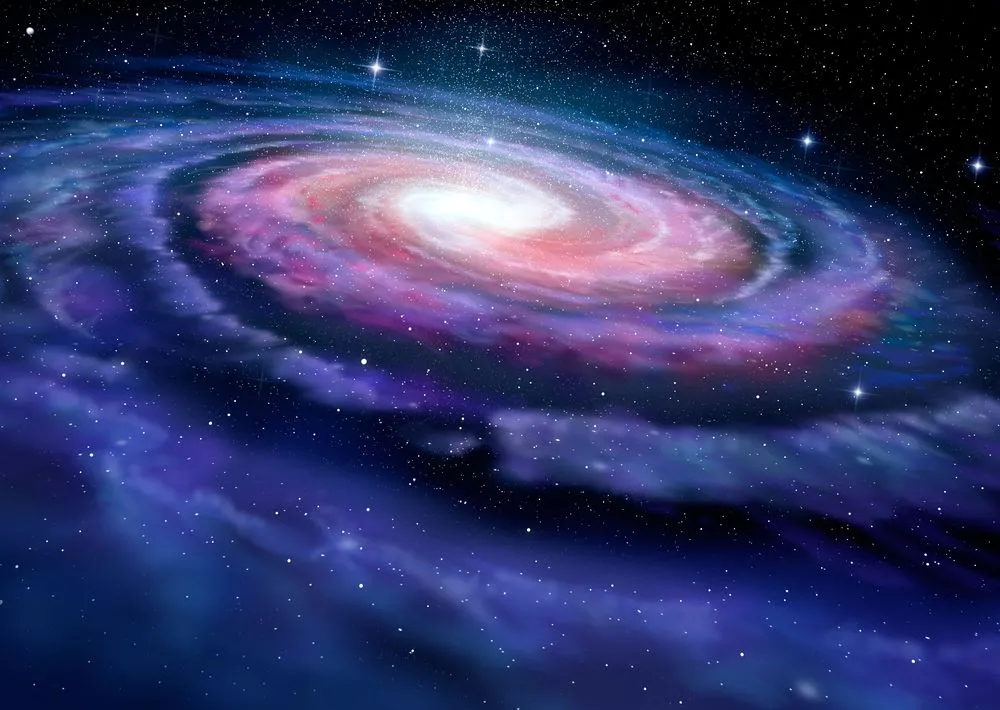
Most galaxies, irrespective of their shape, consist of a few common parts:
- The nucleus of the galaxy
- A central bulge
- A disc-like structure (thin and thick)
- Arms of the galaxy
- A component of the galaxy that stems from the individual shape
- A halo-like structure
These elements are found in all galaxies, but their configurations set them apart from all others. These characteristics are responsible for the way a galaxy functions and how we view it from Earth.
Some Extragalactic Systems In Our Vicinity
- Canis Major Dwarf – distance to the center of galaxy – 0.025 million light-years (satellite to the Milky Way)
- Draco II – distance to the center of galaxy – 0.0701 million light-years (satellite to the Milky Way)
- Barnard’s galaxy NGC 6822 – distance to the center of galaxy – 1.630 million light-years (consists of massive H II regions)
- GR 8 (DDO 155) – distance to the center of galaxy – 7.9 million light-years (a footprint galaxy)
- NGC 4214 (UGC 7278) – distance to the center of galaxy – 9.58 million light-years (a ‘starburst galaxy’)
- NGC 404 – distance to the center of galaxy – 10.0 million light-years (also called the ‘Mirach’s Ghost’)
It is interesting to note that most galaxies further serve the purpose of being satellites of bigger galaxies. So, while they’re separate entities, they are also used to study the properties of their neighboring galaxies. For example, the Milky Way alone has more than 60 confirmed satellite galaxies, and that tally keeps climbing as deeper sky surveys turn up fainter ones. Andromeda is the next biggest galaxy in line, with almost the same number of dwarf galaxies circling it.
Importance Of Studying Extragalactic Systems
- They help reveal the nature of formation of dark matter halos and the consequent shapes they take
- The massive ionization that the universe goes through every time a black hole feeds on its galaxy. This particular phenomenon sheds light on the molecular nature of each galaxy and what sets it apart from others
- The light emitted by these galaxies can help us observe clusters of dark matter as they reverberate and get absorbed by various objects
- We can easily determine the gravitational mass of these galaxies by studying the light coming from them, which helps in analyzing the structure of the observable universe, to some extent
- A precise measurement of the size and gravity of the primary black hole in these galaxies can be found by studying their respective chemical emissions
- With the help of radio telescopes, the quantity and types of missing gases between stars can also be found
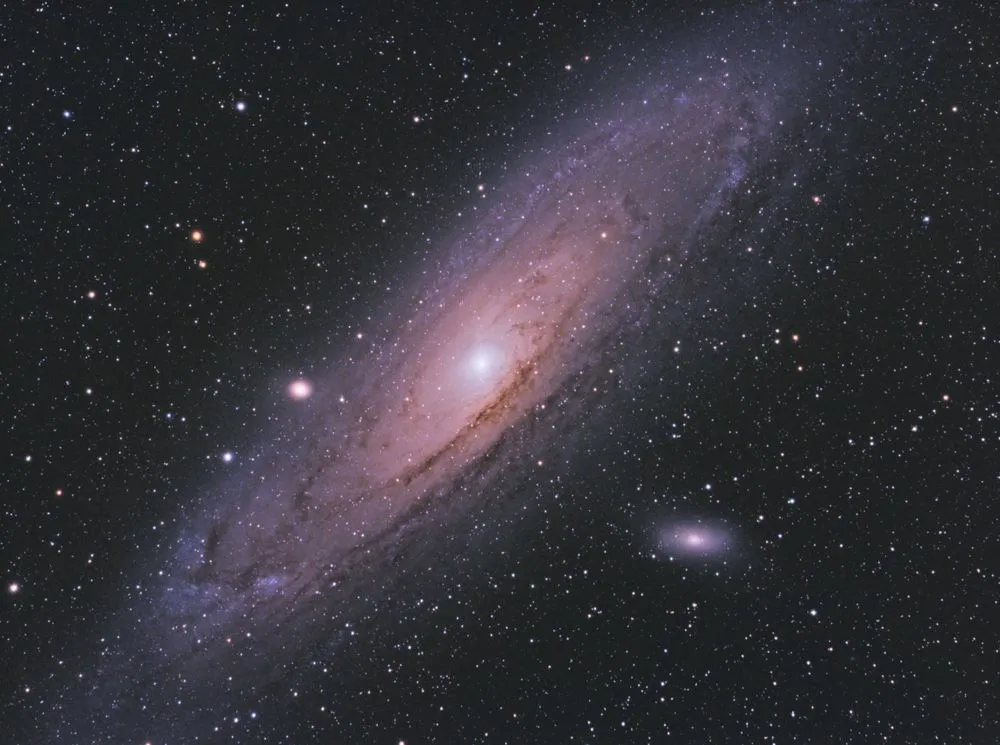
The Galaxy Next Door – Andromeda
The Andromeda galaxy is 2.5 million light-years away from the Milky Way and is a massive spiral galaxy. Andromeda and our own Milky Way are the mightiest galaxies in the local group. Both have multiple satellite galaxies and span a whopping 100,000+ light years.
Will Andromeda and the Milky Way eventually collide? This was the question posed by the masses after the astronomer Vesto Slipher discovered, back in 1912, that the Andromeda galaxy seems to be moving towards our Milky Way at quite a healthy speed. Upon studying its radial velocity (its motion straight towards or away from us), Slipher found that the galaxy was racing toward us at roughly 300 kilometers per second (about 670,000 miles per hour) relative to our Solar System. Relative to the center of the Milky Way, that closing speed works out to about 110 kilometers per second (around 250,000 miles per hour).
For a long time, astronomers assumed this meant a head-on collision was essentially guaranteed in about 4 to 4.5 billion years. That picture has recently changed. A 2025 study published in Nature Astronomy, drawing on the latest data from NASA's Hubble Space Telescope and the European Space Agency's Gaia mission, found that the merger is far from certain. Once the gravitational tug of nearby galaxies like the Large Magellanic Cloud is folded in, the two giants have only roughly a 50-50 chance of colliding within the next 10 billion years, and just a 2 percent chance of a direct hit in the next 5 billion. If and when such a collision does take place, there will be groundbreaking changes in the behavior of gravity in both galaxies, and they may even merge to form one giant galactic system.
The vastly unexplored universe has an unimaginable amount of stars and other objects within it. Our study of extragalactic systems so far has explained some dark matter characteristics and havens, and has also revealed information about how certain proximate galaxies were formed. Further studies are being done to determine the relevance of galactic systems in context of the Milky Way. Their past, present and path to the future tell us a lot about our very own story!
References (click to expand)
- Galaxy - Extragalactic, Nebulae, Stars. Encyclopaedia Britannica
- Extragalactic pioneer | UCI News. The University of California, Irvine
- Extragalactic astronomy - Steward Observatory. Steward Observatory
- No certainty of a Milky Way-Andromeda collision. Nature Astronomy (2025)
- Canis Major Dwarf Galaxy. Encyclopaedia Britannica