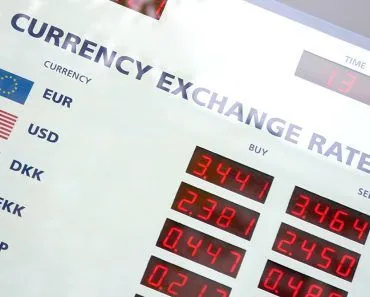
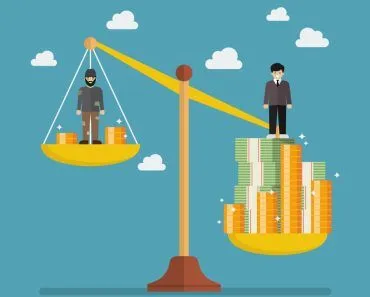
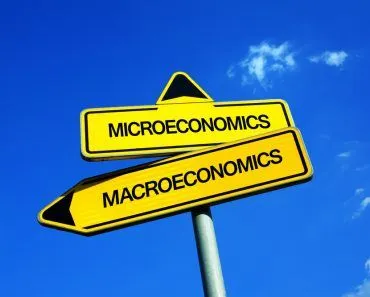
No. The price of a commodity is set by the interaction of both supply and demand, meeting at the equilibrium price, not by quantity demanded alone. Governments can override that market price through price controls like rent ceilings, and producers nudge it using price discrimination and bundling.
Many factors determine the market price of any commodity, and quantity demanded is not the only one. In a free market, the price you actually pay is set where supply and demand meet, the point economists call the equilibrium price. Demand pulls the price one way and supply pulls it the other, so neither side decides the price by itself. On top of that, a consumer's tastes and preferences (brand loyalty, for instance) can shape their purchasing behavior, keeping them willing to pay a high price even when very little is sold.
Adam Smith, known as the father of Economics, was one of the earliest thinkers to distinguish between a commodity’s market price and its natural price.
In his words, the natural price of any commodity is the sum of the input costs borne by the producer. By input costs, he meant the cost of land (rent), cost of labor (wages), and cost of capital (interest and profits). These costs are not merely the result of the forces of demand and supply. He adds that it is also determined by the ‘general circumstances’ of the society. Ergo, the costs of labor, land and capital vary from place to place. There is no universal wage rate or interest rate. They vary due to factors ranging from regulations to input quality and other societal circumstances.
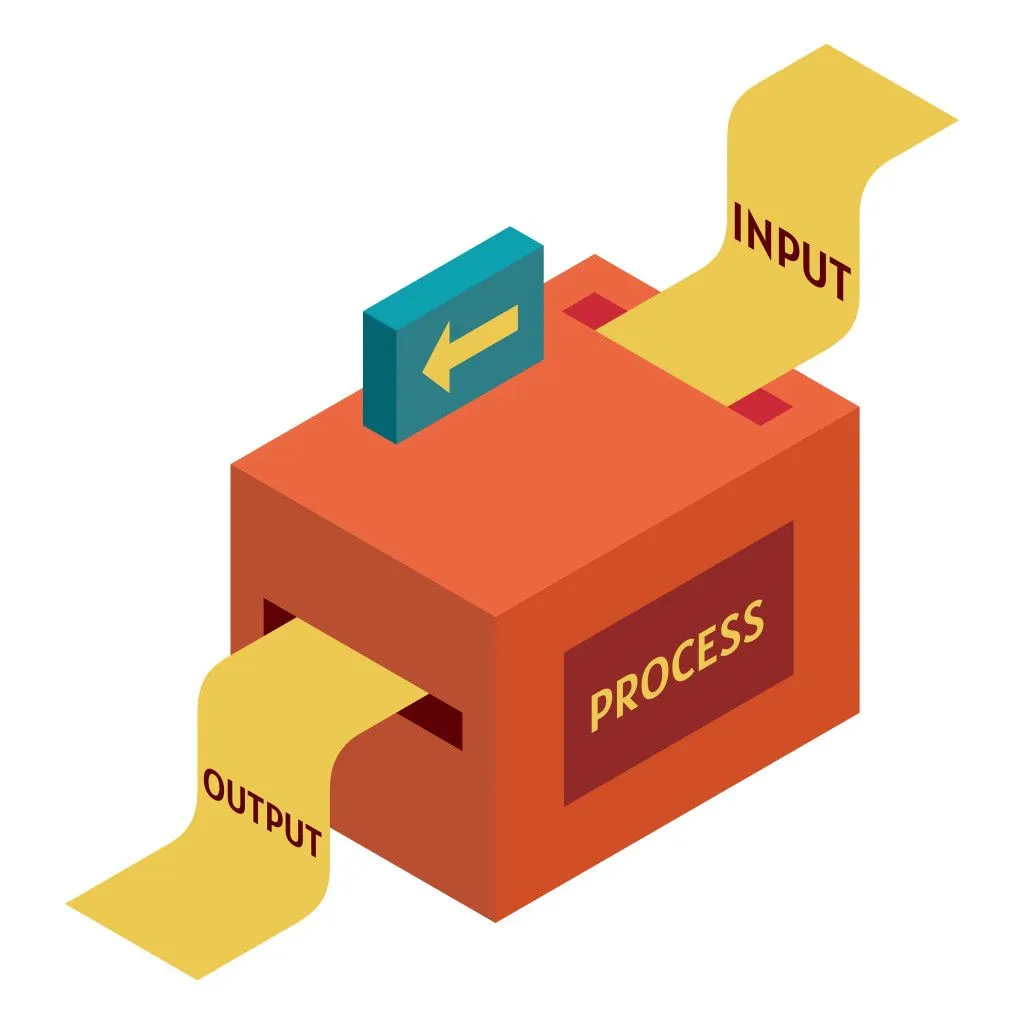
However, what remains true is that the natural price is the sum of the costs of inputs incurred by a producer or an entrepreneur. It is unaffected by demand and supply, and is the price that is ‘neither more nor less than what is sufficient’ to keep the inputs running. Suppose a commodity is sold at its natural price. In that case, the producer is just getting his bare minimum to keep the production ongoing.
What Is The Market Price Of A Commodity?
The market price of a commodity is the price paid by the consumer when they purchase it. The natural price can be above, below or equal to the market price.
The market price is above the natural price when the quantity demanded exceeds the quantity supplied and vice-versa. As mentioned above, the natural price is the minimum price a producer must receive for his product. Suppose market prices are persistently below the natural prices. In that case, the producer will run into losses and be forced to shut their business.
However, fluctuations in prices due to demand and supply cannot be the only way that the prices of a commodity are determined in the market. Think of famines. What would happen if these forces decided the prices of necessary commodities, like food grains, even in such a precarious situation? The masses would die of starvation due to inadequate food supplies.

Similarly, even marketers influence the market price of their commodity through various tricks, apart from offering deep discounts.
Any producer’s goal is to keep a commodity’s market price, through various means, above its natural price, as this would mean additional profits being accumulated!
How Does The Government Influence The Prices Of Necessary Goods?
Necessary goods are the ones essential for survival. Water is universally a necessary good, but the rest of the list is contextual: in the United States and across much of the West, staples like bread, milk, gasoline and rental housing fall into this category.
When the price of a necessary good climbs to exorbitant levels, the government can step in. One option is to set a price ceiling, a legal maximum price above which the good cannot be sold. This is a direct form of price control, and rent control is the classic example. A different tool is to act as a large-scale buyer: the government purchases vast quantities of a good when it is cheap and releases that stock to the public at a discounted rate when supply tightens. This buffer-stock approach holds prices down by adding to supply rather than by outlawing high prices. Either way, think of disasters like floods and famines, and the dangerous price gouging that could otherwise follow.

Rent control is the most familiar price ceiling at work. As of 2024, more than 300 US municipalities, along with statewide programs in California and Oregon, regulate residential rents. These rules cap the rent a landlord can charge and limit how fast it can rise, often tying the annual increase to the local consumer price index. So rather than letting demand alone set the figure, a rent-controlled price is determined by a legal formula laid down by the city or state.
Irrespective of the demand for such commodities, the government intervenes in the market either as a buyer or a regulator to maximize welfare among its citizens through redistribution.
How Do Producers Influence The Sales Of Their Products?
The standard tricks of offering deep discounts to customers for purchasing large quantities, pricing commodities based on competitors’ prices, and bundling different types of goods are common tactics that producers use to influence the demand for their products.
Another technique producers employ is charging different prices to different groups of customers. Economics calls this third-degree price discrimination. A theme park, for instance, charges one price for children and another for adults. The logic is that each group has a different price sensitivity, so the seller can charge the more price-sensitive group less while still collecting a higher price from everyone else.
Another example is the different subscription charges for software purchased by a student, a not-for-profit organization, or a multinational company.
The producer is trying to attract more users and maximize their profits by charging different prices, irrespective of demand.
Conclusion
As explained above, governments and commodity producers employ various techniques to intervene in the market. This intervention is dependent on their motive. The government’s motive is their citizens’ welfare. To maximize welfare, regarding goods that are necessary for survival and not accessible to the majority of the population, the government often intervenes in various ways to regulate its price.
Commodity producers, by contrast, are out to maximize the market share and profits of their product. They study customer behavior and lean on tactics like price discrimination and bundling, not just lower prices, to nudge sales in their favor.
So the next time you wonder what sets a price, remember that quantity demanded is only one piece of the puzzle. Supply meets demand at the equilibrium price, and from there governments and producers both reshape that figure to suit their own goals.
References (click to expand)
- Smith A. (2021). The Wealth of Nations. Pharos Books
- Varian H. R.,& R H. (2010). Intermediate Microeconomics : A Modern Approach, 8/e. A. E. W. P
- Price Controls: How the US Has Used Them and How They Can Help Shape Industries. The Roosevelt Institute
- D. Andrews. Adam Smith's natural prices, the gravitation metaphor, and the purposes of nature. World Economics Association
- Public goods for economic development. The United Nations Industrial Development Organization