Table of Contents (click to expand)
Gender fluid means a person's gender identity or gender expression is not fixed but can shift over time, sometimes from day to day. It is a form of gender identity, not a sexual orientation. Singers Miley Cyrus and Sam Smith are well-known examples of people who describe their gender this way.
We live in a society that is gradually opening up to different gender identities and expressions beyond gender binaries. The old-school belief that gender has only two poles, male or female, is increasingly seen as outdated. Everyone is now familiar with the LGBTQ+ acronym, which continues to gain more letters with every passing year. However, were you aware that apart from these myriad expressions and the complicated dynamic between sex and gender, there is yet another interesting element that many people overlook?
Gender Fluid
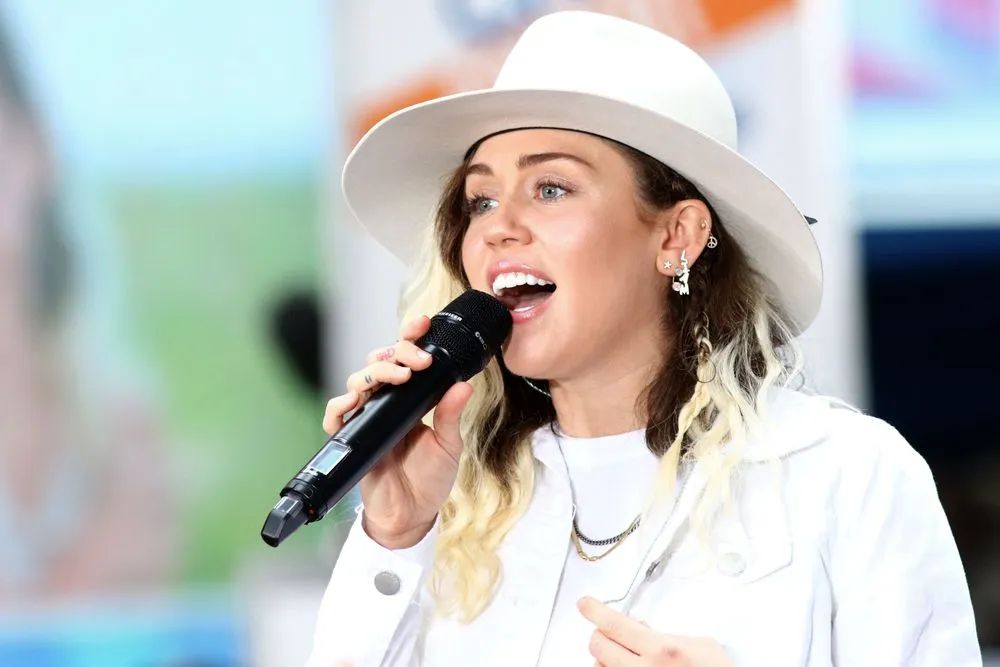
Gender fluidity is the idea that gender is not a fixed point but a characteristic that can shift over time. More precisely, as Harvard Health puts it, gender fluidity refers to change over time in a person's gender identity, their gender expression, or both. It is a form of gender identity, so it is separate from sexual orientation, which describes who a person is attracted to. It is also distinct from being cisgender, where someone's gender identity simply matches the sex they were assigned at birth.
To make it simpler, a gender-fluid person might feel like a man one day, a woman on another, both at once, or neither at all. Their gender expression can change to match. Examples of well-known people who have described themselves as gender fluid or non-binary include Miley Cyrus, Sam Smith, and Ruby Rose. Some adopt the pronouns ‘they/them’ instead of ‘he’ or ‘she’.
Understanding The Gender Spectrum: LGBTQQIAAP
And you thought society stopped at LGBTQ… Before understanding how people can be fluid in their gender identity and expression, it helps to step back and look at the wider spectrum of identities the acronym covers. A quick note before we start: this list mixes two different things. Some of the letters describe sexual orientation (who you are attracted to), while others describe gender identity (your own inner sense of gender). LGBTQQIAAP is certainly a long list, but not an exhaustive one. Let’s dive in!
L – Lesbian, a woman who is attracted to other women (e.g., Ellen DeGeneres)
G – Gay, referring to men who are attracted to other men, also known as homosexuals. (e.g., Jim Parsons)
B – Bisexual, meaning a man or a woman who is attracted to both genders (e.g. pop singer Halsey and Twilight actress Kristen Stewart)
T – Transgender, meaning a person whose gender identity differs from the sex they were assigned at birth (e.g., Laverne Cox)
Q – Queer, a controversial word that some want to reclaim, while others find it offensive. This refers to someone who does not like the labels of homosexuality or heterosexuality (e.g., Janelle Monáe and Sia)
Q – Refers to questioning, someone who is still exploring their identity and sexuality and are not yet ready to ‘label’ themselves.
I – Intersex, a person born with variations in physical sex characteristics, such as chromosomes, hormones, or reproductive anatomy, that don't fit typical definitions of male or female.
A – Allies, as the word suggests, are people (often straight and cisgender) who support the LGBTQ+ community.
A – Asexual, an individual who is not attracted to any gender in a sexual manner.
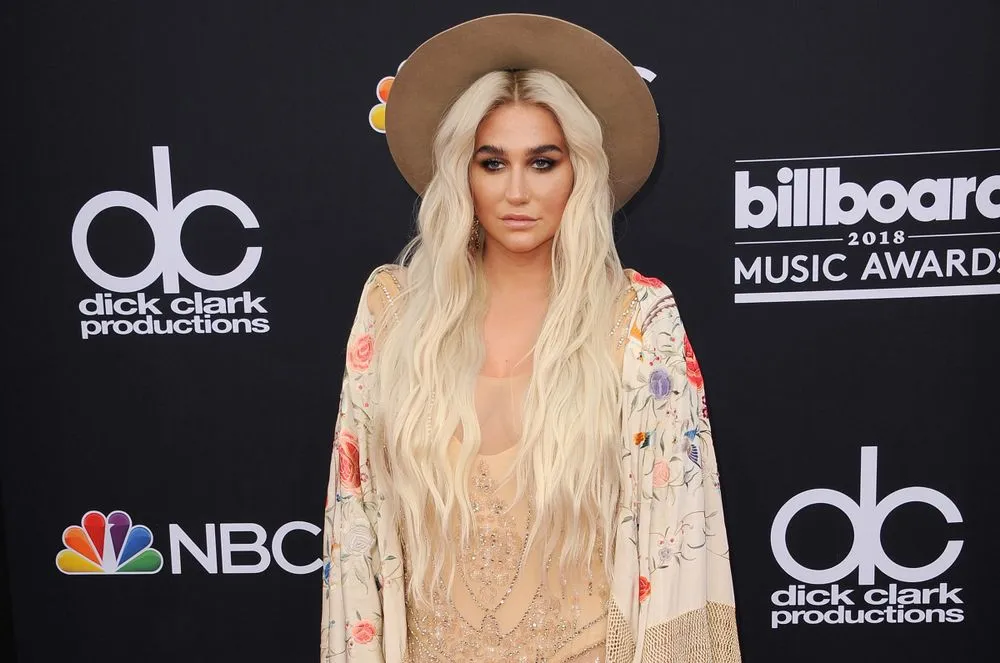
P – Pansexual, a person whose attraction is not limited to any particular gender (e.g., Brendon Urie and Kesha)
Gender fluidity belongs to the gender-identity side of that spectrum. It describes people whose sense of their own gender does not stay fixed to a single label over time.
Gender-fluid people fall under the broad transgender and non-binary umbrella of LGBTQ+, but the reverse is not true: most LGBTQ+ people are not gender fluid. Some discover an identity and stick with it for life, while others find their sense of gender keeps shifting.
Gender Identity, Gender Expression And Sexuality
After understanding the gender spectrum, one also needs to understand on what basis they are categorized. Sex, gender, sexuality (or sexual orientation), gender identity, and gender expression all mean different things. Sex refers to the biological label of male or female assigned at birth, based on anatomy, hormones, and chromosomes. Gender refers to the set of roles, attitudes, and behaviors a society associates with a particular sex.
Gender Identity – Gender identity refers to an internalization of the individual of being a man, woman, both or none. It has no connection with the sex of the individual or compliance with the gender roles expected by society. For example, a man is born a male, and is expected to behave like a ‘man’, but internally ‘he’ identifies ‘himself’ more like a female. Or a woman who behaves like a ‘tomboy’ internalizes being a ‘man’ and not a ‘woman’. Or there are individuals who do not want to comply with any specific gender roles.
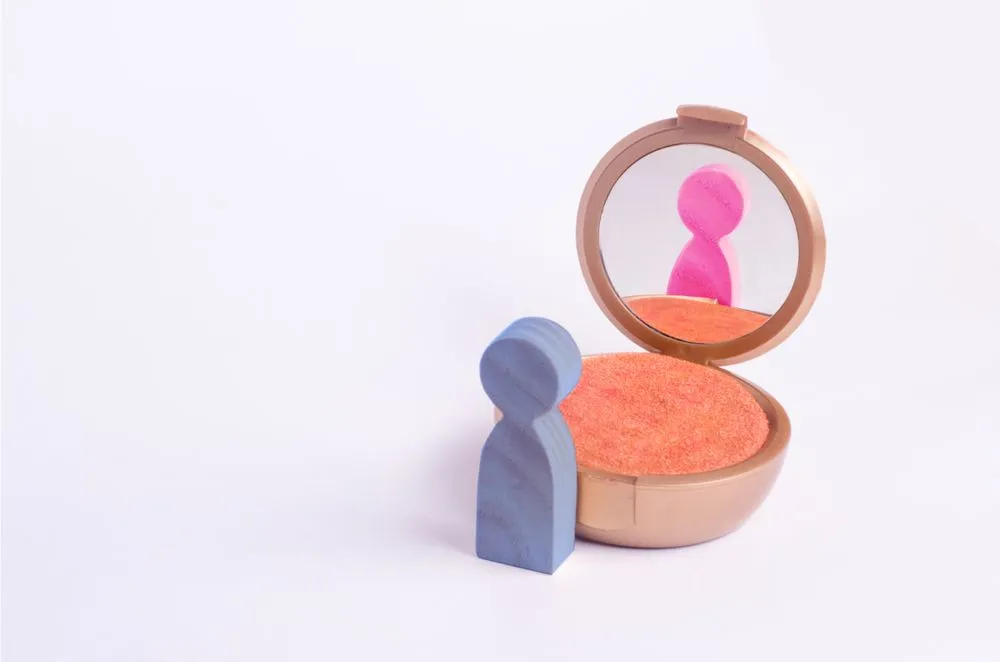
Gender expression – Gender expression refers to the outward display of gender, which includes dressing, manner of speaking and gestures, attitudes, and behaviors. Once an individual has internalized a gender, they often begin expressing it in their actions. However, even if an individual has not identified themselves, they can express themselves differently until they find their identity. It works both ways.
Sexuality or sexual identity or sexual orientation – Sexuality refers to the attraction or lack of attraction of an individual towards a particular gender. It refers to a person’s romantic and sexual involvement based on the gender of their partner.

Gender can be very confusing! Apart from a person's own questions about their gender, the idea of gender being fluid rather than fixed can also confuse the people around them, sometimes leading to conflict. When the mismatch between one's gender identity and assigned sex causes significant distress, clinicians describe it as gender dysphoria. Despite the many terms involved, the takeaway is simple: an accepting attitude and equal treatment matter, not just for women but for the entire LGBTQ+ community. Pop culture has started to reflect this too. Marvel's Loki, long depicted as genderfluid in both Norse mythology and the comics (made explicit in 2014), was officially confirmed as genderfluid in the 2021 Disney+ series Loki, where his Time Variance Authority file lists his sex simply as "Fluid."
References (click to expand)
- Gender fluidity: What it means and why support matters. Harvard Health Publishing.
- Answers to your questions about transgender people, gender identity, and gender expression. American Psychological Association.
- Terminology. Adolescent and School Health. Centers for Disease Control and Prevention (CDC).
- Between the (Gender) Lines: the Science of Transgender Identity. Science in the News, Harvard University.
- We know what LGBT means but here's what LGBTQQIAAP stands for. BBC.