Friday and the number 13 were each considered unlucky long before they were paired. Christian tradition tied 13 to the Last Supper and Friday to the crucifixion, while Norse myth blamed the trickster Loki. The combined "Friday the 13th" superstition only appears in writing in the 1800s. The famous 1307 arrest of the Knights Templar is a popular but unproven origin.
For all those who subscribe to a particular brand of horror movies, particularly those that rely on Western superstitions and folklore, Friday the 13th elicits a rather unpleasant discomfort. While popular fiction has thoroughly mined the date's associations with Jesus’ Last Supper and crucifixion, along with older pagan myths, this article will dwell on its association with the Templars, also known as the Knights Templar, and the Order of Solomon’s Temple, among many others (an organization with its own cult following). As we'll see, that association is more a case of dramatic timing than documented cause.
Where Does The Fear Of 13 And Friday Come From?
Before we get to the Templars, it helps to untangle two superstitions that grew up separately. The dread of the number 13, formally called triskaidekaphobia, has deep roots. In Christian tradition, 13 people sat at the Last Supper, with Judas Iscariot often cast as the unlucky thirteenth guest, and the betrayal that followed has long made a table of 13 feel like a bad omen. Norse mythology offers an eerily similar story: the trickster god Loki turns up uninvited as the thirteenth guest at a banquet in Valhalla, setting in motion the death of the beloved god Balder.
Friday carried its own gloom in Christian Europe, largely because Good Friday, the day of the crucifixion, falls on it. Pair an unlucky day with an unlucky number and you would expect instant dread, yet that is not how the history reads. Folklorists point out that there is no written record of Friday and 13 being feared together until the 19th century, with an early mention surfacing in 1830s France. In other words, the combined superstition is surprisingly modern, which makes the popular medieval origin stories worth taking with a pinch of salt.
Who Were The Knights Templars?
The Knights Templar were a Catholic military order of knighthood. They were professional cavalrymen who were tasked with the conservation of religious values, due to their monastic lifestyle. They maintained both military and religious capacity.
The group was created during the Christian Crusades in the early 12th century to protect the Holy Land, Jerusalem and the pilgrims who journeyed to it. Eventually, they gained significant wealth and therefore political capital and influence, despite having to take a vow of poverty, renunciation, chastity and other severe abstinences.
They were given donations by kings and nobles, however. Once they reached the peak of their power, their wealth incurred the envy and eventually the wrath of the kings of Europe.
The Templars have had a long legacy, but as an organization, they were short-lived, lasting barely 200 years. Within this short span of time however, they were able to gain notoriety that remains almost unparalleled today.
The Templars And Friday The 13th
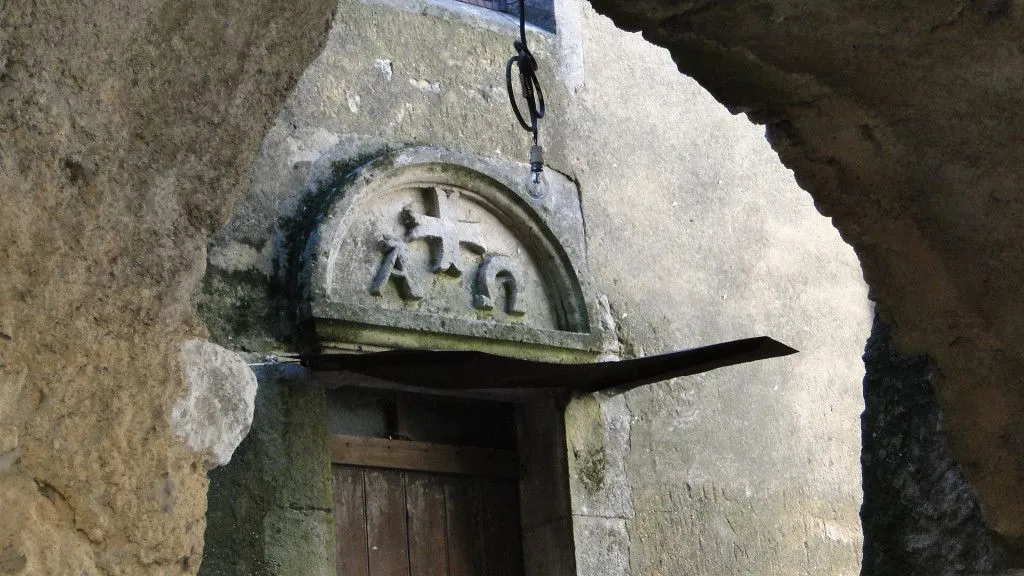
On Friday the 13th in October of 1307, the King of France, Philip IV, ordered that the Templars be arrested, and their property be seized. In the 14th century, the conduct of a good Christian (and the Templars were supposed to be ideal Catholics) and the fear of witches, heretics and demon-worshippers had ignited the imaginations of all sorts of people. Capitalizing on that, Philip IV alleged that the Templars were guilty of crimes both in the Christian and secular sense of the word. It was the former that drew most of the attention.
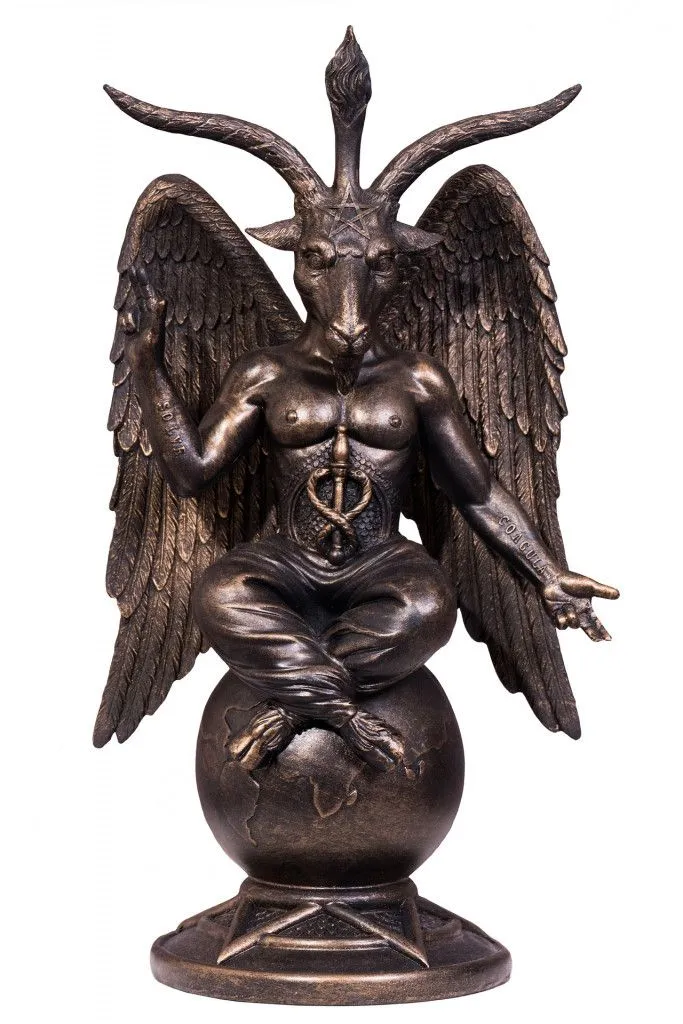
The Templars were charged with heresy (a crime that involved practicing Catholicism in a way rejected by the Church) and immorality (which included debauchery, indulgence in food and wine, and homosexuality). As heretics, they were supposed to have renounced Christ, spat on a crucifix and performed a convoluted initiation rite. They were accused of worshipping idols, cats and bearded figures identified with Baphomet.
An Inquisition Of Its Own Making
Philip’s actions seem to have been motivated by the fact that he was a pious Christian who saw the Templars as a threat, and that their immense wealth and power, which would be up for grabs once the order dissolved, would help his own cause. He therefore launched something similar to an inquisition against the Templars.
The knights were rounded up, arrested and tortured brutally to extract confessions from them. Under the pain of death, even the head of the order, the Templar Grand Master Jacques de Molay confessed to the charges leveled against him. Molay, who would later recant his confession, would be burned on the stake as an unrepentant heretic. Philip, however, did not get the money he thought he would. The Pope at the time, Clement V, prevented the Templar wealth from going to the coffers of the French treasury. They went to the Knights Hospitallers, another military order.
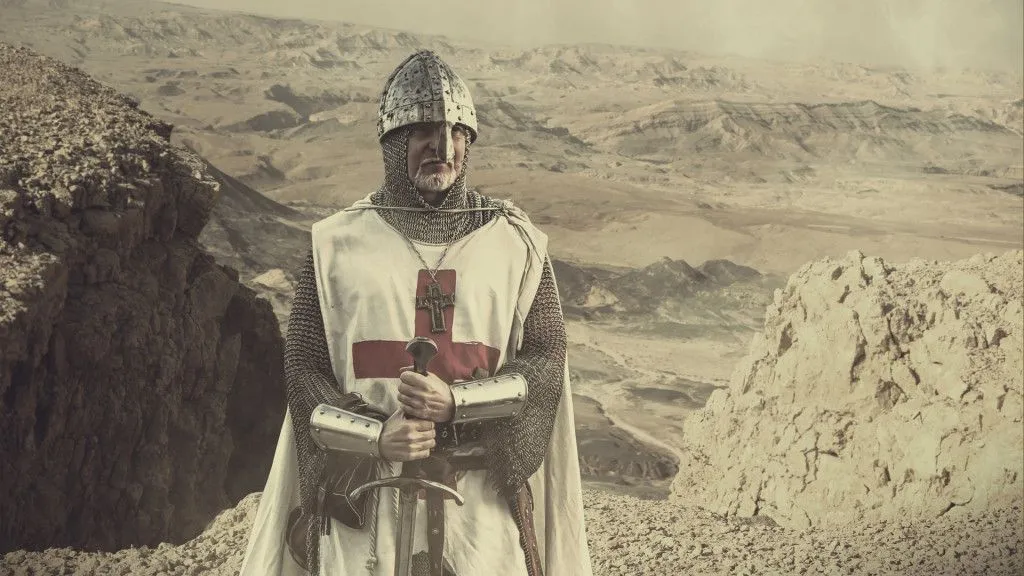
There would be other, less monumental trials in England, Ireland and Cyprus, and later on, the charges against the Templars would be revealed to have been baseless. The outcome of this witch hunt resulted in the arrest, torture, sham trial and deaths of many knights and the official dissolution of the order by the Pope. The manner and ambiguity in which the inquisition happened would go on to fuel rumors about the order going underground, rather than being destroyed.
Conclusion
Friday the 13th has, in recent times, gained both a cult following of its own and a phobia dedicated to it (paraskevidekatriaphobia, if you were wondering what it’s called, a tongue-twister coined by psychotherapist Donald Dossey from the Greek for Friday, thirteen and fear; you may also see friggatriskaidekaphobia, which swaps in Frigg, the Norse goddess Friday is named after). It seems slightly inconvenient to consider it unlucky, given that every year has at least one, and some years have a glut of them (2026 has three, in February, March and November). But here is the twist worth holding onto: as neatly as the 1307 arrest fits the date, historians can find no record of anyone linking Friday and 13 as a joint omen before the 1800s, and the idea that the Templar tragedy is the source of the superstition seems to be a 20th-century invention rather than a medieval one. The event is, in retrospect, a coincidence the legend later adopted, not the spark that lit it.