Yes, in moderation. By easing fear of the unknown and restoring a sense of control, a superstition can lower anxiety and boost confidence. This placebo-like lift in self-belief can even sharpen performance under pressure, which is why so many athletes keep a lucky charm or ritual close.
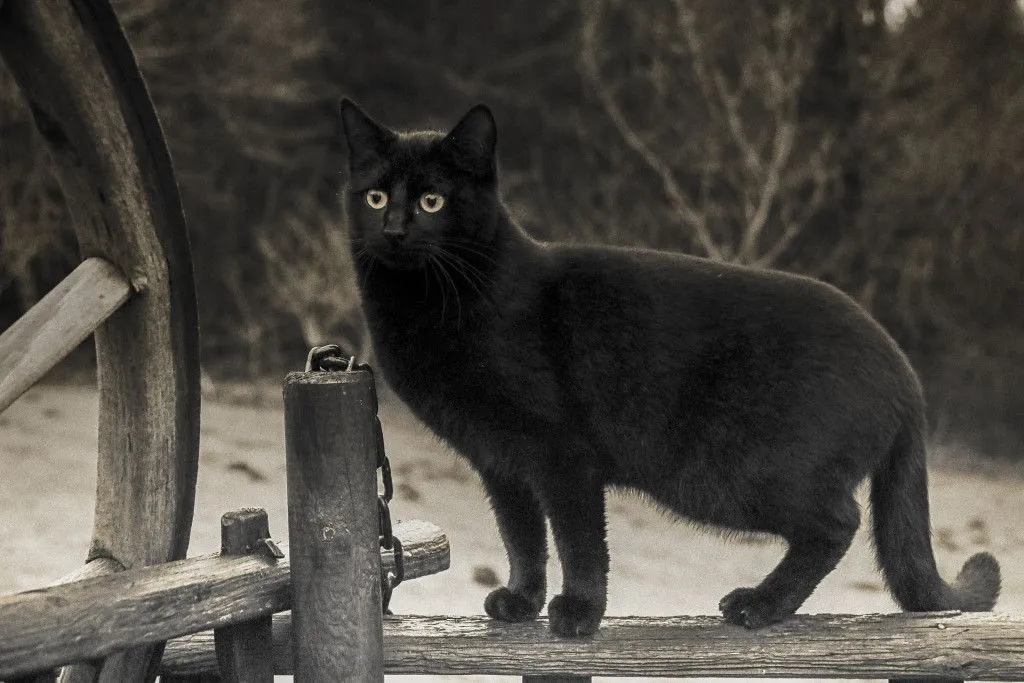
Luck, in all of mankind’s inquiries into its workings, has found many ways to manifest itself–black cats, the occurrence of the number 13, horseshoes, four-leaved clovers… the list is far too long to remember them all.
However, luck is perhaps out of vogue these days, as our scientific understanding of the physical world seems to be telling us that the black cat who crossed your path this morning has nothing to do with you spilling your tea all over yourself ten minutes later.
What Are Superstitions?
Superstitions are practices, beliefs and attributions that emanate from an alternate understanding of events, often inexplicable ones. They are seen as irrational, supernatural or unscientific by those who witness them from outside. To them, superstitions are more or less rooted in hocus-pocus, perceived magic and fatalism.
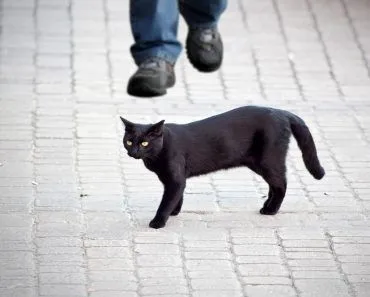
Superstitions are flawed perceptions of events that aren’t patently explainable. When there are holes in our cognition that have no rational answers, we fill them up with irrational ones. So, if you were walking on a street and a black cat crossed your path, and you spilled tea immediately after, you may start associating black cats with bad luck.
The next time our feline friend comes your way, and you then bump your head or stub your toe, your mind will immediately go back to the association and reinforce it as an explanation.
Psychologists call this accidental learning. In a famous 1948 experiment, B.F. Skinner fed hungry pigeons at fixed intervals no matter what they were doing, yet most of the birds began repeating whatever they happened to be doing when the food first appeared (turning in circles, bobbing their heads), as if that action had summoned the meal. Skinner argued that humans pick up superstitions the same way: when a chance action is followed by a good outcome, our brains can wrongly stitch the two together into cause and effect.
Can Superstitions Serve A Purpose?
Superstitions do serve a very important function when they are shared by a group of people, especially if the superstitions happen to be long-established ones. In a community that shares a superstition, the shared beliefs induce a sort of solidarity among its members. People generally tend to stick around and appreciate other people who validate their beliefs or actions by sharing them.
So, when an entire stadium of fans wears the same lucky jersey or refuses to jinx a no-hitter by mentioning it out loud, they are bonding over a shared belief and action. The same goes for knocking on wood to keep good fortune from slipping away, a habit passed down through generations.
Superstitions in this way have cultural or historical value, and therefore serve as a means to relate with one’s heritage and community.

Can Superstitions Be Beneficial?
Superstitions are two-faced. If you look at them in the short term, they bring comfort to those who believe in them. Much like a placebo effect, superstitions give some sort of reassurance, sometimes even acting as a scapegoat, when things aren’t going that well, and some sort of causal explanation when they are (in the sense of a good luck charm or activity).
Part of that comfort comes from what psychologist Ellen Langer named the illusion of control in 1975: when we face something random and stressful, behaving as though we can sway the outcome makes us feel less helpless, even when the ritual changes nothing. Knocking on wood before a flight or carrying a four-leaf clover into an exam does not touch the odds, but it can genuinely take the edge off the dread.
They induce a false sense of security, such that forces outside your control become responsible for what happens in your life. The only thing you can do then, is to appease, involve or avoid these forces in order to achieve what you want (for example, on the day of your next job interview, you avoid black cats).
In fact, to avoid the bad mojo of the supernatural, something that perhaps stems from the unknowable or unverifiable nature of what is beyond one’s control, superstitions produce a physical manifestation of an abstract idea, making it less scary.
Warding off bad luck by crossing your fingers, nailing a horseshoe above the door for good fortune, or hanging a dreamcatcher to keep nightmares at bay all work to ease the mind, rather than actually fighting off ill will and monsters.

Can Superstitions Be Detrimental To Those Who Believe?
In the long run, they can lead to stagnant opinions about events, in an unhealthy or fatalistic way, wherein accountability can be shifted from circumstance to supernatural (quite illogically too).
So, anytime you come to heads with a black cat and subsequently something unfortunate happens, your mind will straight away go back to the cat and blame it, instead of rationally and collectedly considering and understanding why things went wrong.
This is a problem, especially when the superstition in question propagates violence or cruelty. When superstitions harden into blind faith in forces beyond our control, they can encourage harmful or even violent behavior. They could start suppressing rational thinking in favor of actively ignoring science and common sense. Additionally, this blind faith can be exploited to manipulate those who believe.

Superstitions, however, need not be all bad. Sometimes positive superstitions (like finding a four-leaved clover) can lead to positive associations. It may be so that a superstitious (but fortuitous) event motivates and reassures that person. If an athlete, for example, finds that carrying a lucky charm helps her win, then by bringing the charm to her next match, she may feel calmer and more determined to perform better.
A 2010 study by Lysann Damisch and her colleagues offered a tidy explanation for this. Across tasks like putting a golf ball and solving anagrams, people who were told they had a lucky ball or were allowed to keep their lucky charm tended to do better, and the boost seemed to flow through confidence: the charm raised their belief in their own abilities (what psychologists call self-efficacy), so they set higher goals and stuck with the task longer. It is worth a note of caution that later attempts to reproduce these results have been mixed, so the effect may be smaller or less reliable than the original headlines suggested. Still, the underlying idea, that feeling lucky can quietly become feeling capable, is well supported.
Conclusion
Superstitions may make you feel protected and can come in handy when you need an immediate reason for something, but truth be told, a little introspection never hurt anyone. A dash of reality, along with a hint of the supernatural (based on individual preferences, of course) goes a long way.
References (click to expand)
- Ng, T., Chong, T., & Du, X. (2010, June). The value of superstitions. Journal of Economic Psychology. Elsevier BV.
- Speaking of Psychology: The psychology of superstition, with Stuart Vyse, PhD. American Psychological Association.
- Damisch, L., Stoberock, B., & Mussweiler, T. (2010, May 28). Keep Your Fingers Crossed!. Psychological Science. SAGE Publications.
- Levitt, E. E. (1952). Superstitions: Twenty-five years ago and today. The American Journal of Psychology. JSTOR.
- Skinner, B. F. (1948). ‘Superstition’ in the Pigeon. Journal of Experimental Psychology. Classics in the History of Psychology, York University.
- Keep Your Fingers Crossed! How Superstition Improves Performance. Association for Psychological Science.