Table of Contents (click to expand)
Yes, cooking changes the nutrients in food, but it is not always for the worse. Boiling leaches water-soluble vitamins (vitamin C and the B group) into the water, while steaming and microwaving retain more. Some nutrients, such as lycopene in tomatoes, actually become easier for your body to absorb once the food is cooked.
In this age of healthy eating, making the right nutritional choices is at the forefront of many minds, but people around the world also have very different ways of acquiring their calories. In Western countries, many foods are frozen, pre-packaged, or highly processed. Other parts of the world eat more fresh food, but may be lacking some key nutritional components. Shaping an ideal diet for health and wellness lies at the core of the global health and wellness food industry, now worth roughly 1 trillion dollars a year, so there are many differing opinions on the right design for your meals.
 In the course of a single day, you probably eat a range of hot, cold, pre-cooked, artificial, fresh and raw foods, which begs a very important question: does cooking your food in certain ways change the nutritional value?
General Effects Of Cooking On Food
When you expose your food to different cooking methods, it will change the nutritional makeup of the food, but this isn’t always a bad thing. Some methods of cooking will decrease the vitamin or mineral content, while others may make other nutrients more accessible, or easier to digest. When it comes to human evolution, anthropologists often point to our discovery of fire and subsequent ability to cook food as a turning point in humans becoming, well… us!
 So, while it is easy to say that cooking different meats and vegetables will impact the nutritional value, there are many more variables that need to be considered, such as the type of food, the ripeness, the temperature the food is exposed to and what method of cooking is used (i.e., frying, boiling, baking etc.). Understanding the effects of different cooking styles on certain types of popular vegetables will allow you to customize your diet and cooking patterns to achieve your nutritional goals!
Nutritional Effects Of Cooking On Vegetables
When it comes to cooking vegetables, we want our meals to taste delicious, but we also want to retain the nutritional value. Remember, vegetables are some of the richest sources of vitamins, minerals and antioxidants in our diet, so ensuring that those nutrients aren’t compromised is the primary goal.
There is little debate that boiling vegetables has the most negative effect on the nutritional value; not only do minerals and vitamins leach out into the water, but the sustained and all-encompassing heat will cause significant damage to antioxidants and reduce their free radical-scavenging ability. The biggest casualty here is vitamin C, the most fragile nutrient of all. It is both heat-sensitive and water-soluble, so it gets hit twice over, and boiling can wash away well over half of it (one study of kale measured a 63% loss from boiling alone). The B vitamins, especially folate and thiamin, leach into the water in much the same way.
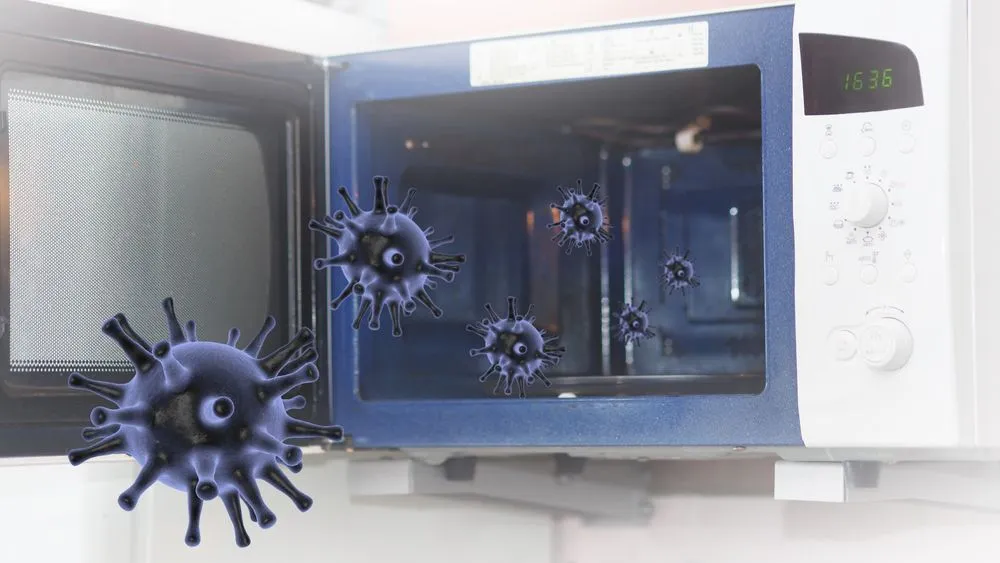
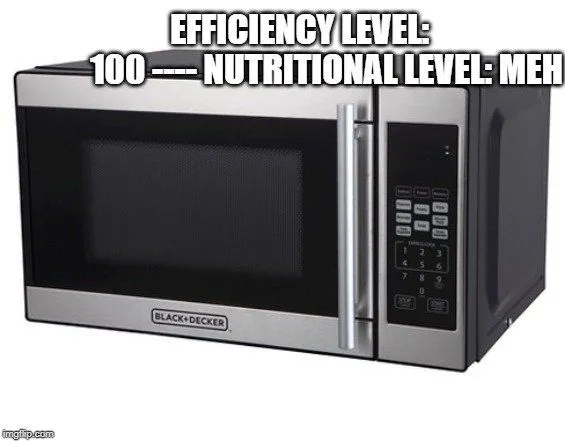
So what is a cook to do? The simplest fix is to keep the vegetables out of the water in the first place. Steaming is the gentlest method for retaining those water-soluble vitamins, since the food never sits submerged, and losses are typically a fraction of what you would see from boiling. Microwaving is another popular and rapid option, and doesn’t do much harm for vegetables like onions, spinach, garlic and artichokes. Its short cooking times and small amount of added water mean it actually preserves vitamin C quite well, despite its slightly undeserved reputation. And if you do boil, don’t pour all that nutrient-rich water down the drain, save it for a soup or stock.
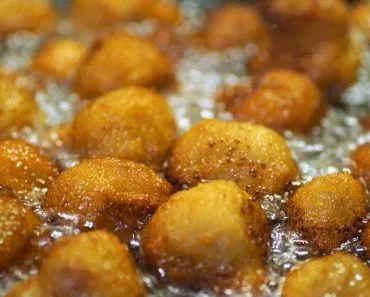
 Frying your vegetables isn’t a terrible option either. It can reduce some antioxidant levels, but using high-quality olive oil helps limit the loss of B vitamins and improves the body’s ability to absorb fat-soluble plant compounds. Pan-frying does lower vitamin C levels, yet it is certainly gentler than deep-frying, which greatly increases your intake of oils and fats and compromises the nutritional value with extreme, prolonged heat.
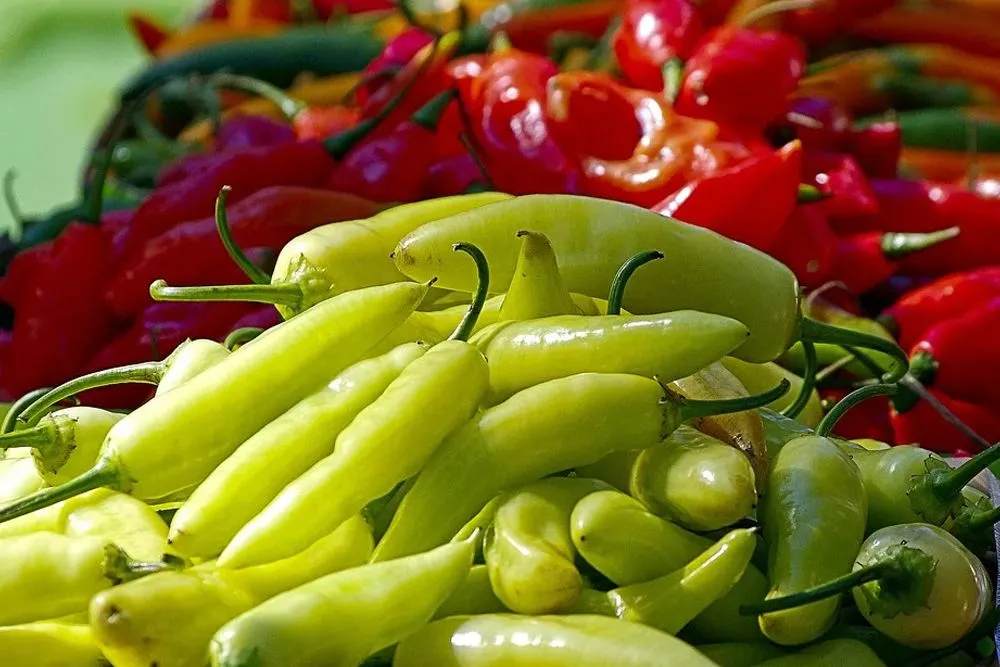
Some of the most hardy vegetables for cooking include artichokes, spinach, green beans, garlic, onions and beets, while others, if possible, should be cooked for a minimal amount of time, at low heat, and not with water. The best alternative, when it comes to some vegetables, is to eat them raw! Fresh vegetables have excellent nutritional value, so you can never go wrong with a crisp pepper straight from the garden in your salad.
That said, raw is not automatically the winner. Heat actually unlocks certain nutrients. The classic example is lycopene, the antioxidant that gives tomatoes their red color: cooking breaks down the plant’s cell walls and frees far more of it, which is why a simmered tomato sauce delivers more usable lycopene than a raw tomato. Because lycopene and beta-carotene are fat-soluble, a splash of olive oil helps your body absorb even more of them. A few vegetables also genuinely need cooking, raw potatoes, for instance, are packed with hard-to-digest starch and antinutrients that heat breaks down, so they belong in the pan rather than the salad bowl.
Nutritional Effects Of Cooking On Meat
While vegetables are considered a primary source of antioxidants, meat is more known for its protein, fat and vitamin contributions to the human diet. When you cook meat, the biggest loss of nutrients that you will experience is in the B family of vitamins, with most cooking methods eliminating between 20-50% of those, including B1, B3, B5, B6 and folate, as well as vitamin K, vitamin E, and vitamin B12, in small amounts.
Roasting and broiling are considered the best ways to cook meat, as this exposes less surface area to the heat, and thus prevents excess vitamin loss. The good news about cooking meat is that there is very little protein loss, according to recent research. In slightly worse news, the meat will also retain all of its cholesterol content, but the saturated fats may be removed or eliminated in the drippings.
 This is worth stressing, because a common worry is that frying or grilling somehow destroys the protein. It doesn’t. Heat denatures protein, meaning it unravels those tightly coiled molecules, but denaturing is not the same as destroying. The amino acids are all still there, and your digestive enzymes can actually reach them more easily once the protein has been unfolded. In other words, cooking meat tends to make its protein more digestible, not less, which helps explain some of the digestive evolution of early humans after the discovery of fire.
One surprisingly nutrient-dense option is dehydrated or dried meat. Eating jerky and other dried meats packs the most nutrient density by weight, since drying removes water and concentrates what is left, though the slow heat does cost some of the more fragile B vitamins along the way. At the other end of the scale, the worst way to cook meat is in the form of stews, as this exposes most of the meat’s surface area to heat and water, allowing the majority of useful water-soluble vitamins to be leached out of the food.
A Final Word
Since going on a strictly raw diet might not sound appetizing to some people, there are wiser ways to cook your food that will help you retain more of the nutrients, and nudge you into different ways to prepare your meals! These small adjustments are a good way to tweak your diet once it is well established and comfortable for you. Before you begin debating the pros and cons of different cooking methods, you must stick to a healthy and balanced diet that will provide the foundation for your wellness.
References (click to expand)
- Vitamins and Minerals. The Nutrition Source, Harvard T.H. Chan School of Public Health.
- Food processing and nutrition. Better Health Channel, Victoria State Government (Australia).
- Effect of different cooking methods on the content of total vitamin C of kale. Annals of Medicine (2021). PMC, NCBI.
- Kimura, M., et al. (1990). Cooking losses of thiamin in food and its nutritional significance. J. Nutr. Sci. Vitaminol. PubMed, NCBI.
- Tomato purée preparation and the bioavailability of beta-carotene and lycopene. Nutrients (2021). PMC, NCBI.
- Jiménez-Monreal, A. M., et al. (2009). Influence of Cooking Methods on Antioxidant Activity of Vegetables. Journal of Food Science. Wiley.