Table of Contents (click to expand)
We fry food in oil because oil can reach far higher temperatures than water. Frying happens around 175 to 190 °C (350 to 375 °F), well above water’s 100 °C (212 °F) boiling point. That heat triggers the Maillard reaction, which dries the surface and produces the crispy, golden-brown crust and savory flavor of fried food.
Everyone has a guilty pleasure when it comes to food, and for many people around the world, particularly certain areas in the United States, there is simply nothing better than fried food to hit that sweet spot of craving. However, as anyone who truly loves this decadent food knows, it isn’t the healthiest choice for life, specifically when it comes to cardiovascular health.

Eating a lot of fried food may be delicious, but it can cause major health issues, which begs the question, is frying food in oil the only way to achieve that crispy deliciousness? Well, the answer to that question isn’t as simple as you may expect. Before we can judge whether there are any alternatives, it is important that we understand why we use oil to fry food in the first place!
Fried Food
Buying a deep-fried Snickers bar at a county fair may seem like a modern phenomenon, capable of being dreamed up only by modern gluttons, but in fact, frying food has been around for at least 2,500 years. Yes, cooks in ancient Greece were frying up fritters and dough in olive oil long before Colonel Sanders ever dreamed up the idea for KFC. This food phenomenon has also been a part of western European culture for more than 700 years, although it was perhaps not as beloved as fried food is today.

The first question that many people ask about fried food is… why use oil in the first place? While oil is certainly more precious than water (and always has been), there are certain characteristics of oil that make it far more viable than water. While water can boil, just like the oil needed for frying, it is difficult to get water above a temperature of 100 °C (212 °F) unless it is exposed to extreme pressures. That temperature simply isn’t high enough to properly “fry” food, so water isn’t really an option. Frying typically happens around 175 to 190 °C (350 to 375 °F), which oil can reach comfortably. Different vegetable oils, such as peanut oil, cottonseed oil and coconut oil, can all be used to fry food effectively, largely due to their chemical composition. Primarily, the boiling and smoke points of oils are significantly higher than that of water
When food is fried, a few different things happen at the same time. First of all, fried food is usually coated in some sort of barrier, often cornstarch or flour, which will rapidly crisp up when it is exposed to the higher temperatures of frying oil. Between 140 and 165 °C (285 to 330 °F), a specific reaction (the Maillard reaction) takes place, which causes the delectable taste and golden-brown appearance of fried food. At the same time, the water inside the food will begin to boil and turn into steam, which can effectively cook the food from the inside out and strengthen the dried crust around the food. The crispy shell will also help to keep some of that steam trapped to more evenly cook the food.

Basically, the short answer to the question of “why do we use oil to fry food” is because it has an ideal chemical composition for the right reactions to occur and produce a delectable dish.
Is There Anything Else We Can Use?
Now that you understand why we use oil to fry food, the next question should be obvious: Given the health risks associated with fried food, and their significantly higher calorie counts, are there any other options for frying food that will be quite as delicious?
Unfortunately, if you want a food to be properly fried, oils and natural fats are the only viable options, but that doesn’t mean that all oils and fats are created equally. Coconut oil is often suggested for frying because it is composed primarily of saturated fats, which are very resistant to heat. That heat stability means the oil resists breaking down and can hold up well to high frying temperatures. The catch is that this same heat stability does not make an oil healthy: coconut oil is more than 80 percent saturated fat, and the American Heart Association recommends nontropical liquid oils over tropical oils like coconut, because saturated fat raises LDL (the artery-clogging cholesterol). So the trait that makes an oil good at frying (a high share of saturated and monounsaturated fat) is not the same as the trait that makes it good for your heart.
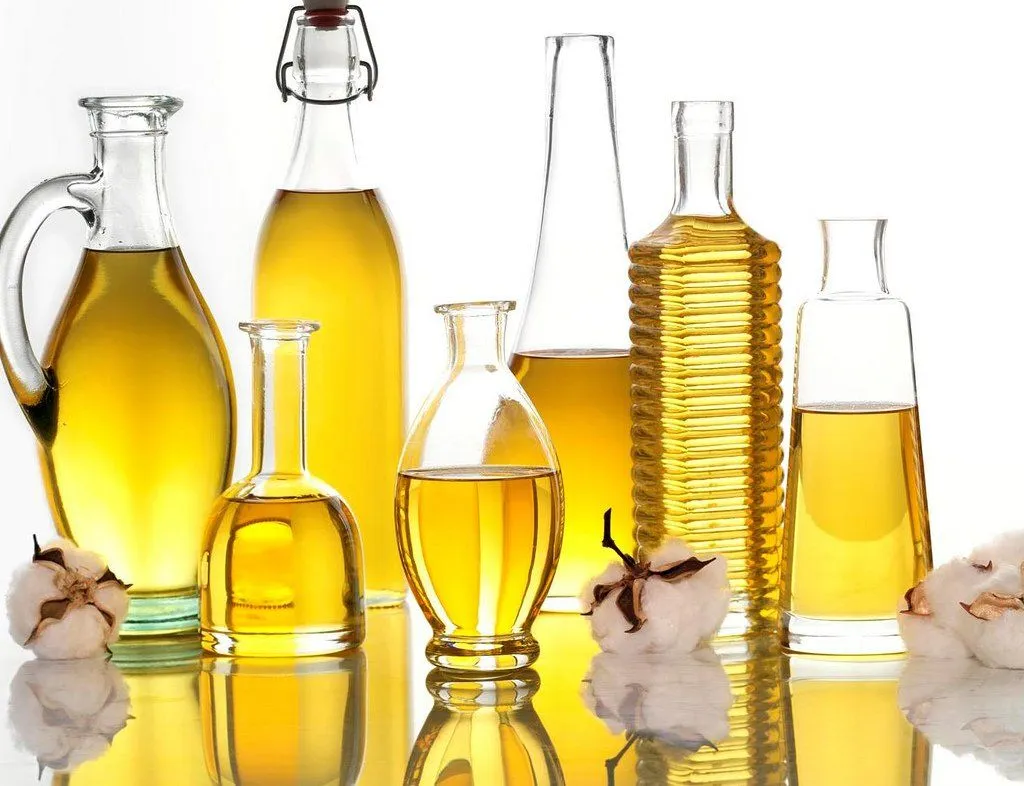
Aside from coconut oil, many of the oils mentioned above will suffice, including peanut oil, rice bran oil, canola oil and cottonseed oil. These will vary slightly in terms of cost and flavor, but should produce that golden-brown exterior you are looking for. If you don’t want the flavor of your food to be affected, aim for using an oil with a mild or neutral taste. Olive oil, peanut oil and avocado oil are also excellent choices if you want a slightly healthier option in terms of fat balance, since they are rich in monounsaturated fat, which is both fairly heat-stable and easier on your heart than saturated fat.
Vegetable oils are preferred, but animal fats can also work for your frying needs. Ghee, tallow and lard have been used throughout history to fry food, which can produce more of a savory flavor, one that many people appreciate, although this can be even less healthy and add more fat intake to your meal.
Which Oils Hold Up Best To Frying?
While you can be somewhat experimental with the oils you use for your deep-frying dreams, some oils hold up to heat better than others. Oils that are very high in polyunsaturated fat are the least heat-stable, so they oxidize and break down faster, especially if the oil is overheated past its smoke point or reused many times. Oils in this group include safflower, grape seed, sunflower and corn oil. To be clear, these are not unhealthy oils: the American Heart Association actually lists sunflower, safflower and corn oil among its recommended heart-healthy cooking oils, and replacing saturated fat with these unsaturated oils lowers LDL cholesterol. They are simply a little less suited to the repeated high heat of deep-frying than more stable choices like peanut, avocado or refined olive oil. Whatever oil you choose, avoid pushing it past its smoke point and try not to reuse the same batch over and over.
A Final Word
While fried food is undeniably delicious, it should only be added to your diet on occasion. Cooking food in other ways can be much healthier, and you can better control the amount of calories and fat that your meals contain. That being said, there is nothing better than a piece of delectable fried chicken from time to time, provided you’re using the right oil to fry it.
References (click to expand)
- Fried Food - an overview. ScienceDirect Topics.
- Thomas, A. (2000). Fats and Fatty Oils. Ullmann's Encyclopedia of Industrial Chemistry. Wiley-VCH.
- Morgan, D. A. (1942). Smoke, fire, and flash points of cottonseed, peanut, and other vegetable oils. Oil & Soap.
- Healthy Cooking Oils. American Heart Association.
- Is Coconut Oil Healthy? Cleveland Clinic.