Table of Contents (click to expand)
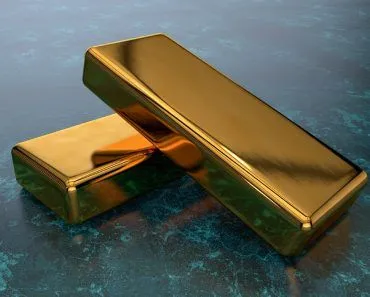
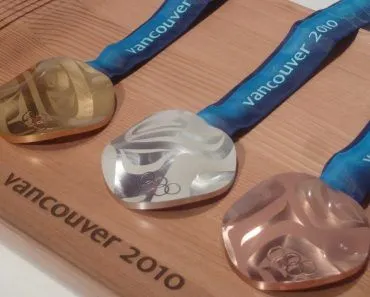
Yes, you can eat gold. Edible gold leaf is near-pure 23-24 karat metal (food additive E175). Because pure gold is biologically inert, your body doesn’t absorb it, and it passes harmlessly through your digestive tract within a day. Silver leaf (E174) is also used decoratively, but its food-additive safety is far less certain than gold’s.
If you’ve ever sampled genuine beluga caviar, dipped strawberries in a Belgian chocolate fountain, or tasted a scotch that was older than you, then you already understand something about decadence. However, there is one culinary delight that goes above and beyond these delicacies. While most people keep their gold in vaults or wrapped firmly around their finger, there are also those gastronomic adventurers who prefer to eat their precious metals.
As in everything, where there is a demand, there is subsequently a supply, and there are a number of different ways to include 24 karat gold on the menu. The question is, how do you make gold and silver edible? And more importantly, is it safe to eat?
The History Of Eating Gold
Although our capitalist-crazy modern world may seem intrinsically linked to decadent behavior, there is a long tradition of consuming gold as a sign of power and wealth, dating back thousands of years to ancient Chinese, Japanese and Egyptian traditions. Gold was manipulated and consumed in ancient Rome, and then again found favor in the notoriously lavish palaces of the Renaissance. Despite not having any taste, gold leaf does add an unmissable sparkle to a dish when you want to impress your guests!
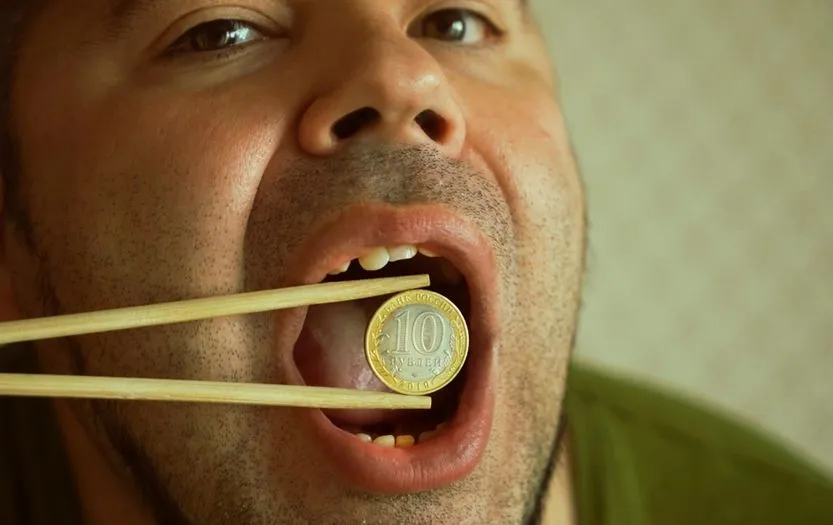
Such extravagant consumption has changed, but not disappeared, and the use of gold and silver in edible applications continues to this day. You will commonly find gold leaf adorning the outside of wedding cakes, sprinkled on artisanal desserts at Michelin Star restaurants, or as a luxurious addition to a high-end aperitif or cocktail. This material can also be used as decoration on plates and serving dishes, as well as table settings or take-home gifts, truffles and candies.
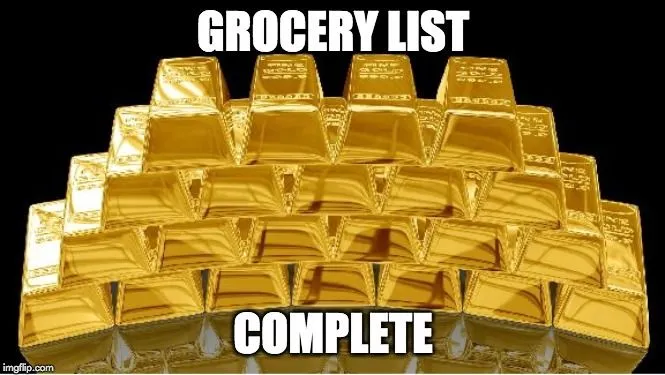
Edible precious metal comes in a number of forms, including gold flakes, crumbs, powder and gold leaf. Pounding gold into thin sheets that can easily be cut and folded is a very old and delicate practice. With modern technology, gold leaf is now light enough to be blown away in a gentle gust. The use of paintbrushes, tweezers, and razor blades is common to manipulate this material in intricate ways, without getting it stuck to your fingers! Depending on how the gold is going to be used, it can be readily purchased in its various forms, as explained above.
Due to the accessibility of authentic gold leaf, using this precious metal is no longer reserved for the super-elite. Provided you can handle the price tag (which is still considerable), there are many specialty restaurants and bars that feature gold or silver in their delectable offerings. In recent years, there have been dozens of designer dishes with high-quality gold accents, including gold sushi, gold burritos, gold chicken wings, gold hamburger buns, gold pizza topping and gold-glazed donuts and gold-sprinkled pasta dishes. The price tag for many of these dishes can stretch into the hundreds (or thousands!), but the experience isn’t one that you’re likely to forget.
Is Eating Gold And Silver Safe?
Aside from how cool it may feel to chomp down on some serious coin, is it safe to eat a precious metal? Obviously, many of the essential minerals that our bodies need to function can also be found on the periodic table, but you never hear about people taking “gold supplements”. Well, if you’re considering dipping your tongue into the world of golden cuisine, you can rest assured that gold is generally safe to consume.
Can You Eat Gold?
To begin with, gold is chemically inert, meaning that it will not be digested by the body and won’t interact with other chemicals and compounds in dangerous ways. Essentially, you will consume the small amount of gold, it will pass through your digestive tract, and (yes, in case you were wondering) it will be eliminated by the body within a day or so in essentially the same form it entered. Regulators agree: in Europe gold is approved as food additive E175, and in the United States the FDA treats it as safe when used decoratively on confectionery, chocolates and liqueurs.
Now, when we talk about edible gold, it must adhere to a very high standard of quality to be consumed. Unlike gold jewelry, which may be mixed with a number of other metals and may contain dangerous toxins or impurities, edible gold must be near-pure, typically 23- or 24-karat (roughly 96% to 99.9% gold). The reason is simple: pure gold is the part that is biologically inert. If pure gold (which is very soft) is alloyed at all for workability, it is alloyed with a small amount of silver rather than reactive metals like copper, so there are no toxic ingredients along for the ride.
Can You Eat Silver?
Silver is not quite the same as gold, and it deserves a bit more caution. Like gold, pure metallic silver leaf (the non-ionic form, sold as food additive E174) is largely inactive and poorly absorbed. The trouble is the ionic form: silver ions can be taken up by the body and can cause toxic reactions, and a lifetime of excessive silver intake can lead to argyria, a permanent blue-gray discoloration of the skin. That is why it is critical to know the source of any silver leaf and ensure that it is of the highest possible quality.
Regulators are noticeably more hesitant about silver than gold. The European Food Safety Authority re-evaluated E174 in 2016 and concluded that the available data were simply not good enough to confirm that it is safe, a verdict it reaffirmed in a 2025 follow-up. In short, gold leaf has a clean bill of health, while the science on edible silver is still officially unsettled, so it is best treated as an occasional decorative novelty rather than a regular ingredient.
The importance of purity for edible precious metals cannot be overstated. If you have too many impurities of other metals, such as aluminum, it can cause a dangerous buildup in the body, which can make it more difficult to absorb other essential minerals the body requires, such as calcium and zinc. In other words, you will want to spend the extra money and ensure that you are getting pure gold or silver before you start adding it to your top-shelf dishes.
A Final Word
The average person may think of eating gold in the same way as they view lighting cigars with hundred-dollar bills, but this is a novelty practice that is rapidly becoming more accessible to the masses. Decadence and its socioeconomic implications aside, enjoying a delicious dessert topped with gold flakes is a bit of a rush. So long as you only consume high-purity precious metals in moderation, you shouldn’t encounter any negative side effects from such a sumptuous treat.
References (click to expand)
- EFSA ANS Panel (2016). Scientific Opinion on the re-evaluation of gold (E 175) as a food additive. EFSA Journal.
- Walker H. (2001). Food and the Memory: Proceedings of the Oxford Symposium on Food and Cookery 2000. Prospect Books
- Hadrup, N., & Lam, H. R. (2014, February). Oral toxicity of silver ions, silver nanoparticles and colloidal silver – A review. Regulatory Toxicology and Pharmacology. Elsevier BV.
- EFSA FAF Panel (2025). Follow-up of the re-evaluation of silver (E 174) as a food additive. EFSA Journal. PMC, NCBI.