Table of Contents (click to expand)
E-cycling is the recycling of e-waste (electronic waste), such as old laptops, cell phones, refrigerators, televisions and batteries. It recovers valuable metals like gold and copper and keeps toxic materials like lead and mercury out of landfills. The world generated about 62 million tonnes of e-waste in 2022, yet only 22% was formally recycled.
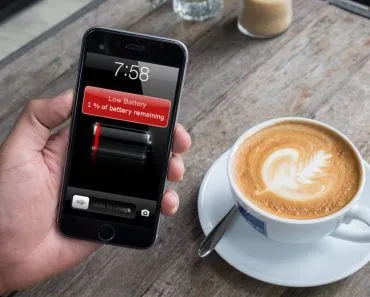
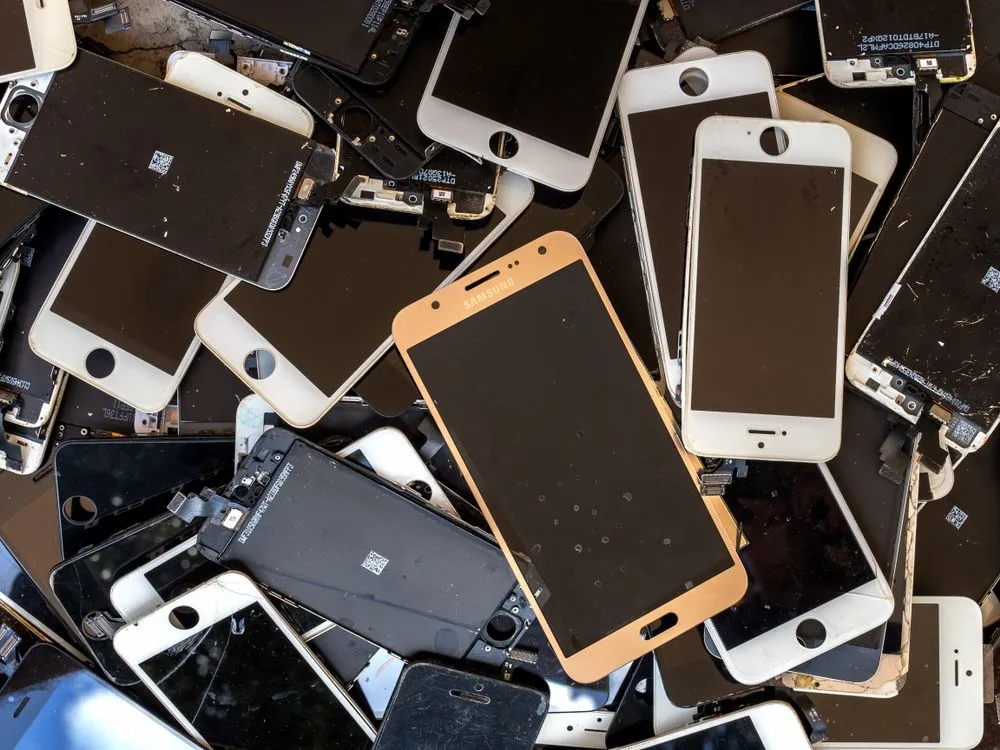
Technology has undeniably taken over our lives. You see smartphones in the hands of toddlers every day, which is bizarrely dystopian, but to be expected in our world today. However, technology keeps upgrading and updating. We’ve moved from box-sized televisions and room-sized computers to paper-thin versions that can fit in our pocket; we’ve moved from clunky Nokia keypad phones to flip phones, then to touch screens and smartphones and whatever comes next. Today’s young generation doesn’t know the pain of turning every number to make a call on a telephone, and soon, telephones may be completely discarded for an implanted chip! Who knows!? Do you even remember VCRs and DVDs?! In addition to old technology being discarded, thus creating tons of e-waste (electronic waste), much of our new electronic equipment does not have a long life and will soon end up in the landfill. And the scale is staggering: according to the UN's Global E-waste Monitor, the world generated a record 62 million tonnes of e-waste in 2022, and only about 22% of it was formally collected and recycled.

The average American household owns around 24 electronic devices, and the average smartphone is replaced after only about two years of use, long before the hardware actually wears out. Multiply that by billions of users and you get mountains of discarded phones, laptops and chargers every year. Don't be fooled by their small size; together, all those gadgets add up fast. Such enormous amounts of waste need management. Just as we recycle other forms of waste, electronic waste must also be recycled. The recycling of electronic waste, or e-waste, is known as e-cycling. The three Rs of reduce, reuse and recycle also apply to technological waste.
Why Do We Need To E-cycle?
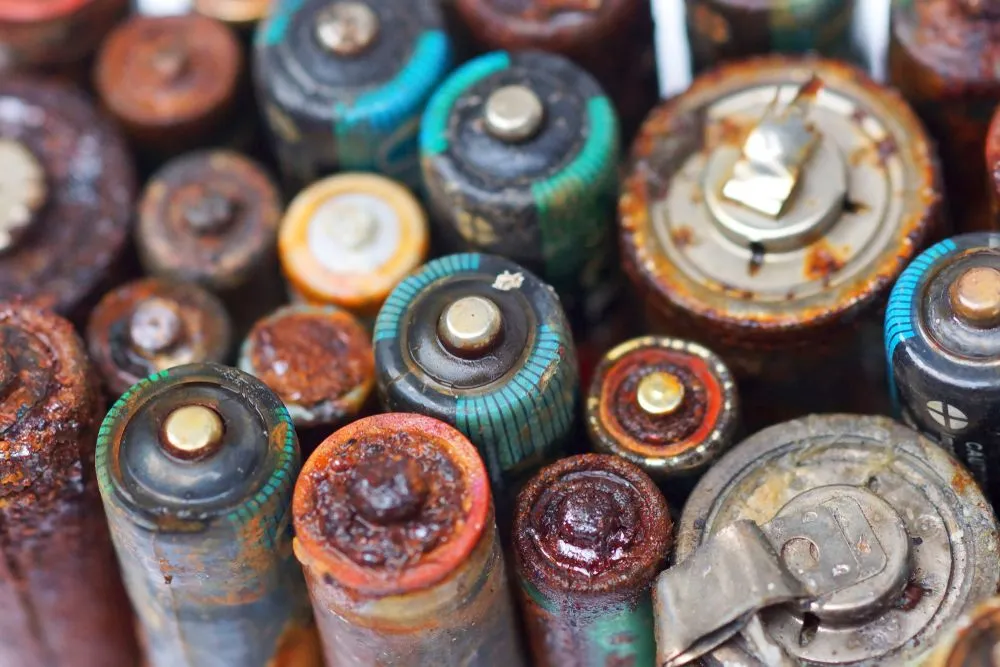
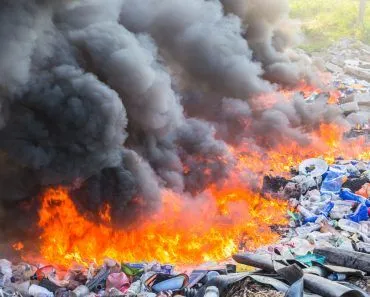
Electronic waste, like any other form of waste, contains uniquely hazardous and toxic chemicals that can harm both humans and the environment. It is one of the biggest sources of toxic heavy metals such as lead, mercury and cadmium in our waste stream. Electronic components contain lead, mercury, cadmium, lithium, brominated flame retardants and PVC plastics, all of which can have negative impacts on the environment and human populations if they leach into soil and groundwater. Crudely dismantling or burning e-waste can expose workers to high levels of these contaminants, with effects ranging from neurological damage to cancer.
Electronics also contain valuable metals like gold, silver, copper and aluminum that can be recovered to reduce mining activities. Coltan, for instance, is an ore refined into tantalum and used to make tiny capacitors in cell phones and laptops. Much of the world's supply is mined in the Democratic Republic of the Congo, where the boom has destroyed habitat for the critically endangered eastern lowland gorilla. Reusing and recycling can save a lot of energy and reduce the need for mining activities. According to the EPA, recycling one million laptops saves the energy equivalent to the electricity used by more than 3,500 U.S. homes in a year, and recycling a million cell phones recovers roughly 16 metric tons (35,000 lb) of copper, 350 kg (772 lb) of silver and 34 kg (75 lb) of gold.
Do Electronics Also Have A Life Cycle?
Humans have life cycles, as does every other living thing, but did you know that electronics also go through different stages of life cycles? It starts with raw materials being mined to manufacture the electronics, which are then sold and used. After usage, the equipment is collected, and recyclers recover the metals, turning them once again into raw materials, while whatever cannot be recovered ends up in landfills.
Raw Materials
Raw materials are unused or virgin elements that are mined in order to manufacture electronics. These metals include gold, silver, copper, platinum, iron, palladium and even oil. From mining to transporting and processing these metals, greenhouse gases are produced at every single step, so reusing is essential!
Manufacturing And Sale
Manufacturers create end products from the raw materials mined. They also need to ensure the durability and longevity of their products. Source reduction plays a crucial role in creating sustainable electronics, which leads to the big R of Reducing.
Use
After creating durable electronics, it is the responsibility of the consumers to use such electronics with care to ensure their longevity. Users can increase the lifespan of their electronics by not exposing them to direct sunlight and extreme heat, keeping them dust-free, operating them in well-ventilated rooms, protecting them with laptop and phone covers, and by regularly cleaning the devices.
Collection And Landfills
If you’re a responsible citizen, you won’t dump electronics in with your regular waste. Instead, you will use drop-off collection centers that are made especially for e-waste. The electronics are collected from there and segregated for reselling, while some of the parts are reused in manufacturing. The electronics that fail to meet the standard for reusing or recycling are sent to landfills.
Reuse, Recycle, Refurbish
Electronics that are repaired for reselling are called refurbished electronics. Reusing certain parts can reduce raw material mining in a major way. Recycling important metals brings them back into the life cycle of electronics.
How To Green Purchase?
Green purchasing refers to purchasing environmentally friendly or sustainable products. Electronics are also manufactured to reduce their carbon footprint and energy consumption. Choosing less toxic and more upgradable electronics will make you a green user.
Buying refurbished electronics is a great option, as such refurbished products are widely available on e-commerce websites like Amazon and eBay. Energy star equipment will have a sticker indicating that they use less electricity and reduce greenhouse gases. The higher the number of stars, the more energy is saved.
Purchasing upgradable electronics is a final way you can contribute positively. Software needs constant upgrades, but some devices are not compatible with further updates. This results in consumers simply discarding the device. Instead, look for laptops and cell phones that can be upgraded!
Having technology as an integral part of our daily activities is inevitable at this point, but ensuring the sustainability of the devices purchased and understanding the life cycle of electronics can make us more informed and responsible green consumers. Next time you’re looking for something shiny and new, perhaps all of this will make you think twice before buying the new iPhone as an empty status symbol or for some minor upgrade. Remember, the planet is more important!
References (click to expand)
- The Global E-waste Monitor 2024. International Telecommunication Union (ITU) and UNITAR
- Electronics Donation and Recycling. US Environmental Protection Agency
- Helping Communities Manage Electronic Waste. US Environmental Protection Agency
- Cleaning Up Electronic Waste (E-Waste). US Environmental Protection Agency
- Electronic Waste Management. CalRecycle, California Department of Resources Recycling and Recovery
- What coltan mining in the DRC costs people and the environment. The Conversation