Men have nipples because all human embryos follow the same body plan for the first weeks of development. Nipples and the start of mammary tissue form before the SRY gene on the Y chromosome activates (around weeks 6-8) and switches development male. So male nipples are not strictly a vestigial organ. They are a side effect of shared embryonic evolution that has stuck around because they are cheap to keep and there is no selective pressure to remove them.
Male nipples do not serve the primary function of lactation that is served by female nipples. However, even though hormonal imbalance has caused a small minority of men to lactate, the majority of male nipples have been evolutionarily useless. If this is the case, why is nature so adamant about sprouting them to this day?
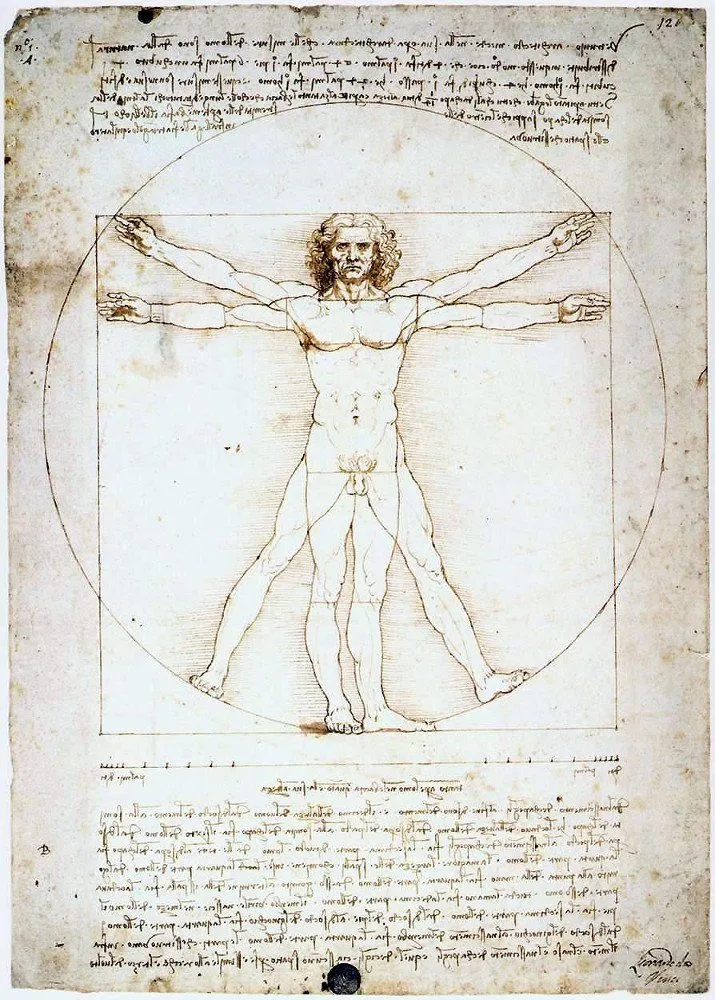
Vestigial Organs
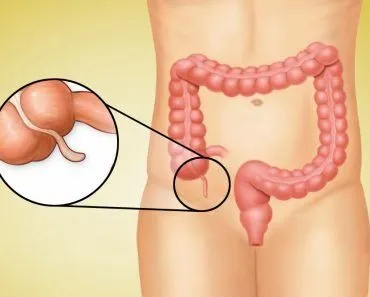
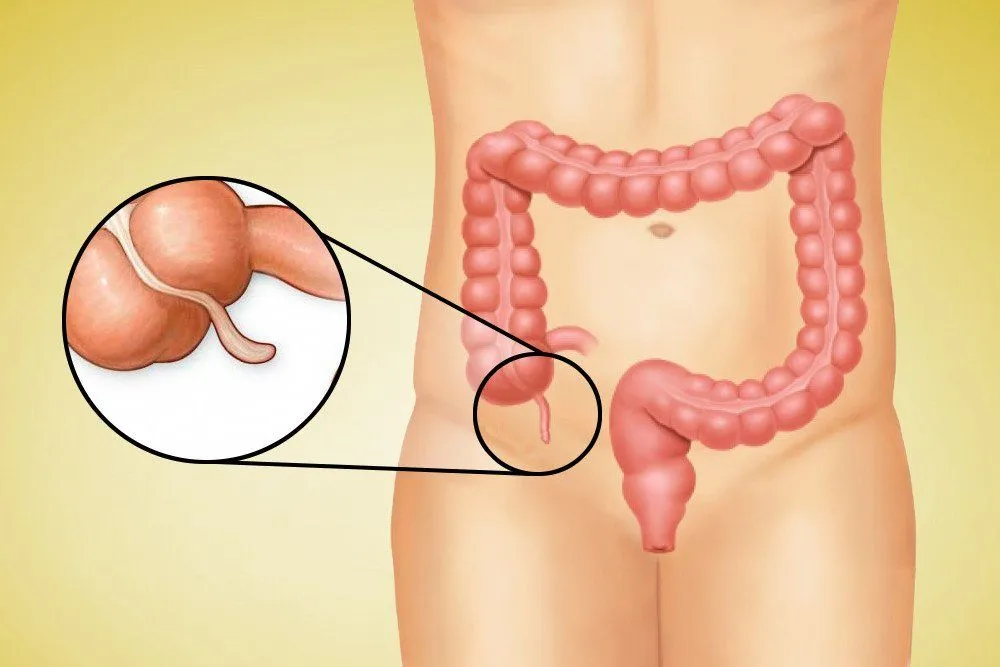
A nipple isn’t the only organ that seems to be defunct. Wisdom teeth, the appendix and the hind limbs of a whale are examples of organs that were useful to the organism once, millions of years ago, or to a common ancestor from which it descended, but today, they are no more useful than wearing sunglasses at night. In fact, paleontologist Alfred Sherwood Romer sardonically remarked that the only importance of an appendix “would appear to be financial support of the surgical profession.”
Darwin called these purposeless remnants vestigial organs. These organs are the pulsating proof of how messy the process of evolution really is. Nature in all its beauty, essentially, is a tragically improvident coordinator. Its solutions to an evolutionary problem are highly myopic, as it provides features that satiate a very particular, immediate demand. This is generous, but improvident because these developments are irreversible. Successive generations continue to harbor them even when they are rendered, by an external interference, useless.
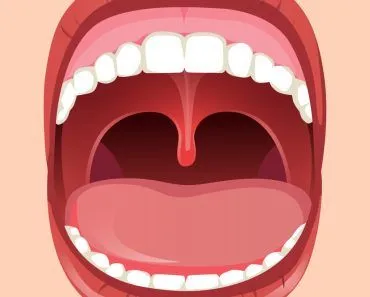
For instance, our wisdom teeth might have been useful at a time when teenagers lost their teeth after the age of 18. However, humans gradually fostered better dental hygiene, which deterred this loss of teeth. Owing to nature’s myopia, however, the growth of wisdom teeth is now useless, inflicts excruciating pain and is unavoidable. Yet, it is clear that these features have adaptive explanations.
What about nipples? Why do male mammals grow an organ that doesn’t seem adapted for any immediate inconvenience whatsoever? Advocating for evolution requires one to tackle the constant badgering regarding the adaptive purpose of each and every organ. Surely, there must be an adaptive explanation for every organ that has evolved?

Sexless Embryos
A human embryo formed by the investment of a copy of every gene from one parent and a copy of every gene from another parent is initially sexless. The blueprint for the development of this embryo is exactly same for a few weeks, regardless of whether it will subsequently grow to become a male or female. Genes responsible for the development of characteristics associated with one gender, typically the development of the emblems of femininity and masculinity, diverge or “uncouple” only after a gene called SRY is activated. It is shortly after the activation of this gene that the embryo decides to embark on one single path.
It is the blueprint before this uncoupling that imposes the production of mammary glands. Nipples are grown by both genders because they evolve before the SRY gene is triggered, when the embryos are effectively sexless. However, the irreversibility of nature allows this feature to persist even after the embryo fully transmutes into a male. In fact, any reversibility in men achieved by some evolutionary rewiring would be a waste of energy because nipples aren’t a costly feature to have. Preserving them is more cost-effective than getting rid of them.

The notion that there is an adaptive explanation for every organ is a common misconception. If this were the case, other than mild sexual stimulation, the male nipple’s only purpose appears to be to perpetrate carcinoma. Some organs have reasonable but non-adaptive explanations. These features illustrate how constrained the process of evolution is by factors such as history, chance and heredity. Nipples represent an outcome of such a constraint on evolution.
This is why, strictly speaking, male nipples are not vestigial organs in the technical sense. A vestigial organ is one that once served a function in an ancestor and has since been reduced or repurposed (think wisdom teeth, the human tailbone, or the hind-limb bones of whales). Male nipples never had a separate function to lose. Stephen Jay Gould, who tackled this exact question in a 1993 Natural History essay, argued they are best understood as a developmental constraint: a side effect of the fact that males and females share the same embryonic toolkit, persisting simply because there has been no selection pressure strong enough to get rid of them.
Are Male Nipples Vestigial Or Not?
This is the question most people are really asking, so let us give it a straight answer: no, male nipples are not truly vestigial, even though they are constantly listed as a textbook example of one. The popular trivia question ("a nipple on a male is an example of a vestigial structure: true or false?") has a more honest answer of false, and the distinction comes down to what the word actually means.
A vestigial structure is one that used to do a job in an ancestor and has since shrunk, faded or been repurposed. The human tailbone is a vestige of an ancestral tail; the hind-limb bones buried in a whale are vestiges of when its forerunners walked on land; the appendix is a much-diminished version of a larger gut pouch. Each of these once had a function that was later lost.
Male nipples do not fit that story. They never had a separate function to lose in the first place. A man's nipple is not a worn-down remnant of some milk-producing organ that ancient male humans once used; it is simply the same structure females have, laid down in the embryo on the shared body plan before the SRY gene splits development into male and female paths. Because it is built before that fork in the road, every fetus gets one. Biologists therefore prefer to call male nipples a developmental byproduct or a developmental constraint rather than a vestige. As Scientific American puts it, they are best explained as a genetic correlation that simply persists for lack of any selection against them. So if a quiz ever offers "vestigial structure" as the reason men have nipples, the technically correct response is to disagree, politely.
Do Other Male Mammals Have Nipples Too?
If male nipples were a quirky human accident, you might expect them to be rare across the animal kingdom. They are the opposite. Having nipples is the default setting for male mammals, not the exception. Male dogs carry a row of eight to ten of them down the belly, and the same shared-blueprint logic applies to cats, cattle, primates and the rest. Researchers reviewing the trait in 2025 put it plainly: the presence of nipples in male mammals is the evolutionary norm, while losing them is what counts as unusual.
And a handful of species really have lost them. Male mice, male rats and male horses (stallions) are born without nipples at all. The reason is a clean piece of developmental biology: in these animals, testosterone from the tiny fetal testes switches on androgen receptors in the tissue around the budding nipple, which triggers that tissue to die back before the nipple ever forms. Most mammals, including humans, do not run this demolition step, so the nipple stays put in both sexes.
The strangest case runs in the other direction. The Dayak fruit bat (Dyacopterus spadiceus) of Southeast Asia is the only wild male mammal documented producing milk from functional mammary glands, reported in a 1994 study in Nature. Whether the males actually nurse their pups or whether this is a hormonal quirk is still debated, but it is a useful reminder that the male plumbing for lactation is there in mammals generally. It usually just sits idle. Which raises the obvious follow-up that we will tackle next.
Can A Man's Nipples Actually Produce Milk?
Here is the part that surprises people: a man's nipple is connected to real, if dormant, glandular tissue, and under the wrong hormonal conditions it can leak milk. The medical name for spontaneous, non-baby-related milk production is galactorrhea, and it happens in men as well as women. The usual trigger is too much prolactin, the hormone that drives milk-making, often from a benign pituitary tumor called a prolactinoma, an underactive thyroid, or certain medications.
This is not just theory. A 1981 case report in the Journal of Clinical Endocrinology & Metabolism analyzed the breast fluid of a 27-year-old man with galactorrhea and high prolactin, and found it contained lactose, alpha-lactalbumin and lactoferrin (the same building blocks as women's milk) at concentrations within the range of normal colostrum and breast milk. In other words, the equipment works; it is simply switched off in men by default because they do not normally make enough prolactin to run it.
So the honest summary is this. The everyday function of a man's nipple is essentially nothing, beyond some sensitivity, and even doctors note that the male breast's main medical relevance is the small but real risk of disease, including male breast cancer. But "useless" is not quite the same as "non-functional." Men carry the wiring for lactation; biology just never flips the switch.
References (click to expand)
- SRY gene: MedlinePlus Genetics. MedlinePlus
- Why do men have nipples? - Scientific American. Scientific American
- Why Do Men Have Nipples? - Live Science. Live Science
- Developmental basis of male nipple loss and retention in mammals. PMC, NCBI.
- Dyacopterus spadiceus (Dayak fruit bat). Animal Diversity Web, University of Michigan.
- Composition of breast fluid of a man with galactorrhea and hyperprolactinaemia. J Clin Endocrinol Metab, 1981. PubMed.