Table of Contents (click to expand)
Yes, you can live a long and largely normal life without a spleen. The spleen filters old blood cells and helps the body fight specific bacteria, so a person who has had it removed (a splenectomy) is at lifelong higher risk of serious infections like pneumococcal pneumonia and meningococcal disease, and is advised to keep up vaccinations, sometimes take preventive antibiotics, and seek care quickly at the first sign of fever.
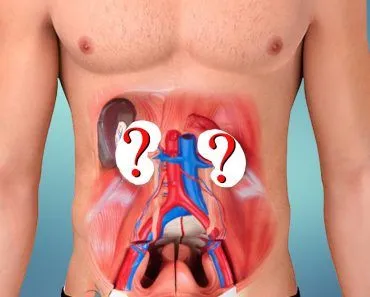
The idea of having any part of your body removed may seem terrifying, like something out of a horror movie, but believe it or not, there are some situations where it is healthier to take an organ out than leave it in. The spleen, for instance, has long been a source of mystery for many people. In fact, I would bet that very few people can actually point to where the spleen is located on their body.
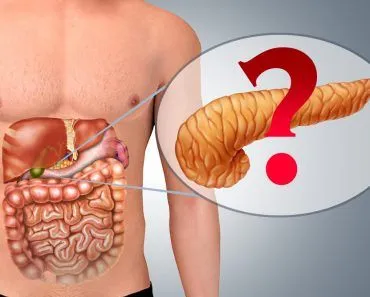
The question is… what does it do? Why do we have it? And most importantly, can we live without it?
Not-So-Vestigial Organs
In your high school science or anatomy class, you probably learned about something called “vestigial organs”, which are basically part of the body (of humans, animals, insects, etc.) that have stuck around through the evolutionary process, even though they are either useless or non-essential to survival. For example, human beings can’t survive without our heart, but there are some people who are born with a vestigial tail, and that certainly isn’t “necessary” for our survival.
The spleen and the appendix are the two most popular “vestigial” organs in the body, but research over the years has actually shown them to have some value to our overall health. We won’t die without them, but having them around (provided they are healthy) isn’t a bad idea.
The Story Of The Spleen
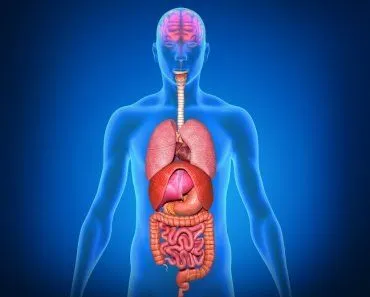
For those of you who don’t know, the spleen is roughly fist-sized and somewhat flattened, located in the upper-left part of the abdomen, protected by the rib cage and seated next to the stomach. The spleen is so neatly packed into the body, in fact, that you wouldn’t even be able to locate it unless it is inflamed or unhealthy, which would cause pressure in the chest and discomfort.
Despite being considered a vestigial organ for decades, it has recently been discovered that the spleen plays a very important role in supporting the strength of the immune system. When you fall ill, or if your body is infected in some way, your spleen can help to filter the blood, taking in old blood cells and essentially recycling them for further use. Beyond that, key blood platelets and white blood cells can be stored there, and then released as soon as the immune response is triggered by a foreign body or pathogen.
More recently, it was found that the spleen acts as a storage space for monocytes, highly aggressive forms of white blood cells, which become macrophages at the site of infections to eat pathogens and prevent tissue damage. This is particularly important for people who suffer from heart problems, as monocytes are instrumental in repairing heart tissue following a heart attack.

Finally, the spleen is customized to fight against specific bacteria, including some of the most common and dangerous infections that our body can be exposed to, such as those that cause meningitis and pneumonia. Fortunately, the spleen doesn’t take on the entire load of the immune system when an infection is detected, and only 40% of monocytes in the body are stored in the spleen. In other words, your immune system won’t shut down without a spleen, but it won’t operate as efficiently.
Life Without A Spleen
Some things will require a splenectomy (removal of the spleen), such as a ruptured spleen, an enlarged spleen (caused by liver disease or mononucleosis), low platelet count or sickle cell disease. The procedure to remove the spleen is relatively easy, but it can be easy to ignore a serious problem with your spleen, as it may manifest in seemingly unrelated symptoms (e.g., unexplained cough, headache, sore throat, drowsiness, fever and chills).
After your spleen has been removed, a number of things need to be done to ensure your long-term health. The biggest specific danger is a rare but very serious condition called overwhelming post-splenectomy infection (OPSI), in which encapsulated bacteria like Streptococcus pneumoniae, Neisseria meningitidis and Haemophilus influenzae type b cause sudden, severe sepsis. The lifetime risk in asplenic patients is roughly 1 to 5%, but if OPSI does occur the mortality can be as high as 50%. So you need to be far more diligent about avoiding infections and watch for even minor warning signs like an unexplained fever. CDC guidance recommends vaccinations against pneumococcus, meningococcus, Hib and seasonal influenza, and many doctors suggest wearing a medical-alert bracelet that mentions your asplenia.
If your child needs to have their spleen removed, it is important to undergo long-term antibiotic treatment to prevent any blood-borne infections, but this can be stopped as your child reaches adulthood. Traveling to new places is also a risk factor for people without a spleen. The first exposure to a new bacterium can be difficult for your body to process and handle effectively, so always travel with a good supply of antibiotics and seek medical attention at the first sign of infection.
As you can see, life without a spleen is certainly possible, but it isn’t ideal. Our bodies are complex machines that tend to work best when every part if pulling its weight. Fortunately, we also have incredibly intelligent organ systems that can compensate for deficiencies or missing organs, as long as they are “somewhat” vestigial.
The best advice is to keep your spleen where it belongs – inside you – but if something arises and you need to get your spleen removed, it isn’t the end of the world… or your life!