Table of Contents (click to expand)
Donating blood does not meaningfully help with weight loss. A widely repeated estimate puts the cost of replacing one pint at around 650 calories, but this figure has not been validated in peer-reviewed research. Even taken at face value, you can only donate once every eight weeks, so diet and exercise remain the only reliable ways to lose weight.
Everyone seems to be looking for the best new secret of weight loss, from crazy diets to insanely challenging workouts, extended fasting, or a prayer to the gods of metabolism. However, one potential weight loss trick that most people would never expect is donating blood.
While most people view blood donation as a charitable or benevolent gesture, some people also consider the potential health benefits of donating, like killing two birds with one stone! The claim seems too good to be true, so what is the real story? Is giving blood linked to losing weight?
How Much Blood Do We Give When We Donate Blood?
For starters, an average person has about ten pints (4-5 liters) of blood flowing through their veins at any given time, and the average donation size is 1 pint (half a liter). For those of you who hate math, this means that blood donors give up 10% of their body’s blood supply! Also, people are not allowed to donate more than once every eight weeks in the US (56 days, per Red Cross rules; the UK NHS uses 12 weeks for men and 16 weeks for women), because the body takes time to recuperate and return to normal.
Obviously, when a pint of blood is suddenly drained from the body, it does not go unnoticed.
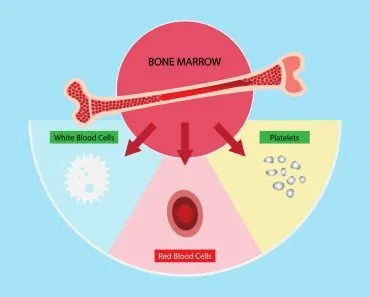
Peritubular cells found in the kidney detect less oxygen in the blood due to the sudden loss of red blood cells. These cells then release a protein called erythropoietin, which travels through the body until it reaches the bone marrow. The bone marrow is where new blood cells are produced.
Erythropoietin signals stem cells in the bone marrow to increase the number of cells that turn into red blood cells. Moreover, erythropoietin has certain cardioprotective properties, so stimulating its release is far from a bad thing.
You may not be aware of this, but every second of every day, millions of red blood cells die and are replaced in your body, so the body is accustomed to the relentless pace of RBC production. A high rate of RBC production is about 2 million cells per second. Hearing this, you may wonder why people must wait another two months before donating again. That is a good question.
To produce new RBCs, the body draws on its iron stores. Iron binds to the oxygen-carrying protein hemoglobin. Your plasma volume (the watery part of blood) is restored within 24 to 48 hours, but the red blood cells themselves take about four to six weeks to be fully replaced, and hemoglobin can take up to about eight weeks to return to baseline. That is why donating more frequently would increase the risk of anemia and other health concerns.
Giving Blood Vs. Going To The Gym
Those of you who read this article and expect to hear that you can cancel your gym membership will be disappointed, but there are some unexpected links between blood donation and weight loss, among other health bonuses.
As mentioned above, the average donation is 1 pint (~500 ml) of blood, which weighs about 1 pound (~0.45 kg), so right off the bat, you’re walking out of the donation center 1 pound lighter. However, this weight can easily be put back on with liquids, cookies, or other sweet treats the donation center gives you to boost your blood sugar level.
Everything that happens in the body related to metabolism comes with calorie burning, and producing billions of new red blood cells is no exception. A widely circulated estimate, attributed to UC San Diego, puts the cost of replacing one pint of blood at roughly 650 calories — about the same as an hour of cardio. It is worth flagging that this figure has not been validated in peer-reviewed research, and the Red Cross does not endorse blood donation as a weight-loss strategy. Either way, the energy is spent over the weeks of recovery, not during the half-hour donation itself.
So, if you donate once every two months, you burn the same calories you would in an hour of exercise, which may not seem so impressive (see above: don’t give up your gym membership). However, the benefits of blood donation are somewhat more complex in terms of weight loss.
Some people have compared donating blood to changing the oil in the car. It is a nice image, but the reality is more nuanced. Aged red blood cells do lose some deformability and 2,3-BPG, and the post-donation cohort is younger on average. There is no strong evidence, though, that this measurably boosts metabolism. In fact, exercise-physiology studies show that VO2max actually drops by a few percent for two to three weeks after a donation, until hemoglobin recovers.
In short: blood donation is not equivalent to a workout, and on its own it will not produce meaningful or sustained weight loss.
Any Other Benefits To Blood Donation?
Apart from the small increase in metabolism and calorie burning through blood donations, you can also help protect against cardiovascular disease. The protection is due in part to the fact that donating blood reduces the amount of certain inflammation-causing molecules in the blood. It also makes the blood less viscous (thick), improving blood flow.
Donating blood also reduces excess iron in the blood. Your iron levels can’t be too low, nor can they be too high, and donating blood helps keep that balance in check. Excess iron in the body can catalyze the formation of hydroxyl radicals through the Fenton reaction, generating reactive oxygen species that can oxidize LDL cholesterol and damage the lining of arteries and blood vessels.
Over years, this iron-driven oxidative stress is thought to contribute to atherosclerosis, the buildup of plaque in key blood vessels, raising the risk of heart attacks and strokes. (Caveat: regular donors also tend to be healthier to begin with, so some of the observed benefit is a "healthy donor" effect.)

Finally, you essentially get a free blood test when you donate blood. Before being given to patients who need it, blood is thoroughly tested, and if it turns out that your blood contains dangerous pathogens or raises a red flag, medically speaking, you will be contacted. Your blood won’t be used as a donation, but it can give you a heads-up about a potential health issue!
As you can see, aside from saving the lives of millions of people every year, giving blood has a host of other health and wellness benefits that you would never have expected!
So…. what are you waiting for? Go out and donate blood today!
References (click to expand)
- Facts About Blood Supply In The U.S..
- How your body replaces blood.
- Moon, C., Krawczyk, M., Paik, D., Coleman, T., Brines, M., Juhaszova, M., … Talan, M. I. (2005, November 23). Erythropoietin, Modified to Not Stimulate Red Blood Cell Production, Retains Its Cardioprotective Properties. Journal of Pharmacology and Experimental Therapeutics. American Society for Pharmacology & Experimental Therapeutics (ASPET).
- Wenger, R. H., & Hoogewijs, D. (2010, June). Regulated oxygen sensing by protein hydroxylation in renal erythropoietin-producing cells. American Journal of Physiology-Renal Physiology. American Physiological Society.
- What Really Happens to Your Body After You Donate Blood - Stanford Blood Center
- Eligibility Requirements - American Red Cross
- Effects of blood donation on exercise performance - PMC