Table of Contents (click to expand)
Yes. Traveling reshapes your gut bacteria, because the new food, water and surroundings introduce unfamiliar microbial strains to your intestines. The change is usually temporary, though. Once you return home and resume your normal diet, your gut microbiota typically rebounds toward its previous state within about two weeks.
Each city, state, country and continent offers its own unique cultures, food options and environmental diversity. Another thing they offer to tourists and visitors is different gut bacteria!
When we travel to a different place, we bring back more than just souvenirs or foreign products. We also bring back certain gut bacterial species that came from where we traveled. These microscopic intestinal tenants hitch a ride back to our hometown and take a little trip of their own.
Where Do The Gut Bacteria Come From?
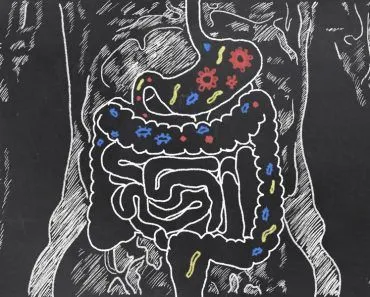
All gut microorganisms, including bacteria, fungi and viruses, make up the gut microbiota. They are affected mainly by two factors: Diet and Geography.
When traveling to a new place, be it for business or pleasure, the change in time zone, diet, and even stress level (if any) affect the intestinal bacterial community.
A lot of our gut bacteria come from the different foods we eat. Countries have different foods that are made or sourced differently and come from various environments. Each environment also has its own special and unique bacterial strains. When we travel to a new destination and eat new local foods, those unique strains enter our guts and attempt to colonize for themselves.
The gut bacteria that are present react quickly to sudden diet changes. As we gobble down all the new foods and drinks, we bombard our guts with different strains of bacteria that may attempt to settle in our gut.
Let’s say you take a trip to Italy. You’re eagerly looking at those mouth-watering pizzas, perhaps made with sourdough crust and fresh mozzarella cheese, or maybe a dish of ravioli with ricotta cheese. These fresh cheeses are made using lactic acid bacteria that will be unique to Italy.

Lactic acid bacteria are present worldwide, but the strains differ based on geographical location. For example, what do an American and a Chinese person have in common? They’re both humans, but they’ll look different and have different genes and phenotypes. Similarly, bacteria are present all over the world, but they will adapt and develop traits best suited to their location.
Even though you’ve probably eaten a Margherita pizza in your hometown, the lactic acid bacteria used to make the cheese in your local area will be far different than the bacteria used to make the fresh Italian cheeses.
Similarly, the street food at a market in Bangkok will be teeming with all sorts of bacteria species, but then again, nobody seeks out street food because it’s hygienic!
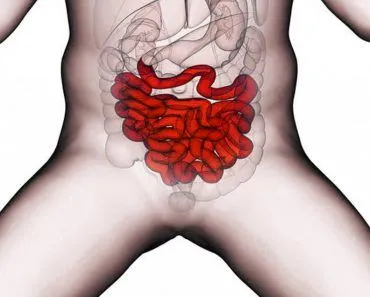
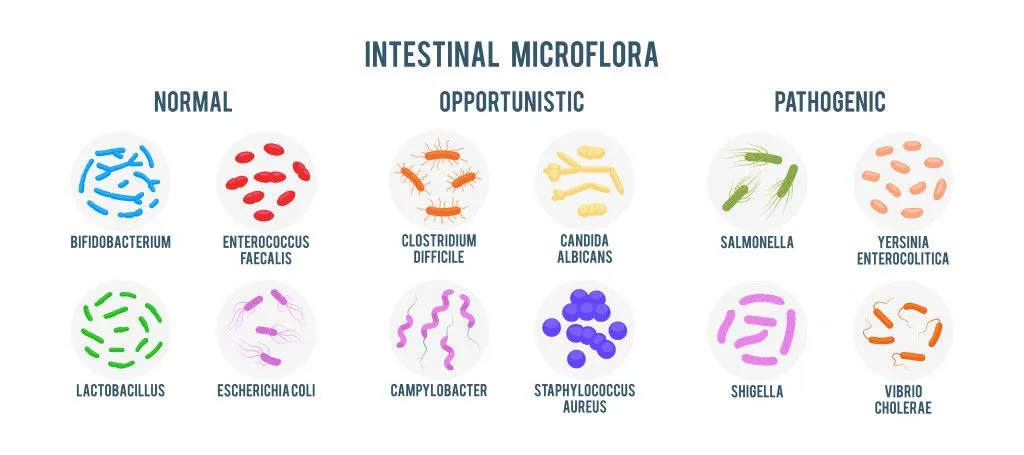
Gut bacteria are known to affect many biological processes, primarily digestion, so disruptions in the gut can cause stomach problems. That’s why many people suffer from travelers’ diarrhea. People with travelers’ diarrhea often have higher numbers of troublesome E. coli, Shigella and Campylobacter species in their guts.
Are These Gut Bacteria Changes Permanent?
To answer that question quickly: no.
As mentioned before, gut bacteria are influenced by diet and geography, so after the vacation is done and you go back home to your usual lifestyles, the gut also resets itself back to what it used to be.
Each year, up to 40 million people pick up travelers’ diarrhea while visiting tropical and semi-tropical countries. For most, though, it’s only temporary, as the gut finds a way to stabilize itself over time, thanks to a process called gut homeostasis.
A person with a consistent lifestyle can have a gut microbiota that remains stable for years. However, once that person travels to a new place and their lifestyle changes, the gut microbiota also changes.
One study closely tracked one person from the USA who traveled to a major city in Southeast Asia for about seven weeks; the results showed a significant change in the gut microbiota, including a near doubling of the ratio of Bacteroidetes to Firmicutes bacteria. Roughly two weeks after the individual returned to the USA, the microbiota had shifted back more or less to what it used to be.
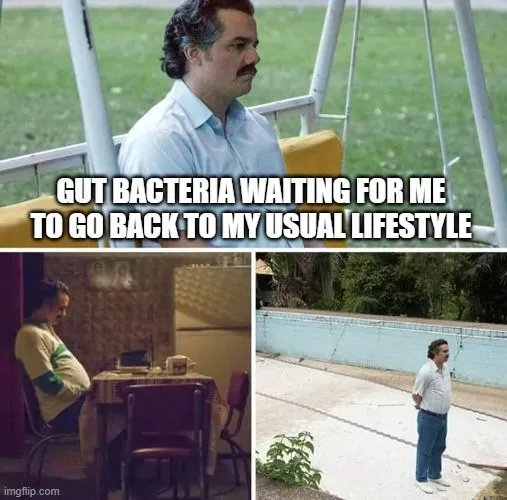
However, let’s say you’re moving to a new country permanently; your gut bacteria will also change according to that new lifestyle and eventually stabilize itself. Research suggests that a significant amount of time abroad is needed to permanently change your gut bacteria diversity. No one knows exactly how long is long enough!
Does The Country You’re Traveling To Matter?
Oh, definitely!
Gut microbiota depends on lifestyle, diet and environment. For example, Western countries are known for their antibiotic usage. Antibiotics greatly affect gut bacteria and can reduce the diversity of species that are present in the gut.
Likewise, going to tropical countries adds many new tenants inside your intestines. Many of these might be pathogens that cause stomach discomfort. Many studies document that westerners, especially those who take antibiotics, frequently pick up antibiotic-resistant Enterobacteriaceae strains when they travel to Asian regions.
Diving into the street food in a place like India, Thailand or Peru will expose your gut to many new bacterial strains, all at the same time! Unfortunately, some of them may be pathogenic, such as Salmonella, Shigella, and harmful strains of E. coli.
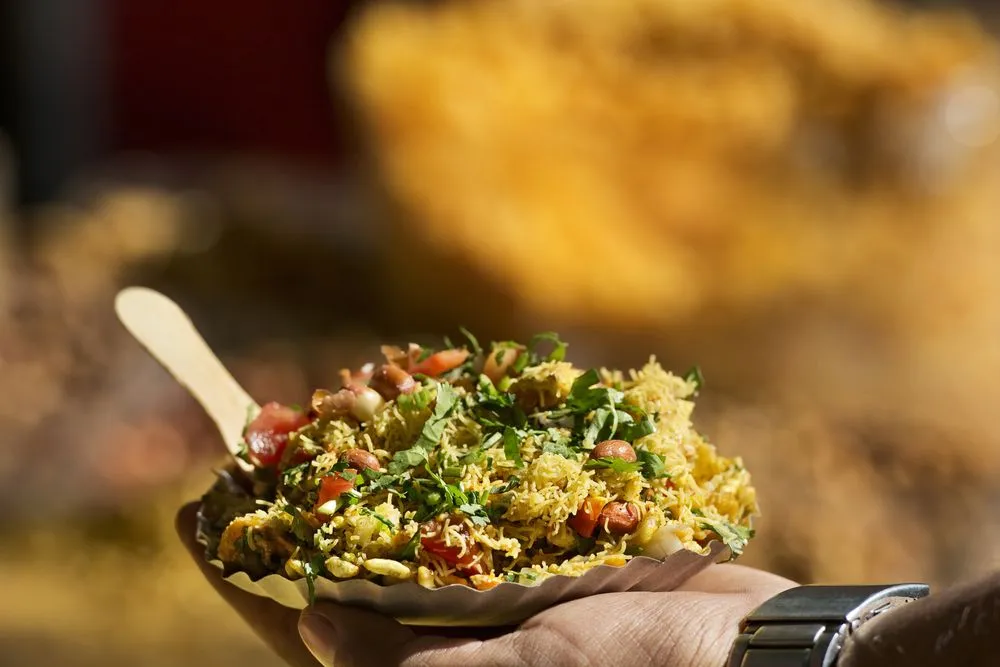
There is greater gut bacteria species diversity in Asian and lower-income countries, especially in rural regions. There are many reasons for this. For starters, fewer people take antibiotics, there are a larger variety of foods, and there may be poor sanitary practices. Tropical countries like India, Chile, Vietnam etc., also offer more favorable environments for bacterial growth.
One study on immigrants who moved to the USA from Southeast Asia found that their gut bacteria diversity began dropping within the first six to nine months, and kept declining the longer they stayed. By the second generation, the immigrants’ children had gut microbiota profiles much like those of US-born people of European descent.
Conclusion
Whether they like it or not, each traveler will have to take their gut bacteria along on their journeys. If your gut gives you problems while traveling, taking prebiotics and probiotics could help ease your discomfort. Increasing good bacteria gut colonization from probiotics makes it harder for disease-causing bacteria to infect the gut.
Different bacterial species are constantly competing with each other in the gut for nutrients. We should do our part to ensure that the ones we want inside are the ones that win.
Don’t go overboard with a new location’s abundant food choices too quickly. Steadily exposing your gut bacteria to the new foods will help them accustom to the different nutrients and digestible compounds easier.
Scientists are also trying to understand how gut bacteria changes during travel in order to control the spread of antibiotic-resistant gut bacterial strains. Only time will tell if we’ll ever be able to try ALL the street food without getting sick!
References (click to expand)
- de la Cabada Bauche, J., & DuPont, H. L. (2011). New Developments in Traveler's Diarrhea. Gastroenterology & Hepatology (N Y). PMC, National Center for Biotechnology Information.
- David, L. A., Materna, A. C., Friedman, J., Campos-Baptista, M. I., Blackburn, M. C., Perrotta, A., … Alm, E. J. (2014). Host lifestyle affects human microbiota on daily timescales. Genome Biology. Springer Science and Business Media LLC.
- Kampmann, C., Dicksved, J., Engstrand, L., & Rautelin, H. (2021, November). Changes to human faecal microbiota after international travel. Travel Medicine and Infectious Disease. Elsevier BV.
- Leo, S., Lazarevic, V., Gaïa, N., Estellat, C., Girard, M., Matheron, S., … Ruppé, E. (2019, February 3). The intestinal microbiota predisposes to traveler’s diarrhea and to the carriage of multidrug-resistant Enterobacteriaceae after traveling to tropical regions. Gut Microbes. Informa UK Limited.
- Rasko, D. A. (2017, April 1). Changes in microbiome during and after travellers’ diarrhea: what we know and what we do not. Journal of Travel Medicine. Oxford University Press (OUP).
- Riddle, M. S., & Connor, B. A. (2016, July 22). The Traveling Microbiome. Current Infectious Disease Reports. Springer Science and Business Media LLC.