Superman syndrome, also called Jacobs syndrome or 47,XYY syndrome, is a chromosomal disorder in which a male is born with an extra Y chromosome. It occurs in roughly 1 in 1,000 male newborns and is usually mild: most affected men are slightly taller than average, may have learning or speech delays, but have normal life expectancy and are typically fertile.
The DNA that has been passed on to us by our long line of ancestors makes us who we are. They decide how we look, how our bodies function, and they even affect our personality. When all the pieces of our genes fall together in line, we get a perfectly “normal” human being. However, there are times when even nature makes small mistakes that can have catastrophic outcomes.
Nature’s imperfections can manifest as differences in the human body. You have likely heard of chromosomal disorders like Down syndrome. Such disorders are caused by some glitch that occurs during the process of cell division.
One such rarely heard about chromosomal disorder is Superman Syndrome. A chromosomal abnormality causes Superman syndrome, which is also known as Jacobs syndrome (named after the British cytogeneticist Patricia Jacobs). About 1 in 1,000 male newborns has the 47,XYY karyotype, making it one of the more common sex chromosome aneuploidies.
So, what exactly is the “Superman syndrome”? What causes it and how does it affect a person?
Sex Chromosomes
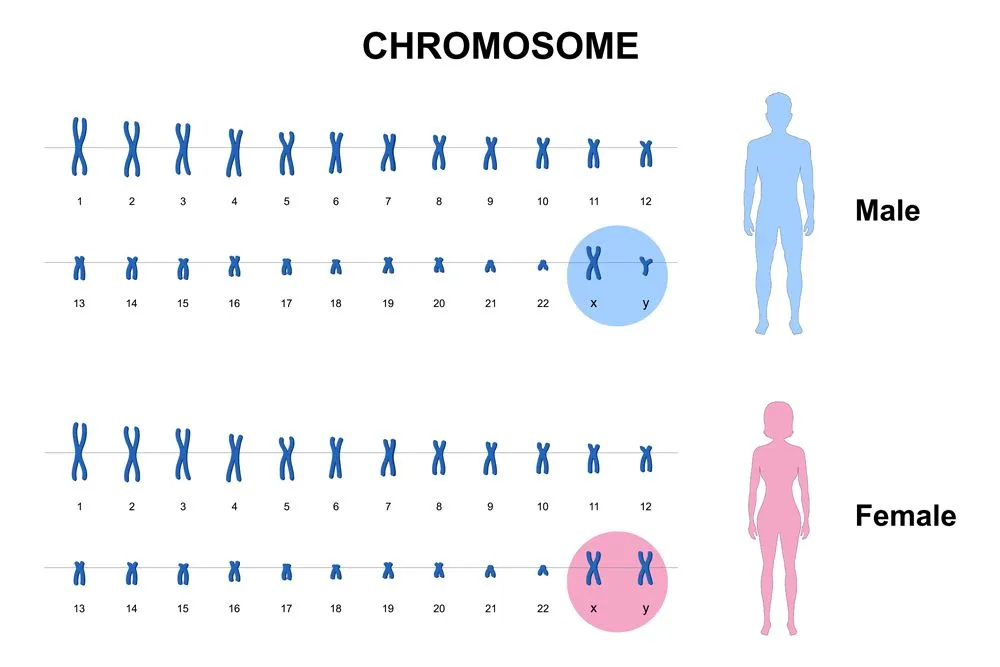
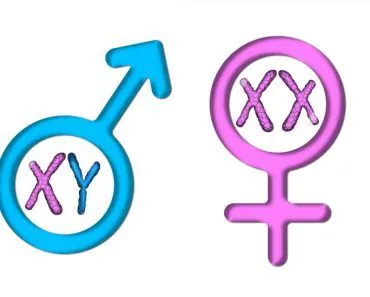
Before we dive into the complexities of this chromosomal disorder, let’s revisit the basics of genetics. In humans (and most mammals), individuals fall into two main karyotypes based on their sex chromosomes (other species use very different systems, such as ZW in birds or temperature-dependent sex determination in many reptiles, but mammals stick with XY). Humans have 46 chromosomes in each cell. Of these 46, two chromosomes (X and Y) determine the sex of the individual. A large chunk of the human population has two sex chromosomes. Females have two X chromosomes, while males have one X and one Y chromosome.
In rare events, the zygote may end up with 3 sex chromosomes instead of two (XX or XY). One such abnormality is male sex chromosome aneuploidy disorder: Superman Syndrome.
Which Chromosome Makes Someone Male?

If females are 46,XX and males are 46,XY, then the one chromosome that tips the balance toward male is clearly the Y. But the Y chromosome doesn’t do the job all by itself. The real decision-maker is a single gene sitting on the Y, called SRY, short for “sex-determining region Y” (also known as the testis-determining factor).
The SRY gene makes a protein that behaves like a master switch. It acts as a transcription factor, meaning it latches onto specific stretches of DNA and turns other genes on or off. In an embryo, that switch flips development toward forming testes while shutting down the blueprint for female structures such as the uterus and fallopian tubes. In other words, “maleness” is less about having a whole extra chromosome and more about carrying this one tiny genetic instruction.
How do we know SRY is the deciding factor and not the Y chromosome as a whole? When SRY is faulty or missing, an embryo with an X and a Y can still develop along female lines, a condition called Swyer syndrome. This is also why the extra Y in Superman syndrome doesn’t create a “double-strength” male. The body already got the message the first time, and a second copy of the switch doesn’t make it any louder.
What Is Superman Syndrome?
The sex-determining cells in our body, sperm and eggs, demonstrate meiotic division (Click here to learn more about meiosis). If all things go normally during the cell division of the gametes, we end up with a normal individual with either XX or XY chromosomes.
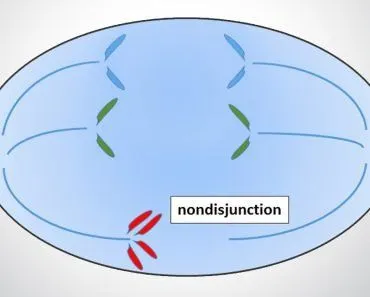
47,XYY arises when the two sister chromatids of the Y chromosome fail to separate during meiosis II of sperm formation (a "nondisjunction" event), producing a sperm that carries two Y chromosomes instead of one. Thus, such individuals (typically males) have an extra Y chromosome attached to their two sex chromosomes: XY. Meaning, they have 47 chromosomes in each cell and have the sex chromosome XYY. Thus, the Superman Syndrome in the world of medical science is formally known as 47,XYY syndrome.
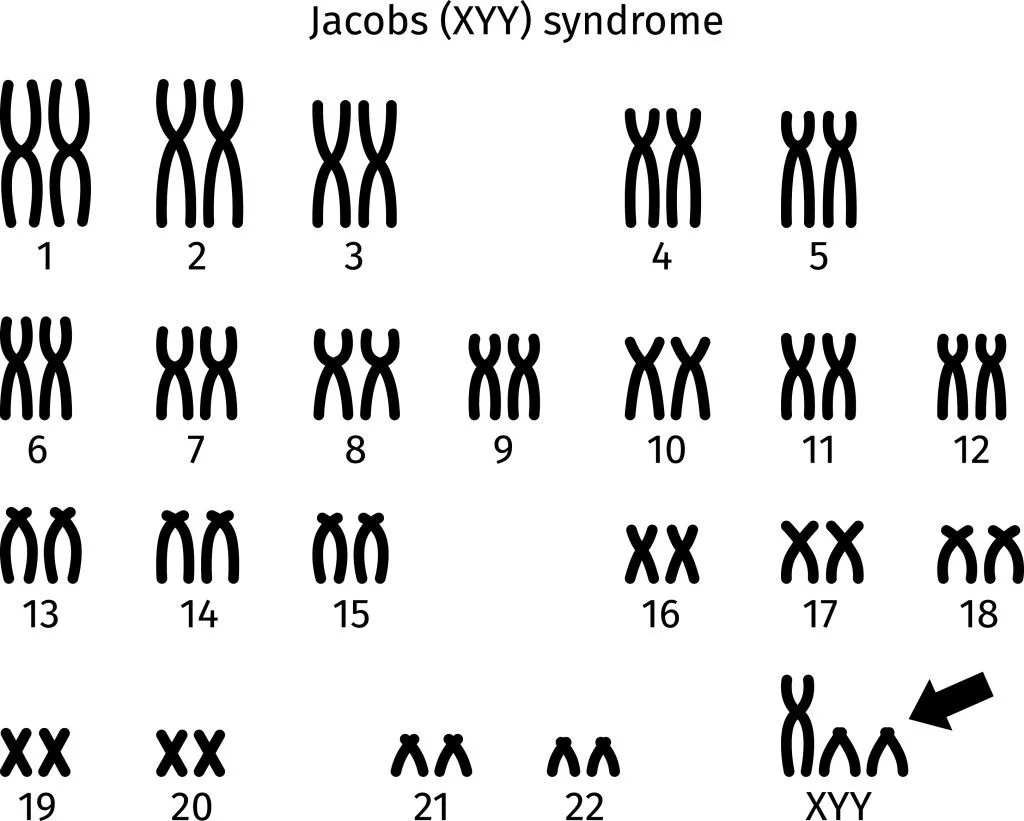
47,XYY syndrome has been observed in about 1 in 1,000 male newborns. Despite being a common disorder, only around 20% of the cases are reported. This is because symptoms like having a tall stature and developmental delays are not specific to this disorder. This makes it difficult to differentiate such individuals from the normal population.
Although it is caused by a genetic defect, the condition is not hereditary. This is because the syndrome results from an error that occurs during sperm cell formation.
How Does It Affect An Individual?
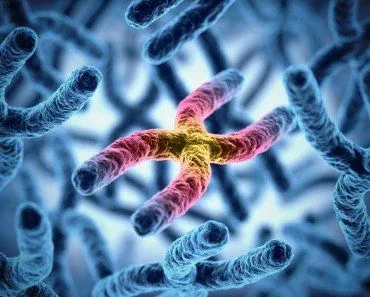
Any abnormality in the body that is as significant as an extra Y chromosome is bound to display itself in some way. Chromosomes have crucial genes that regulate various parts of the body. If you add or subtract the number of chromosomes, it affects the way the body develops and regulates itself.
One of the most consistent effects is accelerated growth from early childhood. As adults, XYY men are on average about 7 cm (roughly 2.75 in) taller than their expected family height, with cohort averages around 188 cm (6 ft 2 in).
Some XYY men show low muscle tone (hypotonia), poor fine-motor and handwriting skills, larger-than-average teeth (macrodontia, sometimes with taurodontism), and an increased risk of genitourinary issues such as cryptorchidism. Cardiovascular and renal malformations have been reported in case studies, but are not core features.
As if affecting the physiology of the body was not enough, the 47,XYY syndrome also undermines the mental capability of the person. Boys with XYY suffer from verbal learning deficiencies due to delayed speech development. Some find it difficult to recall words, understand figurative and metaphorical language, and tend to show ADHD-like attention-related problems.
It is believed that men with XYY syndrome are infertile. However, science says otherwise. Many men with 47,XYY are fertile because the extra Y chromosome is typically eliminated before the spermatocyte stage, so their sons and daughters are usually karyotypically normal. Recent cohort studies (Bardsley 2013, Tartaglia 2018) also report an autism spectrum disorder rate of roughly 14% in XYY boys, which is well above the general population, and noninvasive prenatal testing (NIPT) is increasingly picking up the karyotype before birth, raising new questions about counselling and follow-up.
Is A Person With XYY Male Or Female?
This is one of the most common questions about the condition, and the answer is straightforward: someone with 47,XYY is male. They carry one X and two Y chromosomes, and because a working Y (with its SRY switch) is present, the embryo develops as a boy. Most men with XYY have completely typical male sexual development and appearance. Aside from being taller than average, there is usually nothing about them that looks different from any other man.
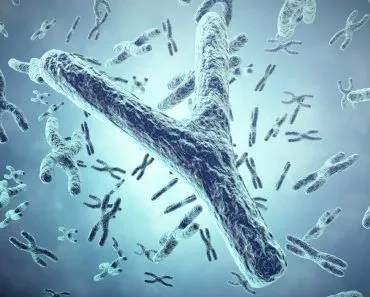
The phrase “YY chromosome” trips a lot of people up, though. There is no such thing as a living person who has two Y chromosomes and no X at all. Every human needs at least one X chromosome to survive, because the X carries somewhere between 900 and 1,400 genes, many of them essential for basic development, while the much smaller Y carries only a fraction of that number. An embryo with no X simply cannot develop, which is why a “pure” YY (or YYY) karyotype is never seen in people. In XYY, the lone X quietly does the heavy lifting of keeping the cell running, while the two Ys handle sex determination.
Why Is It Called “Superman” Syndrome?
If you’re hoping that there is some deep scientific meaning behind naming a disorder after a popular fictional superhero, I’m sorry, but you’re in for some disappointment.
Due to the presence of an extra Y chromosome, a chromosome that is characteristic of males, people with XYY are considered “super”-male. Contrary to your expectations brought on by the name, a super-male doesn’t possess great powers that can save us from villains like Lex Luthor.
Though they’re not superheroes, they’re not villains either. It is worth mentioning that it is an unproven notion that XYY men tend to be aggressive or have criminal inclinations. This is because some notorious murderers like Sean Farley and Daniel Hugon were reported to have XYY chromosomes, but correlation does not equal causation. It’s not always in the genes. Men and women with a perfectly normal set of sex chromosomes also have the ability to commit the most heinous of crimes.
Is There A “Super Female” Too?

If an extra Y earns a man the “super male” label, is there a female version? There is. When a girl is born with an extra X chromosome (47,XXX instead of the usual 46,XX), the condition was historically nicknamed the “super female.” The name comes from the very first report of the karyotype in 1959, when Patricia Jacobs and her colleagues published a paper titled “Evidence for the existence of the human ‘super female’” in The Lancet. If that name rings a bell, it should: it is the same Patricia Jacobs who lends her name to Jacobs (XYY) syndrome.
Like “super male,” the “super female” label is misleading and has fallen out of favor. Geneticists now simply call it trisomy X or 47,XXX. And just as with Superman syndrome, the reality is far more ordinary than the name suggests. Triple X occurs in roughly 1 in 1,000 female newborns, and most girls with it grow up as healthy, fertile women with normal sexual development. Some are taller than average or have learning and speech delays, and around 10% experience seizures or kidney differences, but many never have symptoms at all and are never diagnosed. Like XYY, it is not inherited, and it results from a random error when the egg or sperm was formed.
Conclusion
Sex chromosome abnormalities such as 47,XYY are the result of a small yet profound screw-up by nature. Apart from this, a similar kind of goof-up can be seen in Klinefelter syndrome. In that condition, a male receives an extra X chromosome and ends up with 47,XXY syndrome. However, this syndrome doesn’t have a name as cool as the Superman syndrome. Despite all the side effects, individuals with Superman syndrome are projected to have a normal life expectancy.
References (click to expand)
- Berglund, A., Stochholm, K., & Gravholt, C. H. (2020, September). Morbidity in 47,XYY syndrome: a nationwide epidemiological study of hospital diagnoses and medication use. Genetics in Medicine. Elsevier BV.
- Bardsley, M. Z., Kowal, K., Levy, C., Gosek, A., Ayari, N., Tartaglia, N., … Ross, J. L. (2013, October). 47,XYY Syndrome: Clinical Phenotype and Timing of Ascertainment. The Journal of Pediatrics. Elsevier BV.
- L Re. (2015) The 47,XYY syndrome, 50 years of certainties and doubts.
- Ross, J. L., Tartaglia, N., Merry, D. E., Dalva, M., & Zinn, A. R. (2015, February). Behavioral phenotypes in males with XYY and possible role of increasedNLGN4Yexpression in autism features. Genes, Brain and Behavior. Wiley.
- 47,XYY syndrome - MedlinePlus Genetics (NIH)
- 47,XYY Syndrome (Jacobs Syndrome) - Cleveland Clinic
- Phenotypic spectrum and family experiences of XYY syndrome (2023). PMC
- SRY gene: sex determining region Y. MedlinePlus Genetics (NIH).
- X chromosome. MedlinePlus Genetics (NIH).
- Trisomy X. MedlinePlus Genetics (NIH).
- Triple X Syndrome (Trisomy X). Cleveland Clinic.
- Jacobs, P. A., et al. (1959). Evidence for the existence of the human ‘super female’. The Lancet.