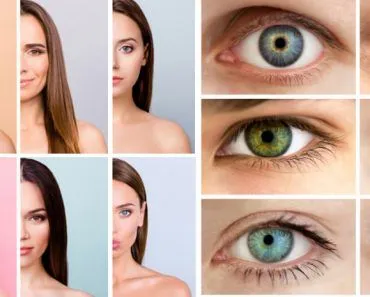
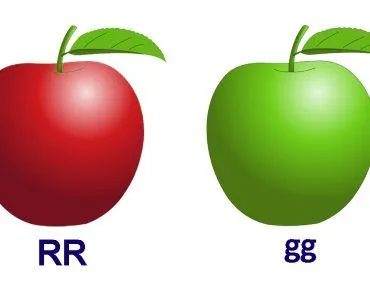
There is no single ‘lazy gene’. Twin studies of more than 37,000 twin pairs show that roughly 50% to 70% of the differences in whether adults exercise are linked to genes, but that influence is spread across dozens of tiny-effect variants (99 found so far) plus rare mutations such as SLC35D3, a gene involved in dopamine signaling. In younger teenagers, the family environment matters far more than genes. Heritability describes differences across a population, not a fixed fate: what you actually do still depends on the habits and surroundings you build.
Back in 2009, there was a controversial court case in Tennessee. A man shot his wife’s friend, and then attacked his wife. The wife survived, but her friend did not.
The defense had a genetic test done, which showed that the man, Bradley Waldroup, carried a low-activity variant of the ‘warrior gene’, the monoamine oxidase A (MAOA) gene, which the defense argued made him more prone to violence. Combined with a history of childhood abuse, this argument seems to have helped the accused avoid a first-degree murder conviction, and he was instead found guilty of voluntary manslaughter.
This was one of the first times that ‘warrior gene’ evidence swayed a US verdict in this way, but the question remains: to what extent do our genes really influence our actions?
History Of Genetics
Last year, I fractured a toe. When I went to the doctor, he said, “We’ll fix it, but there’s no real use for it anymore.” As weird as that sounds, reports do say that our pinky toes could be non-existent (over a handful of generations), as it serves no obvious purpose. This is consistent with what Lamarck, one of the earliest naturalists, once said about the way we develop over time.

Invaluable Contribution Of Jean-Baptiste Lamarck
Jean-Baptiste Lamarck was among the first to put forward a full theory of how evolution might work. He believed that changes in the environment caused the needs of organisms to change, so they adjusted their behavior accordingly. This altered behavior caused an increase or decrease in the use of the organ. If the use of the organ was decreased, then it would eventually disappear over a number of generations. These changes, he said, could be inherited.
Inspired by Darwin’s work, his cousin Francis Galton took up working on evolution and became a pioneer in the field of eugenics.
Then came Gregor Mendel, a patient monk with an inherent love for math and biology. Not only did he leave a mark in the field of genetics, but he also made his way into all of our textbooks. Mendel’s contribution was iconic, and he is the reason we know how inheritance works!
However, Galton and Lamarck’s work seem to be the profound kick-starters that the field of behavioral genetics needed.
What Is Behavioral Genetics?
After the Nazi regime conducted widespread human experiments in the name of genetic research, genetics became a taboo subject for the rest of the world. Many states, to this day, believe that the concept of evolution is a myth.
Though there were setbacks, the field of behavioral genetics managed to slowly develop, and continues to result in research that leaves a mark. Behavioral genetics, once also called psychogenetics, asserts that genetics plays a part in influencing one’s personality.
A great deal of research in behavioral genetics today is more focused on how genes affect psychiatric disorders, such as schizophrenia, depression, and the like.
However, the bigger question is… how can this be measured? And does it apply to every aspect of our personality or just some parts?
The main methods to study behavioral genetics include twin studies, adoption studies, and more recently, molecular genetics. Twin studies compare twins who were reared apart or reared together.
Adoption studies inspect how similar an adopted child is to their biological parents versus their adoptive parents. Lastly, molecular genetics examines the DNA of individuals and looks at gene variation that affects behavior.
Personality And Genetics
One of the most iconic studies in this field was conducted by Thomas Bouchard and Matt McGue in Minnesota. The Minnesota Study of Twins Reared Apart (MISTRA) research was a twenty-year study that looked closely at the factors that could be attributed to genetics and those that could be explained by the environment.
The study found profound correlations between genetics and IQ. However, what was rather strange was that a pair of iconic twins who were adopted at birth, were reunited at the age of 39, only to find out that they were both named Jim.
They shared many common interests, their favorite subject was math and their least favorite was spelling. They both vacationed along the same stretch of beach when they were younger, they both suffered from stress headaches that turned into migraines (up until then, no one thought stress headaches had any genetic basis), and lastly, they both had the same smoking and drinking patterns. How mind-blowing is that!

That study helped energize the field, and as the International Society for Twin Studies grew, more people started to voluntarily take part in twin research. With the current number of enrollments in the society, the data coming from twin studies seems to be never-ending. Bouchard did not base his findings on just one pair of twins (there were almost 140), but nevertheless, he established that certain behaviors did have a genetic basis.
After the MISTRA established a foundation of knowledge, researchers turned their attention to the Big Five personality traits: openness, conscientiousness, extraversion/introversion, agreeableness, and neuroticism. Strikingly, twin studies put their heritability at roughly 40-60%, meaning a substantial chunk of our personality is shaped by our genes. That finding opened the door for countless more studies to be undertaken.
What About Laziness?
We know that neuroticism, our ability to have a negative outlook, is inherited; and is one of the key factors behind depressive disorders. But what about laziness? Or diligence?
Genetic Laziness
A study conducted in 2014 said there is a ‘couch potato gene‘ in mice. Now, if you’ve studied biology, or any scientific field, you know that genomes of mice are quite similar to humans, so most studies are first done on mice (whose lives are said to be more ‘dispensable’ than ours) and then extended to our precious species.
The study found that the SLC35D3 protein involved in dopamine signaling was impaired in some mice. Dopamine is a chemical involved in regulating levels of our physical activity. The study found that the mice with this mutation moved noticeably less than normal mice (they covered less distance, moved more slowly and spent less time moving), and developed conditions similar to ‘metabolic syndromes’ in humans. In humans, this condition leads to hypertension and obesity.
However, when scientists screened 363 Chinese patients with metabolic syndrome (plus 217 unaffected people), they found a mutation in this gene in only two of them, which suggests that being overweight is mostly driven by factors other than this one rare gene.
Evolutionary Benefit Of Laziness!
Some scientists from the University of Kansas have stated that laziness could have an evolutionary benefit as well. Based on a study they conducted on mollusks, they theorized that those who burnt more energy on a daily basis were more likely to go extinct.
By using less energy to function, the mollusks were less likely to go looking for food to ensure their survival. Although the study explains the long-term survival of a species, it doesn’t really say much about our individual choices to ‘Netflix and chill’ with a pizza beside us and a lack of physical activity for days at a time.
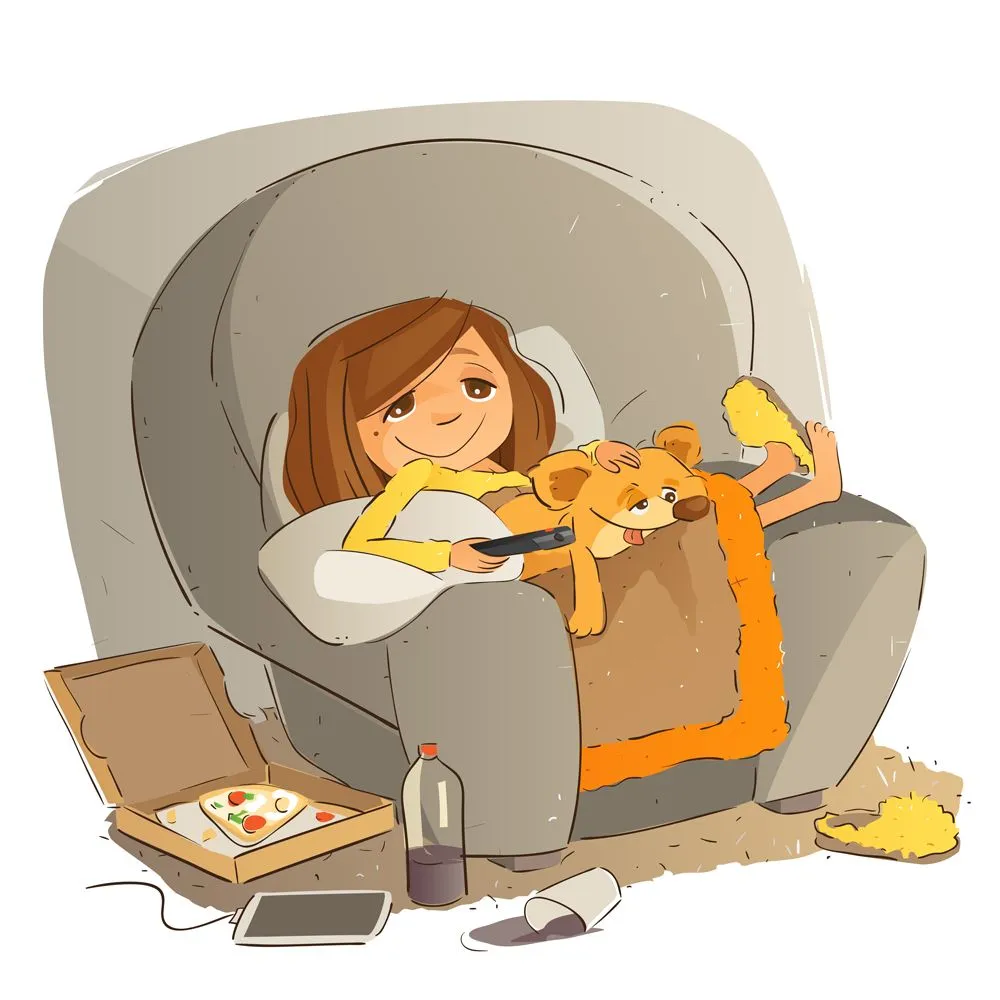
With increasing efficiency of public health systems and increased accessibility to our daily needs, laziness seems to be a learned response that is constantly being reinforced by our surroundings. Increasingly busy work lives can leave one exhausted and demotivated to get up and move.
At times like this, the go-to seems to be chilling with a movie, de-stressing with a bubble bath, or treating oneself to a loaded pizza. Another factor that could add to laziness could be the fast food and take-away culture of recent decades.
With food being pre-made and delivered right to our doorstep, all we have to do is move a few fingers to order, rather than raising our entire body to go to the kitchen and prepare it ourselves. This chain of events can be reinforcing enough to repeat itself day after day, which could lead to a lack of energy to move, and thus the cycle continues.
What Do Twin Studies Say About Lazy Humans?
Mice are all well and good, but I wanted to know about people. Luckily, twin researchers have been busy. In 2006, a team pooled survey data from 37,051 twin pairs across seven countries (Australia, Denmark, Finland, Norway, the Netherlands, Sweden and the United Kingdom), a total of 85,198 people aged 19 to 40. The bar for counting as an ‘exerciser’ was modest: roughly 60 minutes of exercise a week at or above a set minimum intensity (four metabolic equivalents, or METs).

The logic of a twin study is simple. Identical twins share all of their DNA, while fraternal twins share about half, yet both kinds usually grow up in the same home. If identical twins match each other on a trait far more often than fraternal twins do, genes are doing some of the work. And that is exactly what showed up. In country after country, the heritability of exercise participation landed between 48% and 71% (Norwegian men were the odd ones out at 27%). Even more striking, the family environment that twins share, the same parents, the same fridge, the same couch, made almost no difference once they were adults. Only among Norwegian men did a shared home show any measurable effect.
Now, a word of caution, because ‘heritability’ is one of the most misunderstood words in science. A heritability of 60% does not mean that 60% of your laziness came from your parents. It means that, across a population, about 60% of the differences between people in whether they exercise are linked to genetic differences. It is a statement about a crowd, not about you.
Here is the twist I found most interesting. An earlier study of 2,628 Dutch twin pairs aged 13 to 20 found that among 13 to 16-year-olds, the environment shared by a family explained 78% to 84% of the differences in sports participation, and genes explained none of it. At 17 to 18, genes started to appear (36%), and after 18, genes explained about 85%, with the shared home no longer mattering at all. In other words, while your kids are young, whether they run around is mostly about the household you create. Once they leave that household, their own genetic tilt takes over. So, ‘is laziness genetic or learned?’ has an honest answer: it depends on how old you are!
Is There A Single ‘Lazy Gene’?
If genes matter that much, surely someone has found the lazy gene by now? In 2022, an enormous team of researchers went looking. They combined genetic data from up to 703,901 people across 51 studies and scanned the entire genome for variants linked to three things: self-reported moderate-to-vigorous exercise in leisure time, leisure screen time (yes, that is a scientific variable now) and sitting at work. They found 99 spots on the genome associated with one or more of these behaviors.

Ninety-nine sounds like a lot, and yet none of them is a ‘lazy gene’. Each one nudges the odds by a sliver, and all the common variants put together explained only about 8% of the differences in exercise and 16% of the differences in screen time, far below the 31% to 71% that twin studies point to. The authors think rare variants that these scans cannot see make up part of the gap. Some of the hits were fascinating, though. The screen-time variants were enriched for genes whose activity in skeletal muscle changes with resistance training, and one variant in a muscle gene called ACTN3 makes a structural protein more flexible, which lowers the maximum force of certain muscle fibers (type IIA). Laziness, in other words, may partly be your muscles quietly voting on how much fun exercise is. This is what a polygenic trait looks like: many small ingredients, no single recipe.
Animals tell the same story from the other direction. Scientists at the University of Missouri started with 159 ordinary lab rats, gave them running wheels, and picked the 26 most enthusiastic runners and the 26 least enthusiastic to breed within their own group. They repeated this generation after generation. By generation nine, male rats from the ‘high runner’ line were running 8.5 times farther on their wheels than their low-runner cousins (the females had an even bigger gap, at 11 times), even though both lines ate similar amounts of food and, before running, carried similar body fat. When the researchers looked at gene activity in the nucleus accumbens, a key part of the brain’s reward circuitry, only eight genes differed noticeably between the two lines, and one of them, an opioid receptor gene, hints at differences in dopamine signaling. So the motivation to move can be bred, but the recipe is still many small ingredients, not one big one.
Why Does Effort Feel Harder For Some People?
Notice how dopamine keeps showing up? The couch-potato mice had faulty dopamine signaling in the striatum, and the lazy rats differed in their reward circuitry. So, does the same thing happen in us? A team at Vanderbilt University tested this in 2012 with a rather devious experiment. Twenty-five healthy volunteers played a game called the Effort Expenditure for Rewards Task. On every round, they chose between an easy task (30 button presses in 7 seconds with the index finger, for a guaranteed $1.00 if completed) and a hard task (100 button presses in 21 seconds using the pinky finger of their non-dominant hand, for anywhere between $1.24 and $4.30). To make things spicier, each round also came with a stated probability that the money would actually be paid out.

Separately, the volunteers had their brains scanned with PET twice, once after a placebo pill and once after a dose of amphetamine, a drug that triggers dopamine release; comparing the two scans let the researchers measure how strongly each person’s dopamine system responded. The result was clear: people whose left striatum and ventromedial prefrontal cortex released more dopamine were more willing to pick the hard task for the bigger payout, especially when the odds of getting paid were low. Meanwhile, people with stronger dopamine responses in the insula, a region tied to weighing costs, went for the easy option more often.
Before you diagnose yourself with ‘low dopamine’, a few caveats. This was a small study of 25 people, it measured willingness to press buttons for money rather than laziness in daily life, and it did not look at genes at all. What it does show is that ‘I just can’t be bothered’ has a measurable biological side: our brains differ in how they weigh effort against reward, and dopamine is a big part of that calculation. It also fits nicely with the biology of procrastination, which is really just laziness with a deadline attached.
So, Verdict?
While there are many things that we can blame on genetics, laziness is not a simple one of them. Genes clearly tilt how much we move, but there is no single gene that decides it.
If you’re unhappy with the way you look, the number of freckles on your skin, which hand you write with, or even the dryness or wetness of your earwax, you can blame your genes! Some earlier studies even suggested a correlation between genetics and your current salary, but this connection was later disproved.
If you’ve watched any movie centering around a zombie apocalypse, you have probably seen that the lazy one either gets eaten or starves to death, so being lazy might not be a great habit to carry forward.
However, there is proof that a rare mutation in the dopamine-regulating protein can influence our laziness, and twin studies show that, added together, our genes explain a surprisingly large share of the differences in whether adults exercise. Even so, that influence is spread across many tiny-effect variants, and it only takes over in adulthood. The other big culprit seems to be urbanization and the easy modern accessibility of practically everything.
Thus, laziness seems to be part genetic tilt and part learned adaptation to the environment that has been created around us.
So, the next time your grandparents tell you a story about how far they had to walk to school to get an education, believe them! They’re the living proof that whatever your genes whisper, the home you grow up in gets a very loud vote.
References (click to expand)
- Jean-Baptiste Lamarck (1744-1829) - UCMP Berkeley. The University of California Museum of Paleontology
- HERITABILITY - www.indiana.edu:80
- Bouchard, T. J., Jr., Lykken, D. T., McGue, M., Segal, N. L., & Tellegen, A. (1990, October 12). Sources of Human Psychological Differences: The Minnesota Study of Twins Reared Apart. Science. American Association for the Advancement of Science (AAAS).
- Mutation of SLC35D3 Causes Metabolic Syndrome by Impairing Dopamine Signaling in Striatal D1 Neurons. PLOS Genetics (2014).
- Strotz, L. C., Saupe, E. E., Kimmig, J., & Lieberman, B. S. (2018). Metabolic rates, climate and macroevolution: a case study using Neogene molluscs. Proceedings of the Royal Society B.
- Power, R. A., & Pluess, M. (2015). Heritability estimates of the Big Five personality traits based on common genetic variants. Translational Psychiatry.
- Stubbe JH, Boomsma DI, Vink JM, et al. (2006). Genetic Influences on Exercise Participation in 37,051 Twin Pairs from Seven Countries. PLoS ONE.
- Sports participation during adolescence: a shift from environmental to genetic factors (2005). Medicine and Science in Sports and Exercise. PubMed.
- Wang Z, Emmerich A, Pillon NJ, et al. (2022). Genome-wide association analyses of physical activity and sedentary behavior provide insights into underlying mechanisms and roles in disease prevention. Nature Genetics.
- Roberts MD, Brown JD, Company JM, et al. (2013). Phenotypic and molecular differences between rats selectively bred to voluntarily run high vs. low nightly distances. American Journal of Physiology-Regulatory, Integrative and Comparative Physiology.
- Treadway MT, Buckholtz JW, Cowan RL, et al. (2012). Dopaminergic mechanisms of individual differences in human effort-based decision-making. The Journal of Neuroscience.