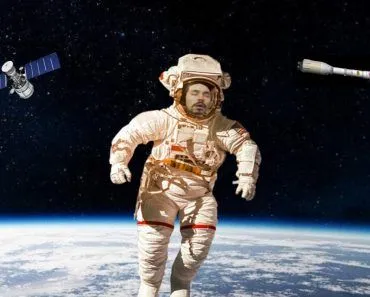
Hibernation pods like those in Passengers aren’t possible yet, but the science is moving that way. Humans don’t hibernate naturally, yet doctors already cool the body into a torpor-like state for surgery and trauma care, and NASA-backed researchers are studying induced torpor to let astronauts “sleep” through long voyages to Mars.
I’ve always dreamed of a world where I wouldn’t have to worry about having to do my chores or going to school on cold winter mornings. Turns out, it may have been possible all along!
As peaceful as shutting down for an extended period sounds, this act of hibernation won’t actually help you feel very rested. However, it could revolutionize how we repair the life-threatening injuries of trauma victims, and in space travel, it could take us beyond distances we’ve ever traveled before.
How Does Hibernation Work?
Hibernation is the state of dramatically reducing body temperature, breathing, and heart rate, along with other metabolic activities, to help certain species survive the winter months. This is done to conserve energy in the months when enough food simply isn’t available. They eat up a lot of food to store as energy before entering the state of hibernation, in order to help them fuel their dormant state.
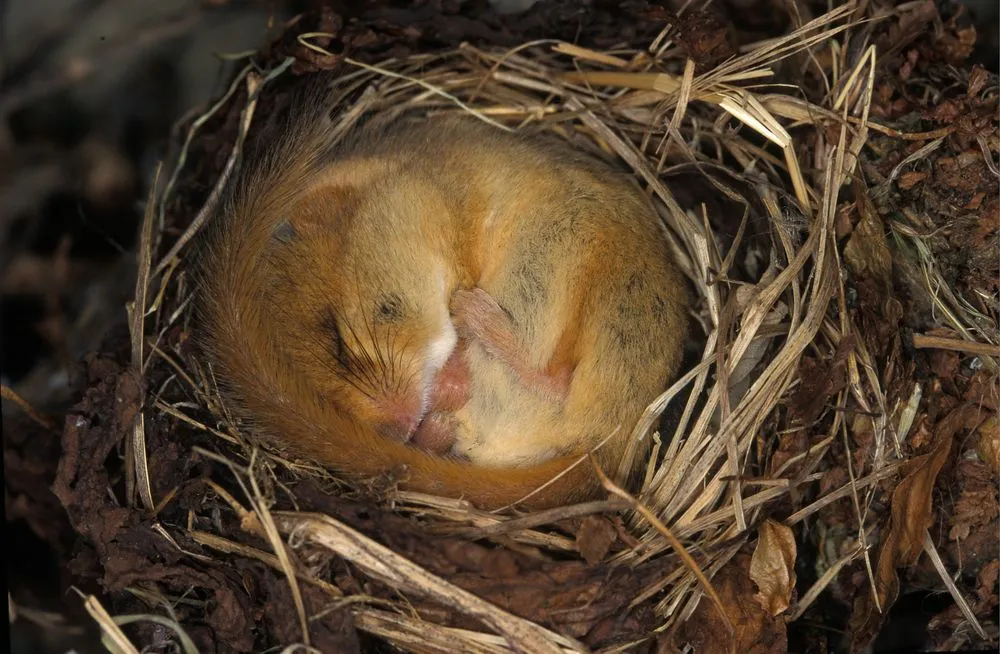
Hibernation is based on the principle of temperature regulation of the body. The temperature of the body drops drastically during hibernation, inducing a state of low metabolism called ‘torpor’. In this state, animals require almost no food, since most of our food intake is used to maintain our body temperature.
However, as feasible as this might be in small warm-blooded mammals, among humans, even a small drop from our standard temperature of 37 °C (98.6 °F) can be enough to induce shivering. Even if it doesn’t happen naturally, a deeply cooled, torpor-like state can be induced medically in certain cases, such as during complex heart surgery, where surgeons chill the body to slow metabolism and protect the brain while they operate.
How Can Hibernating Benefit Us?
The principle of cooling down our bodies to the state of torpor can be induced in trauma victims to help save their lives. This process is known as ‘emergency preservation and resuscitation’. It could occur in cases of accidents or fatal injuries, wherein the patient has only a narrow window of time to be resuscitated.
The patient’s body could be quickly cooled to slow down the heartbeat and body processes, allowing time for the doctors to perform potentially life-saving surgery.
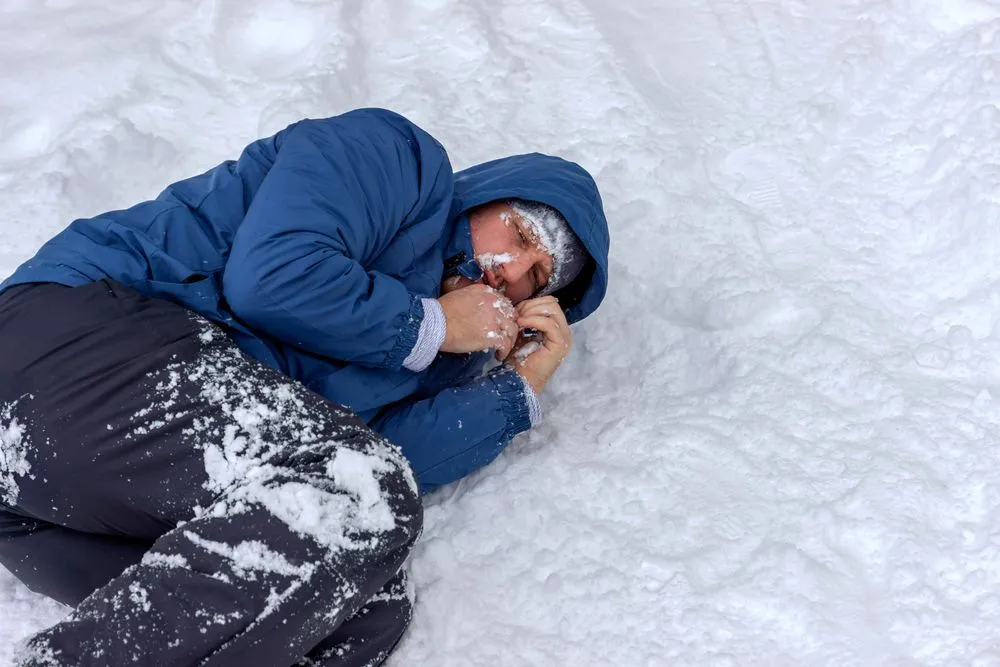
This was inspired by the curious case of Mitsutaka Uchikoshi, a Japanese man who tripped and broke his pelvis while on a mountain with his friends. He lost consciousness and was found twenty-four days later… still alive! Due to hypothermia, his body temperature had fallen to 22 °C (72 °F), slowing his metabolism almost to a standstill while leaving his heartbeat faint. He miraculously survived and fully recovered. Talk about luck!
Hibernation could also work in treating several diseases. Insomnia, which is linked to the body failing to cool down the way it normally does at bedtime, might in some cases be better understood (and treated) by studying how hibernators control their temperature. Research is also being carried out on understanding metabolism based on temperature, which is closely related to diseases like diabetes and obesity.
Can We Use This To Create Hibernation Pods For Space Travel?
NASA has been funding SpaceWorks Enterprises, a company at the forefront of research in artificially-induced hibernation for astronauts. Currently, space travel over great distances isn’t possible due to limitations like the requirement of food resources, and the need for astronauts to move around. However, in cryo-sleep, the need for food would be greatly reduced, since the metabolic processes of the astronauts would be drastically reduced, almost to zero.
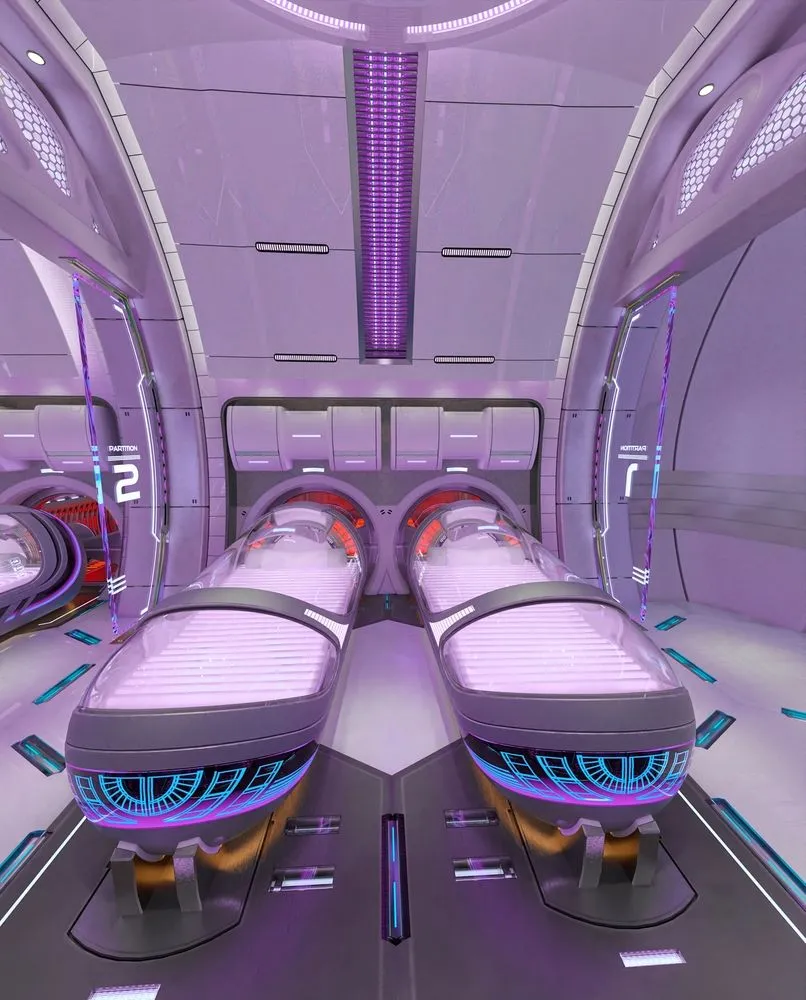
Since humans aren’t naturally equipped to store food in our bodies, administering some amount of food to the astronauts would be required, which could be done using a surgically inserted tube or an IV line.
It has been suggested that one of the astronauts would stay awake while the rest hibernated in two-week cycles, instead of having a long hibernation period for every traveler. Astronauts would be woken up after two weeks, allowing them to recover, and prepare for their next round of stasis.
This cycle design is also needed so that one person could be awake to take care of the crew and functions aboard the craft. Unlike the movie Passengers, we aren’t hi-tech enough to leave all our controls to a computer, sadly.
Another problem is how to lower the temperature of the astronaut’s bodies to around 32 °C (90 °F), without inducing shivering. On land, this is done by administering sedatives in a process known as ‘therapeutic hypothermia’ or ‘targeted temperature management’. However, in space, this isn’t a safe option. Researchers are still hunting for a way to flip that switch in people without sedatives. One promising lead came in 2023, when a team at Washington University in St. Louis used focused ultrasound to gently stimulate a temperature-control hub in the brain (the preoptic area of the hypothalamus), nudging mice and even rats into a brief, torpor-like drop in body temperature and metabolism. It is a long way from a human pod, but it hints that we might one day trigger torpor on demand, no deep freeze required.
In stark contrast with the ship shown in Passengers, the size of the spacecraft would be kept small, which would further reduce the cost of interplanetary travel. However, astronauts might get individual pods to rest in, which would be pretty cool. I’m sure they would need that space after years of staying together on a spaceship.
The only drawback (which is only logical), is that cryo-sleep won’t elongate your life like it does in the movies; it won’t keep you forever young. You’ll still be aging. In fact, since our bodies aren’t equipped for the environment in space, suspension in low gravity for too long causes a number of health issues. In microgravity, body fluids drift toward the head and raise pressure around the brain and eyes, which can blur and reshape astronauts’ vision (a condition NASA calls Spaceflight-Associated Neuro-ocular Syndrome). A possible solution for this is ‘neuromuscular electrical stimulation’, which would basically exercise the astronauts in cryo-sleep by sending electrical pulses into them, causing their muscles to contract.
With all the advancements, hibernation pods are no longer just pieces of fiction, but could soon be a reality. Once these issues have been tackled, space travel will get added to many more bucket lists, even mine!
Are Hibernation Pods Real, Or Do They Only Exist In Movies?
Short answer: you can’t climb into a working hibernation pod today. Humans don’t drift into torpor on their own the way true hibernators like bears do, and neither a hospital nor a space agency has a finished pod sitting on a shelf. But the idea is far from pure fiction, because it is being studied in earnest.
Besides the NASA-backed SpaceWorks research mentioned above, the European Space Agency (ESA) has run its own study, using its Concurrent Design Facility to sketch out sending a Mars crew into torpor. ESA estimates that dialing a crew’s metabolism down to roughly 25% of normal could shrink the spacecraft by about a third and sharply cut the food, water and oxygen the mission needs (a crew currently gets through around 30 kg of supplies per astronaut per day). In their concept, astronauts would rest in small individual pods that double as their cabins once everyone is awake.
The closest thing that genuinely exists right now is medical rather than spacefaring: the therapeutic hypothermia doctors already use to cool patients during surgery and trauma care. So the honest verdict is that the pods themselves are still on the drawing board, while the torpor science underneath them is real and steadily advancing.
Hibernation Pods, Stasis Pods And Cryosleep: Are They The Same Thing?
Science fiction tosses around “hibernation pod”, “stasis pod”, “cryosleep” and “cryo chamber” as if they all mean the same thing, but science draws a firm line between two very different ideas.

The first is induced torpor, and it is what NASA and ESA are actually chasing. It is a gentle, reversible cooling: the body dips a few degrees toward about 32 °C (90 °F), the heartbeat and metabolism slow right down, but the person stays alive and can be warmed back up afterward. It builds directly on real medicine, the therapeutic hypothermia described above. This is the realistic version of a “hibernation pod”, and it chills you rather than freezing you.
The second is cryosleep, known in the real world as cryonics or cryogenic freezing. Here a body is cooled to roughly −196 °C (−321 °F) and stored in liquid nitrogen. Crucially, cryonics can only begin after a person has been declared clinically and legally dead, in the hope that some future technology might revive them, and there is currently no scientific evidence that anyone can be brought back; the process cannot be reversed. So the “frozen solid until someone thaws you out” pod many of us picture is really cryonics, not the mild, wake-you-up torpor that space researchers are working toward.
References (click to expand)
- Andrews, M. T. (2007). Advances in molecular biology of hibernation in mammals. BioEssays. Wiley.
- Lyman, C. P., & Chatfield, P. O. (1955, April 1). Physiology of Hibernation in Mammals. Physiological Reviews. American Physiological Society.
- Can humans hibernate?. Medical Sciences Division, University of Oxford
- Is human hibernation possible? Going to sleep for long .... Phys.org
- Yang, Y., et al. (2023). Induction of a torpor-like hypothermic and hypometabolic state in rodents by ultrasound. Nature Metabolism.
- Hibernate for a trip to Mars, the bear way. European Space Agency (ESA).
- Torpor Inducing Transfer Habitat For Human Stasis To Mars. NASA.
- Cryonics. Wikipedia.