Table of Contents (click to expand)
Plants don’t sleep the way animals do, since they have no brain or nervous system and no true restorative sleep. They do, however, follow a circadian rhythm tied to the Sun. At night many plants make “sleep movements” (nyctinasty): leaves fold and whole trees can droop their branches by up to 10 cm (about 4 inches), then perk back up by morning.
What is the one activity that humans cherish the most? People might list a number of activities, such as eating delicious food, hitting the gym, playing your favorite musical instrument, or even watching your favorite show.
However, there is only one correct answer to the question – sleep! Remember, sleep is what keeps us alive (literally).

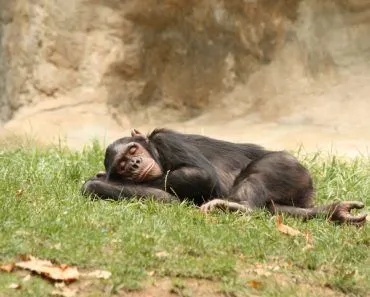
People sleep (usually) at night, while dogs and cats doze pretty much whenever they can. However, how about other living things, like plants? Whether or not your petunias get their daily snooze at the end of the day depends on how you actually define sleep.
First of all, plants don’t have a brain or a central nervous system, which is an essential regulator of sleep in animals. So plants don’t experience the deep, restorative sleep that we do. What they do have is a daily rhythm, and a set of nighttime habits that look surprisingly familiar.
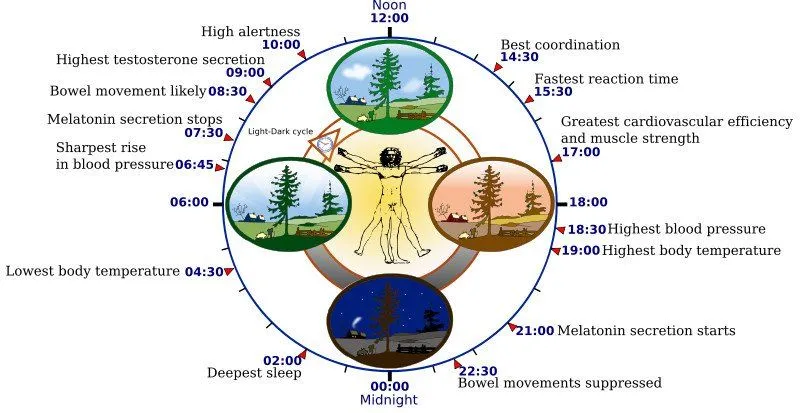
Just like humans, who work during the day and get their shut-eye at night, plants also work on the cycle of the Sun, and are known to have genes that switch on and off in what is known as a circadian rhythm. A circadian rhythm is basically a cycle that tells our bodies when to sleep, rise and eat, thus regulating many physiological processes. Botanists have noted these night habits for a long time: as far back as the 18th century, Carl Linnaeus described how certain leaves fold up at dusk, and Charles Darwin later studied the same movements. The technical name is nyctinasty, the “sleep movements” that plants like beans, peas and prayer plants make as their leaves close for the night. It turns out that even full-grown trees might spend some of their evening hours “sleeping” too.
Now, this isn’t the kind of sleep that we’re used to. For example, trees often relax and let their branches droop when the sun goes down. Apart from that, they also shut down certain processes, such as photosynthesis. When the sun goes down, the plant’s focus shifts to delivering glucose throughout the plant.

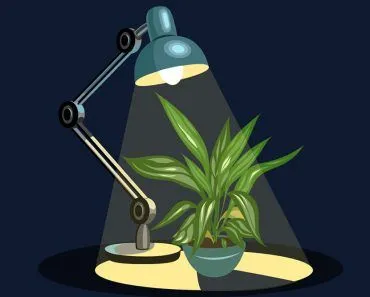
Sunlight is a key triggering element for humans that lets us know what time to sleep and when to be awake. The same is true of plants. While light and dark tell your body when to produce the hormone melatonin, which cues you to feel sleepy, light and dark help shape where a plant sends auxin, the main hormone that controls its growth and the way it bends toward light.
Research
In pursuit of an answer to this interesting question, a 2016 study by researchers from Finland, Austria and Hungary, published in the journal Frontiers in Plant Science, used laser scanners on fully grown trees to measure their ‘sleep movement’.
The team measured the plants’ activity using laser scanners, focusing them on two birch trees, one in Austria and one in Finland. The laser helped to build a complete 3D image of the trees. This enabled the researchers to track changes in the position of the trees’ leaves and branches down to the centimeter, while also allowing them to work at night without lights, ensuring that their presence didn’t accidentally disturb the plants’ day/night cycle. Both tests were done near the solar equinox (equal duration of day and night), under calm conditions, with no wind or condensation.
They found that the trees in both countries measurably drooped over the course of the night, with branches and leaves sinking by as much as 10 cm (about 4 inches). The lowest point came in the small hours, roughly an hour or two before sunrise, and the trees lifted back to their daytime posture within a few hours of first light. Seeing the same pattern at two distant sites allowed the team to rule out the effect of local weather and location.
However, the researchers aren’t convinced whether the drooping of leaves is an active process or a passive one. The drooping of leaves could be caused by a drop in the internal water pressure. During the day, when the plant is undergoing photosynthesis, a type of internal water pressure called ‘turgor pressure’ keeps the leaves and stems firm. In the absence of sunlight, this pressure can drop, since the plant isn’t photosynthesizing, and the branches sag.
What we can conclude is that trees do move at night in a way that, to us humans, looks a lot like sleeping. While this isn’t exactly what’s going on, it’s definitely an indication of a night cycle for plants that has never been recorded until now.
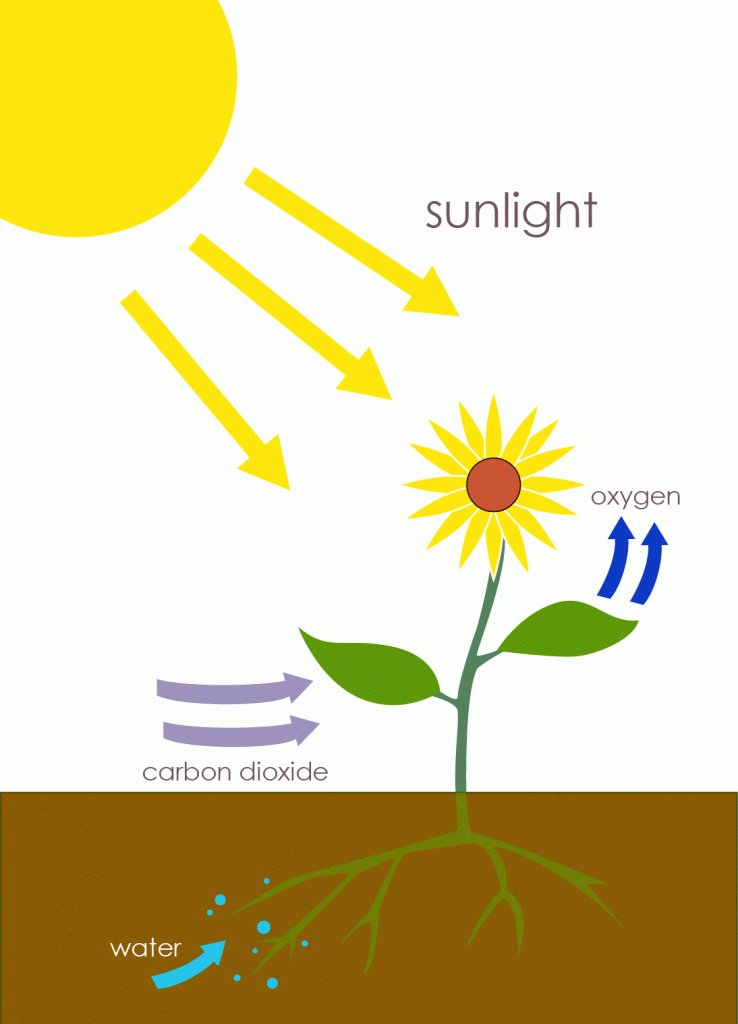
Plants may not be able to walk around town and hunt for food (or visit a convenience store, for that matter), but they do make small movements in order to maximize their exposure to energy-giving sunlight. During the day, they absorb sunlight in order to make energy through photosynthesis, which is technically a plant’s version of eating. Then, at night, they focus their attention on metabolizing the energy that they’ve taken in and then use it to grow.

Perhaps saying ‘good night’ to your garden before heading to bed isn’t that crazy after all!
References (click to expand)
- Quantification of Overnight Movement of Birch (Betula pendula) Branches and Foliage with Short Interval Terrestrial Laser Scanning. Frontiers in Plant Science
- Quantification of Overnight Movement of Birch Branches and Foliage. PMC, NCBI
- 'Sleeping' Birch Trees Rest Their Branches at Night. Smithsonian Magazine
- How do trees go to sleep? ScienceDaily
- Do Trees Sleep at Night? Live Science