Table of Contents (click to expand)
Procrastination comes down to a tug-of-war in the brain. The limbic system, which handles emotion and instant gratification, easily overpowers the prefrontal cortex, the slower "planner" behind your forehead. We delay tasks to dodge the bad feelings they stir up, swapping long-term goals for short-term mood repair. Brain scans even link heavier procrastination to a larger amygdala.
“The project isn’t due until Monday, so I have around 4 days on my hands. Time to watch the second season of Game of Thrones. (Next day arrives…) If I work for two days religiously, I’ll be fine. (Day before deadline arrives…) I only have one day left and I haven’t started yet! Why do our teachers give us such tight deadlines!”

Sound familiar? We all create similar situations every now and then. Like that time when you pulled an all-nighter to finish your history paper, or that time when you watched TV all day when you still had a pile of work to get through. This is all part of procrastination. There’s actually far more science behind procrastination than you might expect. In recent years, psychologists and researchers around the world have been asking: what is it about the human mind that drives us to put off the things that actually matter a great deal to us?
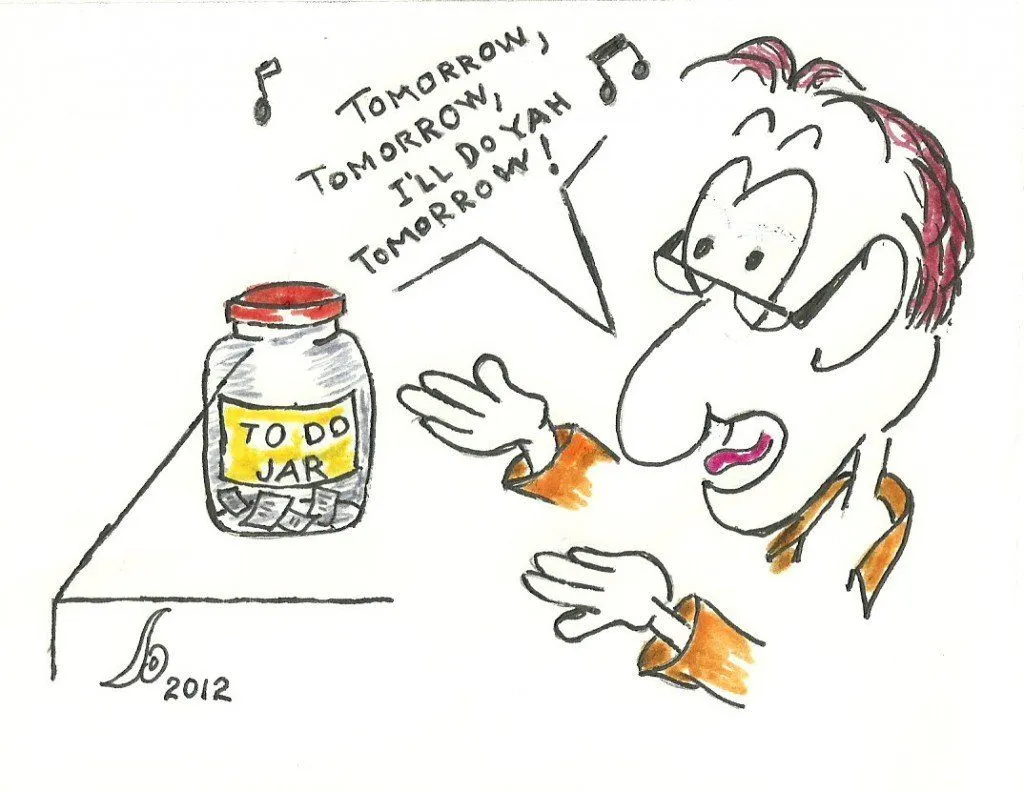
What Drives Us To Procrastinate?
Procrastinators are everywhere. It’s a universal problem. Even so, why do so many people tend to procrastinate?
For starters, human brains are wired to do so. We can picture this whole process as a fight that has been sparked between two parts of the mind when it’s faced with a tedious task: a battle of the limbic system (the unconscious zone that includes the pleasure center) and the prefrontal cortex (the internal “planner”). When the limbic system dominates, which is pretty often, the result is putting off until tomorrow what could (and should) be done today.
It is futile to blame your dirty procrastination habits on heredity, star signs, or the weather. Your choice to procrastinate all comes down to one simple thing – the wiring of your brain.
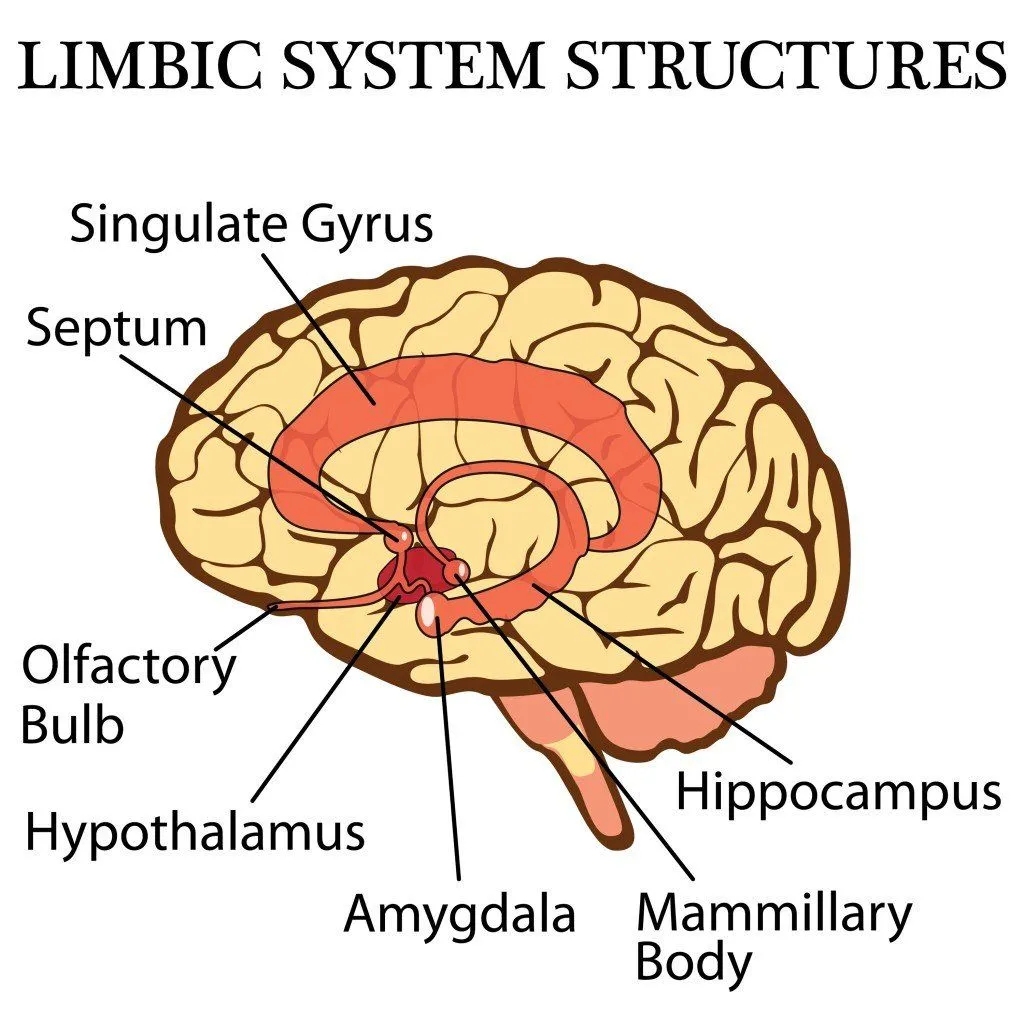
The limbic system, which is one of the most dominant portions of our brain, is always working and matures early in life, well before the brain’s “planning” regions are fully wired up. This limbic system controls our mood and instinct. Basic emotions like fear, anger, and pleasure, as well as certain “drives”, such as libido, is under the control of this system. For example, the limbic system tells you to move your hand if it is near a cactus plant, or in a greater sense, it urges you to get away from seemingly unpleasant tasks.
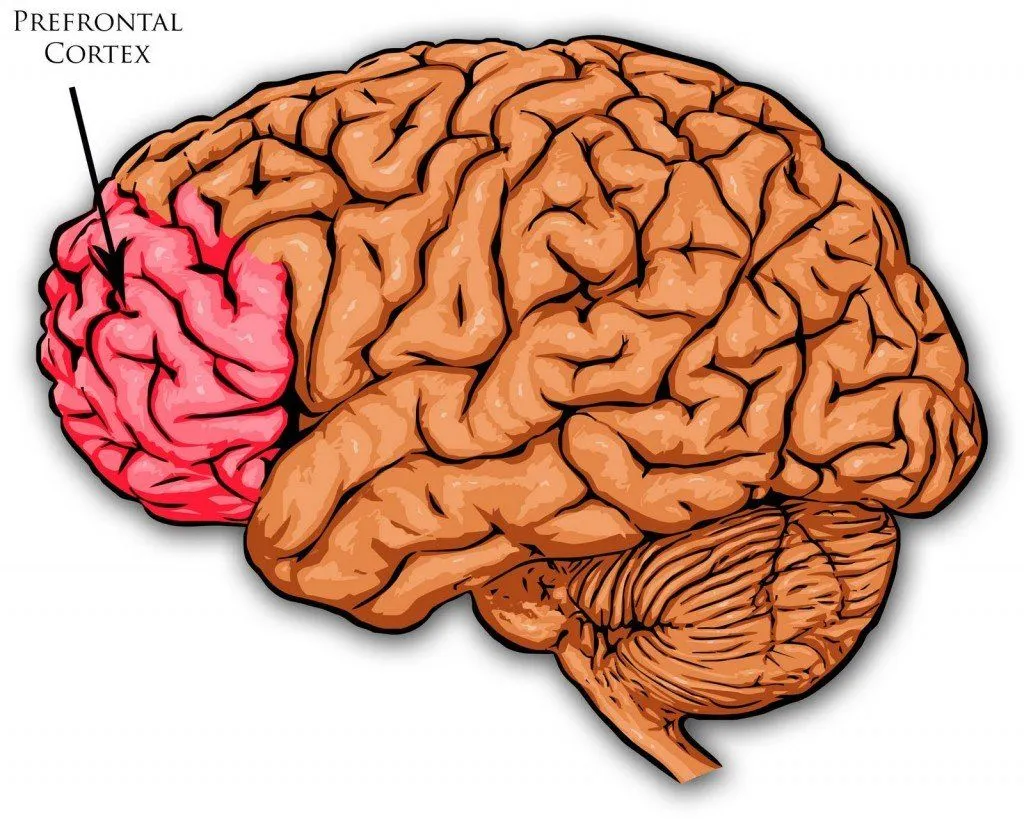
The prefrontal cortex is a weaker portion of the brain that is located right behind the forehead. This is where you assimilate information and make decisions. It’s also the last part of the brain to fully mature, reaching its final wiring only in our mid-20s, which is part of why willpower can feel like such hard work. The prefrontal cortex is what eventually forces us to complete a job or task. This part doesn’t work automatically. We need to put in effort to make it function. As soon as you lose focus on a particular task, the limbic system takes over. This is when you become more interested in doing something that pleases you; thus, procrastination kicks in.
 Procrastinators want people to believe that they’re busy, so that people don’t evaluate them negatively by calling them ‘lazy’. When procrastination kicks in, the following changes occur in our brain.
The amygdala is the section of the brain associated with our automatic emotional reaction to a situation. In moments of being overwhelmed, such as having many tasks to do or a particularly difficult one, there is a fight (resistance) or flight (ignore) reaction.
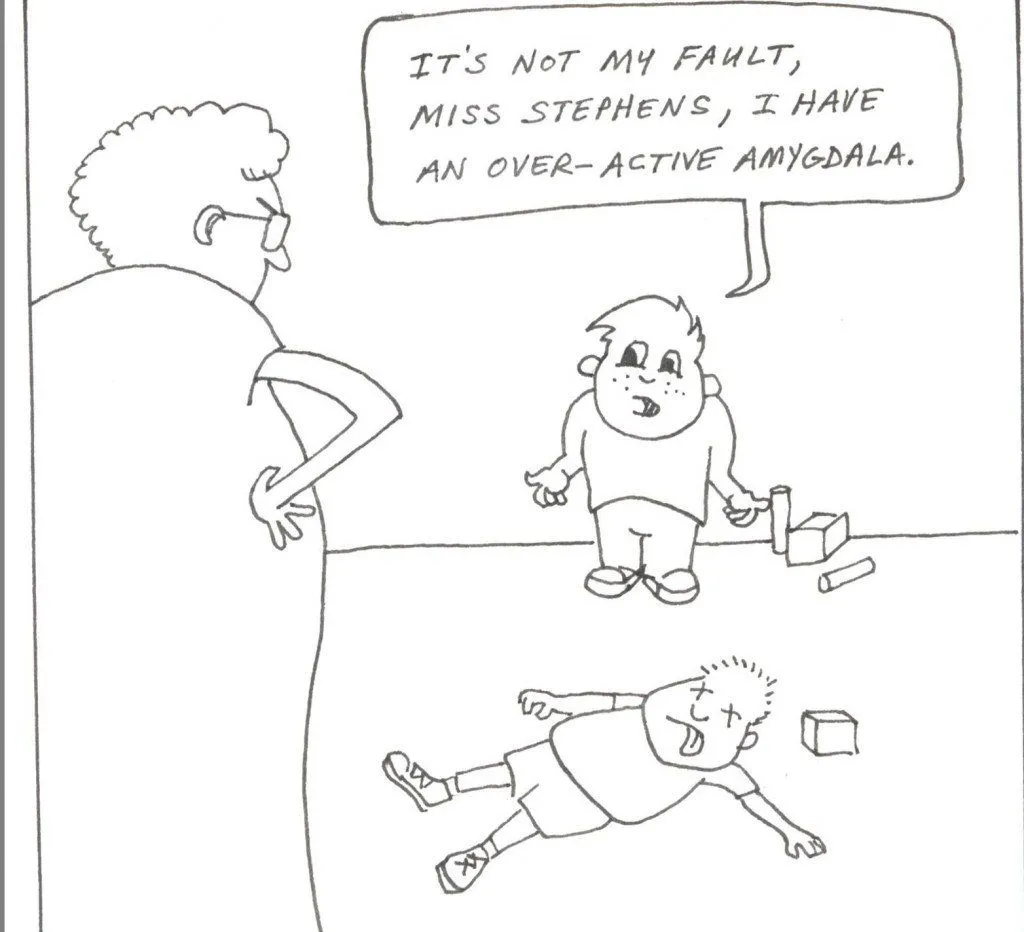
Both are forms of procrastination – the brain is protecting us against possible negative feelings. The norepinephrine chemical takes over, causing increased levels of fear and anxiety. That’s when adrenaline gets pumped into the picture.
Here’s the twist that researchers have landed on more recently: procrastination isn’t really about poor time management at all. It’s about managing your mood. When a task feels boring, stressful, or just plain unpleasant, we put it off to escape those bad feelings, trading our long-term goals for a quick hit of short-term relief. Psychologists call this “short-term mood repair,” and it’s why we so often give in to feel good now and pay for it later.
There’s even brain-scan evidence to back this up. In a 2018 study, researchers at Ruhr University Bochum in Germany scanned the brains of 264 people and found that those with the weakest grip on procrastination tended to have a larger amygdala, along with a weaker connection between the amygdala and the region that normally keeps it in check. In other words, their internal alarm bell was both louder and harder to silence, making it that much tougher to just sit down and get started.
Conclusion
Our brain is like a drug addict. We are addicted to dopamine, which is produced by pleasurable experiences, and so long as a task has a higher likelihood (or perceived future likelihood) of producing dopamine, our brain is addicted to perform these activities while actively avoiding the others. This is the scientific explanation behind procrastination, so at least you don’t have to just feel like a lazy bum anymore. Blame science!
A hilarious take on procrastination:
Hang in there, folks, because procrastination is a biological phenomenon, but there are many ways to avoid it if you really want to. Until then, Happy Procrastinating!
References (click to expand)
- Gustavson, D. E., Miyake, A., Hewitt, J. K., & Friedman, N. P. (2014, April 4). Genetic Relations Among Procrastination, Impulsivity, and Goal-Management Ability. Psychological Science. SAGE Publications.
- Ferrari, J. R., Johnson, J. L., & McCown, W. G. (1995). Procrastination Research. Procrastination and Task Avoidance. Springer US.
- Working Papers - faculty.haas.berkeley.edu
- Schlüter, C., et al. (2018). The Structural and Functional Signature of Action Control. Psychological Science. PubMed, National Library of Medicine.
- “I’ll Worry About It Tomorrow” – Fostering Emotion Regulation Skills to Overcome Procrastination. Frontiers in Psychology. PMC, National Library of Medicine.