Table of Contents (click to expand)
The leading evolutionary explanations for human kissing are that it grew out of mothers mouth-feeding their infants, that it lets us sniff out a genetically compatible mate, and that it evolved from the lip-and-suction gesture great apes use to finish grooming. A 2025 study traced kissing back to a common ape ancestor that lived roughly 21 million years ago.
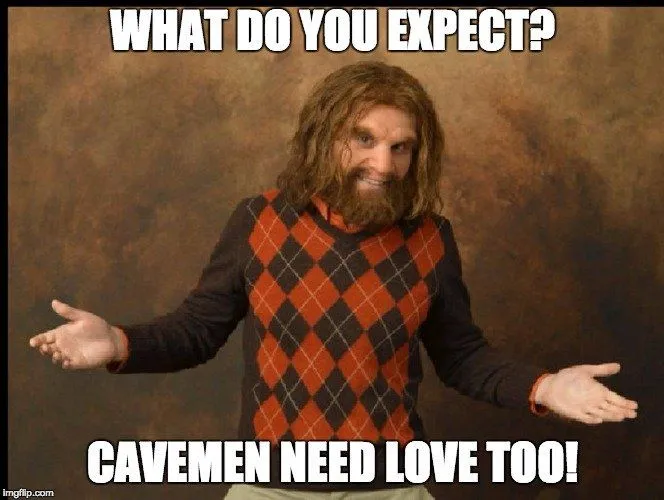
Think of the last time you saw someone who you found wildly attractive from across the room. You look at their face, the shape of their body, or the way they move on the dance floor. There is something about them that draws you in, and if you’re lucky enough to make their acquaintance, and woo them far enough into an intimate embrace, the first definite sign of mutual attraction is almost certainly a kiss.
Yes, locking lips is something that we’re all familiar with, from passionate movie conclusions to the romantic energy we feel with our chosen partner, but where did this peculiar habit come from? Our mouths are used for many other essential functions (drinking, eating, speaking, expelling gases etc.), but they also function as our tools of romance.
Do any other species engage in this strange courtship tradition? Or is this just a weird human quirk? Or is there a more significant evolutionary explanation for humanity’s love for locking lips?
A Possible Source Of The Smooch
Although we commonly associate kissing with pop culture and romantic embraces at those perfect moments, kissing (pressing our mouths against another human’s mouth, often while exchanging saliva or engaging in contact with our tongues) is far from a modern advancement.
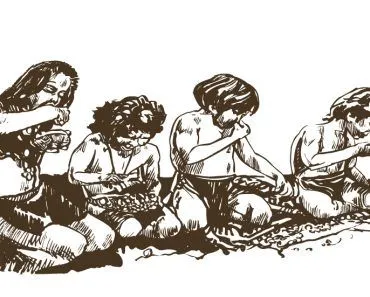
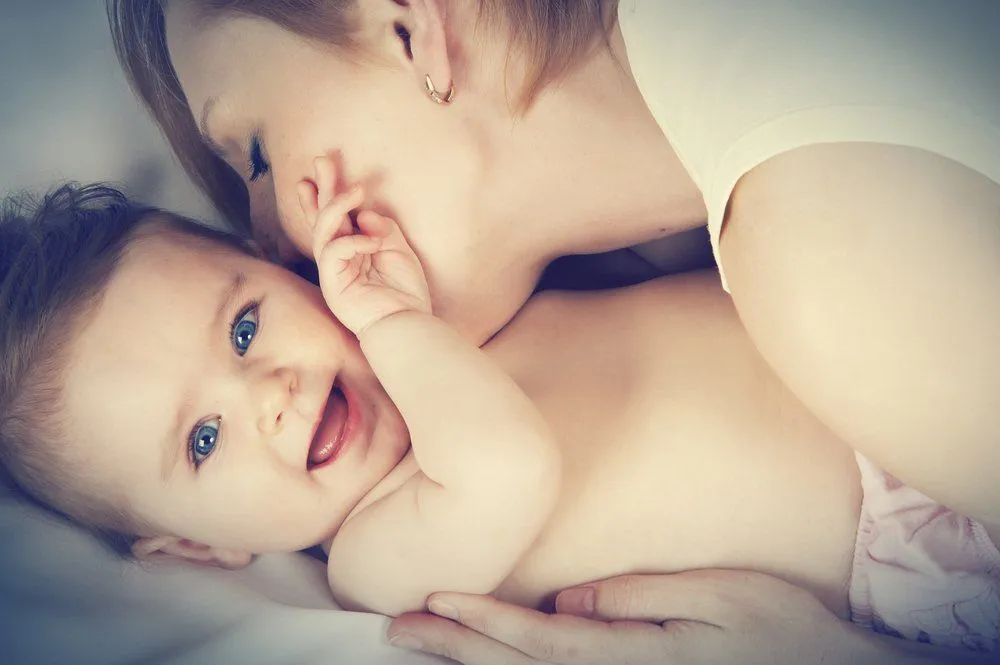
Although most of the concepts behind the history of kissing is merely theoretical, some concepts make a lot of sense. For example, thousands of years ago, human mothers may have passed food into the mouths of their newborn infants from their own mouth (similar to birds, who commonly transfer food to their toothless offspring via regurgitation). Remember, there were no bottles back then, nor convenient jars of Gerber baby food. This action may have been continued by mothers pressing their mouths against babies to comfort them, thus creating a learned behavior in those children.
When they grew up, the idea of kissing represented comfort, safety, and familial connection, which could have easily grown into a cultural behavior that has remained to this day.
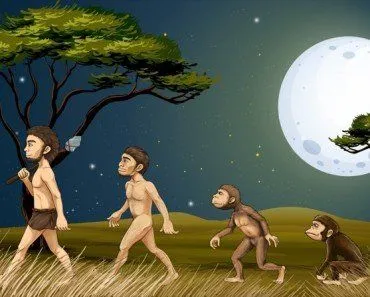
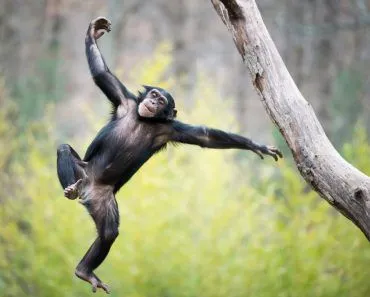
There's a newer twist on the origin story too. In 2024, primatologist Adriano Lameira proposed the "groomer's final kiss" hypothesis: grooming great apes finish picking through a partner's fur with a quick puckering-and-suction motion to lift off the last bit of debris or a parasite. As our ancestors lost their body hair, the theory goes, the grooming itself faded away, but that final lip gesture stuck around as a stripped-down signal of trust and affection. And the habit may be far older than we are. A 2025 analysis published in Evolution and Human Behavior mapped kissing across the primate family tree and concluded that it likely arose in a common ancestor of the great apes roughly 21 million years ago (the model's best estimate falls between 21.5 and 16.9 million years). The same study suggests our extinct cousins, the Neanderthals, almost certainly kissed too.
Does Evolution Come Into Play?
Most of our instinctual behaviors, whether we like them or not, can be traced back to evolutionary origins. Unsurprisingly, scientists who study the evolutionary history of kissing (more formally known as philematologists), have attempted to provide an answer to what kissing does for our survival.
As it turns out, kissing is one of the best ways that humans have to sniff one another. By pressing your face so close to a potential mate, you are in a prime position to sniff out their pheromones, which are the chemicals secreted in our sweat and bodily fluids that influence mating behavior in most animals. Kissing allowed men and women to determine whether their potential mate would be a good reproductive match.
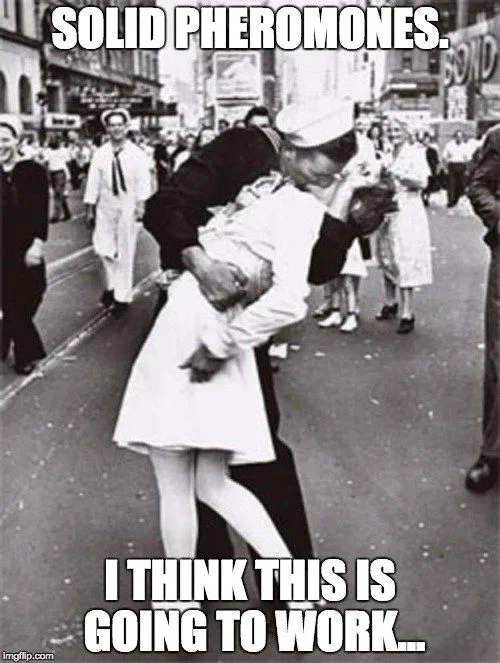
In fact, modern studies have shown that women prefer pheromones of men with different genetic immunities than themselves; this combination of immunity would result in stronger offspring, making the object of their kiss a much better mate. As we’ve seen countless times, both in humans and other species, the inherent evolutionary drive to survive and produce the “fittest” offspring is a strong factor behind reproduction. Thanks, Darwin!
Another influential study, by psychologists Susan Hughes and Gordon Gallup, argued that kissing works as a mate-assessment and bonding tool, which may be one reason women tend to be more invested in the quality of kissing than men. The researchers also speculated that, over repeated kissing, men may pass small amounts of testosterone to women through their saliva, and that this hormone could nudge up a woman's arousal and receptivity.
In other words, if you’re looking for love, make sure your mouth isn’t dry!
Are Humans The Only Species That Kiss?
Trying to picture most animals making out is a bit silly (flamingos locked in a passionate lock…. I don’t think so), but you might be surprised to know that we aren’t the only species who perform this saliva-swapping habit. There are countless species who put their faces together to show affection or friendliness, but this is mainly through rubbing noses or nuzzling.
However, squirrels, puffins, snails, cows, elephants, and many other species tend to pucker up with their partners or other close connections within their clan or family. Chimpanzees and bonobos (our closest living relatives, and great apes rather than monkeys), as well as many other primate species, also engage in kissing. Given our close evolutionary link to those two species, it comes as no surprise that humans do the same thing.
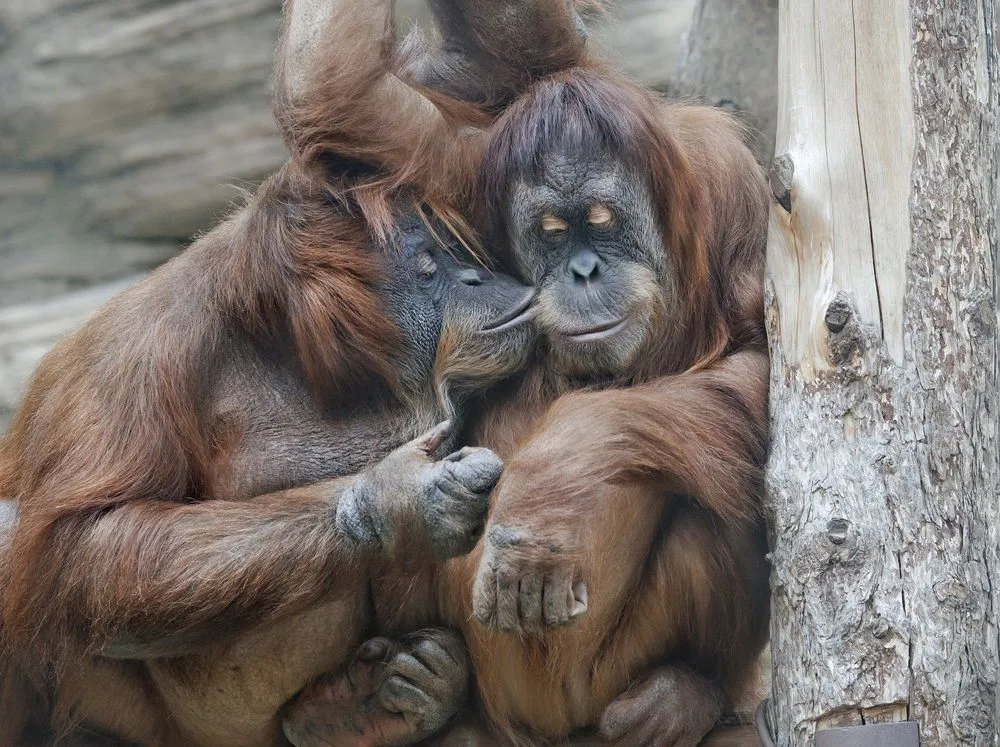
In fact, through behavioral analysis and intense study, it has been shown that these primates engage in kissing for many of the same reasons as humans, including showing affection, making up after a conflict, and strengthening social bonds. Rather than each species inventing this somewhat strange behavior on its own, it looks like we simply inherited it: that 2025 family-tree analysis points to a shared ancestor who was already puckering up long before humans existed.
Behaviorally speaking, aside from pheromone interactions, kisses also allow us to measure taste, odor, and even posture of our potential mates, as well as their desire and creativity in expressing affection. This passion profile can be an unconsciousness determination of whether you have found a good match, not only evolutionarily, but just for a good time!
Who Likes Kissing More? Men Or Women?
Although every relationship is probably different, modern behavioral research has shown that women place more importance on kissing with their partner than men, and often use it as a means of measuring the status or strength of a connection. On the other hand, men often see kissing as a “gateway” to other sexual interactions or intercourse.
However, this theory doesn’t hold up under the basic physical analysis of a kiss. The tongue and mouth are packed with nerve endings, so kissing is equally “stimulating” to both sexes, and can often intensify the feelings of desire experienced when you’re “falling in love”… or at least “in lust”.
While we don’t have an exact answer to why human beings kiss, or what evolutionary significance it holds for us, we know that it’s a lot of fun, and we’re probably not going to stop anytime soon. In other words… pucker up!
References (click to expand)
- Hendrie, C. A., & Brewer, G. (2010, February). Kissing as an evolutionary adaptation to protect against Human Cytomegalovirus-like teratogenesis. Medical Hypotheses. Elsevier BV.
- The reasons humans started kissing - BBC Future. BBC Online
- Why Do We Kiss? | Psychology Today. Psychology Today
- Why Do People Kiss? | Live Science. Live Science
- Lameira, A. R. (2024). The evolutionary origin of human kissing. Evolutionary Anthropology. NCBI PMC.
- Kissing May Have Evolved 21.5 Million Years Ago in Ancestor of Great Apes and Humans. Scientific American.