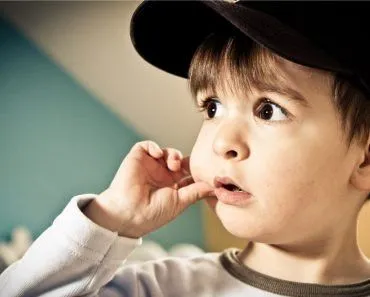
Our jaw drops when we’re shocked for two main reasons. First, it’s a universal facial signal — recognised across cultures and identified by researchers like Charles Darwin (1872) and Paul Ekman — that broadcast surprise and fear back when our ancestors had no words. Second, it’s the body’s fight-or-flight reflex preparing the lungs: an open mouth is the fastest way to gulp in oxygen for a quick burst of action.
A magician pulls off an unbelievable trick right before your eyes. Our favorite character in a television show is unexpectedly killed off in dramatic fashion. A professional athlete makes a miraculous catch at the last instant against impossible odds….
What do all these events have in common? Well, for most people in the world, it would result in our jaw dropping in shock or surprise. We look a bit silly when we’re caught open-mouthed, but it seems to happen to people all over the world, even Blake Griffin, so don’t feel too embarrassed.
The fact that it happens is undeniable, but what’s more interesting, of course, is WHY our jaws seem to drop when something completely surprises us.
Communicating The Unexpected
Despite the diversity of human beings on this planet, there are a few universal emotional responses that are found in cultures from here to Timbuktu. Anger, sadness, fear, and surprise are all signified by similar facial expressions by human beings. This is a remnant from the days before language, when people had to accurately communicate without the help of organized words and phrases. If we wanted to express an emotion that we were feeling, and have others understand us, then a uniform means of expression was needed.

Shock is closely linked to fear, so when something terrifies us, we often open our eyes wide and our mouth drops open, just as it does when something takes us completely by surprise. This tells other people around us that something frightening or shocking is occurring. While large-scale anthropological studies of this kind can be difficult and often deemed “inconclusive” based on the limited size of the subject group, this belief in the development of common expressions dates back to Darwin, who argued that, “Every true or inherited movement of expression seems to have had some natural and independent origin. But when once acquired, such movements may be voluntarily and consciously employed as a means of communication.”
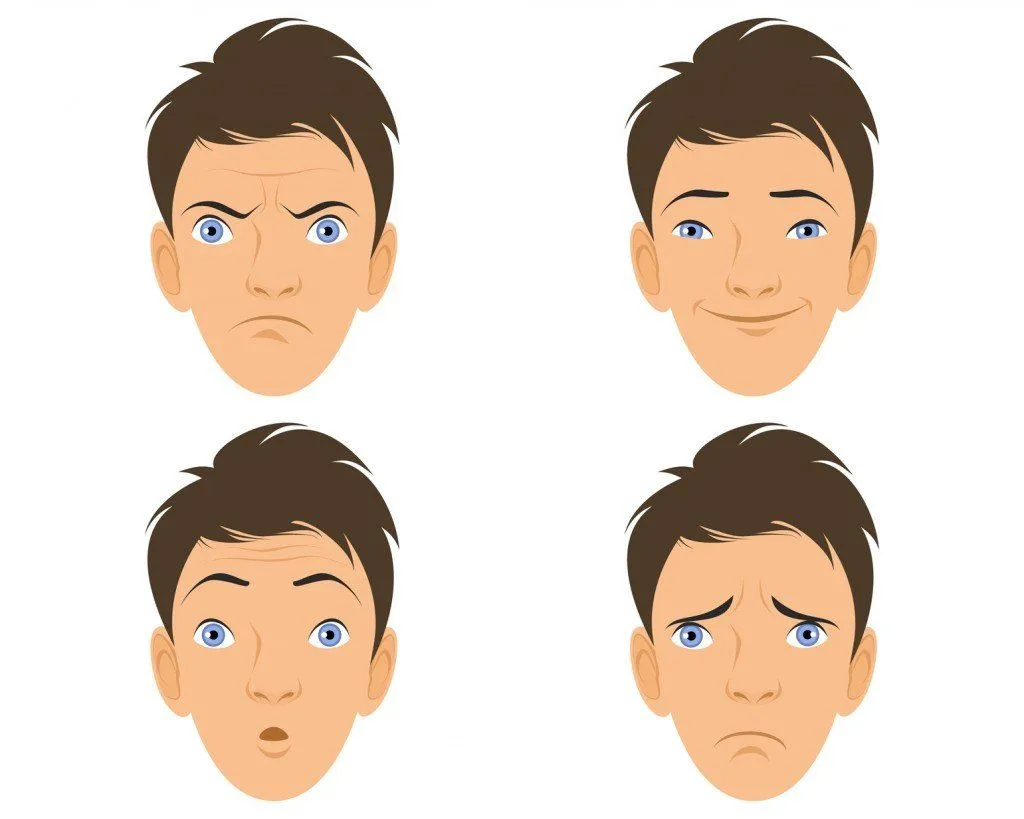
This early form of emotional communication would have helped us protect others in our “tribe” or “family” by communicating the presence of danger – an important component of kin altruism and natural selection.
Related to this idea posited by the Father of Evolution is the facial feedback hypothesis, which basically suggests that facial movement and expression is closely linked to emotion, and can actually influence the emotional experience of an individual. Basically, we wouldn’t be able to completely “feel” the emotion of shock if we didn’t accompany it with the relevant emotional expression.
Fight Or Flight: Shock And Awe Edition
As mentioned above, surprise and fear are thought to be closely linked, and when we talk about fear, it’s almost impossible not to mention the body’s natural fight or flight response. For those of you who don’t know the details, the fight or flight theory was first proposed in 1915 by physiologist Walter Bradford Cannon. He showed that in response to a fearful or dangerous situation, animals experience involuntary actions by the sympathetic nervous system — typically in the form of a release of stress hormones (adrenaline and norepinephrine).
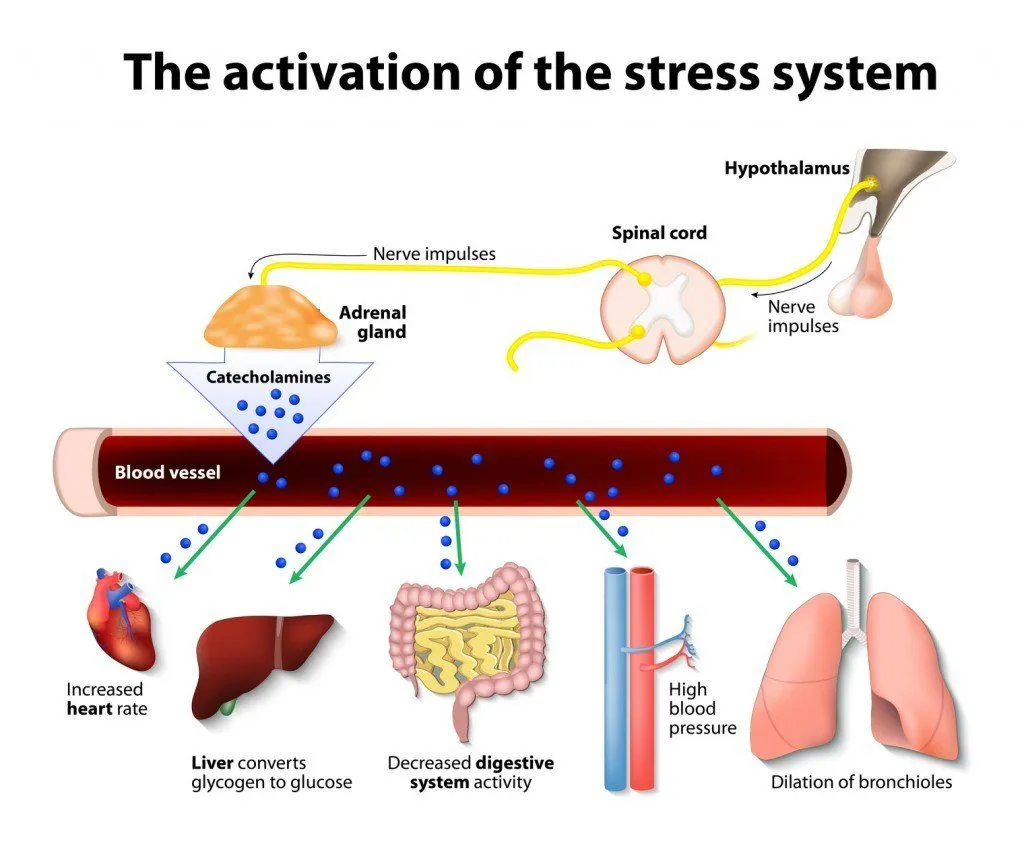
This causes a number of physiological effects in the body, such as increased blood flow and breathing rate, and contracted muscles. Essentially, the body is ready to “fight” the perceived threat or take “flight” to avoid it. Both of those activities require a boost of adrenaline and energy, but some of the other physiological effects are less dramatic. Our jaws may drop open when we are shocked because the quickest way to draw a massive breath of life-giving oxygen is to open our mouth and suck in some air!
Our muscles need a huge influx of oxygen to contract and work efficiently when in a stressful situation, and the body naturally prepares itself to take in that air by leaving us open-mouthed. Although this was his opinion from 1872, Darwin also had some specific comments on this phenomenon: “We always unconsciously prepare ourselves for any great exertion, as formerly explained, by first taking a deep and full inspiration, and we consequently open our mouths.”

Why Do We Cover Our Mouths When We're Shocked?
Here's the funny part: half a second after the jaw drops, a hand often shoots up to cover the very mouth that just fell open. Watch any reaction video, or your own friends when you spring bad news on them, and you'll see it again and again. So why do we slam the door right after opening it?

There isn't one tidy answer, but a few threads run through the research. The first is plain damage control. As we saw above, surprise yanks the mouth open for a sharp gulp of air (and, often, an involuntary gasp or yelp). For a social animal, broadcasting a loud, uncontrolled noise is not always wise, so clapping a hand over the mouth is a quick way to muffle the sound and rein the reaction back in. It's the body's volume knob.
The second thread is concealment. Our faces leak our feelings whether we like it or not, and a hand over the mouth is a fast way to hide an expression we'd rather not show, whether that's fear, disgust, or a giggle we're trying to swallow at the worst possible moment. We literally put up a screen between our emotions and the people watching us.
The third, and perhaps the most interesting, is self-soothing. Touching our own face appears to be a built-in coping tool. When researchers tracked spontaneous facial self-touch with EEG, they found these little gestures coincide with brain activity tied to emotional regulation, and they happen more often when we're processing something unpleasant or stressful. A separate randomized trial found that deliberate self-soothing touch actually lowered people's cortisol (a key stress hormone) response to a stressful task, on par with receiving a hug. In other words, that hand pressed to the mouth may be quietly telling your nervous system, "It's okay, I've got this." Like the dropped jaw itself, the gesture shows up across very different cultures, which hints that it isn't purely a learned bit of etiquette but has some deeper wiring behind it.
And Why Do Our Hands Fly To Our Head?
The mouth isn't the only target. When the shock tips over into dismay (think of a striker missing an open goal, or a fan watching the replay in disbelief), the hands often shoot straight up to grab the head instead. It's one of the most universal images in all of sport, and you'll see the identical pose on faces from London to Lagos.

The science here overlaps heavily with the hand-to-mouth move. Bringing the arms up and clasping the head is, at heart, another self-soothing gesture: skin-on-skin contact that the same touch research links to calming the stress response. It also makes the body smaller and shields the face, a defensive posture that would have made sense back when a shocking event might genuinely have been a threat. And because the surprise we're talking about is so often negative surprise (the catastrophe nobody saw coming), the gesture has become a kind of shorthand for "I cannot believe what I'm seeing." So the next time your team concedes in stoppage time and your hands fly up of their own accord, blame your nervous system reaching for the nearest comfort it can find. It's the same ancient toolkit that drops your jaw in the first place, just aimed a little higher.
The Final Word
While Darwin’s wisdom is respected across the world, there are many behavioral scientists who have challenged his work in recent years, and have posited their own explanations of our emotional expressivity. Our jaw-dropping habits could be the result of an inherent stress response, a vestigial means of communication, or a culturally learned habit to mimic commonly accepted expressions, but a definitive answer is still elusive.
Research is still ongoing on the subject, so we must admit… science doesn’t have all the answers yet!
We know, it’s shocking, so pick up your jaw and move on with your life. Perhaps we’ll have the answer soon!
References (click to expand)
- Understanding the stress response. Harvard University
- E Drake. The Facial Feedback Hypothesis: Does it Apply to People with .... The University of Texas at Tyler
- S Novotny. The Science of Breathing. The University of New Mexico
- Ekman P, Friesen WV. Constants across cultures in the face and emotion. Journal of Personality and Social Psychology (1971). American Psychological Association
- Cognitive and emotional regulation processes of spontaneous facial self-touch. Cognitive, Affective, & Behavioral Neuroscience. PMC, NCBI
- Dreisoerner A, et al. Self-soothing touch and being hugged reduce cortisol responses to stress. Comprehensive Psychoneuroendocrinology (2021). PMC, NCBI
- Why do we cover our mouths when startled or shocked? BBC Science Focus