Table of Contents (click to expand)
The two indigestible chemicals in almonds are dietary fiber and phytic acid. The body lacks the enzymes to break down or absorb either one, yet both are still useful: fiber supports gut health and bowel regularity, while phytic acid acts as an antioxidant.
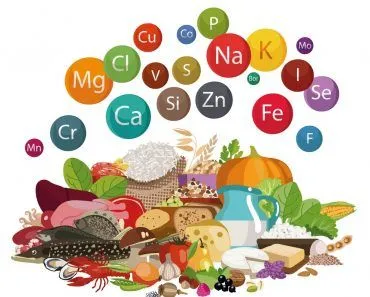
It is a well-accepted fact that almonds are good for you. They are a dense source of protein, packing roughly 21 grams into every 100 grams (about 6 grams in a 28-gram handful). They also supply many essential micronutrients, such as phosphorus (around 481 mg per 100 grams), calcium, iron, zinc and vitamins B2 and E, amongst many others, and they carry antioxidant properties too.
Why Can’t We Digest Almonds Completely?
Almonds contain fibers and phytic acid. Both constitute a significant amount by weight in many nuts. Every 100 grams of almonds contain about 12 grams of complex dietary fibers. The concentration of phytic acids in almonds can reach up to 9.4% of the total weight.
These two nutrients pass through the digestive tract relatively untouched and are excreted in much the same form that they come in.
What Is Phytic Acid?
Phytic acid is a complex organic compound found in abundance in many plants, such as those that give us cereals, legumes, oil seeds and nuts. Plants convert much of the extra phosphorus available to them into phytic acid. The plants can later break down phytic acid to release the stored phosphorus for their use.

However, humans do not have the enzyme required to break down phytic acid.
What Are Fibers?
Fibers are long-chain carbohydrates built from chains of simple sugar units. Cellulose, the most common dietary fiber, is a long string of glucose units, while other fibers also incorporate sugars like galactose and arabinose.
Unlike digestible carbohydrates, like starch, fibers cannot be broken down or absorbed into the body. The human digestive system doesn’t have enzymes to break the chemical bonds (beta-glycosidic linkages) that define plant fibers.

They travel down the system and are excreted in their original form.
What Does Phytic Acid Do In The Body?
Even though we can’t digest phytic acid, it is still an important chemical. One of the most beneficial properties of phytic acid is its antioxidant effect in the body.
Free radical oxidation in the body damages and kills cells, and consequently, contributes to aging. Antioxidants are molecules that neutralize free radicals and stop them from harming the body's cells. Phytic acid does this in a clever, indirect way. It binds, or chelates, metal ions like iron, locking them up as phytates. Free iron is a major catalyst for producing harmful hydroxyl radicals (through the Fenton reaction), so by tying up that iron, phytic acid prevents many of those radicals from ever forming.
The antioxidant effect of phytic acid means that it can prevent reactive oxygen species from damaging the body’s DNA. Preventing DNA damage in turn prevents the uncontrolled growth of cells (cancer). While drugs containing phytic acid and its various forms are still under study for potential anti-cancer properties, research has provided evidence that the micronutrient could prevent cancerous growth.
Additionally, this molecule might also help in reducing high cholesterol levels. Studies suggest that phytic acid may be one of the reasons behind the anti-diabetic and cholesterol-lowering qualities of almonds.
Despite not being digested, and preventing the uptake of certain micronutrients, phytic acid still has plenty of benefits.
What Do Fibers Do In The Body?
Though we can’t digest fibers, they’re a crucial part of our diet. Because there isn’t enough data to set a precise Recommended Dietary Allowance for fiber, nutrition authorities instead use an Adequate Intake (AI), the amount assumed to meet the needs of a healthy person. The National Academy of Medicine sets this figure at roughly 25 grams per day for adult women and 38 grams per day for adult men.
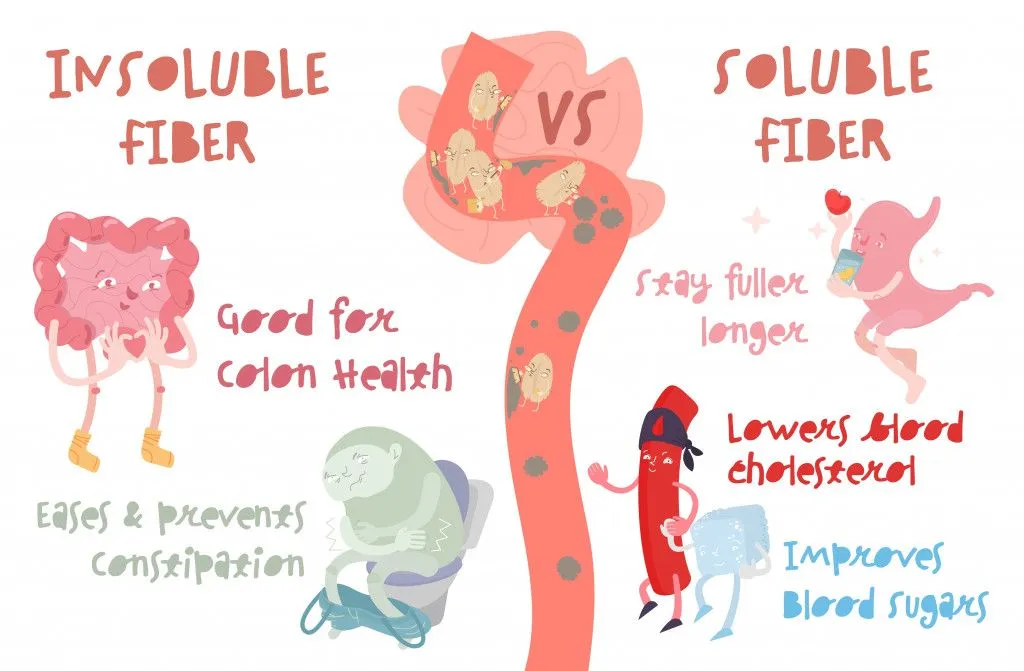
Fibers help us regulate bowel movements. It has immense water absorptivity and shows cation exchange properties. The end of the large intestine is specialized to absorb large quantities of chloride and sodium ions. Fiber helps in promoting this ion exchange.
Dietary fiber comes in two forms, and almonds carry both. The bulk of an almond’s fiber is insoluble (roughly 3.5 grams in a 28-gram handful), the kind that adds bulk to stool and keeps things moving through the gut. A smaller share is soluble fiber (under a gram per handful), which dissolves into a gel and helps trim LDL (“bad”) cholesterol and steady blood sugar. The two work together, which is part of why almonds are such a friendly snack for digestion.
Hence, dietary fiber is important for the metabolic functions of the lower digestive tract.
Conclusion
Almonds are seeds (the edible kernel of a stone fruit, or drupe) that pack significant amounts of micronutrients required by the body. They also contain two key ingredients that are indigestible by the body, but are still beneficial to a great degree.
The first indigestible chemical in almonds is fiber, which is commonly found in a number of fruits, vegetables and plant seeds. Fiber is extremely important for gut health. It helps in the proper digestion and excretion of food, and also contributes towards water absorptivity in the large intestine.
The second indigestible chemical is phytic acid, the main storage form of phosphorus in plants. Phytic acid is also found in cereals and oilseeds. It may be indigestible in humans, but it does demonstrate antioxidant properties inside the body.
Thus, even the indigestible parts of this nutritious seed are important for individuals. Almonds not only provide necessary fats and vitamins, but also help in other critical functions of the body!
References (click to expand)
- Batool, Z., Sadir, S., Liaquat, L., Tabassum, S., Madiha, S., Rafiq, S., … Haider, S. (2016, January). Repeated administration of almonds increases brain acetylcholine levels and enhances memory function in healthy rats while attenuates memory deficits in animal model of amnesia. Brain Research Bulletin. Elsevier BV.
- Kamil, A., & Chen, C.-Y. O. (2012, February 17). Health Benefits of Almonds beyond Cholesterol Reduction. Journal of Agricultural and Food Chemistry. American Chemical Society (ACS).
- Definition of chelating agent - NCI Dictionary of Cancer Terms. cancer.gov
- Romano, N., & Kumar, V. (2018). Phytase in animal feed. Enzymes in Human and Animal Nutrition. Elsevier.
- Jenkins, D. J. A., Kendall, C. W. C., Josse, A. R., Salvatore, S., Brighenti, F., Augustin, L. S. A., … Rao, A. V. (2006, December). Almonds Decrease Postprandial Glycemia, Insulinemia, and Oxidative Damage in Healthy Individuals. The Journal of Nutrition. Elsevier BV.
- Nissar, J., Ahad, T., Naik, H. R., & Hussain, S. Z. (2017). A review phytic acid: As antinutrient or nutraceutical. Journal of Pharmacognosy and Phytochemistry, 6(6), 1554-1560
- Graf, E., Empson, K. L., & Eaton, J. W. (1987). Phytic acid. A natural antioxidant. The Journal of Biological Chemistry, 262(24), 11647-11650. PubMed.
- Barber, T. M., Kabisch, S., Pfeiffer, A. F. H., & Weickert, M. O. (2020, October 21). The Health Benefits of Dietary Fibre. Nutrients. MDPI AG.
- Nuts, almonds (FDC ID 170567). FoodData Central. U.S. Department of Agriculture, Agricultural Research Service.
- The Role of Dietary Fiber in Health Promotion and Disease Prevention. StatPearls. NCBI Bookshelf.
- High-fiber foods - Mayo Clinic. The Mayo Clinic