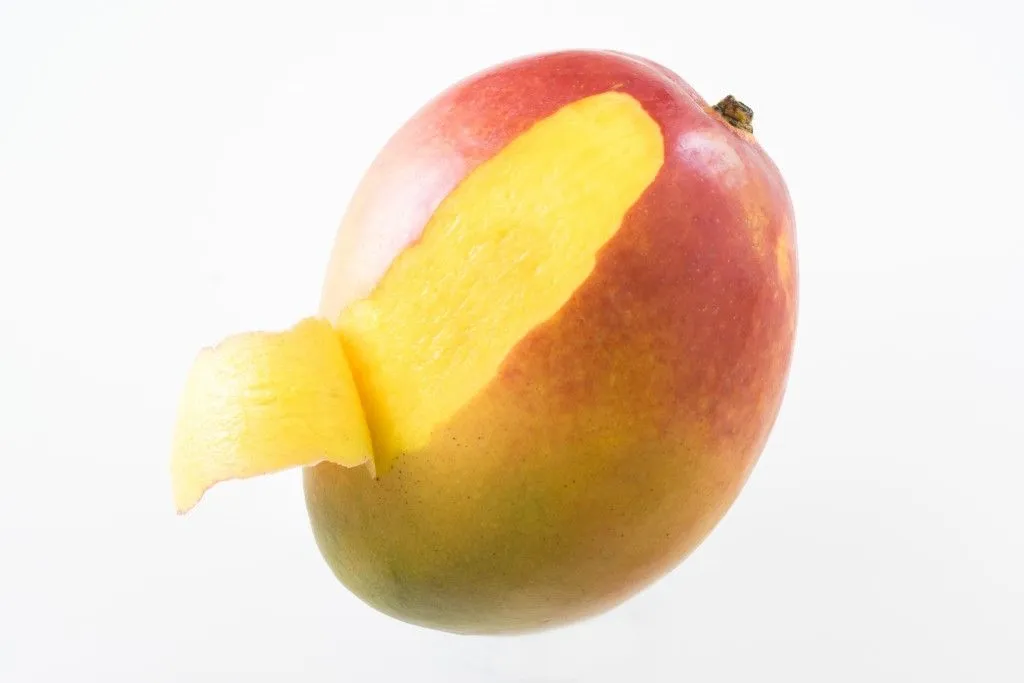
Yes, you can eat mango skin, and it is not toxic. The peel is rich in antioxidants, fiber, and vitamins C and E, but it is bitter, tough, and contains urushiol (the same allergen as poison ivy) plus a related group of compounds called mangol, which can trigger rashes or stomach upset in sensitive people. For most people the small nutritional bonus isn’t worth the unpleasant taste, so the fruit’s flesh is usually the better choice.
When it comes to eating fruits, there is an incredibly wide variety. We can bite into apples and grapes, skin and all. We know that the skin is often more nutritious than the flesh. On the other end of the spectrum, we peel bananas and pineapples away from the tough, inedible skin before we eat them.
 In the middle of this range, however, are slightly more difficult to classify fruits. The skins of these fruits are edible, but most of us prefer to avoid them if we can. Mangoes land in the middle of this range, and there are several factors to consider before deciding to chew into one of these tropical treats.
Is Mango Skin Toxic?
While mango skin isn’t considered dangerous to eat, it does contain a few compounds that can cause an allergic reaction in some of us. One toxin is urushiol, the same chemical in poison ivy that causes a rash when we touch the plant. While the amounts of urushiol in the skin of mangoes are quite small, if you are sensitive to this compound, it can cause inflammation and gastrointestinal discomfort.
Mango peel also contains a group of compounds collectively called mangol that have also been found to cause an allergic reaction in certain people.
Who Should Avoid Eating Mango Skin?
Here is the part most people miss: the urushiol-type allergen that causes a poison-ivy rash is concentrated in the mango’s skin, leaves and stem, while the flesh contains almost none of it. The specific compound is often called 5-resorcinol, and it is chemically close enough to the urushiol in poison ivy, poison oak and poison sumac that the two can cross-react. Mango belongs to the same plant family (Anacardiaceae) as those plants, and as cashews.

So who actually reacts? If you have previously been sensitized to poison ivy or poison oak, your immune system may already recognize the mango allergen, which makes a reaction more likely. The response is a type IV (delayed) hypersensitivity, the same slow, T-cell-driven mechanism behind a poison-ivy rash, so symptoms such as itching, redness or contact dermatitis around the mouth and lips typically appear one to three days after contact rather than straight away. In a published case report, a patient who reacted to whole mangoes could still tolerate the fruit when someone else peeled it for him, which neatly shows that the trouble lives in the skin.
So who should give the peel a miss? If you have a known mango or poison-ivy allergy, or you handle large quantities of mangoes (food-processing workers are a recognized risk group), it is sensible to skip the skin and let someone else do the peeling. For most people without that sensitivity, eating a little washed mango skin will not set off a reaction, but the allergen is a genuine reason it is not worth the gamble for everyone.
Nutrition In Mango Peels
Aside from allergens, however, the mango peels are rich in antioxidants, such as polyphenolic compounds and carotenoids, the latter of which is partly responsible for the color of mangoes. Many of these antioxidants help to reduce oxidative stress, and some evidence finds that they might protect against cancers and heart disease.
In addition to the beneficial antioxidants, studies have also found high levels of vitamin C, vitamin E, and dietary fiber in the peel, which can aid in maintaining your immune system, skin health, and gastrointestinal functions.
What Nutrients Are Actually In Mango Skin?
It is worth putting some numbers on this, because the gap between peel and flesh is bigger than you might expect. A 2021 review comparing the three parts of the mango (pulp, peel and kernel) reported that the peel holds a higher polyphenol content than the pulp at every stage of ripening, in the region of 55 to 110 milligrams per gram of dry weight, with the riper peel carrying more than the unripe peel. Polyphenols are the antioxidant compounds linked to lower oxidative stress, so on a like-for-like dry-weight basis the part most of us throw away is the more antioxidant-dense one.

The same review notes that mango peel is a meaningful source of dietary fiber, both soluble and insoluble, along with measurable amounts of vitamin C and vitamin E, the latter being part of why mango-peel extracts have found their way into skin-care products. The peel is also one of the richest natural sources of mangiferin, a heat-stable plant compound that has drawn research interest for antioxidant and anti-inflammatory activity. It is worth being honest about a catch, though: most of these figures come from studies of dried peel or concentrated extracts, not a fresh strip of skin off the mango on your kitchen counter. The compounds are genuinely there, but the everyday serving of skin you would actually swallow is small, so the real-world nutritional bump is modest rather than transformative.
Is Mango Skin Good To Eat?
The question of whether or not it is safe to eat mango skin should be preceded by the real question: is eating mango skin even worth it? Not only is there the chance of a negative allergic reaction to the compounds in the skin, but the skin also has a slightly waxy and rubbery feel, as well as a bitter taste, which may be stronger or weaker depending on how ripe the fruit is. The fibrous nature of the skin also means that you’ll be chewing it for a while, as opposed to the tender, sweet, and delicious flesh of the fruit.
If you are determined to get all the nutrients out of your mangoes, you are welcome to try preparing them in various ways to reduce the bitterness and tough fibers. Cooking them down with other fruit into syrup is one way to utilize the peels. Also, unripe mangoes are often eaten, peel and all, as they aren’t as tough at this point in development and lack the bitter flavor. However, the fruit is also less pleasant to eat in this unripened stage.

If you do decide to eat the peel, wash the fruit thoroughly first. Encouragingly, mangoes consistently appear on the Environmental Working Group’s Clean Fifteen list, meaning they tend to carry very low pesticide residues thanks to their thick skin. Buying organic is still the safest option for anyone particularly cautious about residues, but mangoes are not one of the heavily sprayed fruits.
A Final Word
While you may dislike waste, particularly fruit peels that are packed with potential nutrients, the negligible benefits of eating mango skin aren’t worth the downsides and risks. Some other fruits and foods will give you the essential nutrients you need without having to eat something unpleasant. In other words, the juice isn’t worth the squeeze.
Last Updated By: Salama Yusuf
References (click to expand)
- Cheok, C. Y., Mohd Adzahan, N., Abdul Rahman, R., Zainal Abedin, N. H., Hussain, N., Sulaiman, R., & Chong, G. H. (2016, May 31). Current trends of tropical fruit waste utilization. Critical Reviews in Food Science and Nutrition. Informa UK Limited.
- Ajila, C. M., Bhat, S. G., & Prasada Rao, U. J. S. (2007, January). Valuable components of raw and ripe peels from two Indian mango varieties. Food Chemistry. Elsevier BV.
- Weinstein, S., Bassiri‐Tehrani, S., & Cohen, D. E. (2004, March). Allergic contact dermatitis to mango flesh. International Journal of Dermatology. Wiley.
- Oka, K., Saito, F., Yasuhara, T., & Sugimoto, A. (2004, November). A study of cross‐reactions between mango contact allergens and urushiol. Contact Dermatitis. Wiley.
- EWG's Shopper's Guide to Pesticides in Produce: Clean Fifteen. Environmental Working Group.
- Lebaka, V. R., Wee, Y.-J., Ye, W., & Korivi, M. (2021). Nutritional Composition and Bioactive Compounds in Three Different Parts of Mango Fruit. International Journal of Environmental Research and Public Health, 18(2), 741.
- Yoo, M. J., & Carius, B. M. (2019). Mango Dermatitis After Urushiol Sensitization. Clinical Practice and Cases in Emergency Medicine, 3(4), 361-363.