Table of Contents (click to expand)
Shock is a medical condition in which the blood pressure of a patient becomes too low, meaning that there’s not enough oxygenated blood in the body to sustain vital life functions. Simply put, when the patient’s body is not getting enough blood flow, it is said that they are in shock.
You may have seen in movies that people can ‘die of shock’. Upon seeing that, some of you may think that the cause of death in those cases is sheer emotional surprise or distress. For instance, a movie may show a character be involved in a car crash and subsequently die of shock. This may seem, to some people, that the character died of the sudden fright caused by the accident.

Until a few years ago, I thought the same thing. However, as it turns out, dying from shock does not mean dying of surprise or fright. In fact, it’s something entirely different.
To begin with, let’s set the record straight. It’s a MYTH that people can go into medical shock from witnessing a traumatic event, such as seeing a lot of blood at a crash scene. Although it’s true that witnessing such an incident may indeed be shocking or disturbing, it does not cause medical shock.
What Is Shock?
Shock is a medical condition in which the blood pressure of a patient becomes too low, meaning that there’s not enough oxygenated blood in the body to sustain vital life functions. Simply put, when the patient’s body is not getting enough blood flow, it is said that they are in shock (Source).
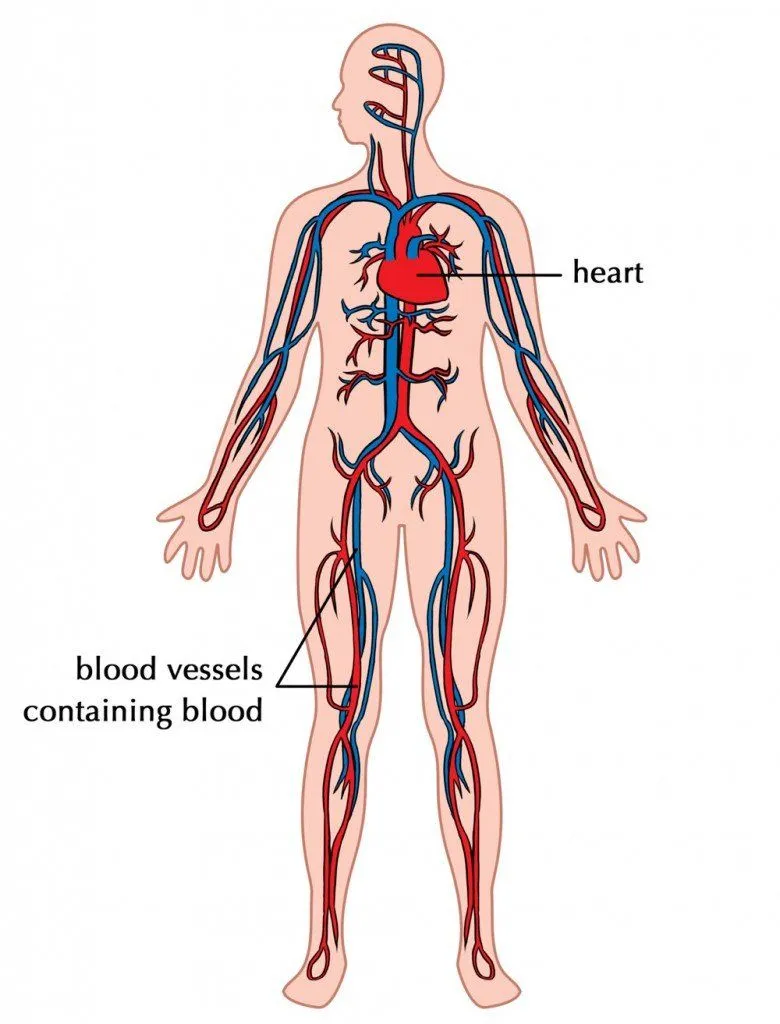
Most people think of ‘shock’ as an emotional response to a sudden, traumatic event (like an accident or a near-death experience etc.), but in medical terms, it’s associated with the amount of blood flowing through the blood vessels in the body. In more specific terms, you would say that ‘shock’, by definition, is when one’s organs aren’t able to properly function.
If you think about it, from a purely technical standpoint, everyone dies from shock… eventually.
Causes Of Shock
Shock can be caused by a number of conditions that reduce blood flow in the body. Some of the most common causes of shock include heart problems (a heart attack, severe heart failure, or a dangerous arrhythmia), changes in blood vessels (caused by severe infections, also called sepsis, or severe allergic reactions), low blood volume (due to extensive bleeding or dehydration), spinal cord injury, severe burns, and certain medications that lower blood pressure or adversely affect heart function.
Different Types Of Shock
There are a number of different types of medical shock, each of which must be treated in different ways.
Hypovolemic Shock
This kind of shock occurs when the blood volume drops significantly, typically due to blood loss (caused by an injury or some other traumatic event). This leads to low blood pressure, meaning that not enough blood reaches important parts of the body.
Cardiogenic Shock
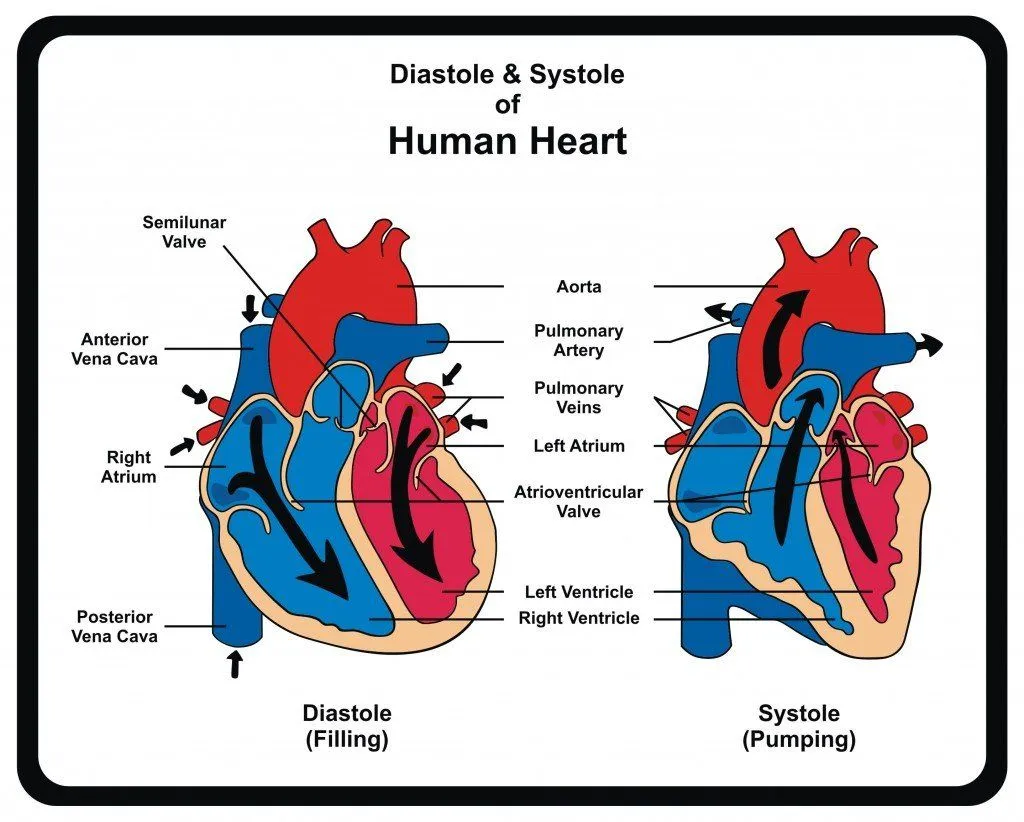
When the heart can’t pump enough blood to meet the body’s needs, it’s referred to as cardiogenic shock. The most common trigger is a large heart attack (acute myocardial infarction), particularly one that damages more than 40% of the left ventricle. Other causes include severe arrhythmias, advanced cardiomyopathy or myocarditis, and mechanical failures of the heart itself, such as a ruptured papillary muscle or valve.
Septic Shock
Septic shock is the most extreme form of sepsis, the body’s runaway inflammatory response to a serious infection. A flood of inflammatory mediators causes blood vessels to dilate and leak, blood pressure crashes, and tissues stop getting enough oxygen. Per the current Sepsis-3 (2016) definition, septic shock is diagnosed when a sepsis patient needs medications called vasopressors to keep their mean arterial pressure at or above 65 mmHg, with a blood lactate above 2 mmol/L, despite adequate IV fluids. The infection itself can be anywhere (pneumonia is the most common source, followed by intra-abdominal, urinary, and bloodstream infections) and may be caused by E. coli, Staphylococcus aureus, Klebsiella, Pseudomonas, and many other organisms.
Neurogenic Shock
Neurogenic shock occurs when an injury to the spinal cord (typically at or above the T6 vertebra) wipes out the sympathetic nerve signals that keep blood vessels constricted. With those signals gone, the blood vessels in the lower body relax wide open, blood pressure drops, and (unlike most other shock types) the heart rate paradoxically slows down rather than speeds up.
Obstructive Shock
As the name suggests, obstructive shock happens when something physically blocks blood flow into or out of the heart. The classic causes are a massive pulmonary embolism (a blood clot lodged in a lung artery), cardiac tamponade (fluid building up inside the sac around the heart and crushing it), and tension pneumothorax (trapped air collapsing a lung and squeezing the great vessels). Aortic dissection can produce a similar picture.

Anaphylactic Shock
Anaphylactic shock occurs when a severe allergic reaction causes the blood vessels to dilate, which causes low blood pressure.
Endocrine Shock
Severe hormonal failures can also tip the body into shock, and most clinicians group these as a sub-type of distributive shock alongside septic, anaphylactic, and neurogenic shock. The two classic culprits are Addisonian crisis (acute adrenal insufficiency) and myxedema (severe untreated hypothyroidism). Either condition can drop blood pressure, slow the heart, and prevent the cardiovascular system from responding normally to stress.
Symptoms Of Shock
Since shock is caused by a variety of factors, its symptoms may vary from one person to another. However, some of the most common symptoms include rapid, shallow breathing, anxiety or restlessness that can progress to confusion and loss of consciousness, a rapid but weak (“thready”) pulse, low blood pressure (systolic under 90 mmHg), pale, cold and clammy skin (sometimes mottled or bluish), nausea, dizziness, a dry mouth and thirst, and a sharp drop in urine output. Neurogenic shock is the odd one out: instead of a racing heart, patients are typically bradycardic (slow heart rate) along with their low blood pressure. Anaphylactic shock often adds hives, swelling of the face or tongue, and a noisy, struggling breathing sound called stridor.
If a person is in shock, they may experience some of these symptoms. Therefore, it’s very important to get professional medical help as soon as possible, as problems with the circulation of blood in the body can have disastrous, deadly consequences.
Can You Die From Shock?
Yes. Shock is not just a side effect of an emergency, it is the emergency, and untreated, it is almost always fatal. How likely you are to survive depends almost entirely on which kind of shock you’re in and how fast you get to a hospital.
- Septic shock is the deadliest of the common types. Even with modern intensive care, in-hospital mortality runs around 40%, and roughly one in three patients who survive the hospital die within a year.
- Cardiogenic shock from a large heart attack used to kill 70-80% of patients. With rapid revascularization (angioplasty or surgery) and mechanical circulatory support, that has come down to roughly 30-50%, but it remains the leading cause of death after acute myocardial infarction.
- Hypovolemic shock from major trauma or bleeding is highly survivable if the bleeding is controlled and fluids or blood are replaced quickly, but mortality climbs sharply once the patient progresses to multi-organ failure.
- Obstructive shock from a massive pulmonary embolism or cardiac tamponade is rapidly fatal without intervention but often reversible if the obstruction can be relieved in time.
- Anaphylactic shock is, ironically, the most survivable form of shock if treated correctly. A prompt intramuscular shot of epinephrine drops case-fatality to well under 1%; the deaths almost always involve a delay in giving the shot.
The single biggest factor in surviving shock is recognition. Call emergency services the moment you suspect it; every minute the brain, kidneys, and gut spend underperfused is a minute closer to permanent damage or death.