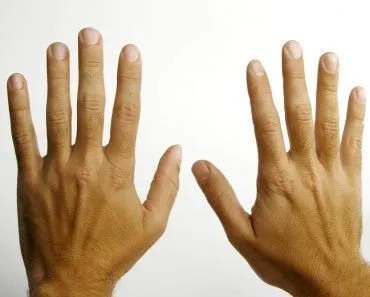
The lines on our palms are known as palmar flexion creases. They form by the 12th week of gestation and help skin fold and stretch during gripping, squeezing, and other hand movements without bunching up.
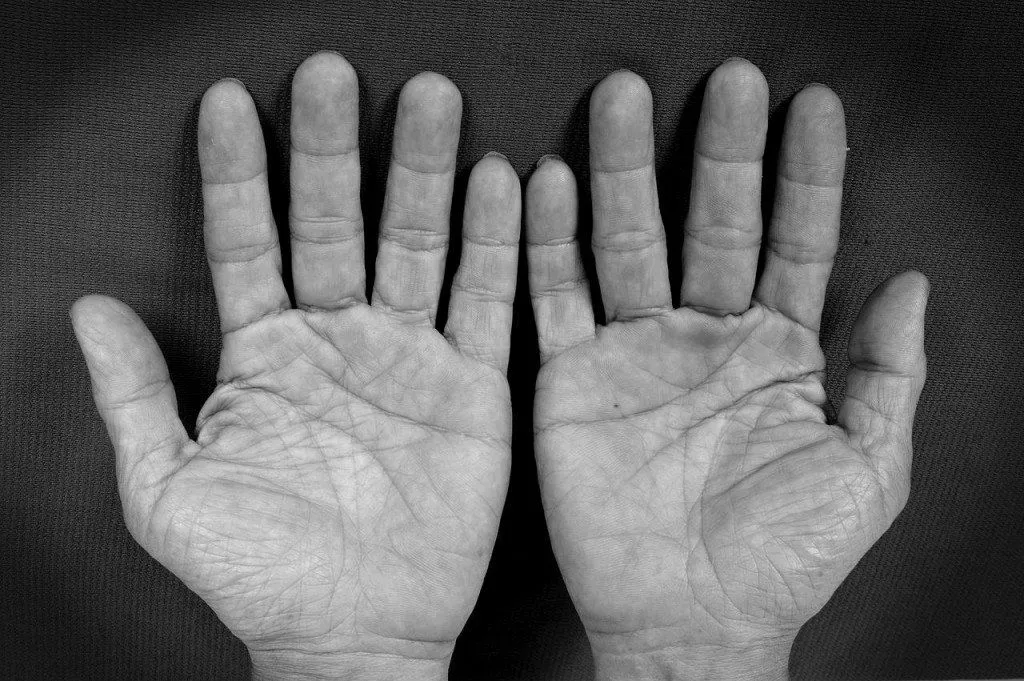
Stop what you’re doing and stick the palms of both hands in front of your face. What do you see? A bunch of lines crisscrossing all across your palms, right?
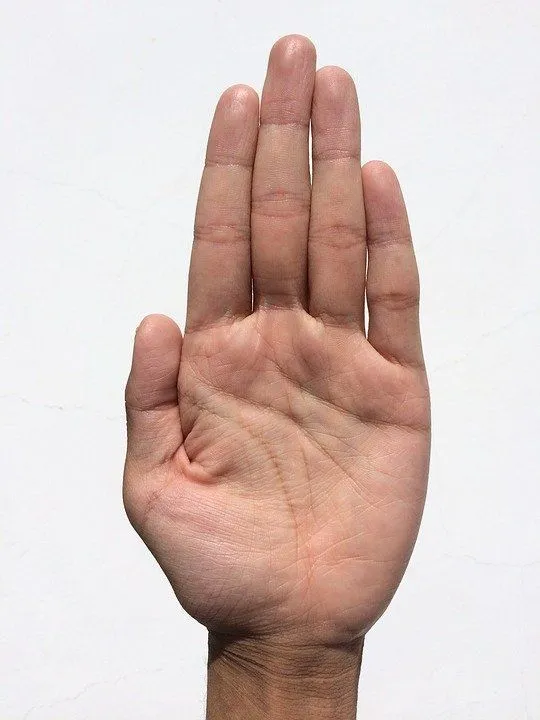
Have you ever wondered why they are there since they seem to serve no purpose (or so it seems)?
Palmar Flexion Creases
The lines on our palms are scientifically known as palmar flexion creases. These creases begin to form around the 12th week of gestation (when the baby is developing in the womb) and are fully established by about the 21st week, which means we are all born with these lines on our palms. Interestingly, research has shown that these creases develop independently of fetal hand movements; they appear before the fetus begins spontaneously moving its fingers.
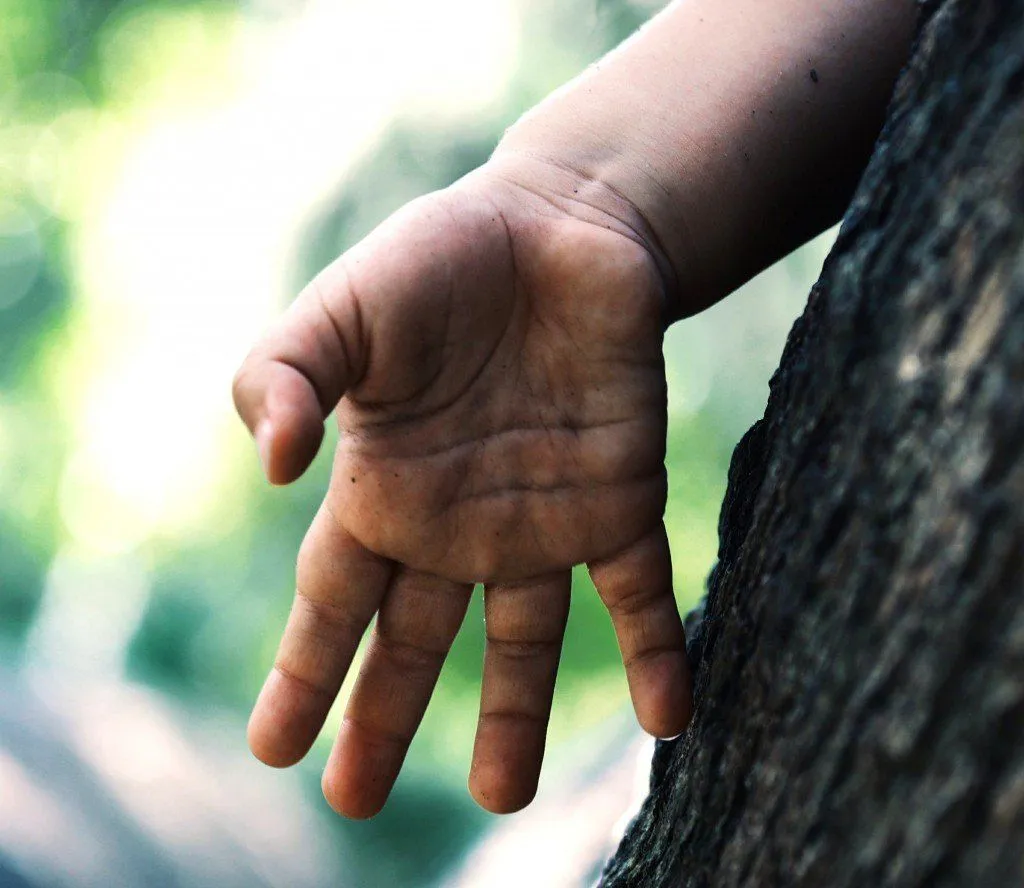
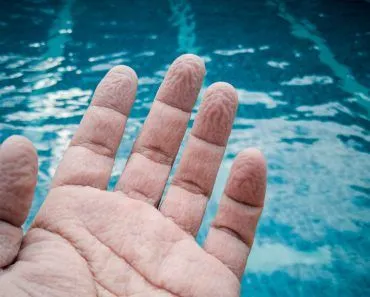
The primary function of the palmar flexion creases is to help the skin of the palm squeeze and stretch. It is only along these lines that the skin of the hand folds or bunches up in accordance with the relevant position of the hand, such as during curling, stretching, and fist-making.
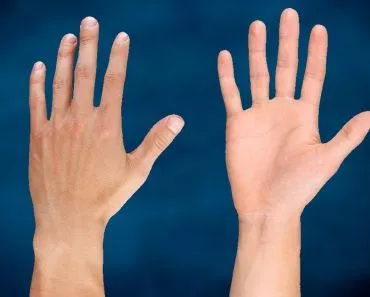
Scientists have studied these seemingly random lines on our palms and created multiple classification systems for the creases. If you take another glance at your palm, you’ll see three deep and prominent creases. The uppermost horizontal line is the distal palmar crease, below which is another horizontal line called the proximal palmar crease. Lastly, an arc starting from the proximal palmar crease down to your wrist is the thenar crease or radial longitudinal crease. They are the primary palmar creases.
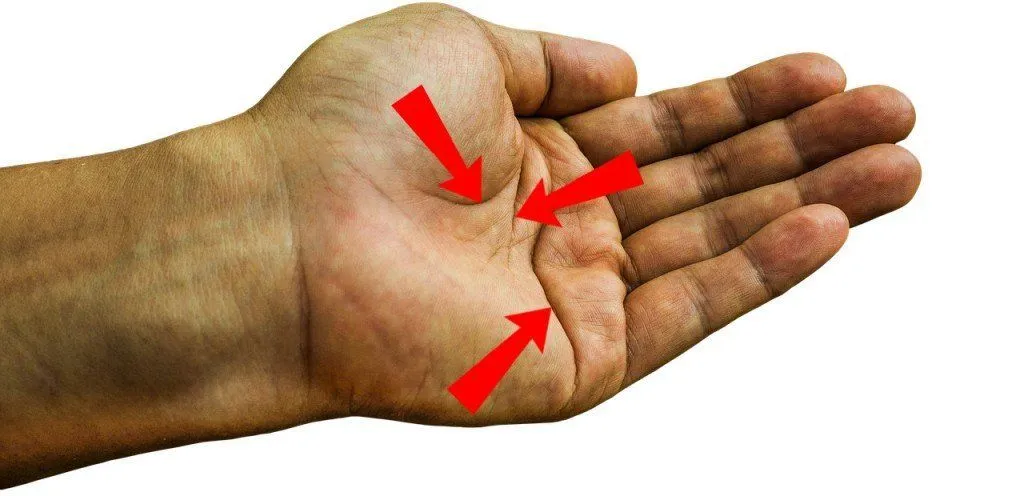
Besides this physical advantage, palmar flexion creases can also help identify certain medical conditions. For instance, a single transverse palmar crease (where the two horizontal creases merge into one line across the palm) occurs in roughly 1 to 3 in every 100 people. While usually harmless, it is found in roughly 45% of individuals with Down syndrome and is also associated with conditions like fetal alcohol syndrome, cri du chat syndrome, and Turner syndrome. Its presence at birth can prompt doctors to screen for related developmental conditions.
The Reason We Have Lines On Our Palms
Hands are undeniably one of the hardest working organs (amongst the external ones) of the body. Please think of the plethora of physical activities you do with them day in, day out. You constantly pick things up, pull/push, squeeze, turn and twist things with your hands. It’s actually quite pointless to list all the activities we do with our hands because there are just so many!
For your hands to perform all these physical activities, the skin that covers them must be able to adapt to complex positions. Therefore, if you stretch, fold, bend or fist your palms, the skin must be able to follow suit.
The creases essentially anchor the skin to the underlying tissue, preventing excessive slippage during finger flexion and extension. This anchoring enhances grip stability and reduces the risk of soft tissue trauma during everyday mechanical tasks. If it were not for the lines on our palms, bags of loose skin would be hanging out from under our palms and fingers. Not only would that be a terrible waste of skin tissue, but also a rather unpleasant sight to behold.
Why Do Some People Have So Many (Or Deeper) Lines Than Others?
Hold two different palms side by side and you will notice that no two are alike. Some people have palms criss-crossed by a dense web of fine lines, while others look comparatively smooth. If you have ever stared at your own hand and wondered, why do I have so many lines?, the answer lies in how the different creases form. Researchers who study palm prints distinguish between the major (or principal) creases and the much finer secondary creases and wrinkles. The three principal creases follow a path that is largely genetically influenced, which is why their broad layout looks similar across most people and stays consistent through life. The thinner secondary creases, by contrast, appear far more randomly and are not fixed by the same genetic program, so their number and pattern differ from one person to the next.

That is why having lots of lines on your palms is almost always completely normal, and not a sign that anything is wrong. The depth and prominence of the finer lines can also shift with the condition of your skin. Dry or dehydrated skin tends to make the creases look more pronounced, while a well-moisturized palm can make them appear softer, since the thick, tethered skin of the palm folds along these established lines. In short, a busy-looking palm usually reflects nothing more sinister than your own skin and your particular mix of secondary creases. The genuine medical signals doctors look for, such as the merging of the two horizontal creases into a single transverse palmar crease, are about the arrangement of the principal creases, not simply how many fine lines you happen to have.
Are The Lines On Your Palm Unique To You?
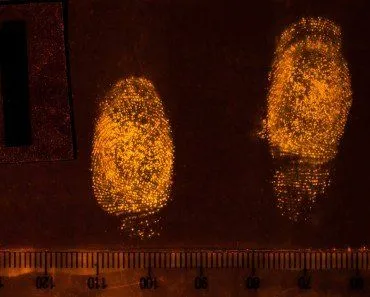
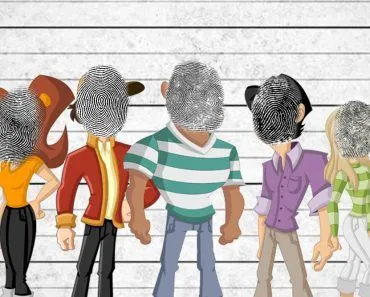
Here is something that surprises most people: the lines on your palm are distinctive enough to identify you, much like a fingerprint. Biometric researchers have long treated the palm print, made up of the principal creases plus the surrounding web of secondary creases and wrinkles, as a reliable personal identifier. Because the major flexion creases are genetically influenced while the finer secondary creases form essentially at random, the overall combination is extremely difficult to duplicate. Remarkably, even identical twins, who share the same DNA, end up with different palm prints, because those random secondary creases develop independently in each individual.
These creases are also strikingly stable. The major palm creases form before birth, and the principal patterns of the skin behave much like the friction ridges that give us our fingerprints. As one dermatology review describes those ridge patterns, they "are permanent and unique and stay so, from cradle to grave, unless the dermis is damaged." That durability and individuality is exactly why palm-print recognition is used in some biometric security and forensic systems. It is also a far more grounded reason to pay attention to your palm lines than any claim about reading the future from them. So the next time someone offers to tell your fortune from the lines on your hand, you can offer a better fact in return: those lines are less a map of your destiny and more a signature that belongs to you alone.
Can Reading Palm Lines (Palmistry) Foretell The Future?
A sizable portion of the public actually believes that the lines on our palms can help foretell our future. Fortune tellers around the world make a living reading people’s palms and predicting their future!
Today, however, due to a serious lack of empirical support behind palmistry’s predictions, palmistry is considered a superstitious or pseudoscientific belief. There are different and sometimes contradictory interpretations of the same lines on an individual’s palms in different cultures. No controlled scientific study has ever demonstrated that palm lines can predict future events, personality traits, or life outcomes.

In other words, if you are someone who believes in an idea or a theory only when there is sufficient scientific research and evidence to support it, then going to a fortune teller to help you predict the outcome of a test, a business deal, or any other (future) event of your life is certainly not an option for you, at least until the “powers that be” accept palmistry as a ‘regular’ science.
References (click to expand)
- Palmistry - Wikipedia. Wikipedia
- Single transverse palmar crease - Wikipedia. Wikipedia
- Why Humans Have Palm Lines | Palmar creases - Live Science. Live Science
- Single palmar crease - MedlinePlus. MedlinePlus
- Yaacob, R. et al. Automatic Extraction of Two Regions of Creases from Palmprint Images for Biometric Identification. Journal of Sensors (Hindawi), 2019.
- The Dermal Ridges as the Infallible Signature of Skin: An Overview. Indian Journal of Dermatology (2021). NCBI / PMC.