Table of Contents (click to expand)
Heart cancer does exist, but it is extremely rare. Cancer arises when cells divide uncontrollably, and adult heart muscle cells rarely divide at all, so there are very few chances for those errors to start. Tissues that constantly renew themselves, like the skin, gut and breast, develop cancer far more often.
Finding out that you or a loved one has cancer is an impossibly hard moment in life. Cancer has become a modern, gradual plague, and in its various forms, kills roughly 9.7 million people every year. Close to 20 million new cases are also discovered each year. Massive research efforts have improved treatment options and our understanding of the condition, but battling cancer is still a brutal and taxing fight.
Some of the most common forms of cancer are breast cancer, lung cancer, prostate cancer, thyroid cancer, melanoma, pancreatic cancer, but there is one important organ that is oddly missing from the list… the heart! Have you ever met anyone with heart cancer? Probably not. Does heart cancer even exist?
Short answer: Heart cancer does exist, but it is extremely rare. Because heart muscle cells rarely divide, cancer of the heart muscle itself almost never gets a chance to start.
The Nasty Nature Of Cancer
While many people simply recoil when they hear the word “cancer” and hope it doesn’t happen to them, it is still important to know what the disease is all about, and understand the actual mechanism on a cellular level. The body usually has a control system in place that eliminates older, poorly functioning cells and replaces them with new, healthy cells. In some cases, however, this doesn’t occur, and the cell continues to grow and multiply, eventually forming abnormal cells that do not serve their initial purpose. These cells can continue to multiply, disrupting the function of nearby cells, stimulating further mutations and measurably impacting organ systems.
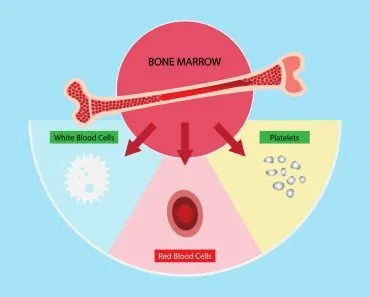
Cancer can be triggered through the actions of free radicals, the dangerous byproducts of cellular respiration that can stimulate the mutation of healthy cells, rendering them cancerous or changing their function. When those abnormal or mutated cells grow out of control, a large mass of tissues can form, called a tumor (although not in all cases, such as leukemia). Cancers are usually grouped by the kind of tissue they start in (carcinomas in the body's linings and glands, sarcomas in connective tissue, leukemias in the blood-forming marrow, and lymphomas in the lymphatic system), along with cancers of the brain and spinal cord.
Now, while cancer in certain organs is more common than in others, cancer can actually be found anywhere in the body; it is simply easier to develop in some places. Since cancer is “spread” through cellular division at a rapid, uncontrolled rate, an organ composed of cells that are programmed to continually regrow and replace is more susceptible to cancer than one that doesn’t have such a high regeneration rate. With that in mind, let’s consider the heart…
A Very Busy Organ
When it comes to organs that have a lot of work to do, it’s hard to ignore the heart, which starts beating long before we’re born and will continue to do so until the day we die. There is no break for our heart, as it must constantly pump, flush and push blood throughout our veins, arteries and capillaries to ensure proper function of every organ and muscle.
With such a 24/7/365 type responsibility in the body, the heart doesn't continually shed old muscle cells and replace them with new ones. (Source) In fact, heart muscle cells (cardiomyocytes) are what scientists call terminally differentiated: they exit the cell-division cycle very early in life and afterward grow mainly by getting bigger, not by multiplying. As mentioned above, cancer takes hold through repeated cellular replication and division, and an organ whose cells almost never divide simply doesn't give those errors many chances to pile up. The National Cancer Institute puts it plainly: that tight control over the cell cycle leaves cardiac muscle remarkably resistant to forming tumors.
On the other hand, many other parts of the body, such as the skin, stomach, the inner lining of the colon and the breast, are continually losing cells and replacing them. The digestive process of food can be brutal and highly acidic, and just think about how often you rub dry skin off your hands or arms. Even breast tissue swells and shrinks based on hormonal activity in the body. These types of cancer (skin, breast, colon and so on) are more common because cells in these areas replicate more rapidly and frequently. Furthermore, they are more directly exposed to carcinogens, such as UV radiation on the skin and the various cancer-causing agents that we consume or breathe in (the lungs being a prime example).
The heart is also rarely exposed to these kinds of carcinogens, making cancer of the heart even harder to develop. So if it is so unlikely, how does heart cancer manage to exist at all?
The Invasion Of Cancer
Tumors of the heart are typically broken up into two categories: primary tumors, which start in the heart itself, and secondary tumors, which arrive from somewhere else. Primary tumors are the rare ones. Autopsy studies put their prevalence at only about 0.02% (very roughly 1 to 3 in every 10,000 people), and most of them, around 70%, are benign. The single most common primary heart tumor is the cardiac myxoma, a benign growth that usually sits in the heart's upper chambers. Myxomas are not ideal, but they can often be removed surgically and generally are not life-threatening. The malignant primary tumors are rarer still, and most are sarcomas (cancers that form in the body's soft and connective tissues). The most common malignant one is cardiac angiosarcoma, which arises from the cells lining blood vessels rather than from the heart muscle itself, and it tends to be aggressive.
The more likely way for the heart to be touched by cancer is through a secondary tumor, namely when cancer spreads to the heart, or to the lining around it, from another part of the body. When a cancer metastasizes, it travels from its original site to a new one. In some cases, lung cancer reaches the heart simply because the two sit so close together, but cancers can also be carried to the heart through the bloodstream. Metastatic kidney, lung and breast cancer, along with lymphoma, melanoma and leukemia, are among the most common to spread to and affect the heart. In fact, these secondary tumors are roughly 20 to 40 times more common in the heart than primary ones, so when the heart does develop cancer, it has usually come from elsewhere. None of this is good news: the malignant cardiac cancers, especially angiosarcoma, are aggressive, and only about a third of people with cardiac angiosarcoma are still alive a year after diagnosis. It is a condition to be taken very seriously… and a reminder to appreciate our constantly working heart.
Now, the next time someone denies that heart cancer exists, simply because they’ve never known anyone to have it, spread some of this newfound awareness about our constantly pumping pal!
References (click to expand)
- Common Cancer Types - NCI. cancer.gov
- Rare heart cancers | Cancer Research UK - www.cancerresearchuk.org:80
- Heart cancer: Is there such a thing? - Mayo Clinic. The Mayo Clinic
- Matters of the Heart: Why Are Cardiac Tumors So Rare? - National Cancer Institute
- Cardiac Tumors. StatPearls. NCBI Bookshelf.
- Cardiac Angiosarcoma - Cleveland Clinic
- New report on global cancer burden in 2022 - IARC / WHO (GLOBOCAN 2022)