In the places where they actually operate, self-driving cars now appear safer than humans. Over tens of millions of driverless miles, Waymo's robotaxis logged roughly 80% fewer injury-causing crashes than human drivers on the same roads. The catch: that record comes from a few sunny, mapped cities, so it is not yet a fair, like-for-like comparison everywhere.
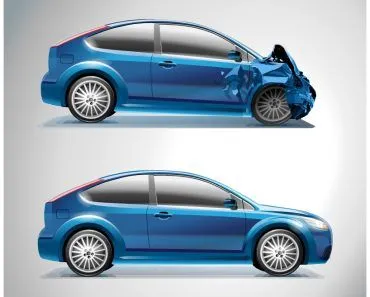
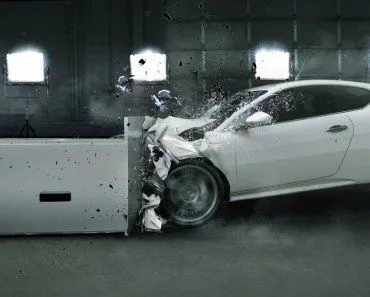
Four-wheeled vehicles, especially cars, tend to crash a lot. Close to 40,000 Americans are killed every year in road accidents involving motor vehicles (NHTSA counted 39,345 traffic deaths in 2024). Well, if automobile experts are to be believed, driverless autonomous cars will help in mitigating car crashes and will save more lives. However, does that mean we’re ready to relinquish our duty of driving to the machines? Are autonomous cars really safer than human drivers? Let’s find out.
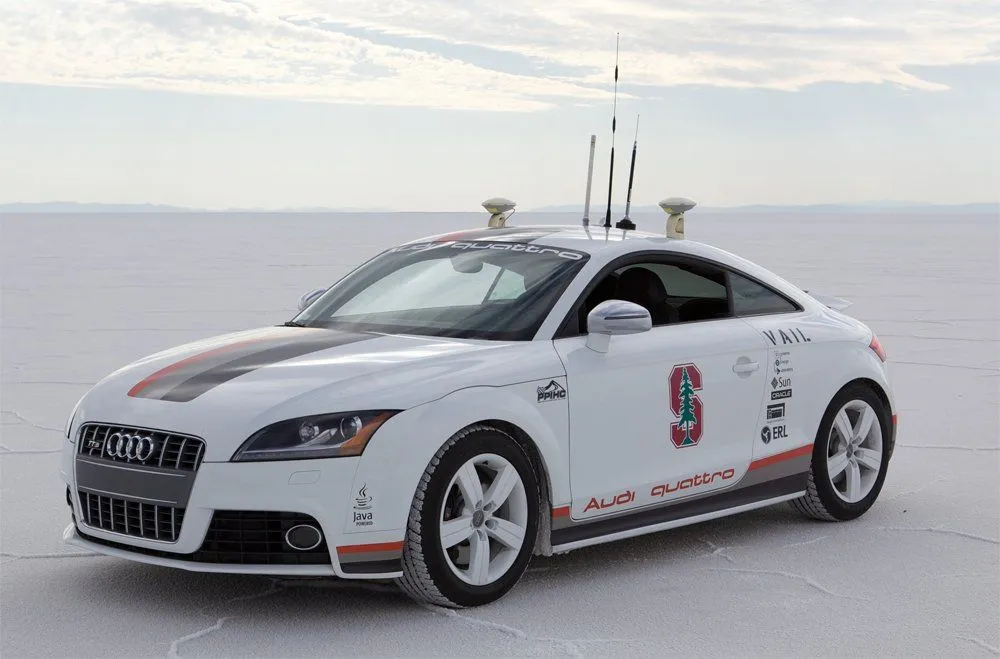
According to a much-quoted US Department of Transportation survey, the critical reason behind a crash, that is, the last event in the chain leading up to it, was assigned to the driver in about 94% of cases. It’s worth flagging that NHTSA itself cautions this is not the same as saying drivers caused 94% of crashes; road design, weather and vehicle faults often lurk further back in the chain. Even so, that 94% figure is why major automobile companies are pushing toward self-driving cars. They regard autonomous cars with the hope that they will save lives by being involved in far fewer accidents, resulting in fewer injuries and deaths than those for which human-driven cars are infamous.

That being said, most comparisons between human drivers and automated self-driving vehicles have been at best uneven, and at worst, unjust.
Difficulty In Estimating A ‘Non-event’
Just by reading that 94% of accident cases involve human error, one might be tempted to immediately surmise that automated cars are safer. However, from one statistic alone, it cannot be concluded that autonomous cars exceed the safety measures that one can expect from an alert human driver. The much bigger challenge to overcome, if we want to completely rule in favor of autonomous vehicles, is the dearth of information to rigorously evaluate whether automation is actually better than humans at not crashing.
Crash Rate
Alongside the ‘crash rates’ that autonomous vehicle makers routinely use to determine safety at the time of testing their autonomous vehicle, it is equally important to know how many non-collisions happen.
Non-crash Rate
However, evaluating non-collisions, i.e., the rate at which things do not happen for an autonomous vehicle, is extremely tough. For example, predicting how many times you won’t bump into someone in a room today relates to how many people are present in the room and how long you are walking inside the room. Moreover, we as humans tend to forget non-events very quickly, despite witnessing them happening. To more practically conclude whether automated vehicles are safer than humans, researchers will need to establish a non-collision rate for both autonomous vehicles and human drivers.
Incongruous Driving Data – Comparing Apples With Oranges
Crash and accident data for human-driven cars are collated from different driving situations, and on all sorts of roads. This includes people driving in the middle of heavy downpours, on dirt roads in windy weather or trying to maneuver vehicles up steep slopes in the snow.
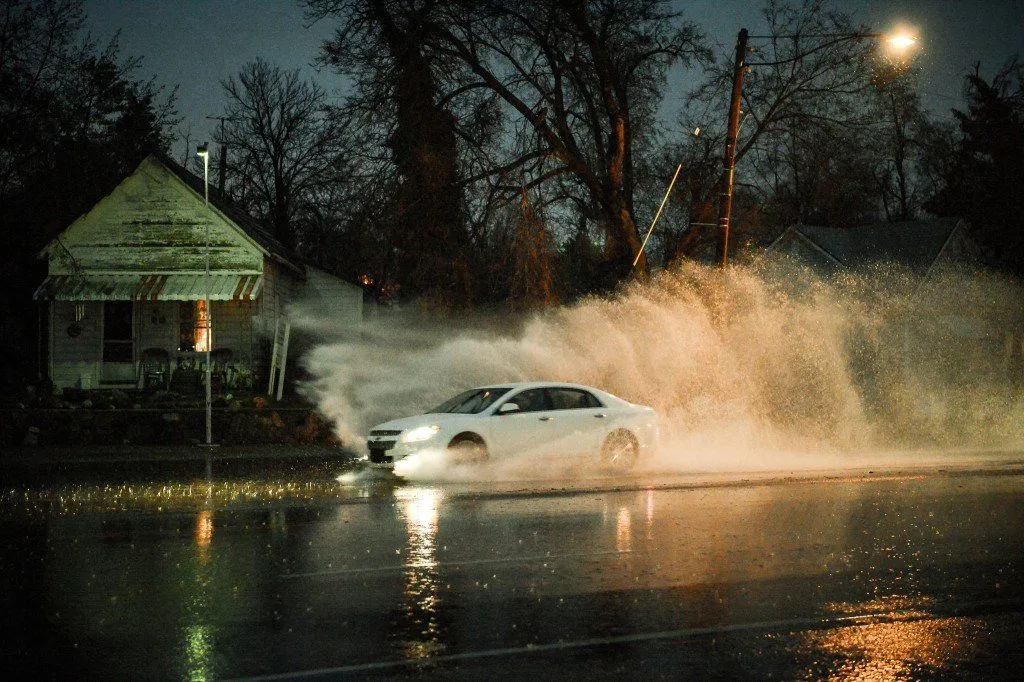
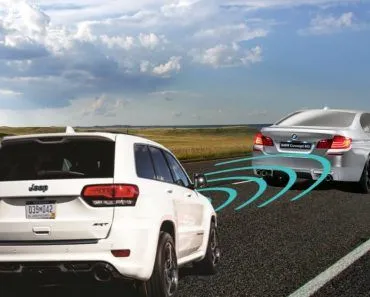
In contrast, most of the data on automated cars’ safety comes from propitious western states of the US, which are often blessed with good weather. Moreover, a major chunk of this data has been recorded on unidirectional, multi-lane highways, which is arguably bereft of many driving challenges. All that an automated vehicle needs to do is stay in its own lane and not get too close to the cars ahead. Automated cars are predictably good at those kinds of tasks, but of course, humans are also good under those favorable driving conditions.
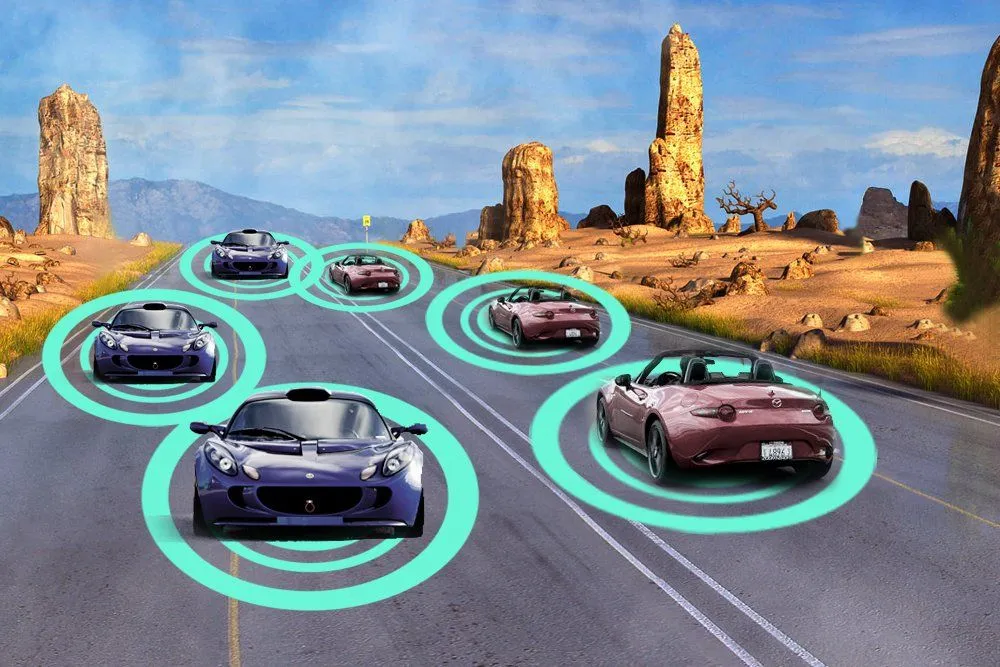
As states and regulators have allowed more automated vehicles to operate openly, the data on these systems has expanded enormously, covering more roads and a broader heterogeneity of driving conditions. Waymo, the clear front-runner, has now logged tens of millions of fully driverless miles in cities such as Phoenix, San Francisco, Los Angeles and Austin. Its own peer-reviewed analyses, which compare those miles against human crash rates on the same roads, report roughly 80% fewer injury-causing crashes and far fewer crashes serious enough to deploy an airbag. That is a genuinely encouraging signal. Even so, for a truly just one-on-one comparison, there is still a way to go, since self-driving cars cover most of their miles inside sunny, carefully mapped service areas rather than across the messy variety of conditions human drivers face every day.
What Does The Real-world Track Record Show?
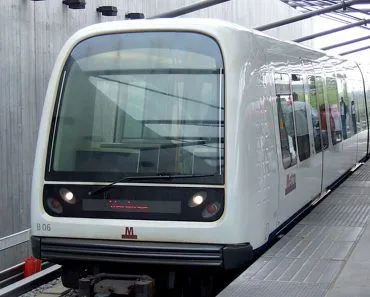
Before we judge the record, it helps to be clear about words, because readers (and headlines) use them loosely. People say autonomous, automated and self-driving interchangeably, but engineers grade automation on the SAE J3016 scale, which runs from Level 0 (you do everything) to Level 5 (the car handles any road a human could). The driver-assist features in most new cars, such as adaptive cruise control and lane centering, sit at Level 2 and still need your hands and eyes. A car only earns the label “truly self-driving” at Level 4 or 5, where no human needs to take over within its operating area. So when we ask whether self-driving cars are safer than humans, the honest answer really only applies to the small fleet of Level 4 robotaxis on the road today.
Among those, Waymo has by far the longest track record, and its numbers are encouraging. As noted above, across tens of millions of driverless miles it reports markedly fewer injury crashes, pedestrian injuries and airbag-deployment crashes than human drivers covering the same streets. That is the strongest real-world evidence we have that a well-engineered automated driver can beat a human, at least on familiar turf.
The flip side is that the technology is unforgiving when it goes wrong. In October 2023, a Cruise robotaxi in San Francisco struck a pedestrian who had first been thrown into its path by a human-driven car, then dragged her about 6 meters (20 feet) as it pulled over. Regulators suspended Cruise’s permit, and General Motors eventually shut the whole robotaxi program down. Tesla, meanwhile, launched a small Austin robotaxi service in June 2025 that still keeps a human safety monitor on board, and NHTSA opened inquiries after some vehicles were filmed driving erratically. In short, the leaders look genuinely safer on the numbers, but the field is still being policed crash by crash.
Cons Of Automated Vehicles
Lacking Human Acumen
It is indisputable that self-driving automated cars don’t get bored, tired, angry, agitated or drunk, which prevents emotions from hampering the car’s driving ability. Even so, presently, they cannot optimally react to uncertain and ambiguous situations with the same anticipation or skill of an attentive human driver, which may suggest that the two still need to work together. Also, automated cars do not possess the foresight to avoid potential peril; they largely drive from moment to moment, rather than envisaging possible events/scenarios likely to happen on the journey ahead.
Lacking Empathy
Deciding what to do in an emergency is difficult for humans, but in many accidents in the past, drivers have unselfishly sacrificed themselves for the greater good of others. An automated system, however, arguably has a limited understanding of the world, meaning that it will not be sensitive enough in those tough situations to take a more altruistic path and save more lives at the cost of the vehicle itself. Moreover, programming a machine to handle each and every imaginable set of scenarios is impractical.
So, to conclude, I would say that the early real-world numbers genuinely favor the machines, at least the best of them, but the comparison between automated cars and human drivers must still be performed scrupulously. This is particularly true because human-operated vehicles are likely to ferry people around for many years and even decades to come, and because today’s impressive safety records come from a handful of carefully chosen cities. To fairly evaluate automated vehicles on their safety, it’s essential to ensure that the data used should generate a true comparison. Choosing to replace humans with machines has more after effects than a simple swap. It’s important to make those decisions mindfully, considering our safety as individuals, and as a society at large!
References (click to expand)
- Critical Reasons for Crashes Investigated in the National .... The United States Department of Transportation
- Comparison of Waymo Rider-Only Crash Data to Human Benchmarks. Traffic Injury Prevention (PubMed)
- Waymo Safety Impact. Waymo
- Taxonomy and Definitions for Terms Related to Driving Automation Systems (J3016). SAE International
- Self-Driving Vehicles Enacted Legislation. The National Conference of State Legislatures
- Hero bus driver sacrificed himself to save his coach of .... mirror.co.uk