Driverless trains run on Communications-Based Train Control (CBTC), a moving-block signaling platform that exchanges position and speed data between the train and trackside equipment over IEEE 802.11 WLAN or LTE-R radio. Under the UITP GoA 4 (Unattended Train Operation) standard, the system handles departure, precision stopping, door operation, and route control with no driver or attendant on board.
The capacities of current mass transit systems can barely be expanded to the extent that will be necessary in the future. To make more efficient use of the existing infrastructure, existing metro lines are being modernized and equipped with automatic train control and safety systems.

There has been a lot of excitement around self-driving cars in recent years. If this technology is successfully implemented, it could mean autonomous vehicles providing the same service as taxis and commercial trucks but with better safety measures.
However, creating this technology would require the use of complex algorithms and a deep understanding of traffic conditions, safety regulations, human psychology while driving, road contours, and many other variables.
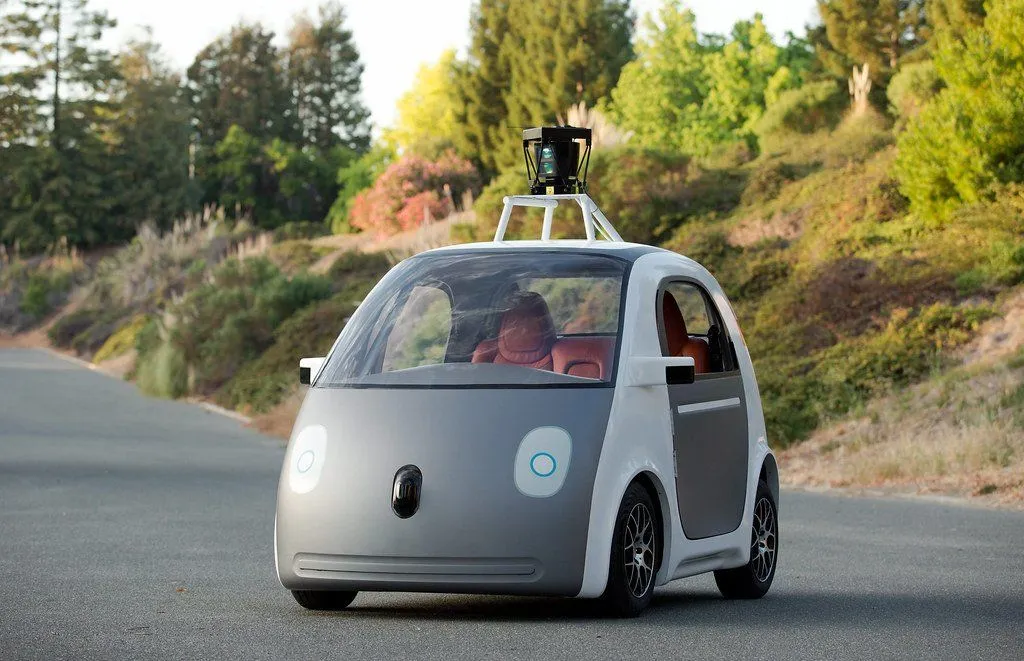
On the other hand, driverless trains are much simpler to design and create than driverless trucks or cars. Navigating a train is simpler, as its path is confined wholly to the rail network. Trains can only travel forward and backward, so the train operator doesn’t need to worry about other trains weaving in and out of its path, unlike someone driving a car.
Let’s take a look at the current train automation systems.
The Various Grades Of Train Automation
- GoA 0 (On-Sight Train Operation): the train is driven manually with no assistance systems. The driver drives by line of sight, while stationary lineside light signals control railway operations. This is still the prevalent mode on tram networks and many older mainline corridors.
- GoA 1 (Non-Automated Train Operation, NTO): the driver controls acceleration and braking manually, but a train protection system (such as ETCS or PTC) continuously monitors speed and enforces braking if limits are exceeded. Real-time movement information from other trains in the network is displayed in the driver’s cab.
- GoA 2 (Semi-Automated Train Operation, STO): the automatic train operation system controls acceleration, cruising, and precision braking between stations, while the driver supervises, operates the doors, and handles any emergencies. Most modern metros, including London Underground’s Victoria, Jubilee, and Central lines, run at GoA 2.
- GoA 3 (Driverless Train Operation, DTO): there is no driver in the cab. The automatic system handles departure, movement between stations, precision stopping, and door operation. However, a train attendant is still on board to intervene in emergencies, manage evacuations, or take over manually if the system fails. London’s Docklands Light Railway is a long-running GoA 3 example.
- GoA 4 (Unattended Train Operation, UTO): all train operations are controlled and monitored automatically, with neither a driver nor an attendant on board. Coupling and uncoupling, bogie stabilization, and remote repair are handled by the control center. Paris Metro Line 1 and Line 4, Copenhagen Metro, Singapore’s North-East Line, and Honolulu’s Skyline (the first GoA 4 urban rail in the United States) all run as UTO.
Technology Behind Driverless Automation
The technology employed in driverless trains is called Communication Based Train Control (CBTC). This technology involves communication between the train and equipment on the track to manage all rail traffic. This method accurately identifies train positions, bogey alignments, and rail stability more accurately than traditional signaling systems. This ensures greater efficiency and safety of both the equipment and the passengers.
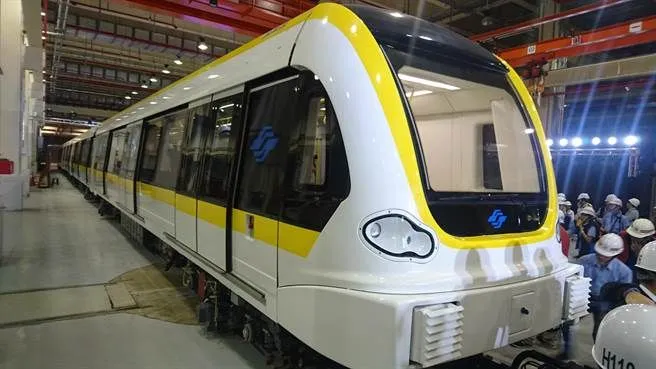
Conventional metro rails require signaling and the intervention of a train pilot, whereas the function of CBTC-enabled trains is solely based on human-fed data and its own understanding. In most CBTC metro networks, data transfer between trains and trackside equipment is carried out over dedicated wireless links, typically IEEE 802.11 WLAN in the 2.4 GHz or 5.8 GHz bands. Newer deployments are migrating to LTE-based radio (LTE-M / LTE-R). The Global System for Mobile Communications-Railway (GSM-R), by contrast, is the radio bearer for ETCS on mainline railways, not metro CBTC.
Driverless trains are energy-efficient and economical due to optimized acceleration, traction, smooth braking, and controlled power intake. Based on line data generated by the control centers, the automated system calculates precisely where and how the train should be accelerated or braked to time the arrival and departures with maximum accuracy. Former train pilots can be employed as train attendants to service passengers and act immediately during emergencies.
Additional Features That Make Driverless Tech Successful
To make driverless train tech possible, additional systems like platform track monitoring systems, platform screens, intrusion avoidance, and remote sensing systems are essential.
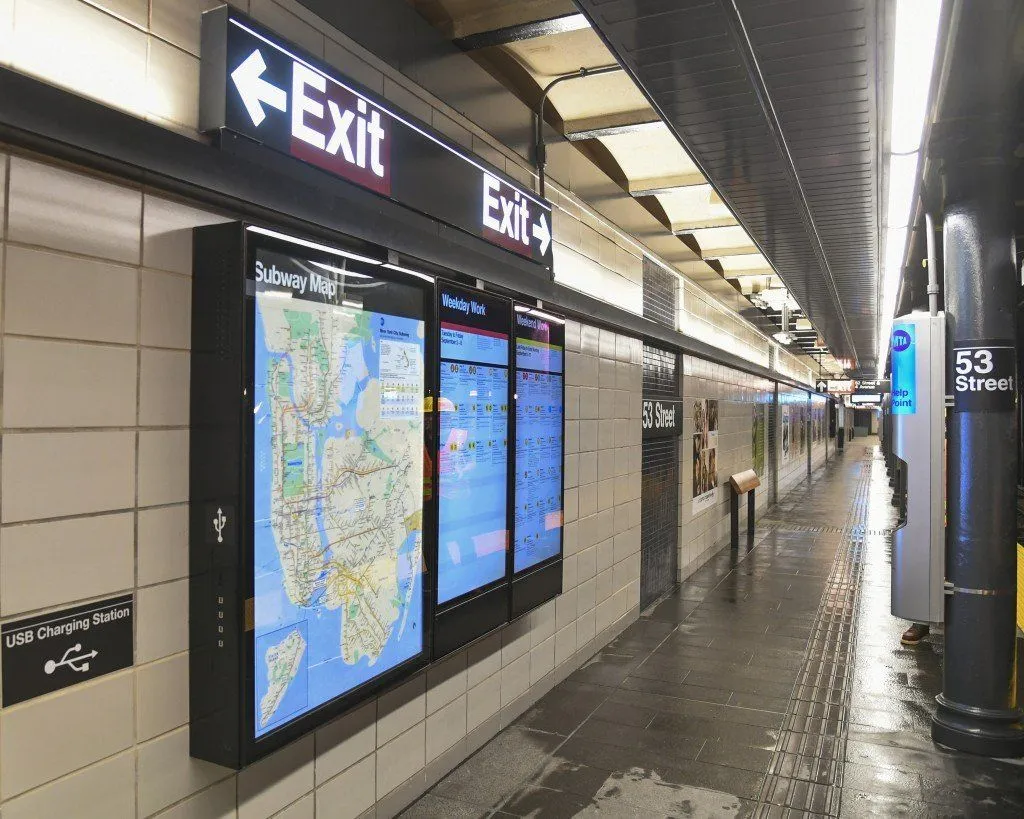
Such systems help eliminate the risk of any fatalities on the tracks and greatly improve system efficiency. If a passenger deploys the emergency brakes, the situation in the train can be assessed by the control centre with the aid of passenger area surveillance. Smoke detectors inside the train and on the track report to the control room in the case of fire. This allows the system to understand the situation, devise necessary halts, and quickly re-route the network.
Long-distance Rail Systems
Long-distance railways have certain challenges that urban railway lines do not face. These challenges include animal encroachment, inclement weather conditions, and automobiles obstructing the train’s path on the railway. However, driverless trains can still succeed in such cases, even if the Operations Control Center is many miles away.
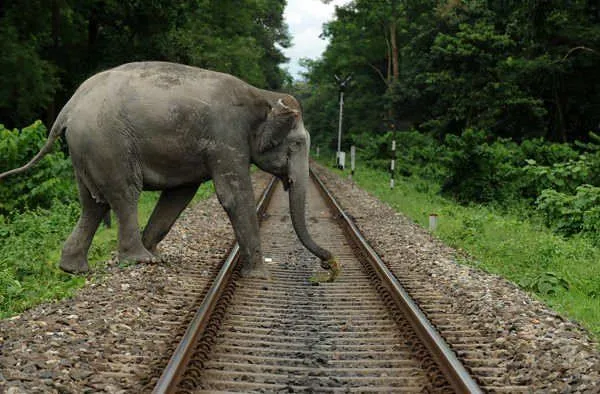
The concept of a driverless rail network gives computers control over the systems and enables them to reach inaccessible places by setting up sensors and detectors throughout the rail line. This provides efficient and unbiased control over the entire network. Although there is always a risk of network failure, as every system has a loophole, the key is to opt for the system with the fewest loopholes. Therefore, driverless trains with a rail attendant are better for long-distance rail systems.
Which Metro Systems Around The World Are Driverless?
Driverless operation has quietly become the norm on many of the world's busiest urban networks, and the systems that pioneered it are often the ones passengers ask about most. The Vancouver SkyTrain in Canada, which opened in December 1985, is one of the oldest and longest fully automated, driverless metro systems still running today, and every line operates without an onboard driver using the SelTrac control system.

In the Middle East, the Dubai Metro began service on 9 September 2009 and has been fully driverless (GoA 4) from the start, controlled by Thales SelTrac communications-based train control. It held the Guinness World Record for the longest driverless metro network from 2009 to 2016, and reclaimed the title in 2021 after its Route 2020 extension opened. That record then passed to the Riyadh Metro in Saudi Arabia, which opened on 1 December 2024 and stretches 176 kilometres (109 miles) across six lines and 85 stations, making it the longest fully automated, driverless metro network in the world.
Closer to home for many readers, the Sydney Metro opened on 26 May 2019 as Australia's first driverless railway, and in August 2024 it was extended beneath Sydney Harbour and the central business district. In India, the Delhi Metro ran the country's first driverless service on its Magenta Line in December 2020 and extended unattended operation to the Pink Line in November 2021, remaining the only fully automated metro network in the country.
Recent Driverless Rollouts (2023–2025)
The pace of GoA 4 deployments has accelerated sharply in the past two years. In January 2024, Paris Metro Line 4 became the second Paris line (after Line 1) to be fully retrofitted to unattended train operation by Siemens Mobility, without halting service during the conversion.
Across the Atlantic, Honolulu’s Skyline opened in June 2023 as the first GoA 4 urban rail line in the United States, with Hitachi Rail supplying the rolling stock and signaling. The line’s second segment, running to the airport and Middle Street, opened on 16 October 2025.
In Asia, Alstom delivered the first GoA 4 trainset for Chennai Metro Phase II in October 2024, and Mumbai Metro Line 4 awarded Alstom a driverless contract in August 2025. Together, these projects show that unattended operation is now the default choice for new metro builds in Europe, North America, and Asia.
Conclusion
Driverless train technology is not a new concept for the world’s metro systems, but it still raises some concerns in the public transport sector.
On the one hand, driverless trains are seen as a way to avoid human error, allowing the industry to achieve new levels of efficiency, especially in the era of overpopulation, where transport is already operating at its capacity limits. On the other hand, some critics are worried about entrusting public safety to an unmanned system and possibly losing many jobs.
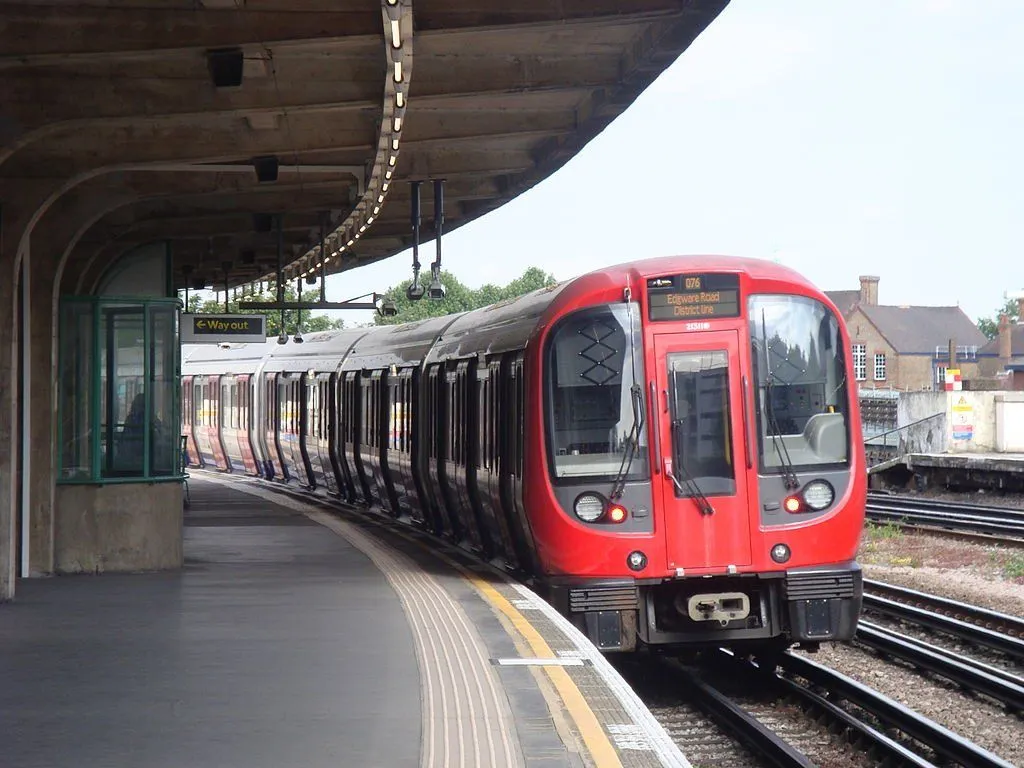
Although these concerns are valid, the advantages of driverless global connectivity exceed the disadvantages. What needs to be done is a continuous improvement of the system, addressing all safety concerns and monitoring any network loopholes.
So, even if a human isn’t driving the train, you can still experience the best of human excellence by getting on board!
Last Updated By: Ashish Tiwari
References (click to expand)
- Fraszczyk, A., Brown, P., & Duan, S. (2015, June). Public Perception of Driverless Trains. Urban Rail Transit. Springer Science and Business Media LLC.
- Powell, J. P., Fraszczyk, A., Cheong, C. N., & Yeung, H. K. (2016, December). Potential Benefits and Obstacles of Implementing Driverless Train Operation on the Tyne and Wear Metro: A Simulation Exercise. Urban Rail Transit. Springer Science and Business Media LLC.
- Wang, Y., Zhang, M., Ma, J., & Zhou, X. (2016, December). Survey on Driverless Train Operation for Urban Rail Transit Systems. Urban Rail Transit. Springer Science and Business Media LLC.
- Smart trains with no driver.
- IEEE 1474.1 Standard for Communications-Based Train Control (CBTC) Performance and Functional Requirements. IEEE Standards Association.
- Grades of Automation (GoA 0–4) per UITP and IEC 62290. CBTC Solutions.
- Siemens Mobility successfully completes full automation of Paris Metro Line 4 (January 2024). Siemens press release.
- Skyline (Honolulu): first GoA 4 urban rail in the United States. Wikipedia.
- SkyTrain (Vancouver): opened December 1985; one of the oldest and longest fully automated, driverless metro systems. Wikipedia.
- Dubai Metro: fully driverless (GoA 4) since 9 September 2009; held the Guinness record for longest driverless metro 2009–2016 and 2021–2024. Wikipedia.
- Riyadh Metro: opened 1 December 2024; Guinness World Records' world's longest driverless metro network (176 km, six lines, 85 stations). Wikipedia.
- Sydney Metro: opened 26 May 2019 as Australia's first driverless railway; city section opened August 2024. Wikipedia.
- Delhi Metro: India's first driverless train operations (Magenta Line, December 2020; Pink Line, November 2021). Wikipedia.