Table of Contents (click to expand)
Yes. A battery management system (BMS) extends a battery pack's life by controlling how it charges and discharges. It tracks each cell's state of charge, temperature, and state of health, balances the cells so none is overworked, and cuts off the current when a fault or overheating threatens the pack.
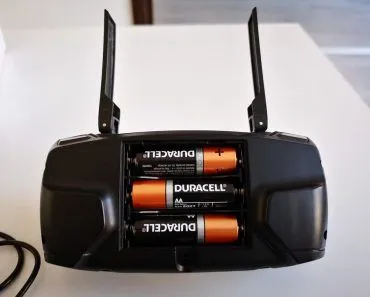
Batteries have been around for some time now, and with the evolution and ‘compaction’ of technology, even the most power-intensive devices are looking to migrate to wireless iterations. Today, batteries are no longer restricted to small cells that you snap into the back panel of handheld devices; they are progressing towards powering much bigger appliances that the modern world demands.
Cell Vs Battery
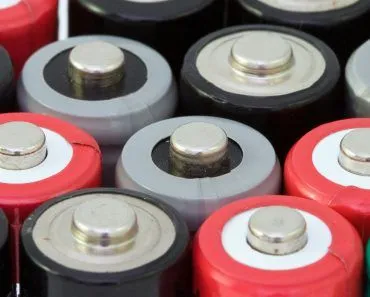
A cell is a single device in which electricity is generated by a chemical reaction. A collection of such cells is known as a battery. Outwardly, a battery may look like a very large cell, but it is actually a series of cells all connected together.
Batteries are used in places where the electrical demand is high, in terms of voltage, current or even the duration for which it must be supplied.
Battery Packs And Battery Modules
Even the most energy-intensive electronic systems are now being designed to be portable. In such scenarios, batteries can no longer be passive components that simply supply electricity. They must actively coordinate with other parts of the system and supply users with useful information.
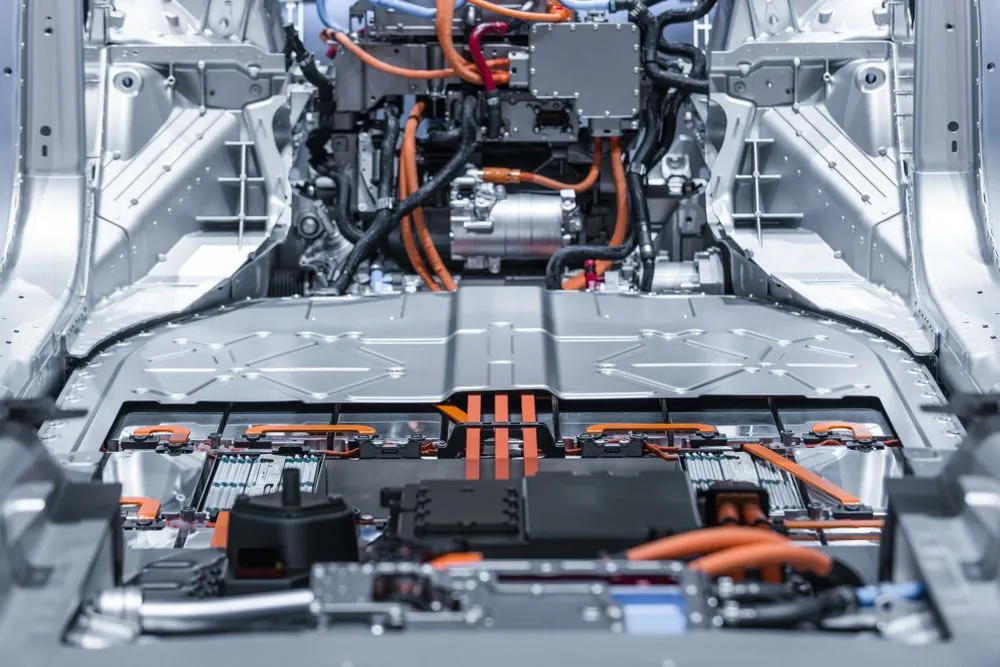
Batteries are therefore coupled with software, and sometimes, their own temperature control system, and then consolidated into one enclosure. Such a unit is known as a battery pack. When the battery pack is large, the batteries are arranged in smaller and easily serviceable units called modules.
Battery Management System (BMS)
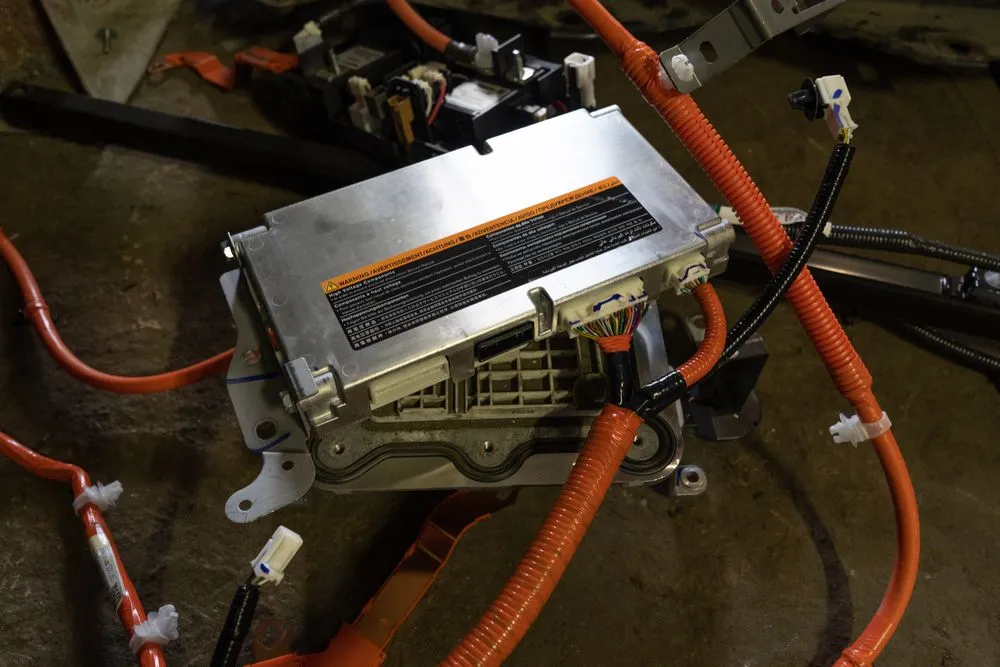
As with everything else, the longevity of a battery pack depends on how well it is used throughout its lifecycle. Since batteries by themselves cannot do much more than generate electric current, they’re connected to an electronic chipset with software built into it. This system is known as the battery management system and is responsible for monitoring and improving the life of the battery pack.
What Does The BMS Monitor?
Simply put, the battery management system monitors the state of charge and the overall health of the battery. This is done by ensuring that all batteries within the pack are charged and optimally depleted by usage (discharged), with no single unit taking on more of a load than the others.

The state of charge (SOC) of a battery refers to its current capacity to hold charge as a percentage of its rated capacity. A battery’s maximum SOC reduces over time, which reduces the amount of charge it can hold. Similarly, the state of health (SOH) is the ratio of the battery’s maximum capacity of charge to the charge capacity of a fresh battery of similar specifications. Also, if there is some fault in the appliance using the battery pack, the BMS protects it by disconnecting it from the surge, thereby isolating it from potential damage.
Components Of BMS
Battery management systems are complex electronic architectures that can be decomposed into smaller ‘building blocks’, each designed to serve the battery in some way.

Components And Functions Of BMS
The complex BMS architecture is composed of various components. It includes a temperature monitor, a voltage monitor, and a charge monitor, which report on the battery's temperature, state of health, and state of charge, respectively. The controller uses these readings to drive the battery isolation FETs (field-effect transistors), the switches that connect or cut off the flow of current within the battery pack.
While the individual components of a BMS give some insight as to how it works, it is important to know why a BMS is needed at all. After all, they’re still the new kid on the block… batteries have been in use for decades!
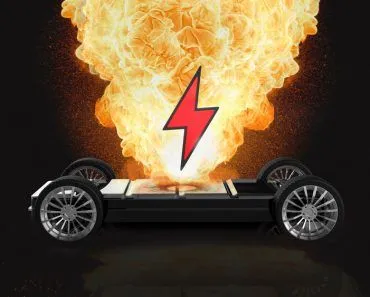
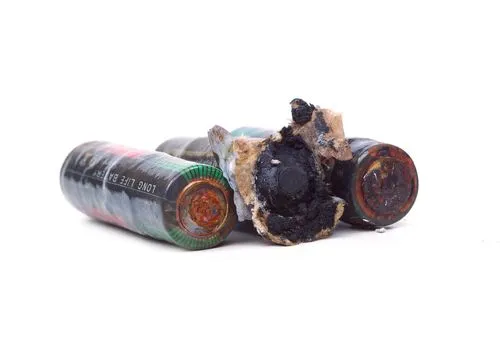
- Safety: When a battery generates more heat from its chemical reactions than it can shed, the temperature can spiral upward in a self-feeding loop known as thermal runaway, which vents hot gas and can lead to fire or even an explosion. A BMS helps head this off by cutting back or shutting off the current when temperatures climb too high.
- Performance optimization: A BMS runs cell-balancing routines whenever the cells in a pack drift to different states of charge. A pack is only as strong as its weakest cell, so balancing keeps them in step and stops any one cell from being run flat or overcharged ahead of the rest. There are two ways to do it. Passive balancing, the cheaper and far more common approach, simply bleeds the excess charge off the fuller cells as heat through resistors. Active balancing instead shuttles that charge from the fuller cells into the emptier ones, which wastes less energy but needs more circuitry.
- Battery health monitoring: Battery health is monitored by comparing how a battery performs today against what it performed like when it was new. This benchmarking determines the drop in the efficiency of the battery with use over time. By running batteries optimally through their charge and discharge cycles, the BMS ensures that the life of the battery pack is maximized.
Can Batteries Be Made To Last Longer?
When using batteries in a more traditional way, there is always room for uncertainty. However, adding a BMS changes the way batteries charge and discharge. This helps in ensuring that the batteries do not face any overload, which reduces their life.
But if BMS improves battery life, why don’t all appliances utilize such a system?
The biggest reason is the cost of adding a BMS, which would far outweigh the cost of simply replacing the batteries, making such a strategy uneconomical. A BMS is commonly used in appliances that use battery packs, where the cost of the battery pack comprises a significant percentage of the total appliance. Those types of appliances are also expensive, justifying the cost of the BMS module.
So, while the name BMS might not be thrown around casually anytime soon, at least you’ll know what goes on inside the battery pack of the next electric car you see!
References (click to expand)
- Bareño, J., Dietz Rago, N., Dogan, F., Graczyk, D. G., Tsai, Y., Naik, S. R., … Bloom, I. (2018, May). Effect of overcharge on Li(Ni0.5Mn0.3Co0.2)O2/graphite lithium ion cells with poly(vinylidene fluoride) binder. III — Chemical changes in the cathode. Journal of Power Sources. Elsevier BV.
- Krieger, E. M., & Arnold, C. B. (2012, July). Effects of undercharge and internal loss on the rate dependence of battery charge storage efficiency. Journal of Power Sources. Elsevier BV.