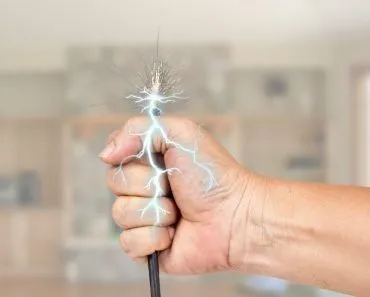
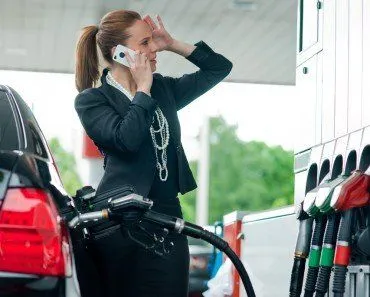
Electric scooters catch fire when their lithium-ion battery undergoes thermal runaway, a self-feeding chain reaction in which one overheating cell ignites its neighbors. It is usually set off by a manufacturing defect, physical damage, or overcharging, which triggers an internal short circuit and a runaway temperature spike.
Batteries are a timeless marvel of chemistry and engineering. To be able to carry the power of Zeus in your pocket is no mean feat, and batteries enable us to do just that! With electric mobility on the rise, battery technology is only set to surge. However, the batteries that power scooters and e-bikes are still posing somewhat of a challenge. New York City firefighters responded to 277 lithium-ion battery fires in 2024, while London Fire Brigade now calls e-bikes and e-scooters the city's fastest growing fire risk. With headlines like these, the issue clearly demands an explanation.
Why Do Electric Scooters Sometimes Catch Fire?
Before you jump to conclusions, don’t let this generalized assertion scare you. Electric scooters and vehicles in general do not catch fire very often. The modern battery pack that powers electric vehicles has many safety features that prevent it from catching fire.
However, fires pose a real danger with faulty or abused battery packs, which is exactly what fire departments in cities like New York and London have been grappling with as cheap, uncertified e-bikes and scooters flood the streets. The trigger is almost always one of a few culprits: a manufacturing defect inside a cell, physical damage from a crash or a dropped pack, or overcharging with a mismatched charger. Any of these can spark an internal short circuit, and that is what kicks off the runaway heating known, in scientific parlance, as thermal runaway.
What Is Thermal Runaway?
Before we begin, let’s look at a common phenomenon that we have all experienced at some point. If your smartphone has a metallic body, you will feel it heating up after constant use. On the flip side, the metallic body will heat up even when the phone is being charged and not in use. So why do we draw parallels between EVs and smartphones?
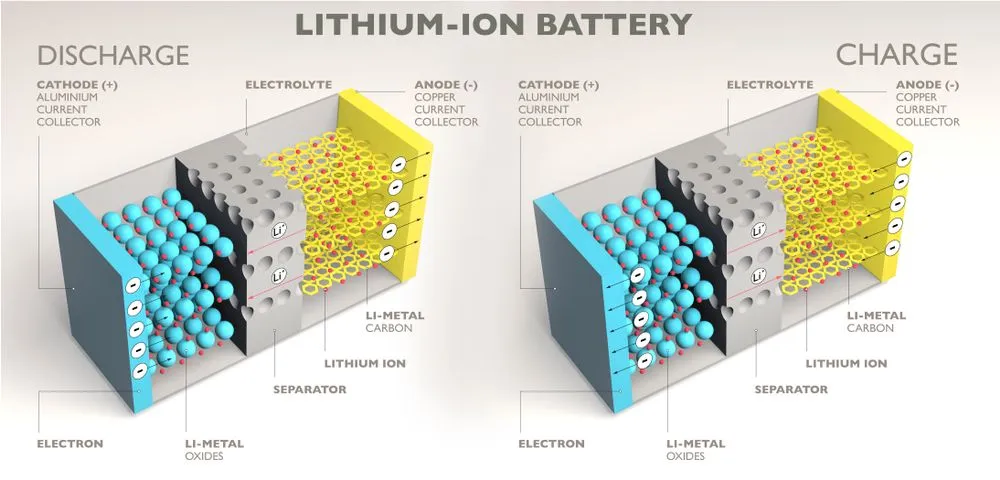
Most portable appliances today, including EVs and smartphones, are built around the lithium-ion battery. Amongst the most favorable characteristics of this battery include its compact construction, the absence of liquid electrolytes, and high energy density. That high energy density, however, is also its biggest disadvantage.
A Li-ion cell heats up whenever current flows through it, during both charging and discharging, mostly because of its internal electrical resistance. Under normal use, that warmth is gentle and the cell sheds it harmlessly. The trouble begins when a cell is pushed past its limits, by overcharging, by a crash that crushes it, or by a hidden manufacturing flaw. Any of these can create an internal short circuit, dumping a burst of heat into one spot.
Once a cell crosses roughly 80 to 100 °C (176 to 212 °F), the protective layer coating its electrodes starts to break down. That releases more heat, which drives further reactions, which release still more heat, a vicious cycle that no longer needs an outside spark to keep going. The cell can shoot past 400 °C (752 °F) in seconds, venting flammable gas and engulfing its neighboring cells in the same runaway. This self-feeding cascade is what scientists call thermal runaway, and it is why a single bad cell can take down an entire battery pack in an explosion of fire.
How Can Thermal Runaway Be Prevented?
In order to prevent thermal runaway in battery packs, it is important to reduce load on the system. Battery loading is not only restricted to abusive charging and discharging cycles. It also includes mechanical stresses, such as compression and vibration. The key to reducing the risk of thermal runaway therefore lies in robust battery management, along with appropriate heat dissipation and physical isolation of the battery pack.
Battery Management Systems
In order to prevent thermal runaway, battery packs are fitted with a battery management system that monitors each cell for irregular vital signs, such as a surge in temperatures.
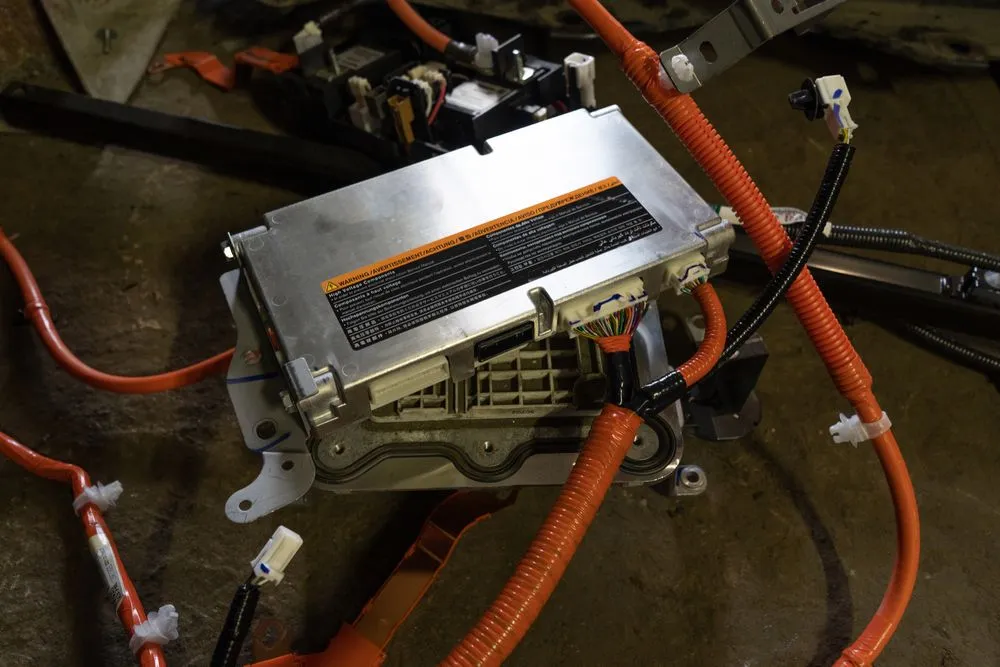
In the event of something extraordinary, the BMS isolates the cell from the remaining battery pack and delivers reduced performance for the appliance. If the entire battery pack becomes unstable, the BMS triggers a cutoff to prevent it from overloading.
Heat Dissipation In Battery Packs
Heat dissipation in battery packs can be done in a few ways that are very similar to those used in internal combustion engines. The first is using air cooling, where the battery pack relies on vehicular motion to come into contact with cool ambient air.
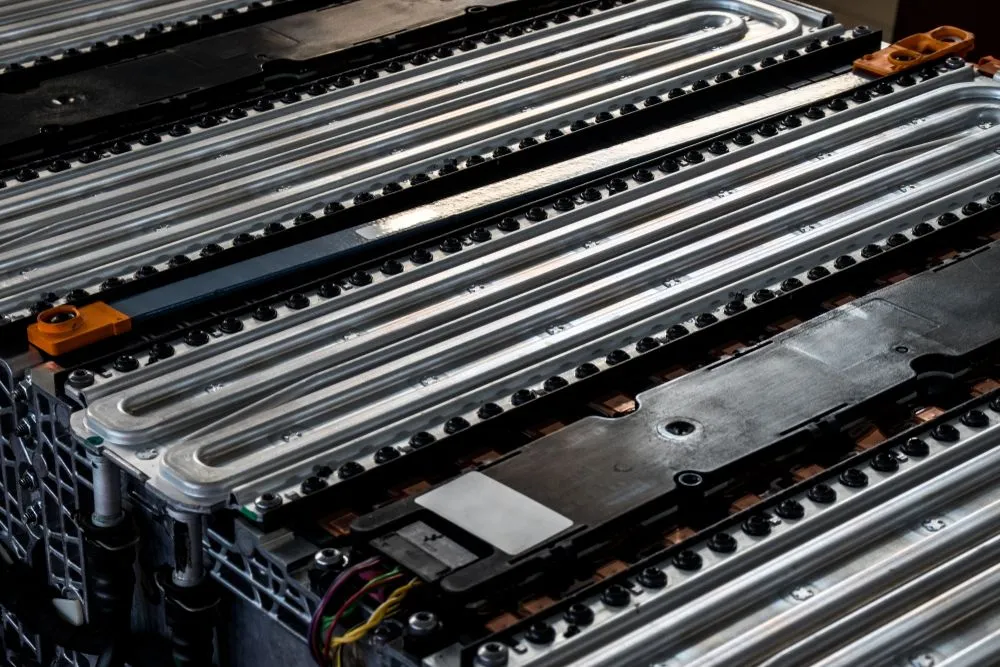
This process can also be accelerated by the use of a fan. Another method is to include a liquid cooling jacket around the battery pack. This is very similar to cars, where a coolant circulates through the engine and dumps the heat into the radiator.
Battery Pack Casing Material
Battery packs consist of many cells connected together to maximize output voltage and capacity. However, they cannot be stored openly with other moving components and must therefore be held in a strong box within the vehicle’s chassis. Since battery packs heat up during the course of both charging and discharging, it is advantageous to have a casing that can direct heat away from them.
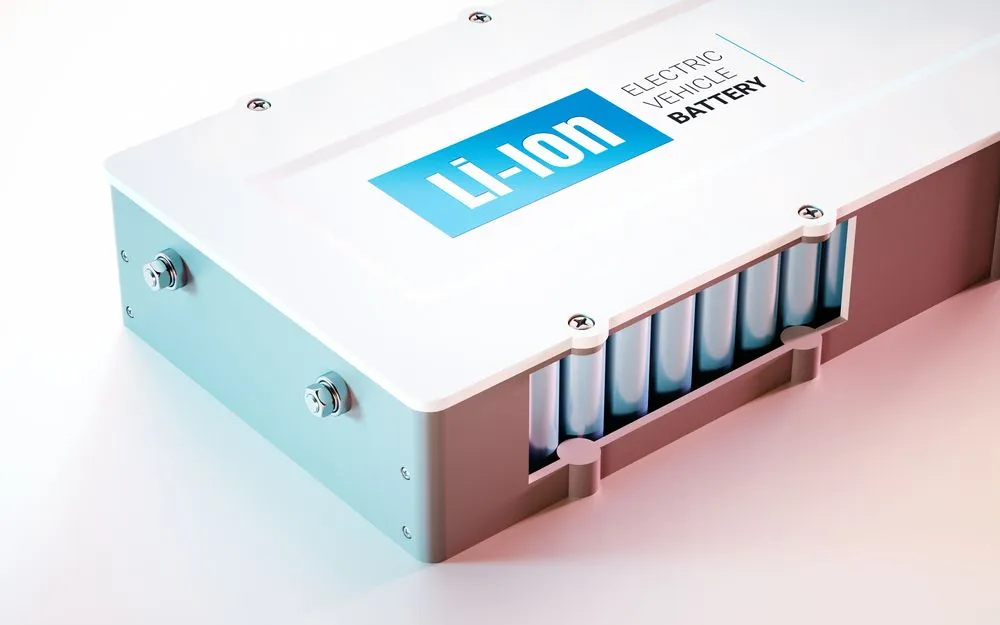
At the same time, it must be sturdy enough to deal with road surface and climatic irregularities in the region it serves. Thus, popular choices include plastics and metal. While plastics make for rigid, lightweight structures, they are poor conductors of heat. Metal, while being good conductors of heat, can be quite bulky and expensive.
How Does This Affect Electric Scooter Design?
A scooter has several design and cost constraints due to their compact, lightweight and affordable architecture. While liquid cooling and metallic battery casings are desirable for their superior cooling properties, they are quite bulky. Thus, the reliance on plastic and aluminum battery casings, alongside cooling by surrounding air, is the only viable solution at present.
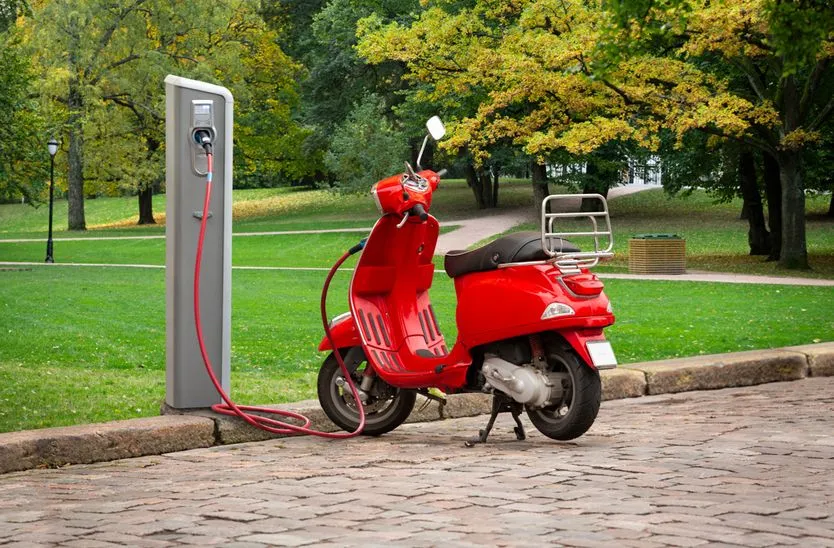
During a summer heat wave, or when a scooter is left baking in a parked car, ambient temperatures climb so high that very little heat gets transferred away from the battery pack, nudging it closer to thermal runaway. Built-in battery management systems sometimes fail to initiate a cutoff, causing the temperature spikes to worsen and result in a fire.
What Can Be Done To Prevent EV Fires?
Fires arising from lithium-ion battery packs are notoriously difficult to put out, since the runaway reaction generates its own oxygen and reignites even after the flames are doused. Thus, manufacturers must rigorously test their batteries and associated systems for proofing against thermal runaway. Some of these safeguards include overheating warnings and cutoffs that isolate the battery pack to prevent it from further loading.
This is also where independent safety certification comes in. In the United States, UL Solutions publishes standards such as UL 2272 for the electrical systems of e-scooters, UL 2849 for e-bikes, and UL 2271 for the batteries themselves. New York City was the first major US city to make these certifications mandatory: since 2023, it has been illegal to sell, lease, or rent an uncertified e-bike, e-scooter, or battery there. The payoff has been dramatic. The FDNY reported that deaths from lithium-ion battery fires fell from 18 in 2023 to 6 in 2024, a 67 percent drop, even as the number of such fires held roughly steady.
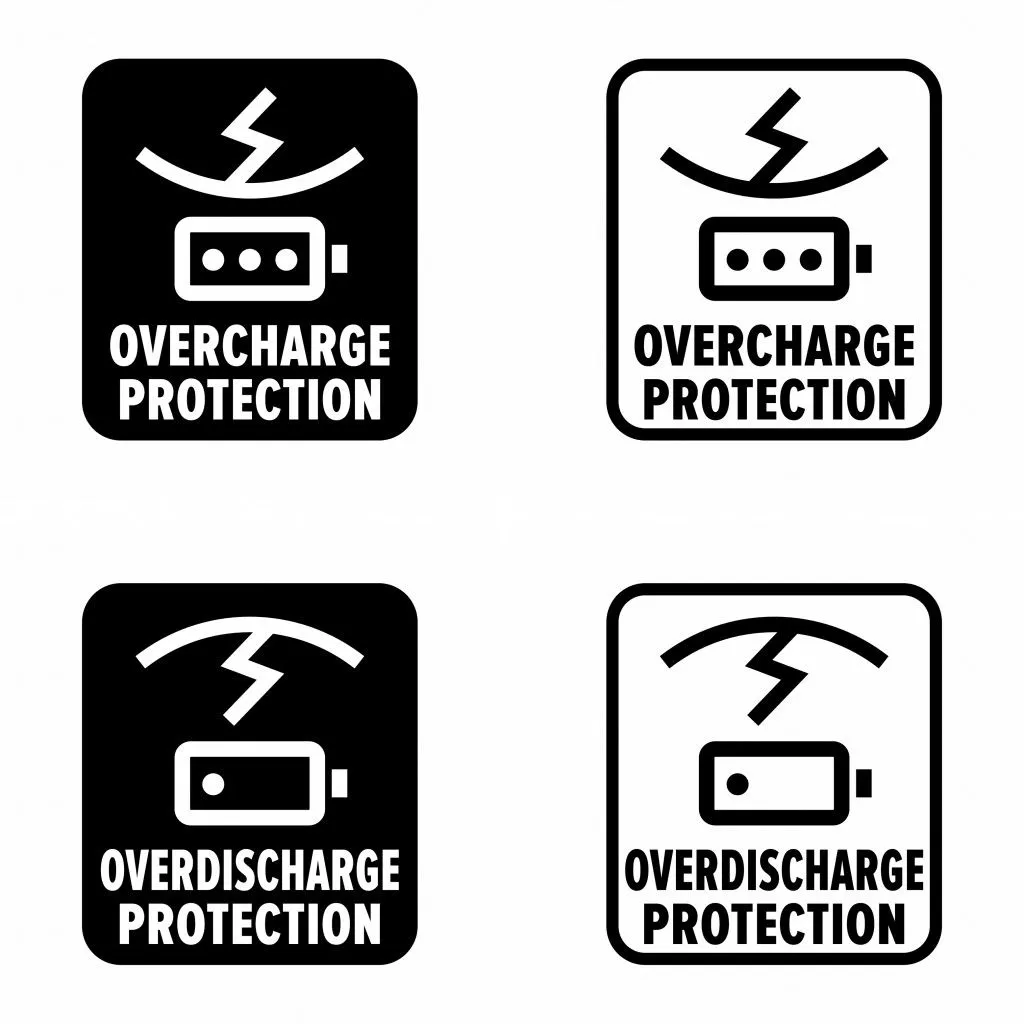
As end users, there are some things we can do to stay safe. Start at the point of purchase: buy a scooter and battery that carry a recognized safety certification (look for a UL mark in the US, or a UKCA or CE mark in the UK and Europe), and only ever charge the pack with the charger that came with it. Beyond that, monitor the state of charge and avoid overcharging, unplugging once the battery is full rather than leaving it on the charger overnight. It also helps to charge away from doors and exits, and to refrain from using driving modes that excessively load the battery in return for performance when riding in less than optimum temperature conditions. If a battery ever swells, hisses, or smells odd, stop using it at once and have it checked.
References (click to expand)
- (2014) Understanding Lithium Ion Battery Fires - OSTI.GOV. The Office of Scientific and Technical Information
- Gao, A., Dong, W., Xu, . fang ., Xu, X., & Fan, L. (2022, February 1). Study on Thermal Runaway Behavior of Lithium Ion Battery under Overcharge Using Numerical Detecting Method. Journal of Physics: Conference Series. IOP Publishing.
- Finegan, D. P., et al. Identifying the Cause of Rupture of Li-Ion Batteries during Thermal Runaway. Advanced Science. PMC, NCBI.
- Lithium-Ion Battery Safety. Fire Department of the City of New York (FDNY), nyc.gov.
- NYC's New Law on e-Bikes Can Save Lives and Should Be the Model (UL 2272 / UL 2849 / UL 2271). UL Standards & Engagement.
- E-bikes and e-scooters: know the dangers. London Fire Brigade.