Table of Contents (click to expand)
Engine oil lubricates an engine’s moving parts, reduces friction and wear, carries away heat, seals the gaps between pistons and cylinder walls, and cleans the engine by suspending soot and sludge while protecting metal from corrosion. Over time, oil oxidizes and becomes saturated with contaminants, losing its effectiveness, which is why it must be changed regularly.
Every machine that has moving parts must be maintained or ‘serviced’ at regular intervals so that it continues to function efficiently, and remains operational for a long period of time.

Take automobiles (motorcycles, cars, trucks etc.), for example. If you own an automobile, you know all too well that you have to get them serviced every few months, or else deal with their ‘tantrums’ on the road. I have a motorcycle, and I get it serviced every 4 months. If I don’t, it still gets me from point A to point B, but then it breaks down in the form of poor mileage, delayed starting etc.
In terms of automobile maintenance, the one thing that you need to regularly do is change the motor oil (or engine oil). There are a few other things that also need to be done frequently, but changing the engine oil is probably the most crucial part of routine maintenance for any vehicle.
Why is that so? What happens to the oil that makes you have to change it, rather than just “topping it up”?

Before we get to that, it helps to understand what role motor oil plays in an engine.
What Does Engine/motor Oil Do?
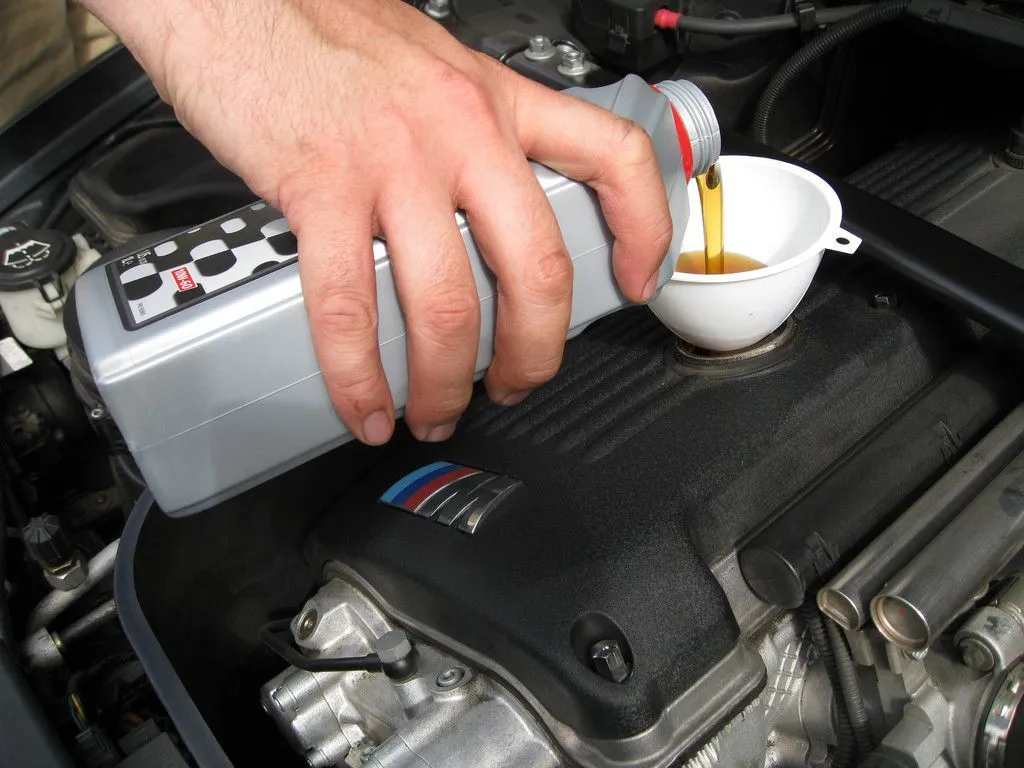
Engine oil plays a few important roles; the first and most obvious is that it lubricates the engine and its components. It starts its journey when it’s sucked in by a pickup tube, pressurized and then sent around the entire engine through a circuit of oilways. It lubricates a number of components, including the crankshaft, piston rings, crankshaft bearing, piston rod bearings etc.
Engine oil also reduces friction between metallic parts and prevents metal-to-metal contact. It helps keep the moving parts of the engine cool, relatively speaking.
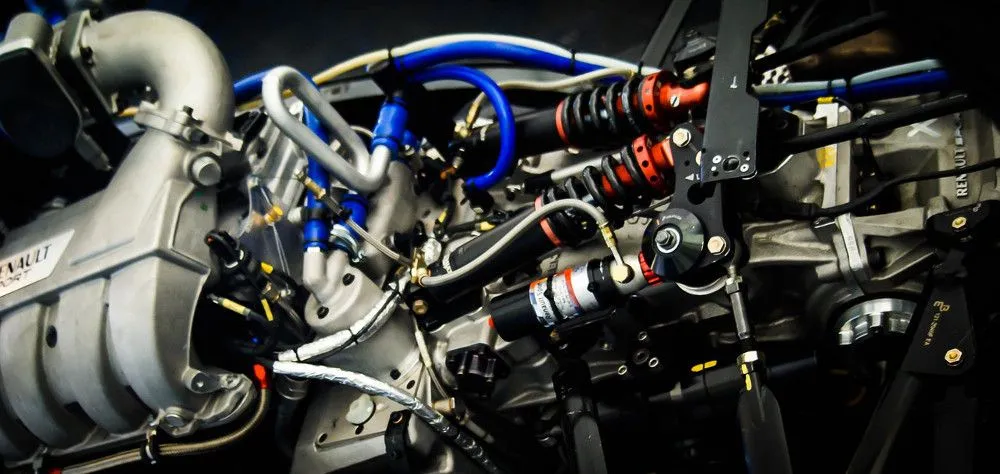
Furthermore, engine oil reduces harmful deposits and ‘cleans’ your engine. You see, your engine runs on fuel, which is a hydrocarbon (a compound of carbon and hydrogen). No engine burns its fuel perfectly, so incomplete combustion leaves behind soot and other carbon deposits as a byproduct. Now, soot and sludge can wreak havoc on the performance of engine parts. Engine oil carries special additives called detergents and dispersants that loosen these deposits and keep them suspended in the oil, where they can be carried off to the oil filter instead of caking onto engine parts. That’s the ‘cleaning’ job.
There are two more roles worth a quick mention. Engine oil also helps seal the tiny gaps between the piston rings and the cylinder walls, so that the pressure built up during combustion doesn’t leak past the pistons. And it coats metal surfaces with a thin protective film that keeps out moisture and the acids that form inside an engine, guarding the parts against rust and corrosion.
This is also a good moment to decode the numbers printed on every bottle of motor oil. A grade like 5W-30 describes the oil’s viscosity, or thickness. The first number (with the ‘W’, which stands for winter, not weight) tells you how easily the oil flows when the engine is cold; the second number tells you how it behaves once the engine is hot. A lower ‘W’ number means the oil flows more freely on a cold morning. These are called multigrade oils, and they’re the reason the same bottle can protect your engine in both summer heat and winter cold. You may also have seen ‘synthetic’ and ‘conventional’ oils on the shelf. Synthetic oils are engineered for more consistent performance and tend to resist breaking down longer than conventional (mineral) oils, which is why many modern cars are filled with them from the factory. Whatever the type, always use the grade your owner’s manual recommends.
Now that we know what engine oil is good for, let’s look at why it must be changed regularly.
Why Must Engine Oil Be Changed Regularly?
When engine oil’s ability to do any of the jobs mentioned above is reduced or compromised, it needs to be changed.
Oil Breaks Down
First of all, oil oxidizes in the presence of air. Also, there is a lot of heat in the engine that helps to accelerate the process. Because the engine is very hot, the engine oil breaks down much faster in some parts of the car. This produces sludge (actually a carbon precipitate that falls out of the oil solution). This sludge then mixes with the oil, making it ‘thicker’ and compromising its lubricating ability.
With use, the additives present in the oil break down too.
Note that too ‘thin’ of an engine oil is also not good for engine performance. It should neither be too thick, nor too thin.
Saturation
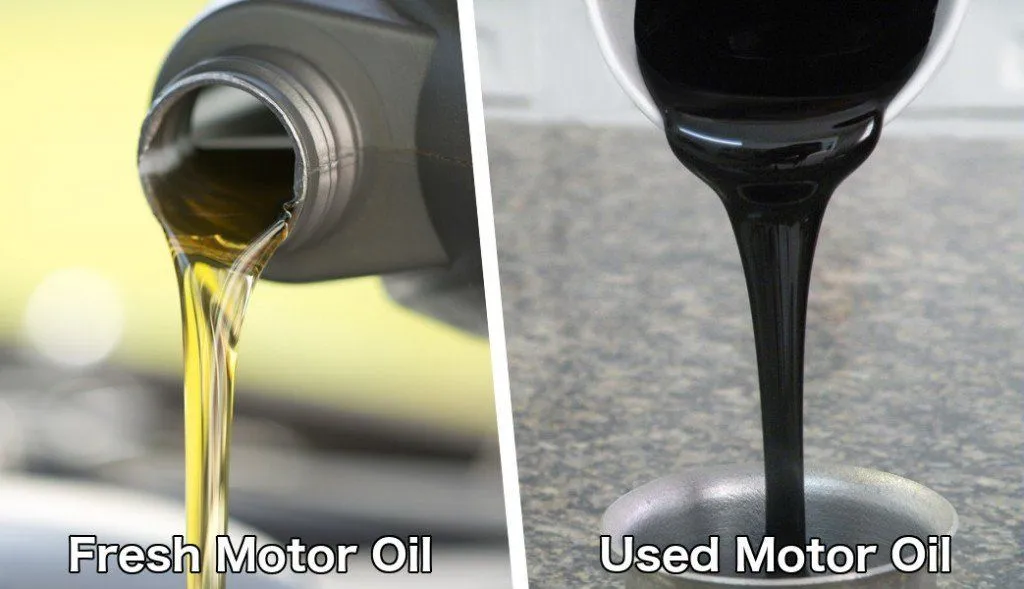
As mentioned earlier, engine oil facilitates the cleaning of the engine by absorbing carbon deposits, soot or sludge. However, it can only absorb so much of these byproducts before it becomes saturated and is no longer able to absorb any more material. Once the oil is saturated, soot starts accumulating in the oil (that’s why used motor oil is black) and it gradually loses its effectiveness.
Dust And Dirt
It’s impossible to prevent dust from entering stuff – that’s one universal truth. If it’s a thing, it WILL attract dust.

As dirt accumulates on the filter (that’s designed to filter out contaminants), it becomes more difficult for the oil to pass through it. Thus, oil absorbs more dust and becomes less effective. That’s why it’s often recommended to change the filter when you change the engine oil.
So How Often Should You Change It?
This is where a lot of old advice leads people astray. The familiar ‘every 3,000 miles’ (about 4,800 km) rule dates back to older engines and older oils, and for most modern cars it’s simply too often. Today’s engines paired with today’s oils go a lot further. As a rough guide, conventional oil is typically changed every 5,000 to 8,000 km (roughly 3,000 to 5,000 mi), while full synthetic oil often lasts 12,000 to 16,000 km (about 7,500 to 10,000 mi), and some manufacturers stretch the interval even further.
The honest answer, though, is to follow the schedule in your owner’s manual rather than any one-size-fits-all number, since the right interval depends on your specific engine, the oil it calls for, and how you drive. Lots of short trips, towing, stop-and-go traffic, or extreme heat and cold all count as ‘severe’ driving and shorten the interval. Many newer cars also track this for you and flash an oil-life reminder when it’s actually time, so you no longer have to count the miles yourself.
References (click to expand)
- SAE number | Synthetic, Synthetic Blend & Viscosity. Encyclopaedia Britannica
- "Selection of Motor Oil" by H. Waelti and D. L. Moe - Open PRAIRIE. South Dakota State University
- Keeping Your Vehicle in Shape. fueleconomy.gov - U.S. Department of Energy
- Managing, Reusing, and Recycling Used Oil | US EPA. The Environmental Protection Agency