Table of Contents (click to expand)
Using your phone before bed harms sleep in two ways. The screen's bright, blue-rich light suppresses melatonin, the hormone that makes you sleepy, while the engaging content keeps your brain alert. Together they delay sleep, and chronic circadian disruption is linked to obesity, diabetes, and other health risks. Dimming the screen and stopping earlier helps more than blue-light filters alone.
If you are anything like me, your phone is the first and last thing you see every day. I check my phone every time I go to sleep, sometimes play a few games, or browse the social media websites, unblinking and zombie-like.
The one thing that you do know even before reading this article is that this behavior is really unhealthy for you. You know this because you can feel the ramifications of this inescapable habit. Ever notice how you don’t seem to be able to sleep well right after you’ve spent hours in front of a screen? Now, science can tell you why this happens, backed up by incontrovertible facts.
Cognitive Stimulation
One simple effect that watching a bright screen right before bed has is the fact that you don’t get tired enough to sleep. Before you go to bed, your body has to wind down properly. However, with the introduction of brightly lit entertainment, this often feels impossible!
The video games that you play, the incessant stalking you do on Facebook, the last-minute reading of notes on your iPad – all of these combine to increase stress in your body. Our body reacts to these modern acts of humanity in the Paleolithic way, i.e. using the fight-or-flight response.
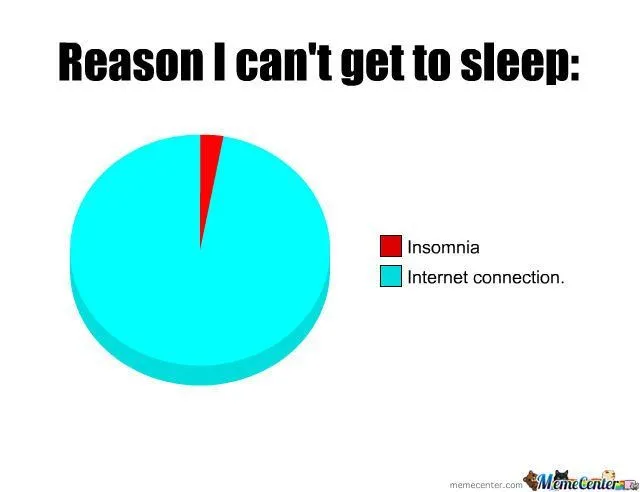
Cortisol, a stress hormone, is released in your adrenal gland to combat these invisible midnight threats. Cortisol is a hormone that is responsible for waking you up. So now, your body, instead of producing the hormone melatonin, which basically puts you to sleep, it ends up releasing cortisol. Congratulations… you’ve officially confused your body clock.
Melatonin
Cognitive stimulation is only half of the story. The other culprit is the bright, blue-tinged light that these screens emit, which your body reads as a cue to stay awake rather than wind down.
‘To produce white light, these electronic devices must emit light at short wavelengths, which makes them potential sources that suppress or delay the onset of melatonin release in the evening, thus reducing sleep duration and disrupting sleep. This is particularly worrisome in young adult and adolescent populations, who already tend to be night owls,’ according to Brittany Wood, a research specialist at the Lighting Research Center at Rensselaer Polytechnic Institute.
Basically, your body has now, after millions of years of evolution, adapted to understand that the warm red light of sunset means that the body needs to sleep, while the bright blue light of the morning is a sign to wake the body up. It’s as simple as that, but it’s really difficult to fix in today’s information age!
‘Our study shows that a two-hour exposure to light from self-luminous electronic displays can suppress melatonin by about 22 percent,’ said Mariana Figueiro, associate professor at Rensselaer and director of the LRC’s Light and Health Program.
That said, more recent research suggests the picture is messier than “blue light bad.” How much melatonin drops depends heavily on how bright the screen is and how long you stare at it, and a wave of 2024 studies found that simply switching on a phone’s warm “night mode” does little for sleep on its own. In other words, the light matters, but so does what you are doing with it, which loops us right back to that restless, wired-up brain.
How Does It Matter?
So yes, watching screens before going to bed disrupts your sleep, but you already knew that, didn’t you? You have already felt the effects of tossing and turning right after you switch off that smartphone, but in this day and age, it seems unavoidable. Most of our work seems to be related in one way or another to a computer screen, and we just can’t get enough of it. So our sleep is ruined… so what? Why does it matter?

Well, it really does matter. Disrupting your circadian rhythm (your internal sleep cycle) raises the risk of diabetes and obesity, and over many years it has been tied to more serious diseases. The World Health Organization’s cancer agency classifies the long-term circadian disruption of night-shift work as “probably carcinogenic to humans,” based mainly on links to breast cancer. There is a nightly housekeeping angle too: while you sleep, the brain’s glymphatic system flushes out the metabolic waste that builds up during the day. Skimp on sleep and that cleanup stalls, leaving you groggy and fuzzy, with a dented memory and attention span. Not to mention, your metabolism takes a hit.
How To Fix This Problem
You have probably heard the standard advice: switch on the blue-light filter. These night-mode apps shift your screen redder and warmer once it gets dark, instead of the usual cool blue glow. As a night owl myself, I leave mine on all evening. The catch is that, on their own, they help less than the marketing suggests. A run of recent studies found that flipping on night mode made little measurable difference to sleep, partly because the apps do not dim the screen, and partly because they do nothing about the gripping content keeping your brain switched on.
So what actually works? Two things beat any filter. First, turn the brightness right down, because a dim screen suppresses far less melatonin than a bright one regardless of color. Second, put the device away earlier; sleep experts suggest stopping screen use 30 to 60 minutes before bed so your mind has time to wind down.
Of course, the best fix of all is to turn off the phone and pick up a book. If you prefer a screen, an e-ink reader like a Kindle is the gentler option: instead of a backlit panel firing light at your eyes, it uses a reflective display with a dim front light, so on low settings it emits a fraction of the blue light a phone does. (Despite the old myth, it is not zero, so keep that brightness low.) In other words, read a book, fellas, whether a physical one or a digital one. Your favorite celebrity’s feed will still be waiting for you tomorrow!
References (click to expand)
- Light From Self-Luminous Tablet Computers Can Affect Evening Melatonin, Delaying Sleep. Rensselaer Polytechnic Institute
- E-Readers Foil a Good Night’s Sleep. Harvard Medical School
- Blue Light Has a Dark Side. Harvard Health Publishing
- IARC Monographs Volume 124: Night Shift Work. International Agency for Research on Cancer (WHO)
- Why Is Sleep So Important? Your Brain Depends On It. University of Rochester
- Do Blue Light Filter Applications Improve Sleep Outcomes? Electromagnetic Biology and Medicine