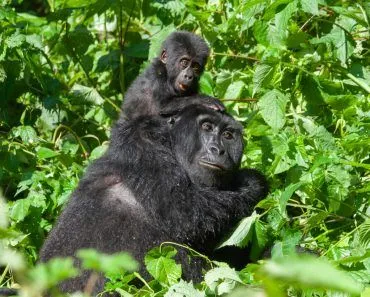
Yes. More than 130 mammals, including kangaroos, seals, mice, anteaters, bears and deer, can pause a pregnancy through embryonic diapause: the embryo stops developing and waits. Kangaroos can hold a tiny embryo for months, and the tammar wallaby can pause for up to 11 months until conditions favor a newborn.
We don’t think about starting a family unless we’re ready, and that’s much the same with animals.
Animals do their own cost-benefit analysis, factoring in the number of offspring they’ve already borne, as well as the availability of sufficient food, nutrients and resources. However, if an animal were to become pregnant in unfavorable conditions, which is often the case in the animal world, can it simply put its pregnancy on hold?
What a layman would call “paused pregnancy” is known as “embryonic diapause” in scientific jargon.
What Is Diapause?
Like most exceptional discoveries, the phenomenon of diapause was also found by accident. Way back in the 1850s, a few European hunters realized that the roe deer they so dearly prized had been pregnant for longer than its normal gestation period.
To understand how diapause works, imagine the embryo as a seed. To grow further, a seed would first need to anchor itself well in the soil and then germinate. Similarly, an embryo can only grow to become an adult individual after it attaches to the uterine wall of its mother, from which it will derive its food and nourishment. In animals that can exhibit diapause, the embryo will remain suspended and won’t attach to the uterus. It remains this way unless it gets a little push to attach, usually from a variety of regulating substances. The “pause” isn’t always a perfect freeze, though. Recent work on roe deer shows the embryo doesn’t fully stop, but instead ticks along at an extraordinarily slow pace, dividing perhaps once every few weeks instead of once a day until it’s time to resume in earnest.
Which Animals Can Pause Their Pregnancies?
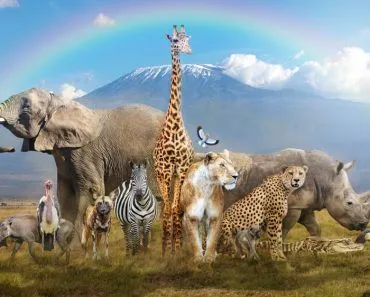
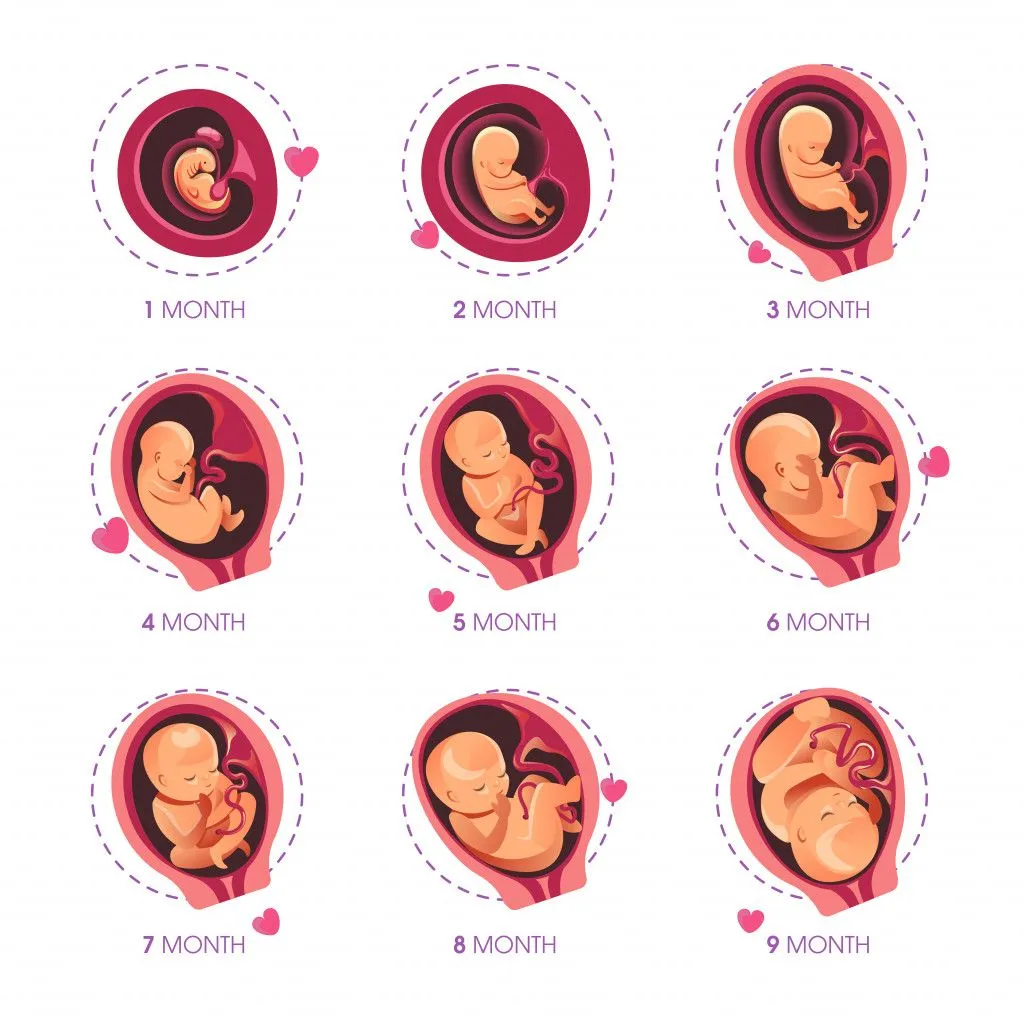
There are more than 130 mammalian species, including seals, rats, mice, anteaters and deer, that can pause their pregnancies. When they’re able to do it depends on many factors, especially those that are triggered when the needs (energy and nutrient resources) of a newborn can be met. Moreover, each of these triggers is species-specific.
The Route To Pausing Pregnancy
In order to put their pregnancy on hold, animals may choose one of two strategies.
In order to avoid a situation where their newborn dies, leaving the parents with no offspring, animals might opt to mate immediately after they give birth. In this scenario, the newborn begins to suckle its mother’s milk, which in turn triggers the new embryos to halt their growth. Once the young animal is old enough to fend for itself, the embryos are triggered to start growing again, and the pregnancy can resume. This suppression of ovarian activity as a result of lactation can be seen in animals like pigs and cats.
In option two, the animals may choose to mate multiple times, but pause the development of their embryos until the climatic conditions are safe for their offspring. It ensures that the young are born into an environment in which they can thrive.
If the parent’s body senses a deprivation of any of these needs, it will signal the embryo to suspend its development. Depending on the species, the embryo can attach to the uterus and begin its journey towards becoming a full-fledged young animal.
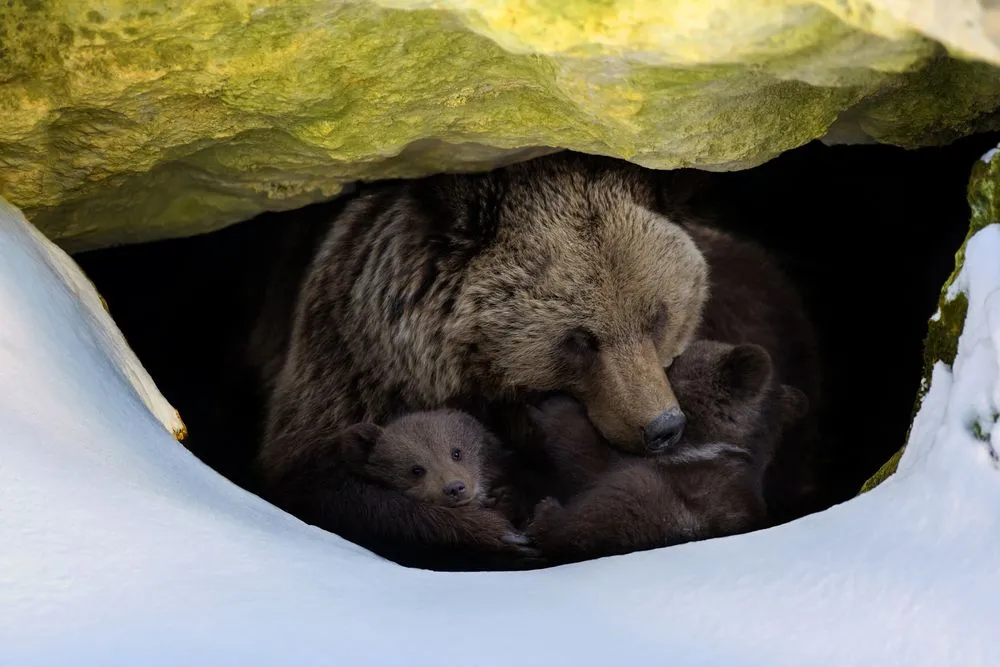
In the case of bears, the duration of pregnancy is dictated by the season and their behavioral adaptations to it. Bears will mate during the spring, after which they need to prepare themselves for a long period of winter hibernation. The females will stock their bodies with calories in order to build up enough fat reserves to get them through the winter. Once their body weight reaches a required threshold, their embryo(s) can begin to attach and grow.
Bear cubs will have to wait until late winter to see the light of the world.
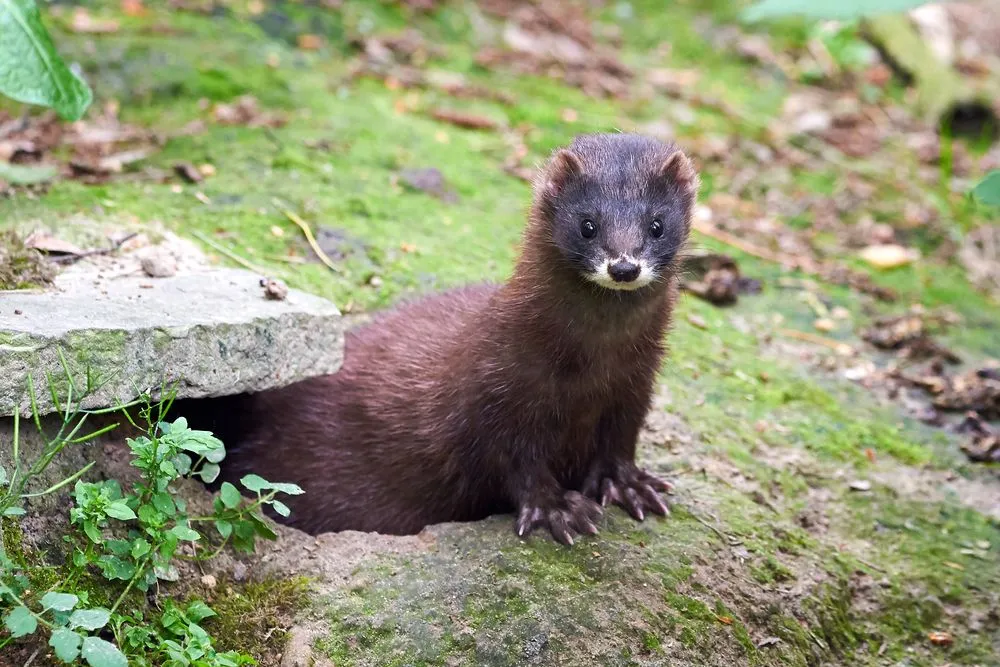
Minks follow similar seasonal cues. They breed in early spring, but hold their embryos in diapause for a few weeks, with the embryos only attaching and finishing their development once lengthening days signal that spring has truly arrived. This lets the gestation period stretch its timeline, so the kits are born into the mild weather of late spring rather than the lingering cold of a temperate winter.
The Birthing Cycle Of Kangaroos
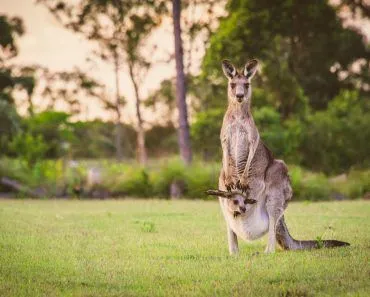
In kangaroos, things work a little differently. Immediately after the embryo is formed, it fuses with the mother’s uterine wall. However, unlike in other mammals, it does not take any nutrition from its mother, but starts to eat up its own yolk to survive. This also happens in the case of birds. Having consumed enough of the yolk to develop, the young joey (baby kangaroo) is born after a short period of only about a month! The baby is pink and barely resembles a developed kangaroo. In fact, its size is comparable to a bean. The two small front limbs help it crawl up its mother’s pouch, where it starts to suckle.
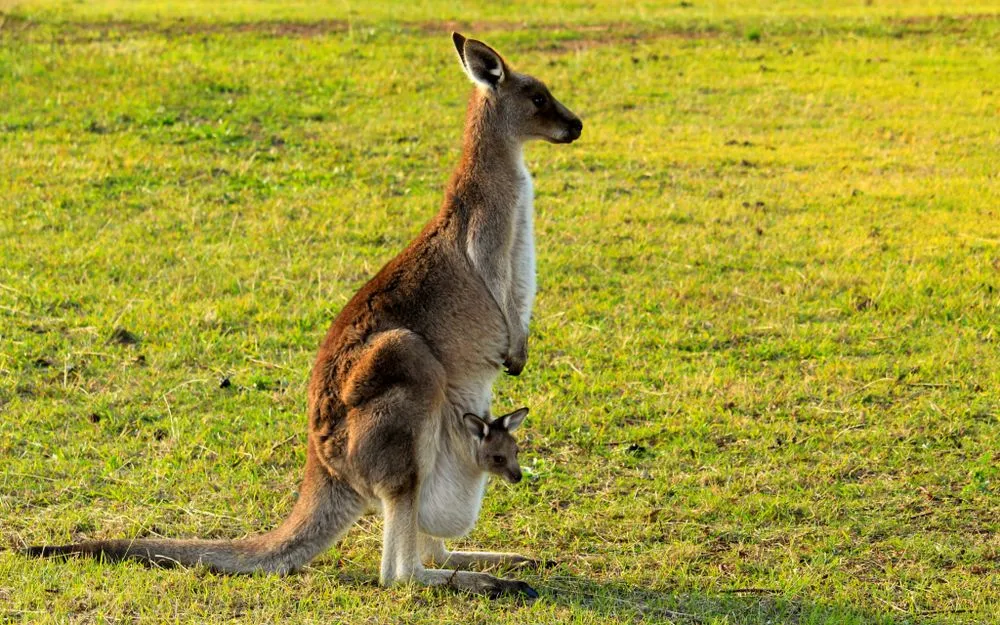
During that time, the mother kangaroo will mate again. Only this time, she won’t give birth in a mere 28 days. Her body will hold the 100-cell embryo until the current occupant of her pouch is old enough to jump out of it. Once the pouch is free of tenants, the second embryo will start developing again.
In the kangaroo family, there is a species called the tammar wallaby, which tops the charts when it comes to pausing pregnancy: 11 long months. These wallabies adjust their gestation period to ensure that their young are born in the spring, and not during the hot Australian summer months.
How Long Can Animals Pause A Pregnancy?
There is no single answer, because every species keeps its own clock. The pause can last anywhere from a few days to the better part of a year. The reigning champion is the tammar wallaby, which can hold an embryo in diapause for up to 11 months, the longest developmental arrest known in any mammal. Once that pause finally ends, the actual gestation is remarkably brief, lasting only about 25 to 28 days.

Red kangaroos run on a similar rhythm. A red kangaroo is pregnant for just 33 days, yet a spare embryo of only 70 to 100 cells (a blastocyst) can sit quietly in the uterus for many months while an older joey is still nursing in the pouch. The moment that joey leaves the pouch and stops draining the milk supply, the waiting embryo switches back on and finishes developing within about a day. In effect, the pause lasts roughly as long as the pouch stays occupied.
The roe deer stretches the timeline differently. After the summer rut, which runs from mid-July to mid-August, its embryo enters diapause and puts off implanting for around 4 to 5 months, only anchoring into the uterine wall from December onward so that the fawn arrives in spring. And as we saw earlier, that “pause” is not a true freeze: the roe deer blastocyst keeps dividing, just extraordinarily slowly, doubling only about once every 21 days instead of every few days.
Do Insects And Other Animals Pause Too?
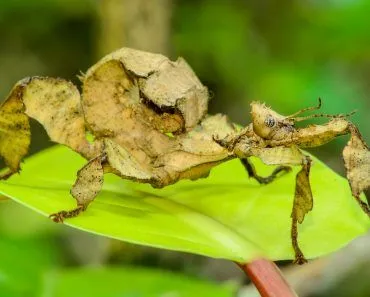
Pausing an embryo is not a mammal invention at all. The word “diapause” was actually born in the insect world: the American entomologist William Morton Wheeler coined it in 1893 to describe the resting state of grasshopper and locust eggs over winter, borrowing the Greek diapausis, meaning “pause”. Insects do not get pregnant the way mammals do, but plenty of them halt an embryo inside the egg and wait out the cold or a dry spell before hatching.

The classic example is the domestic silkworm, Bombyx mori. Its eggs enter diapause thanks to a signal sent before they are even laid: a neuropeptide called diapause hormone, released by the mother, tells the eggs to arrest partway through development. The embryo then sits paused inside the egg and only picks up again months later, once winter has passed. So when someone asks whether a roach or some other insect can put its pregnancy on hold, the honest answer is that insects do much the same thing at the egg stage, freezing the embryo until the timing is right.
The trick even turns up in fish. Some annual killifish live in seasonal pools that dry out completely, and their embryos can drop into one or more diapause stages inside tough, drought-resistant eggs buried in the mud, resuming only when the rains return and refill the pool. Across the animal kingdom, then, a “paused pregnancy” is really just one version of a much older survival strategy: stop the clock, and wait for a better day.
Conclusion
Some Polish scientists have managed to pause pregnancies in non-diapause species, like sheep, by extracting their embryos and placing them in diapausing species, such as mice. This could indicate the possibility of pausing pregnancies in all mammals. This could equip them to hold off pregnancy until they can experience favorable environmental conditions that will optimize the health of their young.
It’s also interesting to note that the very first stem cells (cells that give rise to all sorts of cells in the body) were isolated from the embryo of a diapaused mouse. Stem cells are known to tolerate a variety of stressors during the period of diapause. Moreover, the power of stem cells to specialize into different types of cells, and then revert back to their embryonic-like state, can be manipulated and exploited to conserve and protect animal species. However, stem cells have only been extensively studied in rodents and humans, so their potential is not well understood in other wildlife species. Studying the interplay of stem cells and their correlation to diapause could open up a whole new arena for medicine and cancer research in many animals.
References (click to expand)
- biology & population ecology - Kangaroos at risk. kangaroosatrisk.net
- Sergei Amstislavsky. Reproductive Biology and Embryo Technology in Mustelidae. Kuopio University Publications
- Friebe, A., Evans, A. L., Arnemo, J. M., Blanc, S., Brunberg, S., Fleissner, G., … Zedrosser, A. (2014, July 2). Factors Affecting Date of Implantation, Parturition, and Den Entry Estimated from Activity and Body Temperature in Free-Ranging Brown Bears. (C. S. Rosenfeld, Ed.), PLoS ONE. Public Library of Science (PLoS).
- Some animals pause their own pregnancies, but how they do .... The University of Melbourne
- Ptak, G. E., Tacconi, E., Czernik, M., Toschi, P., Modlinski, J. A., & Loi, P. (2012, March 12). Embryonic Diapause Is Conserved across Mammals. (W. Dean, Ed.), PLoS ONE. Public Library of Science (PLoS).
- Chirichella, R., Pokorny, B., Bottero, E., Flajšman, K., Mattioli, L., & Apollonio, M. (2018, December 27). Factors affecting implantation failure in roe deer. The Journal of Wildlife Management. Wiley.
- []. (n.d.). []. []. Public Library of Science (PLoS).
- (1981) Embryonic diapause in marsupials - PubMed. The United States National Library of Medicine
- Merchant, J. C., & Calaby, J. H. (1981, June). Reproductive biology of the Red‐necked wallaby ( Macropus rufogriseus banksianus ) and Bennett's wallaby ( M. r. rufogriseus ) in captivity. Journal of Zoology. Wiley.
- Marsupials | CK-12 Foundation. The CK-12 Foundation
- Red Kangaroo Fact Sheet: Reproduction. San Diego Zoo Wildlife Alliance Library
- Developmental progression continues during embryonic diapause in the roe deer. PMC / U.S. National Library of Medicine
- Macropus eugenii (Tammar wallaby). Animal Diversity Web, University of Michigan
- Uterine morphology during diapause and early pregnancy in the tammar wallaby. PMC / U.S. National Library of Medicine
- Early Molecular Events during Onset of Diapause in Silkworm Eggs. PMC / U.S. National Library of Medicine
- Pausing Insect Activity. Asimov Press
- Cell cycle dynamics during diapause entry and exit in an annual killifish. PMC / U.S. National Library of Medicine