Table of Contents (click to expand)
Yes, some animals all but cheat aging. Lobsters and naked mole rats show almost no signs of growing old, turtles age very slowly, and the immortal jellyfish can even reverse its life cycle. They rely on cellular tricks like ever-active telomerase, highly accurate protein-building and slow metabolism. Lifespans range from mayflies living a day or two to a glass sponge that reached about 11,000 years.
Why are some animals blessed with longer lives than their close relatives? Even though we share about 98.8% of our DNA with chimpanzees, we live roughly twice as long as our closest primate relatives. A naked mole rat lives for more than 30 years, but a house rat can barely survive past the age of 3.
It all comes down to a few genetic and metabolic tricks. From the judicious use of energy to maintain bodily functions, to infinite DNA repair, there are quite a few animals with anti-aging superpowers.
Some wild bats exceed their expected lifespans, lobsters only grow stronger with each passing year, and the slow metabolism of turtles favors their long lives. The prolonged lifespans of tiny animals like naked mole rats, as well as humongous creatures like elephants and whales, are unlocked thanks to certain special cellular functions.
Why Do Animals Get Old And Wrinkly?
Aging is pretty complex, considering that there are well over 300 theories out there trying to decipher it. Moreover, age being multifactorial and particularly distinct to each species does not make it any easier. However, if it were to be put simply, aging, also known as biological senescence, is the continuous degradation of an organism’s body. The body tends to collect this molecular damage over time, making it more likely to meet its end.
Sagging skin, graying hair, and creaking bones are all signs of aging. These signs indicate that our proteins and other biomolecules are no longer “good as new”, which puts us at increased risk of diseases. However, there are some animals that don’t have to fret about these things, at least not for the greater part of their impressively long lives.
How Do Some Animals Manage To Live As Long As They Do?
Lobsters And Telomerase
Lobsters barely seem to age. They show what biologists call negligible senescence, meaning they don’t weaken or lose fertility over time the way we do, and their limbs even grow back if severed. They aren’t truly immortal, though. They still die from disease, predators and, eventually, the rising energy cost of molting their ever-larger shells, but old age itself doesn’t catch up with them in the usual way.
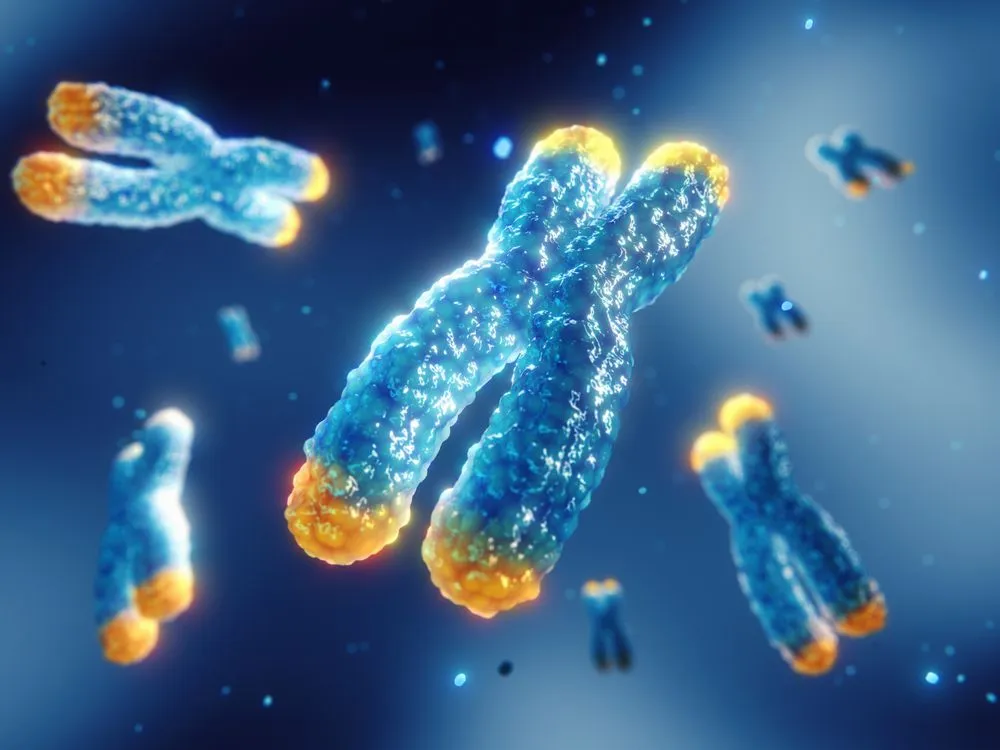
The trick is that American lobsters keep the enzyme telomerase switched on in most of their tissues throughout life. This enzyme rebuilds telomeres, the protective caps on the ends of chromosomes that normally shorten with every cell division until the cell stops dividing.
Turtles And Energy Consumption
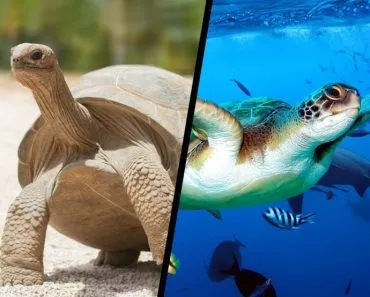
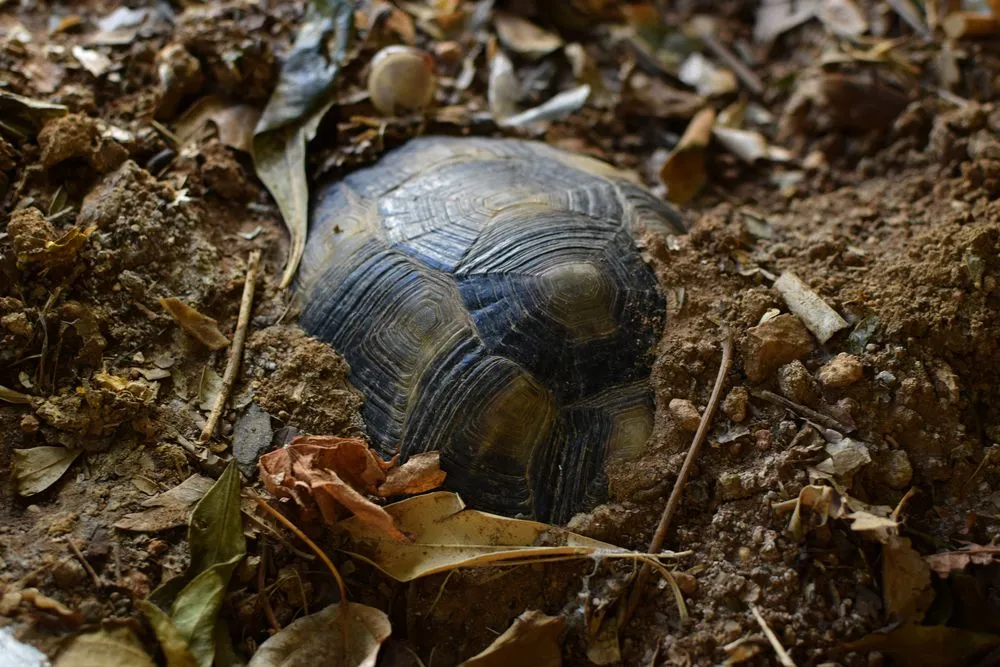
Turtles manage to live for so long by not being very energetic. They manage to sustain using very little energy from food and using that energy very slowly. They also conserve energy when they hibernate. Additionally, as cold-blooded animals, they hardly have to break into the energy bank when it comes to keeping themselves warm.
Naked Mole Rats And Cellular Repair
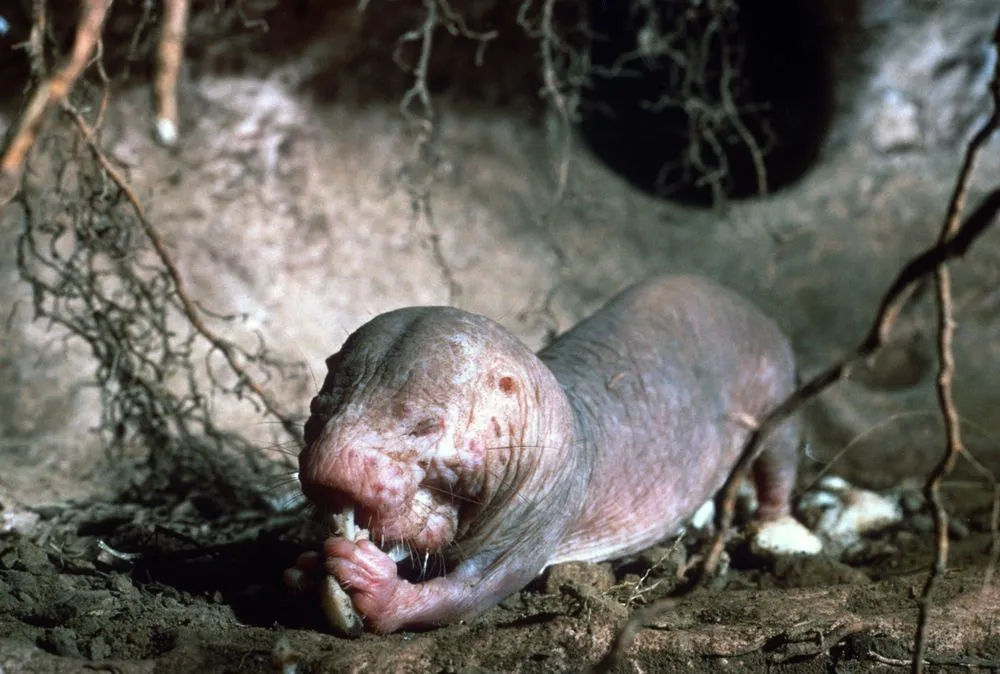
Talking about genetic tricks for aging, naked mole rats pull some of the best ones out of the bag. Their ribosomes, the structures that help to assemble proteins in cells, are exceptionally accurate. The proteins they build are up to 40 times less likely to contain mistakes than those made by a mouse of similar size. These rats have also lucked out with plenty of chaperones in their cells, which help in the proper folding of proteins. These processes enable their bodies to make fewer mistakes that could lead to senescence.
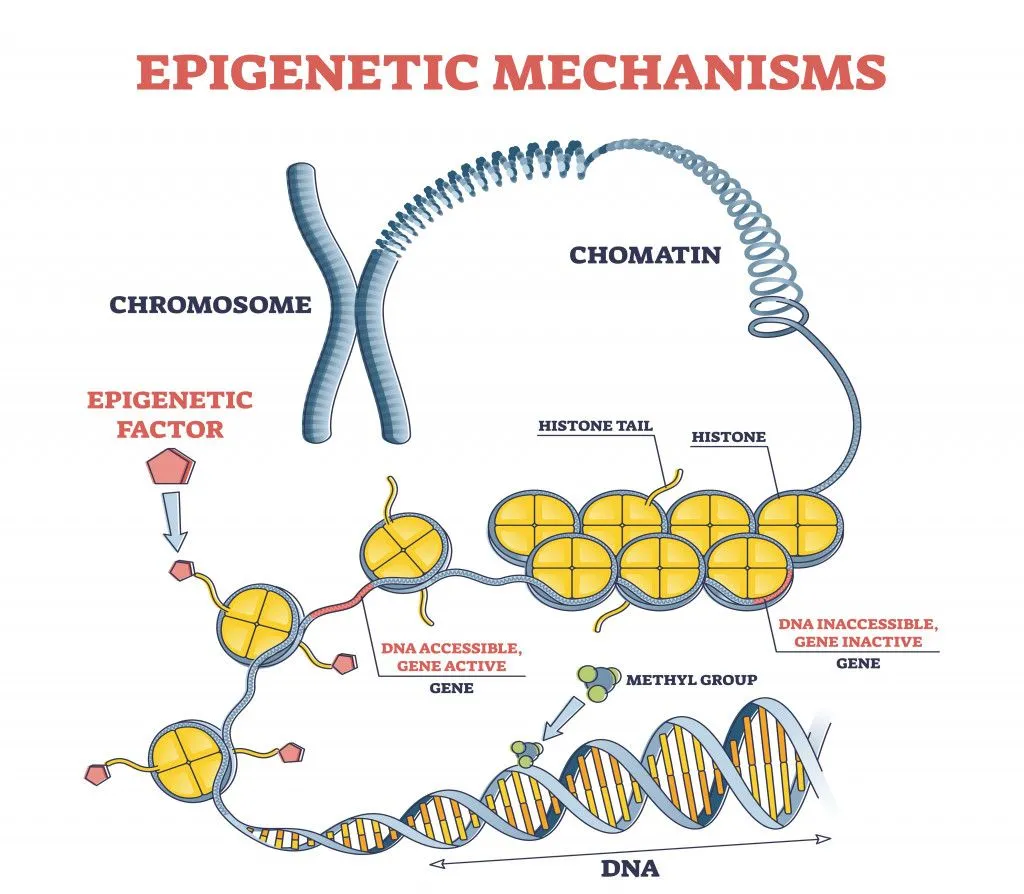
Large species, like whales and elephants, reap the benefits of well-conditioned cellular machinery, as their DNA tends to be better maintained and is less prone to errors. The reason for their long lives might be their youthful chemical tags, called methyl groups, which help to turn their genes on and off. This process activates the genes that were intended to be turned on, thereby accurately controlling gene activity.
In smaller organisms, these tags start to become more inaccurate and random as the individual ages, rendering their gene activity imprecise. However, the tags in large organisms take their own sweet time in degrading, so they perform their functions correctly for a long time.
Large animals, by virtue of being large, also don’t get preyed upon often, making them less susceptible to death by predation.
Animals That Defy Death
Forget anti-aging, some animals don’t bother with dying at all.
Turritopsis Dohrnii – The Immortal Jellyfish
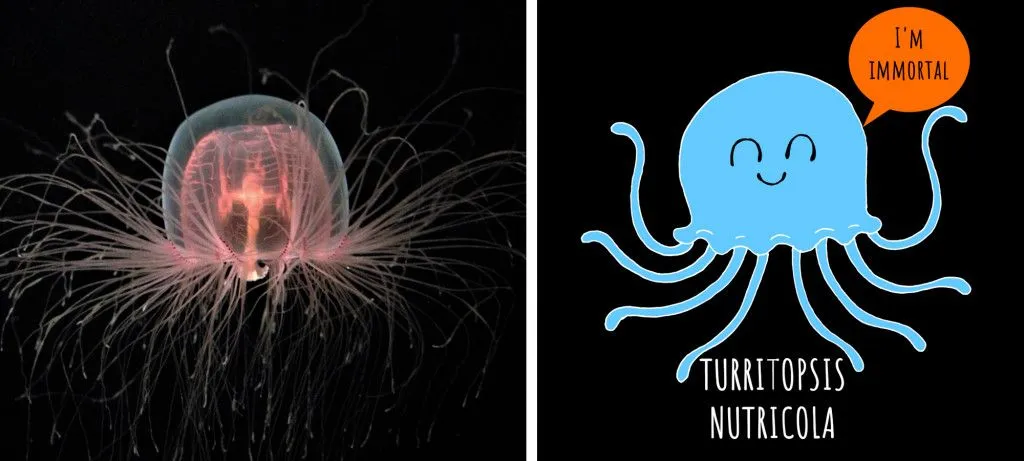
One such eternal wonder lives in the sea. The Turritopsis dohrnii is better known as the immortal jellyfish, and can literally reverse its aging process when it feels under the weather or has been injured. It does this by turning itself back into its polyp, or younger self, spending up to three days working on this transformation.
Deinococcus Radiodurans
Coming back to life after you’re dead and gone? Sounds bizarre… but it’s child’s play for Deinococcus radiodurans, a poly-extremophilic bacterium. It may not be an animal, but it deserves a mention. It has a DNA repair response so good that it resists even 3,000 times the amount of gamma radiation that could kill a human. There’s a very good reason that these organisms hold the Guinness World Record for the world’s toughest bacterium.
Tardigrade
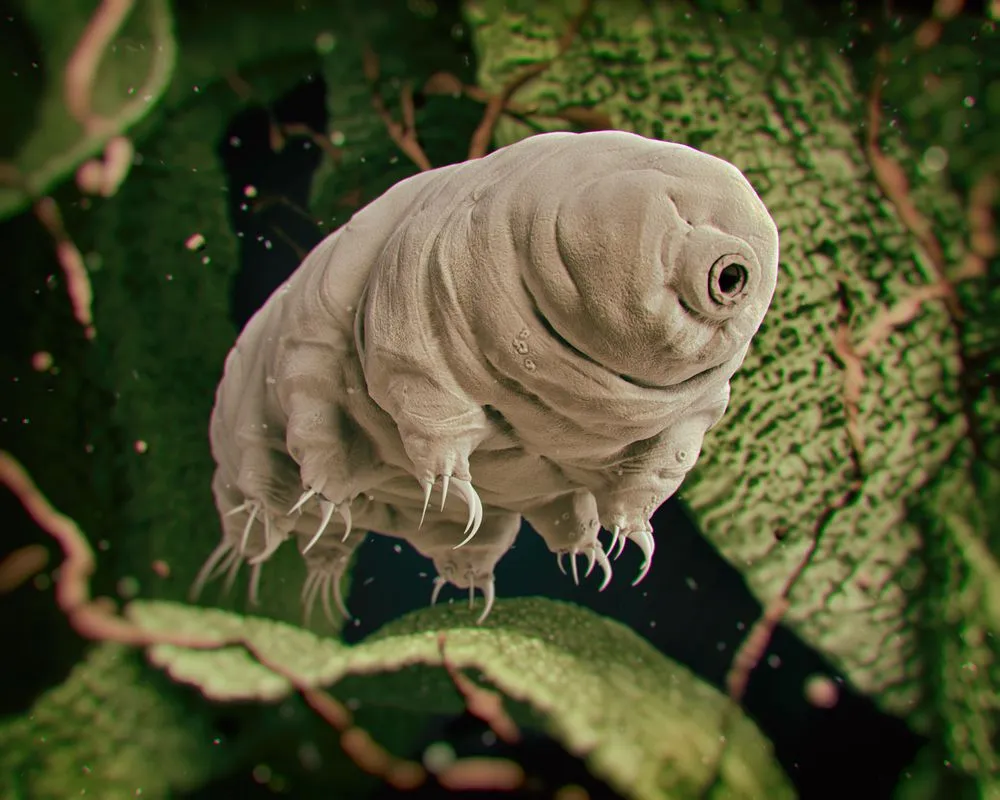
Are there any animals that can do this too? You bet! Specifically, an 8-legged micro-animal, known as a tardigrade, ‘water bear’ or ‘moss piglet’, is an invertebrate that shrugs off almost anything thrown at it. When conditions turn deadly, it can dry out and bring its metabolism to a near-complete halt, a suspended state called cryptobiosis. The clock effectively pauses (it doesn’t live forever, but it can wait out years of drought, freezing, and even the vacuum of space) and then spring back to life when water returns.
Deep-Sea Glass Sponges
A deep-sea glass sponge, Monorhaphis chuni (yes, sponges are animals too!), holds the candle for the oldest individual animal we know of. One specimen was estimated to have lived for roughly 11,000 years, a lifespan no other solitary animal comes close to. The reason it lasts so long is that it stays put in a cold, dark, stable patch of the deep ocean and lets life come to it. Its food, in the form of slowly flowing water, brings oxygen and nutrients along with it. In that frigid, unchanging environment its metabolism crawls along, so it ages at a glacial pace and its long glassy skeleton just keeps growing.
Closing Thoughts
Clearly, animals have a whole bunch of anti-aging tricks up their sleeves, but can we determine how long they’ve been doing so?
If you go scouting in a jungle and stumble upon a new species, scientists can predict the duration of time that these species will live for. They use a “lifespan clock” that allows them to estimate how long a vertebrate species can live by looking at where the aforementioned methyl tags can attach. The method reads the density of these sites across just 42 carefully chosen genes and predicts maximum lifespan with surprising accuracy, even for animals no one has ever timed in the wild.
References (click to expand)
- Sweeney, B. W., & Vannote, R. L. (1982, July). Population Synchrony In Mayflies: A Predator Satiation Hypothesis. Evolution. Wiley.
- Buffenstein, R. (2005, November 1). The Naked Mole-Rat: A New Long-Living Model for Human Aging Research. The Journals of Gerontology Series A: Biological Sciences and Medical Sciences. Oxford University Press (OUP).
- Brunet-Rossinni, A. K., & Austad, S. N. (2004, August). Ageing Studies on Bats: A Review. Biogerontology. Springer Science and Business Media LLC.
- Azpurua, J., et al. (2013). Naked mole-rat has increased translational fidelity compared with the mouse, as well as a unique 28S ribosomal RNA cleavage. Proceedings of the National Academy of Sciences (PNAS).
- The epigenetics of aging: What the body's hands of time tell us. The National Institute on Aging
- Mayne, B., Berry, O., Davies, C., Farley, J., & Jarman, S. (2019). A genomic predictor of lifespan in vertebrates. Scientific Reports.
- The "immortal" jellyfish that resets when damaged. American Museum of Natural History
- Makarova, K. S., Aravind, L., Wolf, Y. I., Tatusov, R. L., Minton, K. W., Koonin, E. V., & Daly, M. J. (2001, March). Genome of the Extremely Radiation-Resistant Bacterium Deinococcus radiodurans Viewed from the Perspective of Comparative Genomics. Microbiology and Molecular Biology Reviews. American Society for Microbiology.
- Sloan, D., Alves Batista, R., & Loeb, A. (2017, July 14). The Resilience of Life to Astrophysical Events. Scientific Reports. Springer Science and Business Media LLC.
- Jochum, K. P., Wang, X., Vennemann, T. W., Sinha, B., & Müller, W. E. G. (2012, March). Siliceous deep-sea sponge Monorhaphis chuni: A potential paleoclimate archive in ancient animals. Chemical Geology. Elsevier BV.
- Klapper, W., Kühne, K., Singh, K. K., Heidorn, K., Parwaresch, R., & Krupp, G. (1998, November 13). Longevity of lobsters is linked to ubiquitous telomerase expression. FEBS Letters. Wiley.
- (1987) Why Do Turtles Live So Long? J. Whitfield Gibbons .... seaturtle.org