Table of Contents (click to expand)
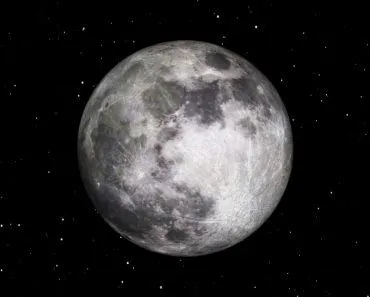
The moon affects animal behavior mainly through moonlight. As the only natural source of nighttime light in the wild, it changes how animals hunt and move, when they breed, and how they signal to each other. Bright full-moon nights favor visual hunters and visual displays; dark new-moon nights favor stealthy mating and predator avoidance.
As children, we often imagined that the moon had a face that followed us around. However, that face is actually just a constellation of craters, and we learned that the moon doesn’t follow anyone.
That said, we do follow the moon.
In the presence of artificial light, the phases of the moon have no discernible effect on the movements and mating behavior of animals, but as the only source of light in the wild, the moon’s light can change how animals move and hunt, when they reproduce, and how they communicate with each other.
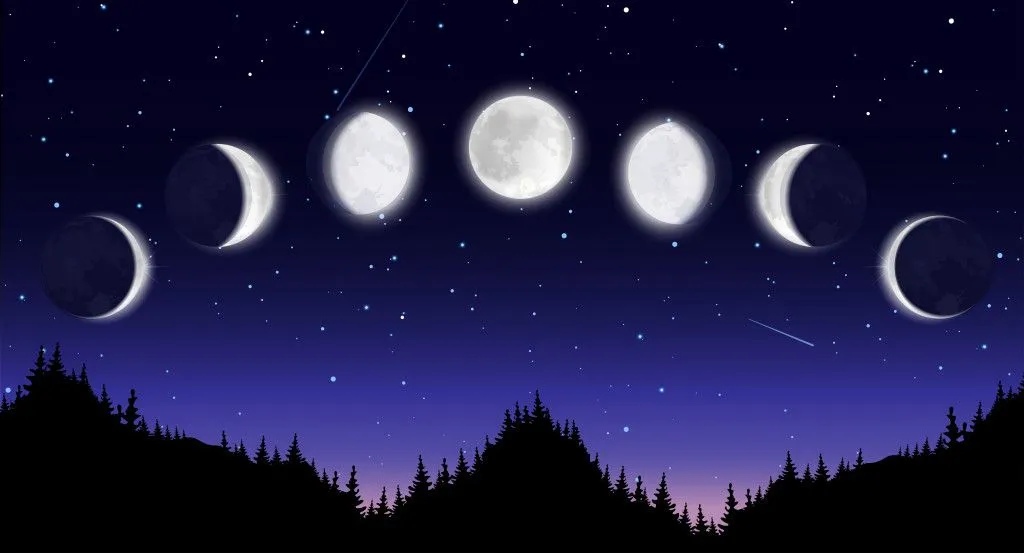
The Moon And Hunting Behavior
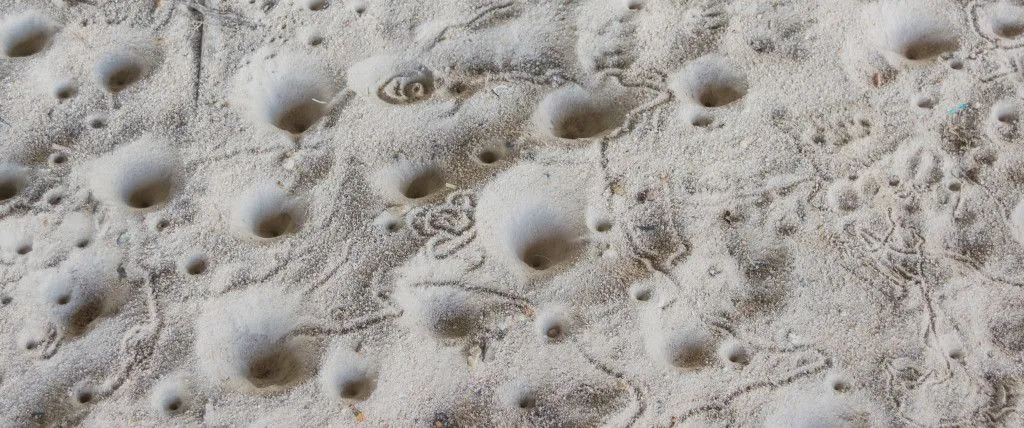
Let’s start with small creatures first, such as the larvae of antlions. Antlions are a group of insects whose larvae are predators that dig funnel-shaped pits in loose sand and ambush ants and other small insects that tumble in. Antlions show a clear monthly lunar rhythm. Their pits are rebuilt every night, but as the full moon approaches the pits get noticeably larger, then shrink again around the new moon. Scientists think the bright conditions of a full moon give antlions a higher probability of catching prey, since more insect prey are active in moonlight too.
Brighter nights, for those animals that rely on their vision, may aid prey in detecting approaching predators. A camera-trapping study in northern Argentina found that species that rely heavily on vision, such as tapeti rabbits and red brocket deer, were more active on brighter nights, both to forage and to spot potential predators. Other species, including the grey four-eyed opossum and the nine-banded armadillo, showed no clear shift in activity across the lunar cycle.
The Moon And Mating Behavior
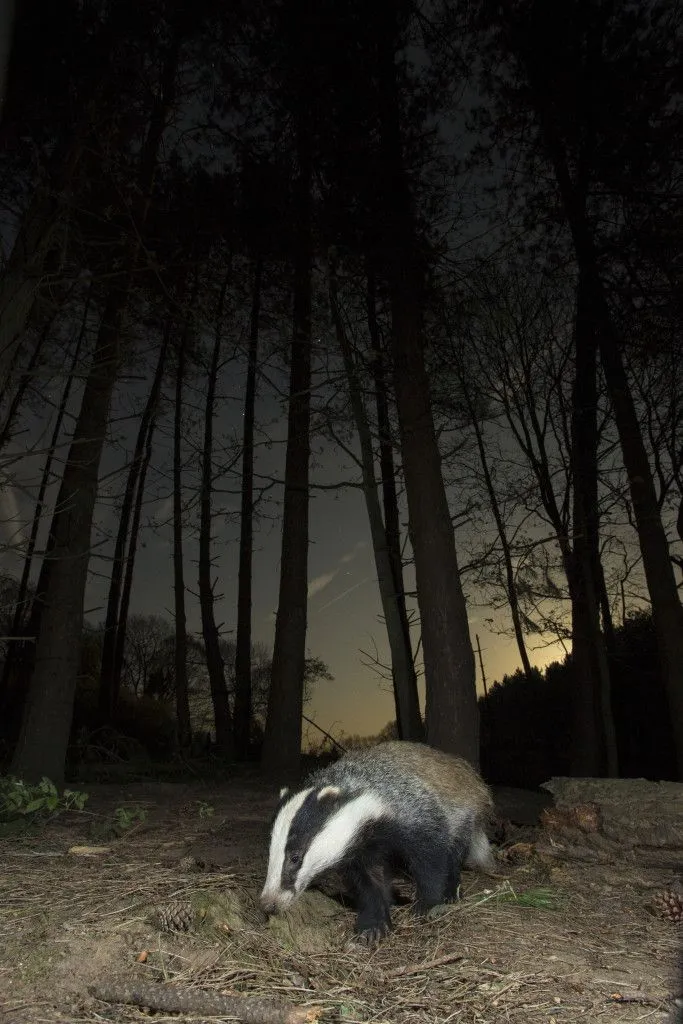
For European badgers (Meles meles), the lunar cycle (not the daily 24-hour clock) appears to shape when they breed. Long-term video surveillance of wild badgers in southern England showed that scent-marking and raised-leg urination, behaviors that ramp up when reproductive activity is high, peaked around the new moon, with most matings clustered in the dark half of the lunar cycle. The darkness of a new moon may shield them from predators and provide a safer window for their lengthy mating rituals (which can last 60 to 90 minutes).
Certain owls, such as the Eurasian eagle-owl, become more vocal as the moon brightens. Each call flashes a patch of white throat feathers that is only visible during the display, so a brighter moon makes the visual signal easier for other owls to see. The birds also tend to climb to higher perches and call more often when moonlight is strong.
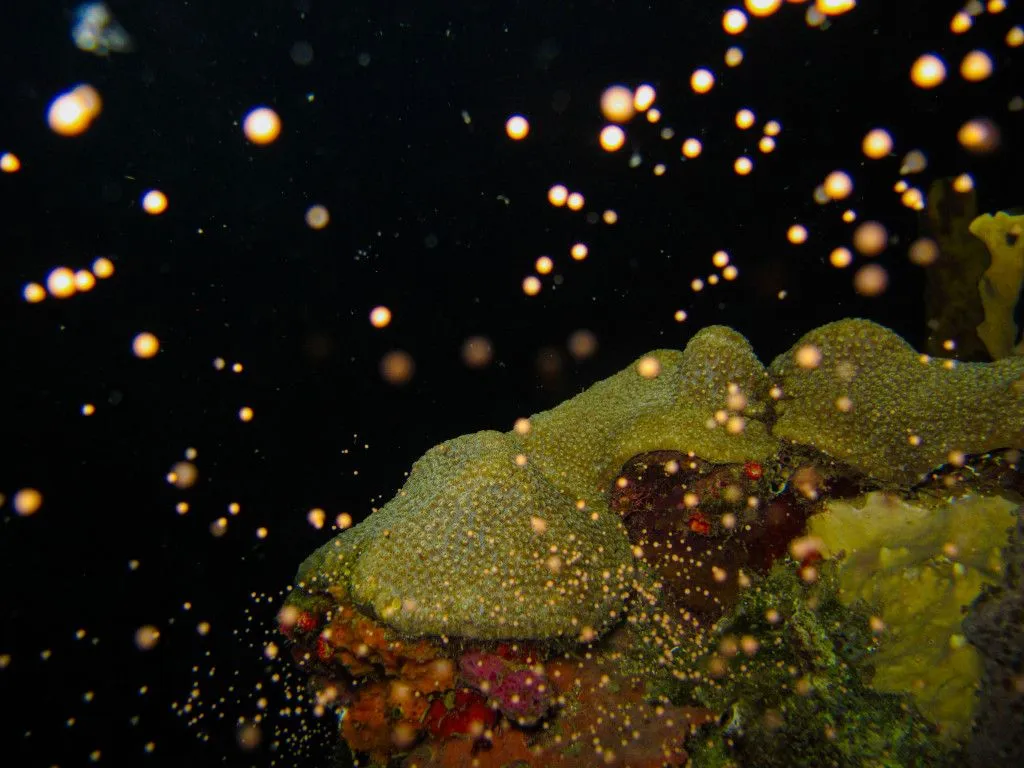
The Great Barrier Reef’s mass coral spawning is the most spectacular moon-cued event in nature. The reef sits in the Coral Sea off the northeastern coast of Australia and is home to more than 400 species of stony coral. Each year, on a handful of nights following a full moon between October and December (inshore reefs typically spawn in October, outer reefs in November or December), once sea-surface temperatures climb past about 27 °C (81 °F), hundreds of Acropora and other coral species release their eggs and sperm into the water at almost the same hour, turning the reef into an underwater snowstorm.
The Moon And Migration
The lunar cycle even sets the pace of long-distance migration. GPS-tagged European nightjars, a nocturnal insect-hunter that flies between Europe and central Africa, more than doubled their foraging activity on moonlit nights and then migrated together in pulses, with whole groups taking off about 10 days after each full moon. The moon, in effect, acts as a shared starting signal. Light pollution in the modern era is now blurring that signal and disrupting the natural rhythm of life beneath the moon.
Conclusion
The moon nudges animal behavior mainly through moonlight, and for marine species through the tides it raises. (Its direct gravitational pull on individual animals is far too tiny to matter; a piece of fruit held over your head exerts a stronger local tidal force than the moon does.) So why shouldn’t the moon also nudge humans?
Scientists have looked into possible links between the lunar cycle and human behavior in a long list of contexts, including conception, birth, emergency-room visits, cardiac events, psychiatric episodes, sports injuries, aggression, crime, and even the rise and fall of the stock market. None of those links has held up under careful analysis. A few well-controlled studies do suggest that people sleep a little less, and less deeply, on nights around the full moon, but the effect is small and the broader claims have not been replicated.
One reason may be that our modern flood of artificial light has all but erased the difference between full and new moons in places where most of us live. Perhaps there was a time before that, when the moon really did shape human life on Earth more directly, but for now those days are in the past.
References (click to expand)
- Scharf, I., & Ovadia, O. Factors influencing site abandonment and site selection in pit-building antlion larvae. Journal of Insect Behavior.
- Bhatt, U., Singh Adhikari, B., Habib, B., & Lyngdoh, S. (2021, February 15). Temporal interactions and moon illumination effect on mammals in a tropical semievergreen forest of Manas National Park, Assam, India. Biotropica. Wiley.
- Penteriani, V., Delgado, M. del M., Campioni, L., & Lourenço, R. (2010, January 20). Moonlight Makes Owls More Chatty. (D. M. Evans, Ed.), PLoS ONE. Public Library of Science (PLoS).
- Foster, R. G., & Roenneberg, T. (2008, September). Human Responses to the Geophysical Daily, Annual and Lunar Cycles. Current Biology. Elsevier BV.
- Norevik, G., Åkesson, S., Andersson, A., Bäckman, J., & Hedenström, A. (2019, October 15). The lunar cycle drives migration of a nocturnal bird. (L. Chittka, Ed.), PLOS Biology. Public Library of Science (PLoS).
- Harrison, P. L., Babcock, R. C., Bull, G. D., Oliver, J. K., Wallace, C. C., & Willis, B. L. (1984, March 16). Mass Spawning in Tropical Reef Corals. Science. American Association for the Advancement of Science (AAAS).
- Huck, M., Juárez, C. P., & Fernández-Duque, E. (2017, January). Relationship between moonlight and nightly activity patterns of the ocelot (Leopardus pardalis) and some of its prey species in Formosa, Northern Argentina. Mammalian Biology. Springer Science and Business Media LLC.
- Dixon, D. R., Dixon, L. R. J., Bishop, J. D., & Pettifor, R. A. (2006, September 27). Lunar-related reproductive behaviour in the badger (Meles meles). acta ethologica. Springer Science and Business Media LLC.
- Antlion. Encyclopaedia Britannica.
- Cajochen, C., et al. (2013). Evidence that the lunar cycle influences human sleep. Current Biology, 23(15), 1485–1488.