Table of Contents (click to expand)
A baby bird breathes inside its egg without ever taking a breath. As the freshly laid egg cools, an air cell (or air sac) forms at the blunt end and holds a starter pocket of oxygen. After that, thousands of tiny pores in the eggshell let fresh oxygen diffuse in and carbon dioxide out, sustaining the embryo until it hatches.
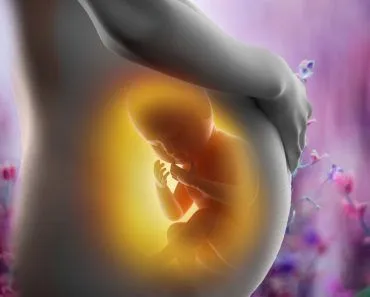
Just like humans, animal babies that grow inside their mothers receive everything they need to develop within the safe confines of the womb through an umbilical cord that collects some of the oxygen that the mother breathes, along with other forms of nourishment.
However, when it comes to animals (like chickens) that grow inside an egg, the process obviously can’t be as straightforward, right? Since an egg is completely devoid of any visible holes or openings, it is entirely shut out from the outside world, so how does the little one nestled inside get the all-important oxygen it needs to perform vital biochemical functions?
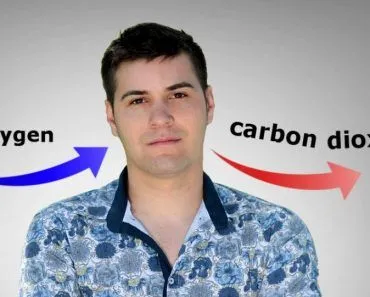
Also, when oxygen is used up to produce energy, it produces carbon dioxide as a byproduct. Now, it’s a well-known fact that too much carbon dioxide in a sealed space can be dangerous, even to the point of being fatal to the inhabitant. The question is, how is this carbon dioxide removed from within the egg?
Exchange Of Gases Through The ‘Air Sac’
An egg is a fantastic example of nature’s expertise in taking care of its many creatures. The constitution of an egg is such that it not only protects the chick inside, but also takes care of its basic biological needs until it’s big enough to hatch. It works like this: there are two thin membranes lining the inside of the eggshell. When an egg is first laid by the mother, it is warmer than the surrounding air.
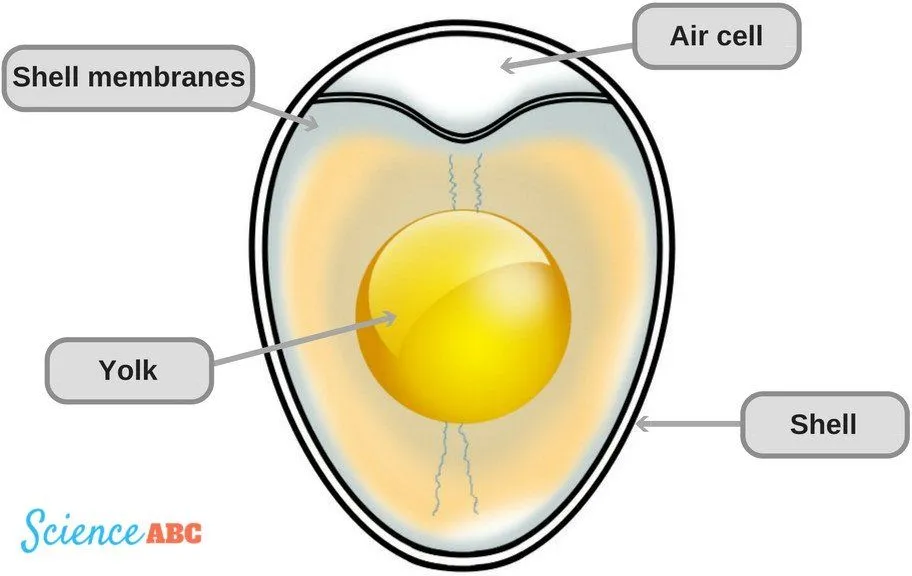
Naturally, it gradually begins to cool, causing the material inside the egg to shrink slightly, withdrawing from the walls a bit. This in turn causes the two membranes (which were originally stuck together) to separate as well, creating a small pocket of air, or ‘air sac’, with a starter supply of oxygen.
Eggshells Contain Pores That Help Exchange Of Gases
Of course, the air sac can hold only so much oxygen before it runs out, which means it needs to be refilled. Also, the carbon dioxide released by the chick as a byproduct must also be removed from the egg. How does that work?
Precisely! The exchange of these gases with their surroundings is carried out through diffusion. You see, eggshells contain very tiny pores (tons of them) on their surface. Consider this: an average hen’s egg has roughly 7,000 to 10,000 of these microscopic pores, with more of them clustered at the blunt end (right where the air cell sits) to help with diffusion.
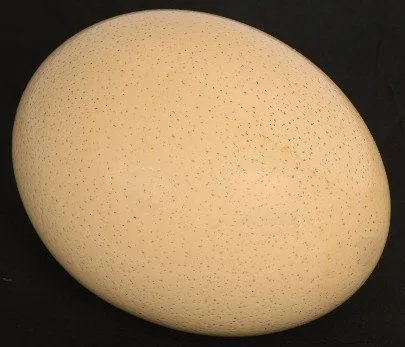
During the chick’s development, oxygen from the air sac is used up and carbon dioxide takes its place. However, with the help of diffusion through thousands of pores in the eggshell, carbon dioxide escapes the egg and fresh oxygen from the surroundings is supplied to the little one inside. The same pores also come in pretty handy for water exchange.
This is how a chick manages to survive inside an egg. There are many other avian species whose young ones grow inside eggs, and except for a few differences based upon the species (e.g., ostrich eggs are relatively large, so the rate of exchange is less efficient), every egg follows the same processes to sustain its contents until the egg hatches.
Where Is The Air Cell (Air Pocket) In An Egg, And What Does It Tell You?
If you have ever wondered where that little pocket of air actually sits, the answer is simple: the air cell forms at the blunt (wide) end of the egg, tucked between the two shell membranes that line the inside of the shell. When the egg is freshly laid it has almost no air space at all. The egg leaves the hen at body temperature (around 41 °C, or 106 °F) and then cools to room temperature. As it cools, the watery contents shrink more than the rigid shell does, and the inner and outer membranes peel apart at the wide end to leave a small dome of air.

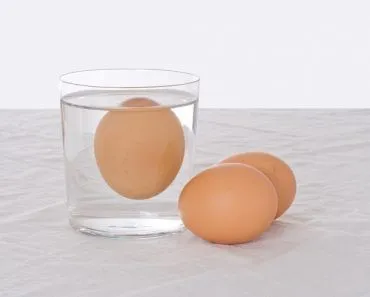
That pocket is not fixed in size. An eggshell slowly loses water vapor through its pores, so the air cell grows as the egg ages, which makes it a handy freshness gauge. Egg graders shine a light through the shell (a process called candling) and measure the depth of the air cell: under United States Department of Agriculture standards, a top-quality Grade AA egg has an air cell no deeper than about 3 mm (1/8 inch), while a Grade A egg may run a little deeper. This is also the science behind the kitchen float test: a very fresh egg has a tiny air cell and sinks and lies flat, whereas an older egg has built up enough trapped air to tip upright or even float. For the developing chick, the blunt end is exactly where it needs to be, because that is where it will eventually break through to take its first breath.
How The Embryo Actually Breathes: From The Membrane To Its First Breath
Oxygen seeping through the pores is only half the story. That oxygen still has to reach the chick's bloodstream, and the embryo does not use its lungs to manage this for most of its development. Instead it relies on a remarkable temporary organ called the chorioallantoic membrane (CAM). The CAM begins forming around days 5 and 6 of incubation and gradually spreads until it lines the entire inside of the shell by about days 11 and 12, pressed right up against the inner shell membrane.

The CAM is packed with tiny blood vessels, which is what makes it the embryo's true breathing organ. Oxygen that has diffused through the shell pores passes across the shell membranes into the blood flowing through the CAM, and carbon dioxide travels the other way to be vented out through the same pores. In that sense the CAM does for a chick what the placenta and umbilical cord do for a mammal in the womb, handling gas exchange without a single breath of air being drawn.
The switch to real breathing happens only at the very end. Roughly a day before it hatches, the chick turns its head toward the blunt end and pushes its beak through the inner membrane into the air cell, a step called the internal pip. There, for the first time, it fills its lungs and starts breathing air, even while still sealed inside the shell. Over the next several hours it relies on both the fading CAM and its new lung power, then drives its egg tooth through the shell (the external pip) and works its way out. The starter pocket of oxygen in the air cell is what carries it through that final, exhausting transition from membrane to lungs.
A Few Interesting Facts About Eggs:
- The yolk color of an egg depends on the diet of the hen: the more it consumes orange and yellow plant pigments, the more vibrant the color of the egg will be.
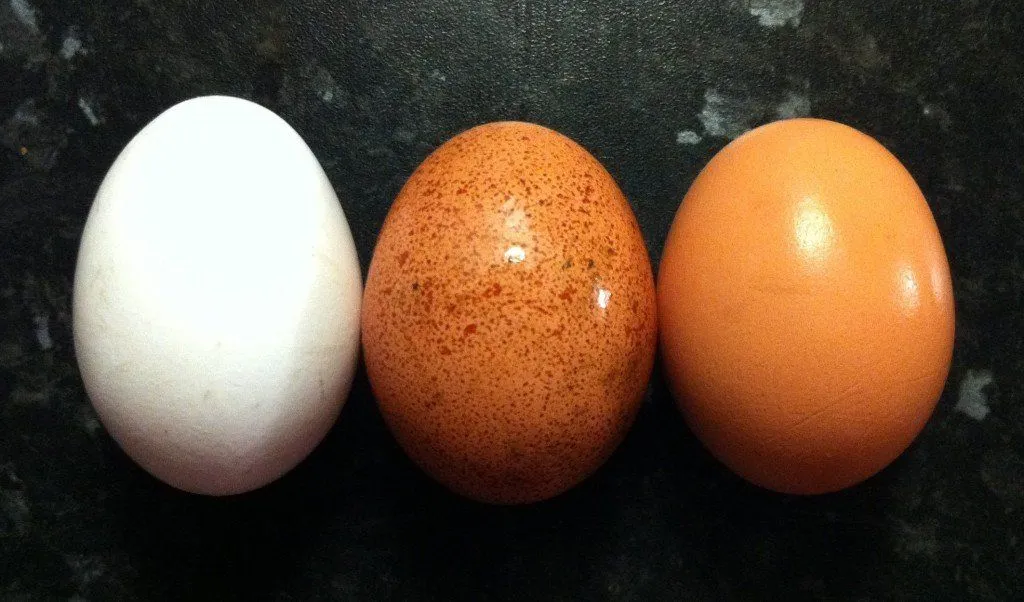
- The rate at which eggs age depends on the temperature conditions surrounding them: an egg ages more in one day at room temperature than it ages in one week inside a refrigerator!
- The size of an egg is an indicator of the age of the hen that laid it: young hens lay small eggs, but the egg size will increase as the hen ages.
References (click to expand)
- Rahn, H., Ar, A., & Paganelli, C. V. (1979). How Bird Eggs Breathe. Scientific American.
- RAHN, H. (1981, September). Gas Exchange of Avian Eggs with Special Reference to Turkey Eggs. Poultry Science. Elsevier BV.
- (1987) Pores and gas exchange of avian eggs: a review. - Europe PMC. Europe PubMed Central
- Shell Egg Grades and Standards. Agricultural Marketing Service, U.S. Department of Agriculture (USDA).
- Gabrielli, M. G., & Accili, D. (2010). The Chick Chorioallantoic Membrane: A Model of Molecular, Structural, and Functional Adaptation during Embryonic Development. Journal of Biomedicine and Biotechnology. PMC, NCBI.
- Chiba, Y., et al. (2002). Development of respiratory rhythms in perinatal chick embryos. Comparative Biochemistry and Physiology Part A. PubMed, NCBI.