Table of Contents (click to expand)
Birds have no teeth, so they grind their food inside the gizzard, a muscular stomach lined with a tough proteinaceous layer called koilin and helped along by swallowed grit. Before reaching the gizzard, the food first passes through the crop (for storage) and the proventriculus (the glandular stomach), where stomach acid and pepsin begin chemical digestion.
Isn’t birdwatching an amazing stress-relieving activity? Their ability to leap into flight, soar with the wind and catch their prey not only looks terrific, but incorporates a lot of science! However, there’s something else that is even more unique and intriguing about birds, the activity that all of us perform on a daily basis—eating!
You have probably always wondered how birds break down their food when, instead of teeth, all they have is their little beak!
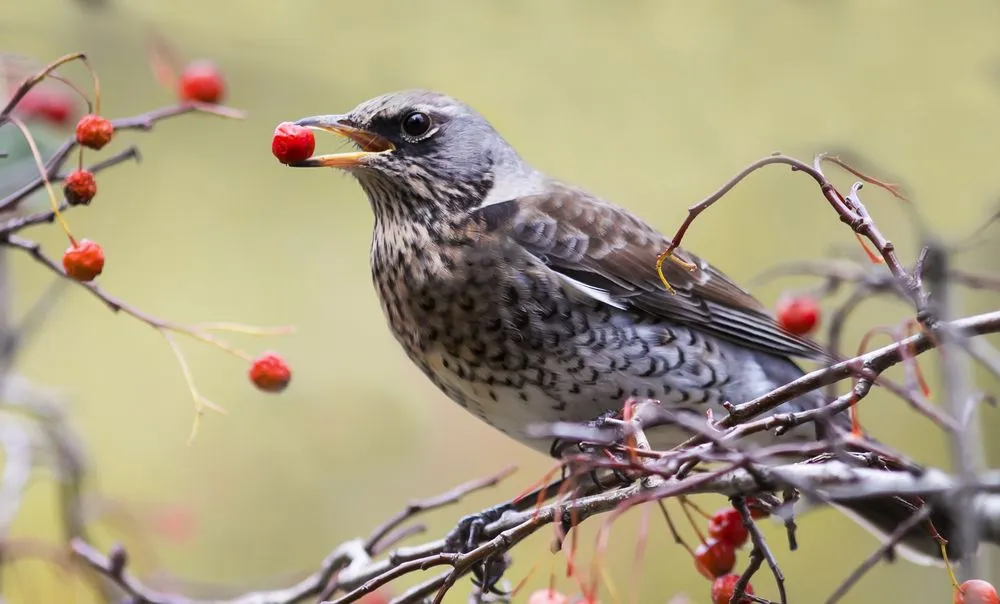
In humans, our teeth do that job for us, and this is also the case for several other animals. The canines are a set of pointed teeth that help in tearing up our food.
However, birds don’t have teeth. Fortunately, thanks to nature’s amazing variability, there is another organ that does the job of breaking down food in birds. This organ is called the gizzard, a part of the stomach in birds that helps in grinding food down into smaller pieces!
Is A Bird’s Digestive System Different Than Ours?
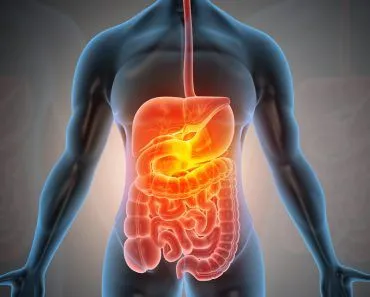
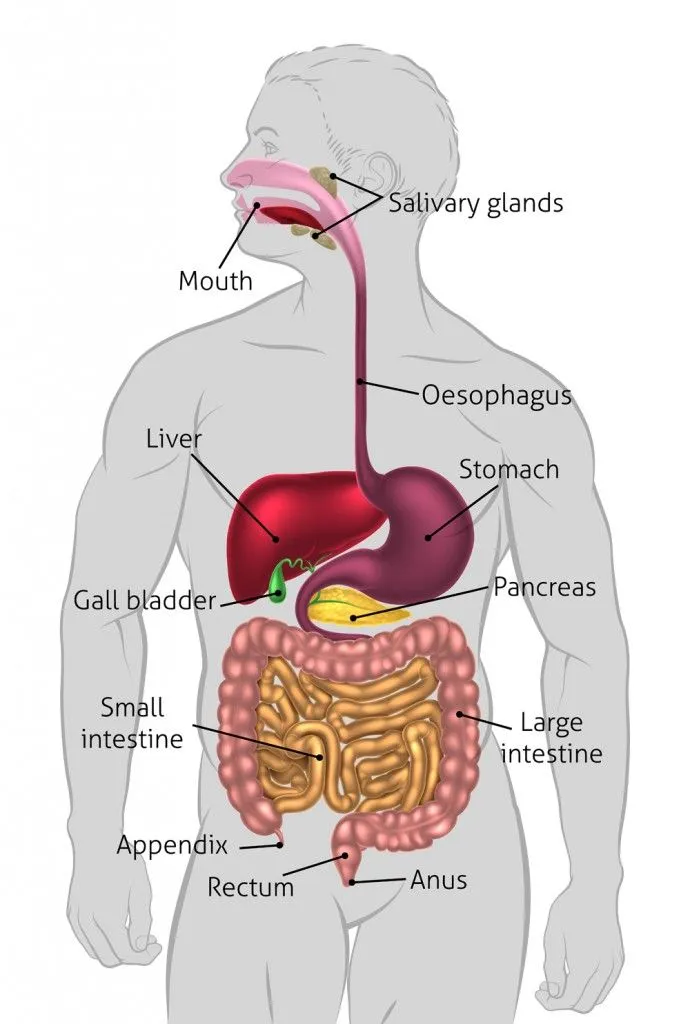
Definitely! The human digestive system has a number of high-functioning glands and organs. It begins with the buccal cavity in the mouth, which continues into a tube called the food pipe. The food pipe undergoes muscular contractions to push food downward into the stomach. The stomach connects to the small intestine, which is where the majority of digestion takes place. Undigested food enters the large intestine and is excreted outside the body through the anus.
Birds, however, do not share the same gastrointestinal anatomy as humans. Due to their lack of teeth and aerial mode of life, the digestive system is completely different.
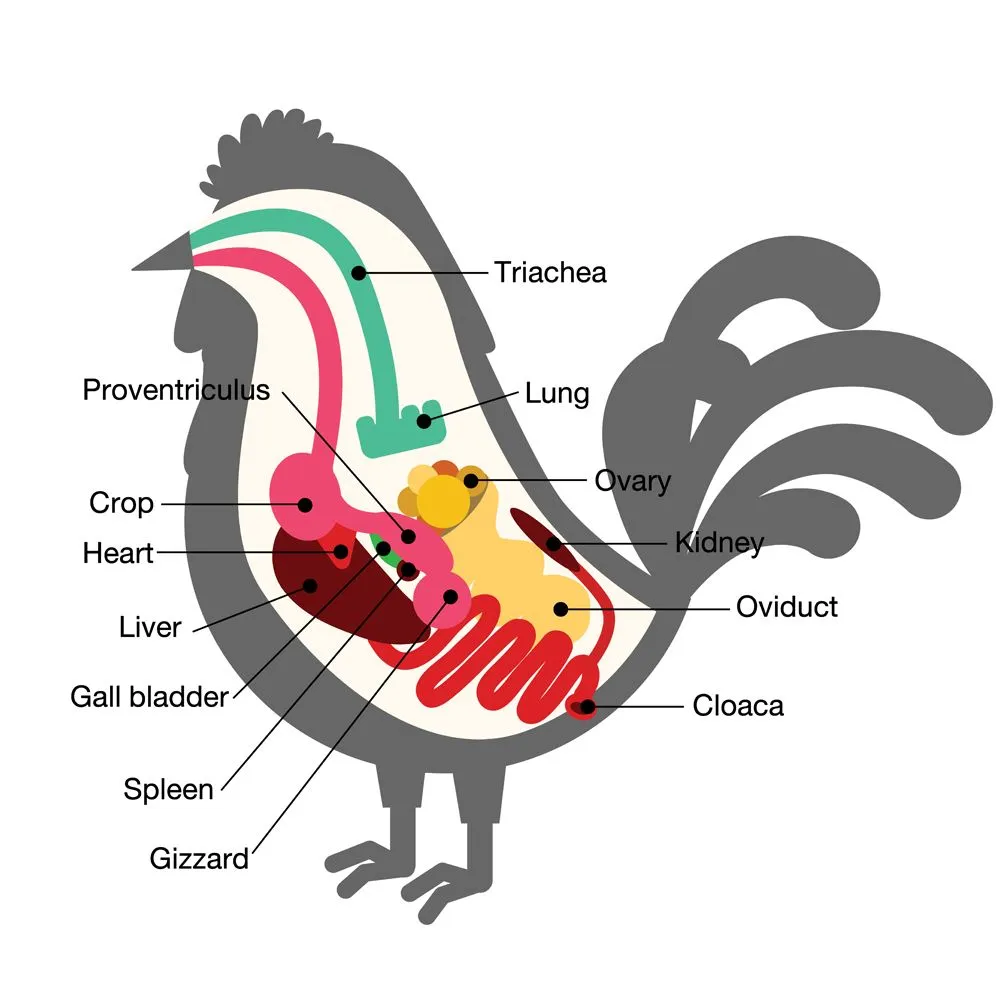
A bird’s digestive system begins with the buccal cavity, which includes a tongue. The tongue manipulates the food and pushes it down the food pipe. The food pipe connects to an organ called a crop, which stores the food that the bird ingests and releases some secretions that help to soften the food.
Below the crop sits the proventriculus (the glandular stomach), and below that the gizzard (the muscular stomach, sometimes called the ventriculus). Even though the gizzard does most of the mechanical breakdown, most of the actual chemical digestion happens elsewhere. After grinding in the gizzard, the food enters the small intestine, where most absorption takes place. Undigested matter then passes through the ceca and large intestine, and is excreted from the body through the cloaca.
How Does The Bird Break Down Its Food?
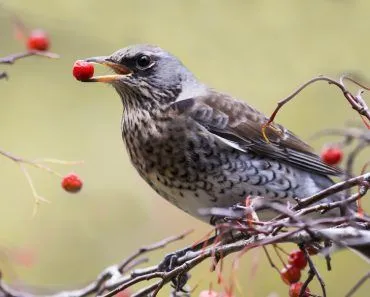
Birds are very particular about the food they consume. They make sure that whatever they eat can be utilized. For instance, pigeons feed on cereals, pulses, seeds, and small insects that can be picked up by their beak. Some glandular secretions, along with the tongue, help in lubricating the food, which is then passed into the food pipe, better known as the oesophagus.
As mentioned above, the oesophagus passes the ingested food into an organ called a crop. Interestingly, the crop doesn’t produce any enzymes for the breakdown of the ingested contents. Aided by the warmth of the body, the mucus and other secretions from the crop soften the food and store it for a short period of time. (As an aside, pigeons, doves and flamingos take this organ further: they produce a nutrient-rich "crop milk" from the crop lining to feed their young.)
The food then passes from the crop into the proventriculus, the bird’s glandular stomach. The proventriculus secretes hydrochloric acid and the enzyme pepsin, which begin protein digestion. From there the food enters the gizzard, where powerful muscular contractions grind the food. The contractions work against a tough proteinaceous lining called koilin (the gizzard cuticle), which is secreted by glands in the gizzard wall and hardened by stomach acid.
Moreover, the small stones swallowed by the bird also help in breaking down the food. The gizzard is more acidic than the crop, which implies that the majority of food breakdown occurs in the gizzard, as opposed to the crop.
How Much Food Do Birds Eat?
A bird’s food requirements are enormous. Their digestion is rapid because of their high metabolic rate. Most birds eat roughly 10 to 25% of their body weight each day, with the exact figure depending on size and diet (small chickadees end up around 35%, big ravens closer to 5%). Tiny, high-metabolism species like hummingbirds are the real champions, taking in nearly their full body weight in nectar over the course of a day to fuel their breast muscles. Pound for pound, a hummingbird’s metabolism runs roughly 77 times that of a human, which gives some sense of the energy bill flying actually adds up to.
Conclusion
There are many significant differences between birds and other animals. One main difference is their aerial mode of living: among vertebrates, only birds and bats achieve true powered flight, and birds do it with a body plan unlike anything else. This demands that their eating and digestive mechanisms be quite different than other organisms. The variety in beak evolution helps birds gather a huge range of foods, from seeds and nectar to insects and fish, while their enhanced vision is also quite different from ours, aiding them in flight, landing, and finding food. Clearly, it is not only their digestive system that sets them apart, but this unique design deserves some attention. After all, that is the beauty of the natural world—the endless variety that we see in every creature around us!
References (click to expand)
- When do birds use their teeth?. West Texas A&M University
- Digestive Anatomy and Physiology of Birds - Vivo.Colostate.edu. Colorado State University
- Bird Adaptations | How Birds Eat - The RSPB. The Royal Society for the Protection of Birds
- Bird Digestion - Eastern Kentucky University
- Avian Digestive System - Poultry Extension
- How Much Do Birds Eat Each Day? - All About Birds (Cornell Lab)