Table of Contents (click to expand)
Detritivores are organisms (mostly invertebrates such as earthworms, millipedes, woodlice, dung beetles, sea cucumbers and sea stars) that ingest particles of dead organic matter (detritus) and break them down through digestion. They sit in a parallel “detrital food chain” alongside the regular grazing food chain, and they recycle the nutrients in dead plants and animals back into the soil and water for plants and microbes to reuse.
Detritivores refers to the class of organisms that feeds on detritus or organic waste. For the uninitiated, detritus is organic matter composed of dead trees, plants and animals. Detritivores may also derive nutrition using coprophagy—a nutrition strategy in which detritivores consume the feces of living organisms.
Detritivores don’t actually sit on the standard top-to-bottom food chain the way apex predators do. Instead, they form part of a parallel detrital food chain. At the base of the regular food chain are producers (typically plants and trees), which make their own food through photosynthesis or chemosynthesis. Above the producers in the food chain/food pyramid are the various consumers: herbivores, carnivores and omnivores. Detritivores branch off from this chain and feed on whatever dies at any of those levels: leaves, dead bodies, faeces, fragments of bark.
In a terrestrial environment, detritivores are typically invertebrates: earthworms, millipedes, centipedes, woodlice, dung beetles, dung flies, termites and certain snails and slugs. (Most butterflies feed on nectar, not detritus, though a handful of species do feed on rotting fruit.) In aquatic environments, detritivores are usually crustaceans, such as amphipods, krill, lobsters and fiddler crabs, or echinoderms including sea cucumbers and sea stars.
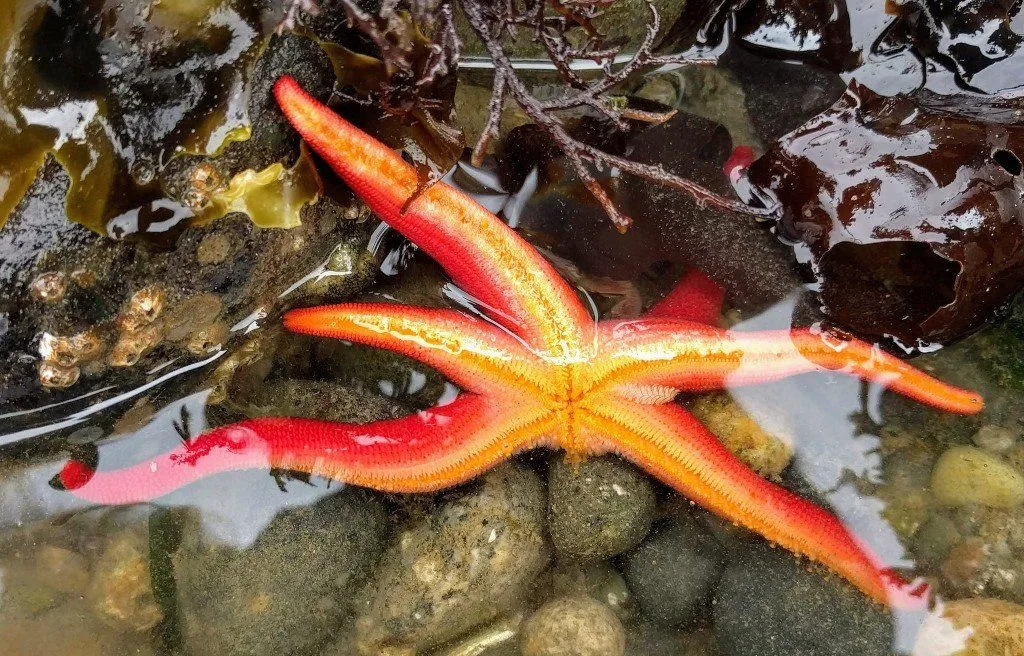
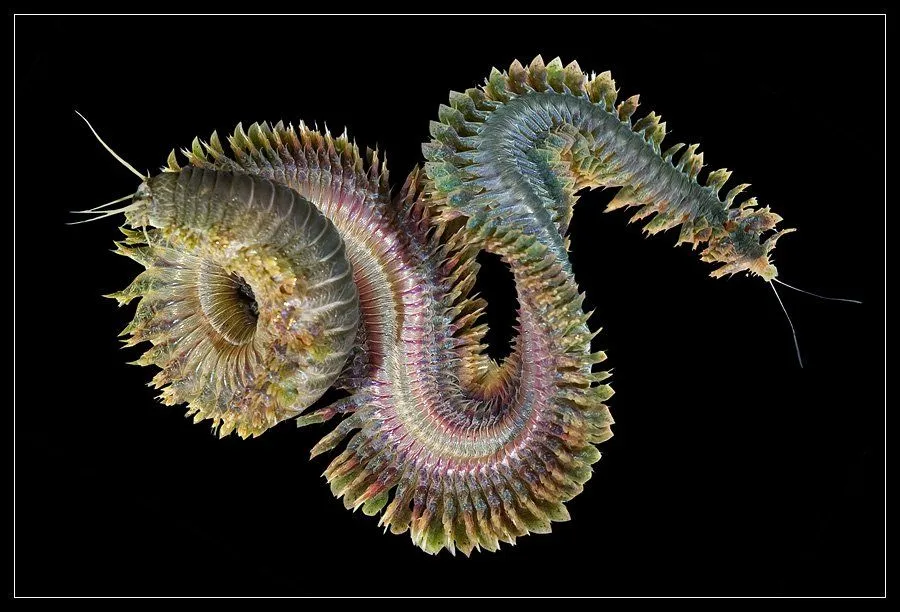
Some marine detritivores survive on the seabed, and these organisms are generally referred to as bottom-feeders. On the other hand, many aquatic detritivores, including barnacles, polychaete worms and corals obtain their nutrition by feeding on floating organic detritus (called marine snow).
What Is Detritus?
Since detritivores are named after their food, it helps to pin down what detritus actually is. In ecology, detritus is dead particulate organic matter: fragments of dead plants and animals, together with the fecal and waste material that living organisms leave behind. It is the loose, decaying debris of an ecosystem rather than anything still alive.

Detritus looks different depending on where you find it. On land, most of it arrives as leaf litter, the fallen leaves, twigs and bark that pile up on the forest floor and slowly mix into the ground as soil organic matter. In oceans and lakes, a large share of it sinks as marine snow, a steady shower of dead plankton, fecal pellets, cast-off skin and scales, and suspended sediment drifting down from the sunlit surface toward the seabed.
Feeding on this material is called detritivory, which is why detritivores are also known as detritus feeders. Humble as it looks, detritus sits at the base of a parallel detrital food web, in which dead matter is broken down by decomposers and detritivores and then passed up to the animals that prey on them. That makes it a major route for recycling the energy and nutrients locked up in things that have already died.
What Do Detritivores Eat?
Detritivores make their living from an ecosystem’s leftovers, so their diet is essentially detritus in all its forms: decaying leaf litter, rotting wood, the fragments of dead animals, and even animal dung. Eating feces has its own name, coprophagy, and for many detritivores it is a routine part of the menu rather than an oddity.
Different detritivores tend to specialize. Earthworms swallow their way through soil and buried leaf litter, woodlice and millipedes work over damp leaf litter and rotting wood, and bottom-feeding sea cucumbers sift edible particles out of seabed sediment. What unites them is how they feed. Unlike decomposers such as fungi and bacteria, which digest dead matter externally and then absorb the products, detritivores swallow discrete particles of detritus and break them down inside their own guts.

There is a subtle twist to what detritivores are really after. Fresh, dry leaves are tough and low in nutrients, so many detritivores prefer litter that has already started to decay and has been colonized by bacteria and fungi. That microbial coating is the protein-rich part of the meal, and studies of leaf litter show that fungal “conditioning” makes leaves softer and more nutritious and measurably speeds up how quickly detritivores eat them. In effect, much of the detritus is a vehicle for delivering the microbes growing on it, which the animal digests and absorbs while passing a good deal of the raw plant fiber straight through.
Detritivores Vs Decomposers Vs Scavengers
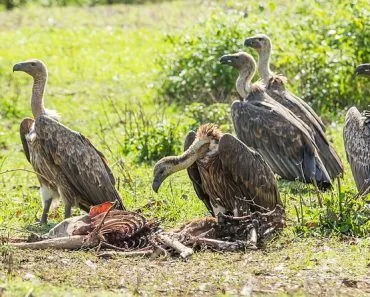
The labels detritivore, decomposer and scavenger are often used interchangeably, but ecologists treat them as three different things. Detritivores physically ingest particles of detritus and digest them internally. Decomposers (bacteria, protists and fungi) instead use saprotrophic feeding, secreting enzymes onto dead matter and absorbing the breakdown products externally without ever swallowing a chunk. Scavengers feed on the carcasses of larger dead animals (carrion). So, for example, earthworms and woodlice are detritivores, mushrooms and most bacteria are decomposers, and vultures, hyenas and crows are scavengers, not detritivores.
Functions Of Detritivores
Detritivores help break down dead plant and animal matter in the ecosystem. Through that work they recycle nutrients and are an indispensable part of every biogeochemical cycle. Because they feed on dead material from producers and consumers, detritivores pull energy and nutrients from across all the trophic levels and funnel them back into the soil and water for new growth. While they specialize in consuming the dead and decaying matter of other organisms, detritivores are often eaten by secondary consumers.
Not only do they help in completing various carbon or nitrogen cycles through the recycling of nutrients, but they also help to remove dead and decaying matter that could otherwise lead to the spreading of disease.
Detritivores living in soil, like earthworms, for instance, aerate the soil, which helps foster the growth of the plant.
Let’s try to understand detritivores more closely by looking at individual examples of two popular detritivores—worms and springtails.
Examples Of Detritivores
Worms
Worms are arguably one of the most important detritivores that reside in the soil. They are present in all layers of the substrate and consume a large amount of organic matter. Worms living on the surface or upper layers of the soil feed on fallen leaves or dead grass. They take in food through their mouths, and then, by muscular action, they suck it into their digestive system. As the food reaches their stomach, technically called the gizzard, digestive enzymes begin to process the food.
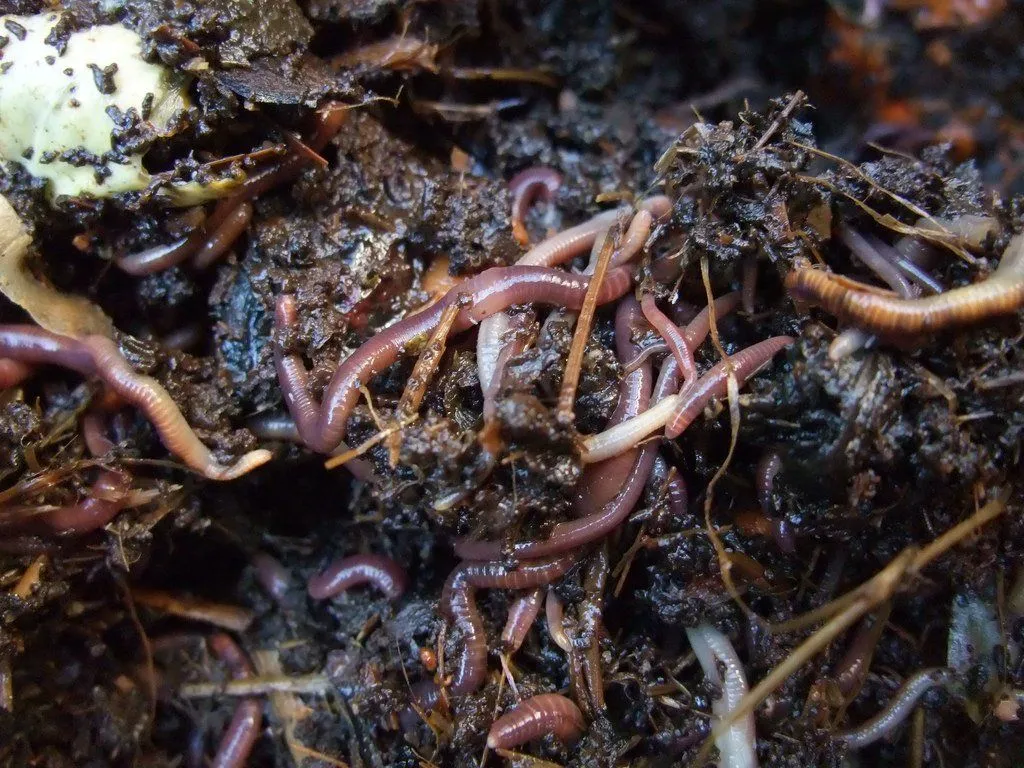
After processing, the cast is passed out from the body of the worm. This cast is simply a more processed version of the consumed food and soil with nutrients that have been broken down enough to be decomposed by microorganisms. The presence of microorganic decomposers in detritus that worms eat help in expediting the decomposition process during digestion. Because of their feeding activity, they are perpetually on the move. This constant movement helps in the aerating and mixing of the soil, which in turn improves water uptake and stimulates the rapid growth of plants.
Springtail
Springtails are wingless arthropods often found living within leaf litter and other places where decaying material is in abundance, such as habitats with grass, moss, dead wood etc. Springtails are generally vegetarian and eat lichen, pollen, fungal mycelium etc. However, some springtail species also feed on decaying animal matter.
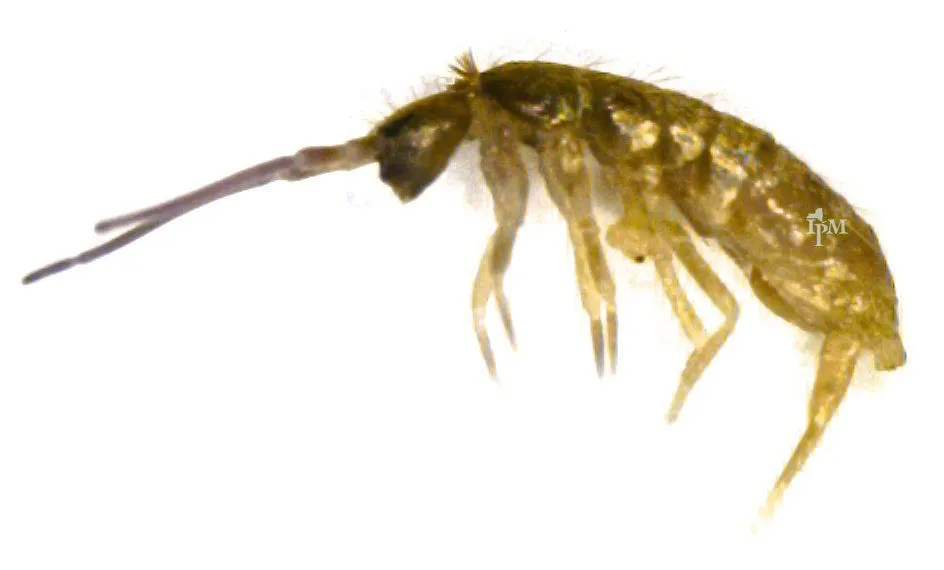
Springtails are adaptable and have a high reproduction rate. They form large colonies and, in fact, a meter of soil can contain thousands of springtails. They can survive in a variety of places—from warm habitats to frozen snow—by altering their diet. There is one caveat, though… they are vulnerable to desiccation, so they prefer an environment with a good amount of moisture.
Given that they consume spores and mycelium, springtails are useful in controlling fungal disease and removing pathogens. In many places, they’re used for testing the toxicology of the soil. Being highly susceptible to pollutants, they serve as a good bioindicator for the soil.
References (click to expand)
- Hoekman, D., Winston, R., & Mitchell, N. (2009, September). Top-down and bottom-up effects of a processing detritivore. Journal of the North American Benthological Society. University of Chicago Press.
- Springtails - VegEdge. vegedge.umn.edu
- R. Pramanik, K. Sarkar & V.C. Joy - Efficiency Of Detritivore Soil Arthropods In Mobilizing Nutrients From Leaf Litter - CiteSeerX
- Detritus - BioGeoChemistry. geo.libretexts.org
- What is marine snow? - NOAA Ocean Exploration. oceanexplorer.noaa.gov
- Introduction to and Components of Food Webs. bio.libretexts.org
- Santonja, M., Pellan, L. & Piscart, C. (2018). Litter quality and microbial conditioning effects on leaf-litter recycling in streams. Ecology and Evolution. pmc.ncbi.nlm.nih.gov