Table of Contents (click to expand)
Most ants are opportunistic omnivores — with over 14,000 known species, their diets are wildly varied. Sugar-loving ants chase nectar and aphid honeydew, leaf-cutter ants farm fungus on chewed-up leaf pulp, carpenter ants eat dead insects and termites alongside their honeydew, fire ants are aggressive carnivores, and a few army-ant species raid other colonies for eggs and larvae.
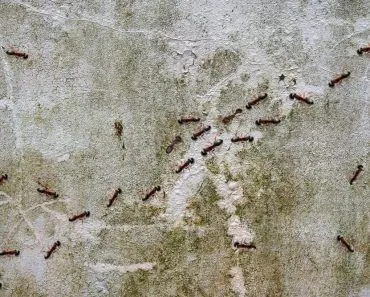
Remember those childhood cartoons where ants would raid a picnic spot and carry off an entire sandwich, salami roll, or even an entire picnic basket on their backs? Do you think ants can actually do that? Well, although they can’t carry a big morsel of food, say a chicken leg piece, in one go, if you leave even a smidgen of tasty food outside, chances are good that some hungry troop of ants will catch a whiff of it and come to repossess your food!
Most ants are opportunistic feeders and can eat just about anything, but with more than 14,000 described species, not all ants eat the same stuff. Pest control experts, for simplicity, classify ants into two categories according to their diet: sugary and greasy. Sugar ants devour sugar, honey and all things ‘sweet’, while grease ants love oils and foods that are greasy or fatty. That’s a good distinction to keep in mind as far as North American ants are considered, but if you go down to South and Central America, you will find a more ravenous group of ants who often dine on rodents, chickens, pigs and even goats!
Anatomy And Diet Of Ants
Just like us, ants need food for fuel, and thus require a rich diet of proteins, carbohydrates and lipids in varying compositions. In that regard they’re a bit like our mammalian pets — though the ratios differ. A healthy adult dog typically gets about 18–25% of its diet as protein; cats, being obligate carnivores, need rather more, on the order of 35–45%. Sugar ants chase a sugar rush, whereas big-headed ants are usually in search of protein- and fat-rich food sources.
Mandibles
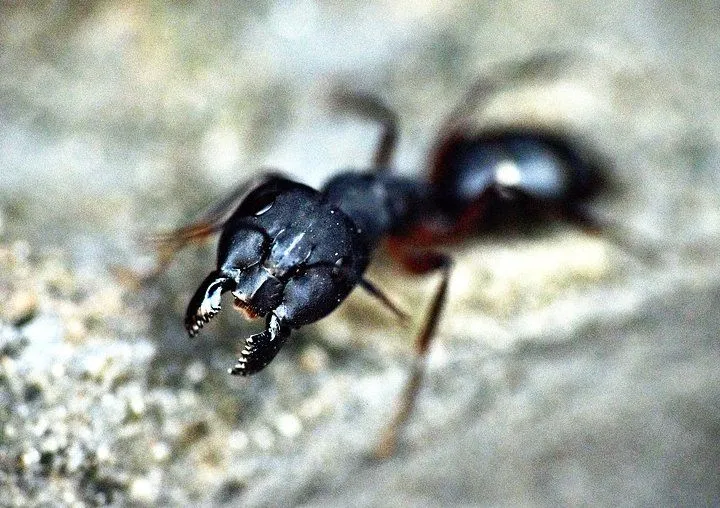
If you closely look at ants, especially large-size species like carpenter ants, you’ll notice that they definitely have a mouth—technically called a mandible. They feed by lifting crumbs of food particles into their mandibles and masticating them around to mix with saliva. Most ants have a restricted ability to deal with solid food and many never get into foraging and devouring solid food.
Worker ants effectively carry two stomachs. The first — the crop, sometimes called the “social stomach” — sits in the abdomen and stores liquid food that the ant later regurgitates to nestmates through a process called trophallaxis. The second is the midgut, the actual digestive stomach where the ant’s own meal is broken down for nourishment. (The terms mesosoma and rostrum sometimes attached to these stomachs are actually body parts, not gut sections.)
Now that we know the anatomy and diet of ants, let’s look at the specific food that ants generally eat.
Sugar And Honeydew
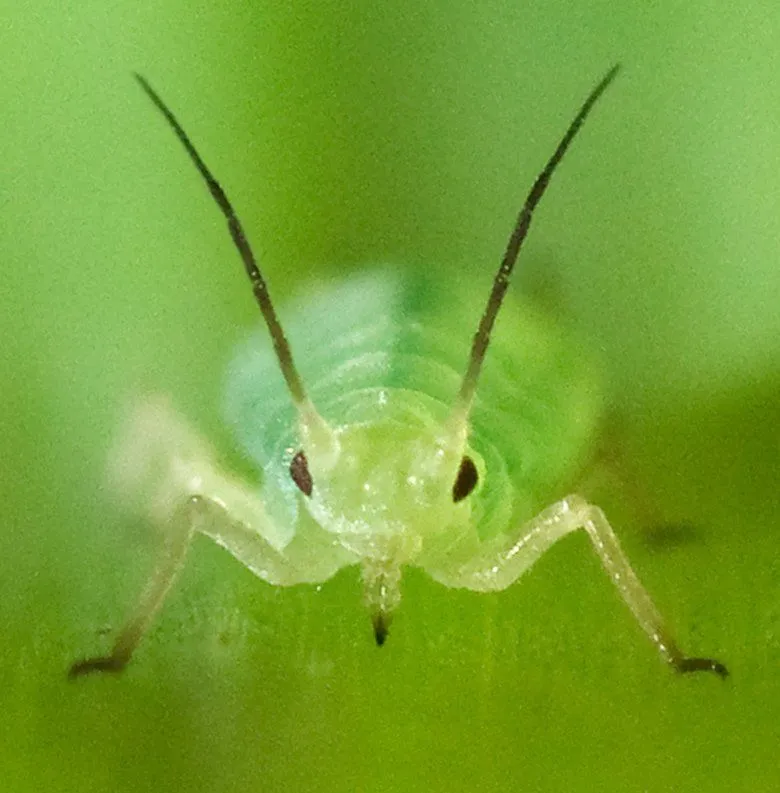
Ants simply love sugar! Ants often seek out sugary nectar or the liquid that plants make. They also devour honeydew—a substance made by insects called aphids. If you see ants flocking beneath the leaves of your garden, they aren’t after the plant’s leaves, but are instead probably feeding on the honeydew produced by colonies of aphids on the leaves.
The ants are so fond of honeydew that they’re often observed to take the aphids back to their nests. I will leave it up to you to decide if this is compassion for the diminutive aphids or just a wily way of persuading these insects into producing more honeydew!
Seeds And Fungus
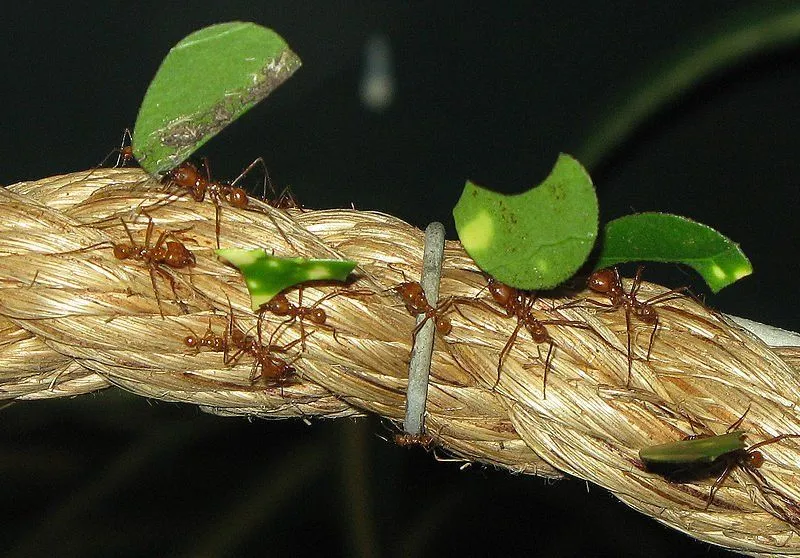
Other ants go out in search of vegan options, such as seeds, corns, grains, leaves etc. Interestingly, some ants not only eat grass from the garden, but also become gardeners themselves! The leaf-cutter ant is a quirky variety of ant that has a propensity for cutting leaves into small pieces. However, they don’t eat these leaves for nourishment. After cutting leaves into small parts, they take them to their burrows, chew them into a pulp and store the pulp with their excrement. This mixture stimulates the growth of fungus, which is what the leaf-cutter ants ultimately eat for nourishment!
Termites And Insects
Carpenter ants have a reputation for eating wood, but they don’t really consume the cellulose. Carpenter ants burrow into wood and make their nests. As they nest inside the wood, they make it increasingly hollow. You can identify this ant’s nest if you see piles of undigested wood dust nearby. Although carpenter ants—just like usual sugar-loving ants—devour honeydew, they are also known to eat termites and the flesh of other dead insects.
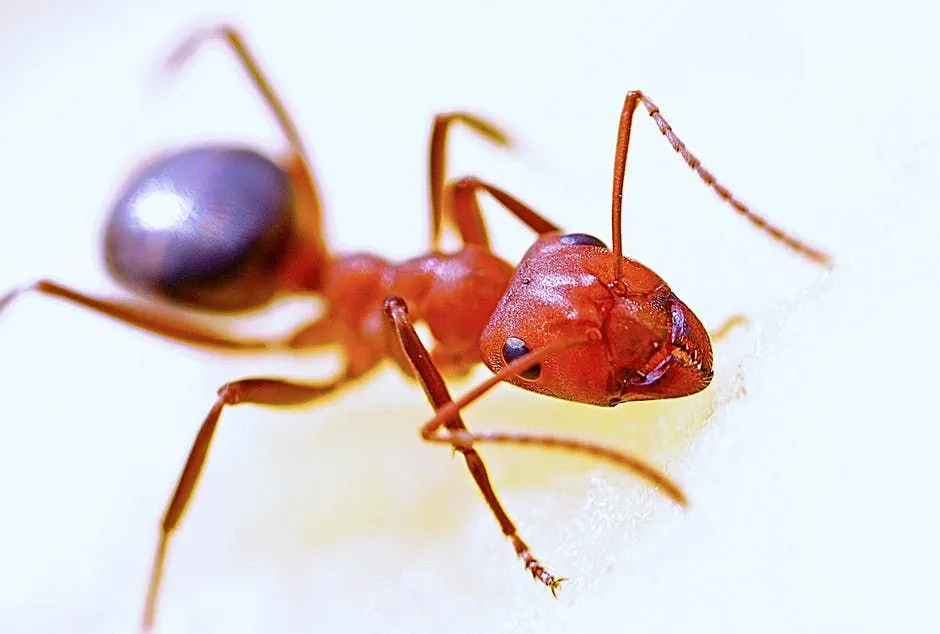
Fire ants are another insect-eating variety of ants. Oils in insects and worms attract them to their prey. This is why oils are often used as bait for pest control measures targeted at fire ants or other similar ant species. Fire ants are a carnivorous variety of ants that sting their prey and cut them up into small pieces, which they can easily carry back to their colony.
Ant-Eating Ants
Some ant varieties are even cannibalistic. For instance, army ants often invade the nests of other ant colonies and dine on the eggs or even the youngest of the colony. When things get truly dire, such as in the case of famine or the non-availability of food, queen ants have even been observed to feed on their own offspring!