Pink snow, or watermelon snow, is caused by snow algae (long called Chlamydomonas nivalis, and reclassified in 2019 as Sanguina nivaloides). The cells make a red carotenoid pigment, astaxanthin, that shields them from intense UV light and gives the snow its pink color. The pigment also lends a faint watermelon smell, but the snow is not safe to eat.
Imagine this. You’re in the Swiss Alps. It’s the beginning of spring and the snow is starting to melt. You venture outside to take pictures of the pristine, white snowy mountains, but once you arrive, you see that the snow is pink!
Sounds like a dream, doesn’t it? Well, don’t be too shocked if this ever happens to you. Pink snow, commonly called “watermelon snow,” is a natural phenomenon. People have seen this in the U.S., Australia, New Zealand and many more places, but what exactly is going on here?
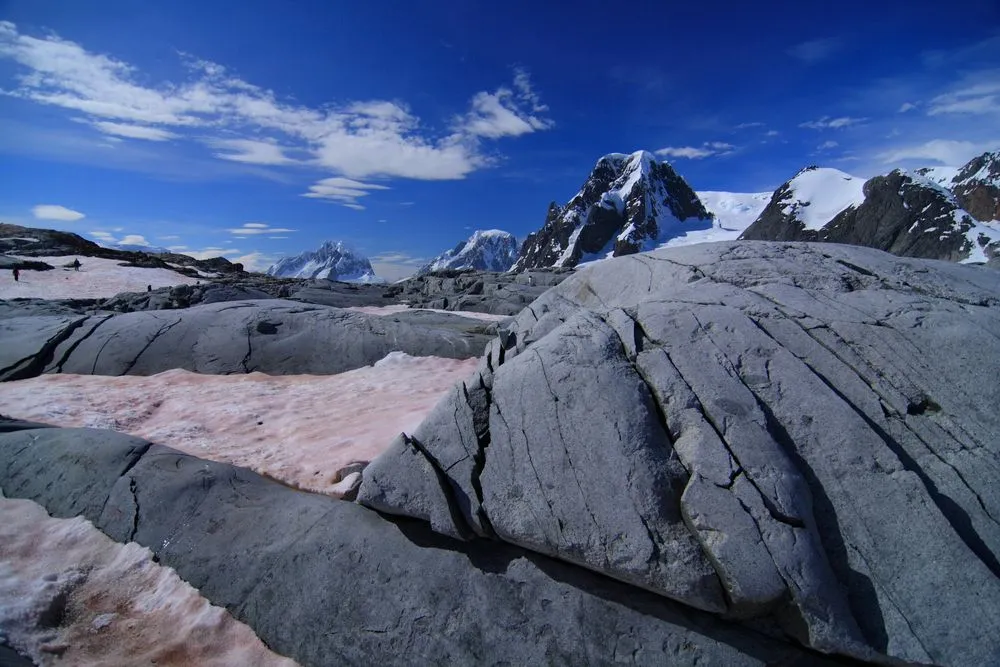
What Gives The Snow Its Unusual Color?
Is it a form of refraction? A certain chemical in the soil? Perhaps a marketing gimmick to attract tourists?
I suppose the last thing you would imagine is microscopic plants, but that is precisely the answer. The pink color comes from snow algae, known for the last 200 years as Chlamydomonas nivalis. (A 2019 DNA study found that most red snow is actually a distinct alga, since renamed Sanguina nivaloides, but the classic name still appears almost everywhere, so we will use it here.) Chlamydomonas is a genus of algae that looks almost alien-like, with two long whip-like flagella that help it move (picture below).
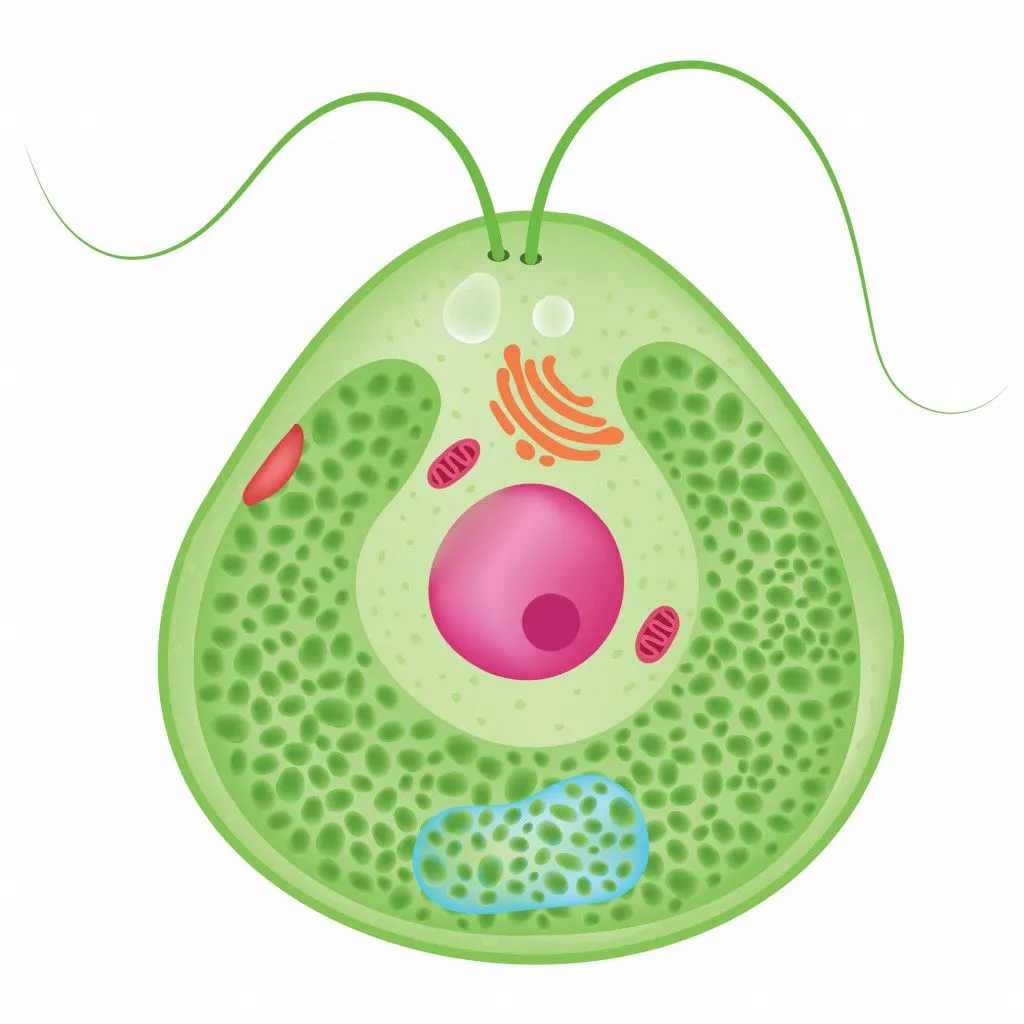
Now, you may have noticed that this Chlamydomonas is green because, like most plants, Chlamydomonas has chlorophyll in it. Chlorophyll is a green pigment. But if Chlamydomonas is green, how does the snow become pink? Well, that’s because Chlamydomonas nivalis (C. nivalis for short) is slightly different from other members of its genus.
Why Pink And Not Green?
While most other Chlamydomonas have chlorophyll at a higher concentration, C. nivalis has a red-colored pigment called astaxanthin in a much higher concentration than chlorophyll.
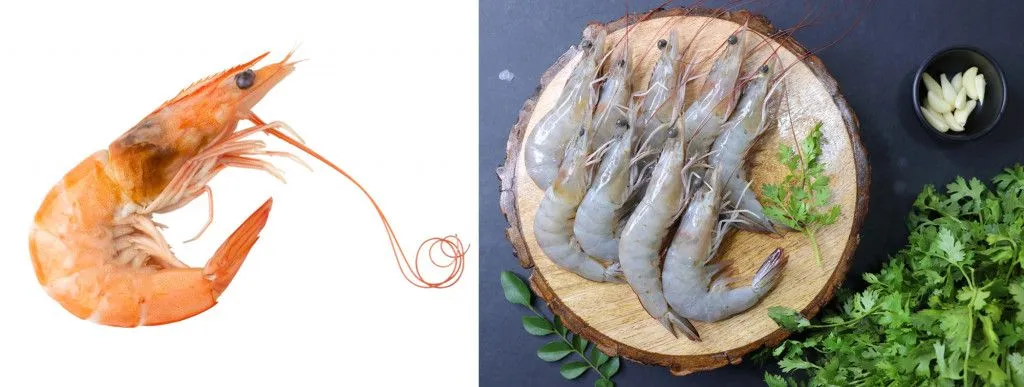
Snow isn’t the only thing that these algae color pink. Prawns from aquaculture farms have a slight pink tint, whereas prawns fished from the ocean have white flesh. Any guess why the flesh is pinkish on farms? Because of astaxanthin! On farms where they harvest prawns, they feed them astaxanthin as a supplement, turning their well-fed prawns a pinkish hue.
Why Is The Snow Turning Pink Only Now?
Now, you may have noticed something I said at the beginning of this article: the pink snow was found in melting snow. That’s because this alga survives in very niche conditions. If the temperatures are too low, it will not survive. If the temperature is too high, the snow becomes too sludgy.
To bloom, C. nivalis needs liquid water, so the action happens right around 0°C, where the snow is wet but not completely melted. Its resting spores wake up and divide once temperatures climb to roughly 0–2°C. When the snow freezes solid, the alga goes into a dormant stage; when conditions turn favorable again, it gets ready to grow once more. Over and above that, the amount of UV radiation at high altitudes is also high. To help survive this radiation, the algae grows deeper in the snow, so once snow melts, the pink deposits are visible.
C. nivalis undergoes a lot of stress, but still finds a way to survive. They not only survive, but also perform photosynthesis! Normally, at this temperature, plants undergo photoinhibition, but C. nivalis is still able to photosynthesize. How is that possible? Well, while it is not fully understood, it was found that algae growing deeper in the snow were the ones that performed photosynthesis.
Has C. nivalis found ways to survive these harsh conditions that no other species has figured out? Absolutely not! There are other species that give us other colors of snow!
From The Colors Of The Rainbow To The Colors Of The Snow
Let’s start with the color you would typically expect from plants, green. This is usually caused by two genera of algae Chloromonas and Chlamydomonas. As with other plants, the color comes from chlorophyll.
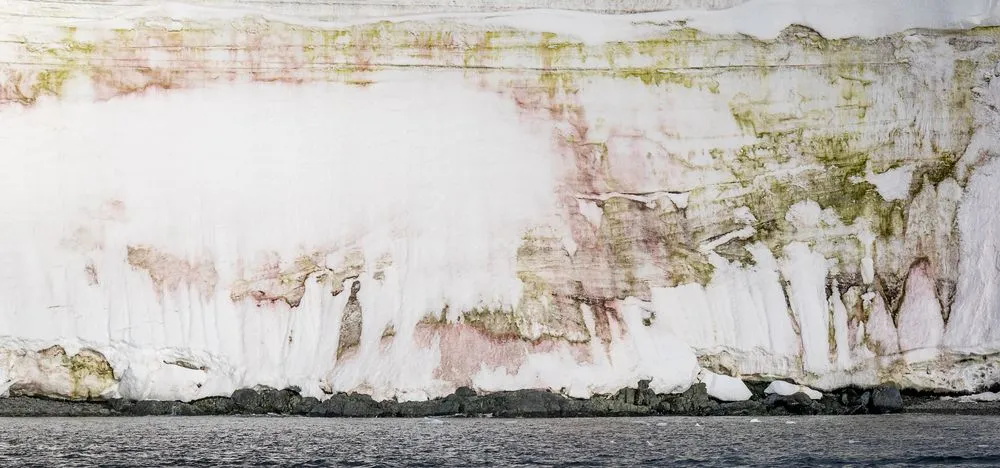
Watermelon snow is not only found as pink snow, but can also be found in colors like dark yellow, orange and crimson. These colors are due to a group of pigments called carotenoids, the same family that turns carrots orange and tomatoes red. Astaxanthin is only one of them, a secondary carotenoid that the cells build up later in their life cycle. In fact, the snow often starts off white and only turns pink once the algae bloom and their pigment accumulates.
There is even grey snow! This is far rarer and can only be found in glaciers. Such instances are very hard to recognize in the field and cannot be seen without a microscope.
A Final Word
Watermelon snow is a very interesting phenomenon. An even more interesting fact, however, is that when disturbed, it produces a watermelon smell! That said, I would not recommend eating it. The faint laxative reputation it carries is mostly folklore, but pink snow can also hold whatever microbes happen to be living in it, so it is best left as a photo.
The pink tint is more than a curiosity, though. Bright white snow bounces most sunlight back to space, but a reddish bloom is darker, so it soaks up more of that energy. Scientists call this lower reflectivity a drop in albedo, and it sets up a feedback loop: the algae warm the snow around them, more snow melts, and the meltwater lets even more algae grow. On Arctic glaciers, red snow blooms have been measured darkening the surface by roughly 13% over a single melt season, nudging the snow to melt faster. So when a mountainside turns pink, it is not just pretty, it is quietly speeding up its own thaw.
Algae in our snow is not always a good sign. You can read about how it can be a sign of climate change in our article here. We can use this snow to help us predict climate change trends and help us plan our future in more sustainable and healthy ways.
References (click to expand)
- Williams, W. E., Gorton, H. L., & Vogelmann, T. C. (2003, January 7). Surface gas-exchange processes of snow algae. Proceedings of the National Academy of Sciences. Proceedings of the National Academy of Sciences.
- Higuera-Ciapara, I., Félix-Valenzuela, L., & Goycoolea, F. M. (2006, March). Astaxanthin: A Review of its Chemistry and Applications. Critical Reviews in Food Science and Nutrition. Informa UK Limited.
- Remias, D. (2011, September 12). Cell Structure and Physiology of Alpine Snow and Ice Algae. Plants in Alpine Regions. Springer Vienna.
- Prochazkova, L., Leya, T., Krizkova, H., & Nedbalova, L. (2019). Sanguina nivaloides and Sanguina aurantia gen. et spp. nov. (Chlorophyta): the taxonomy, phylogeny, biogeography and ecology of two newly recognised algae causing red and orange snow. FEMS Microbiology Ecology.
- Lutz, S., Anesio, A. M., Raiswell, R., Edwards, A., Newton, R. J., Gill, F., & Benning, L. G. (2016). The biogeography of red snow microbiomes and their role in melting arctic glaciers. Nature Communications.