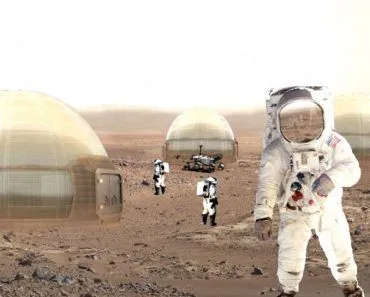
Asteroids hold vast amounts of precious metals, and headline valuations like the $10 quintillion estimate for 16 Psyche fuel predictions that whoever mines space first will become the world’s first trillionaire. In reality, the technology is still experimental, and flooding markets with that much metal would crash prices, so any trillion-dollar fortune remains decades away.
There was once a time when a King and his compatriots were the richest people in their lands. However, the rise of nation-states and the Industrial Revolution shifted this power to capitalists, who made their money by manufacturing and selling useful commodities to the common folk.
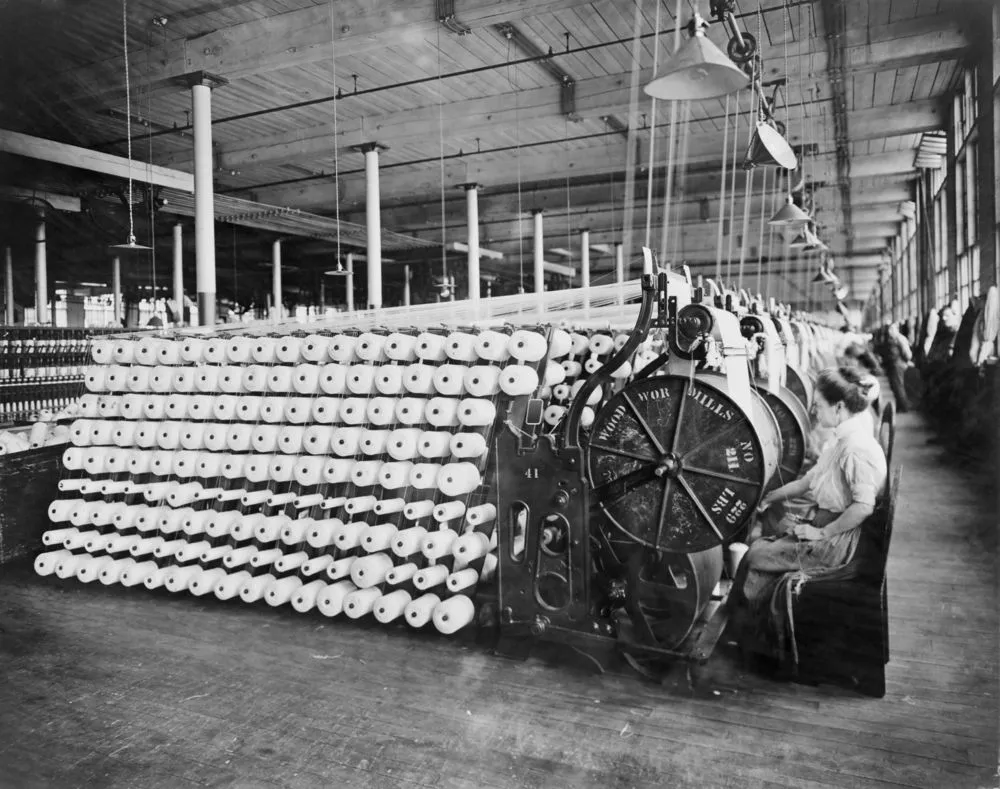
The mechanization of labor and the advent of powerful new technologies like steam and electricity minted tycoons who ushered in the era of the modern world, a world populated with factories, cars, long-distance communication capacities and countless other consumer goods that made life comfortable. These tycoons made vast fortunes by creating corporations that continued to carry out their vision long after they died.
The next rush of wealth was triggered by the Digital Revolution, as billions of dollars have been made by solving problems via the internet. Online technology has disrupted every field, from finance and medicine to construction, transportation and even dating! Not surprisingly, the people at the very top of the global wealth list made their fortunes in technology. Jeff Bezos, the creator of the digital marketplace Amazon, became the first person in modern history to cross $100 billion in net worth back in 2017. As of 2026, the richest person in the world is Elon Musk of Tesla and SpaceX, with a fortune that several analysts project could cross the trillion-dollar mark within the next decade.
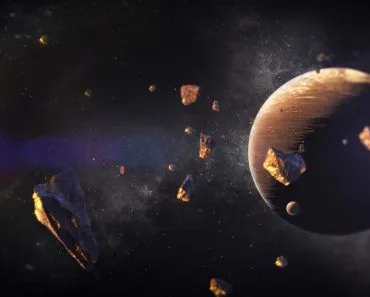
But who will be the first person to cross the trillion-dollar mark? Well, the answer lies in the skies. Celestial objects like asteroids hold huge amounts of precious metals within them, meaning that the first group of people able to reach them will make some serious cash. How could this come about and how far away from this reality are we? Let’s find out!
Predictions About The First Trillionaire
The talk about asteroid mining making the first trillionaire has been in the mainstream news for quite some time now. In an interview with Neil deGrasse Tyson, the astrophysicist and science communicator remarked that the first person to be a trillionaire would be “the person who exploits the resources of space”.
Texas senator Ted Cruz, then chairing the Senate subcommittee that oversees NASA, put it bluntly in 2018: “The first trillionaire will be made in space.” Entrepreneur Peter Diamandis made a similar prediction years earlier and doubled down on it by co-founding space ventures such as Space Adventures and the asteroid-mining startup Planetary Resources.
However, even before these claims, space mining initially captured the imaginations of millions through science fiction, with the first mention of it in a story by Garrett P. Serviss, Edison’s Conquest of Mars. Many movies have had extraterrestrial mining as a part of the plot, including Ridley Scott’s Alien and The Expanse books, which later became a popular series on the Syfy Network.

The Purpose Of Mining Asteroids
Currently, competition on Earth is driven by scarcity, as there is a finite amount of mineable resources on the planet. This makes asteroid mining very attractive, as tons of precious resources could be extracted for activities here on Earth, while also helping to create new frontiers in space.
According to one report, due to Earth’s increasing population and our subsequent increase in consumption, the resources we use to fulfill this consumption in developing and developed countries will run out in the next 50 to 60 years. The materials with the most potential for running out, according to the report, are gold, copper, zinc, tin, lead, phosphorous, antimony and indium. One response to this approaching problem is to mine Near-Earth Objects (NEO) for these same valuable resources, while the water from these icy objects could be used as a fuel proponent in space habitats and orbiting propellant depots.
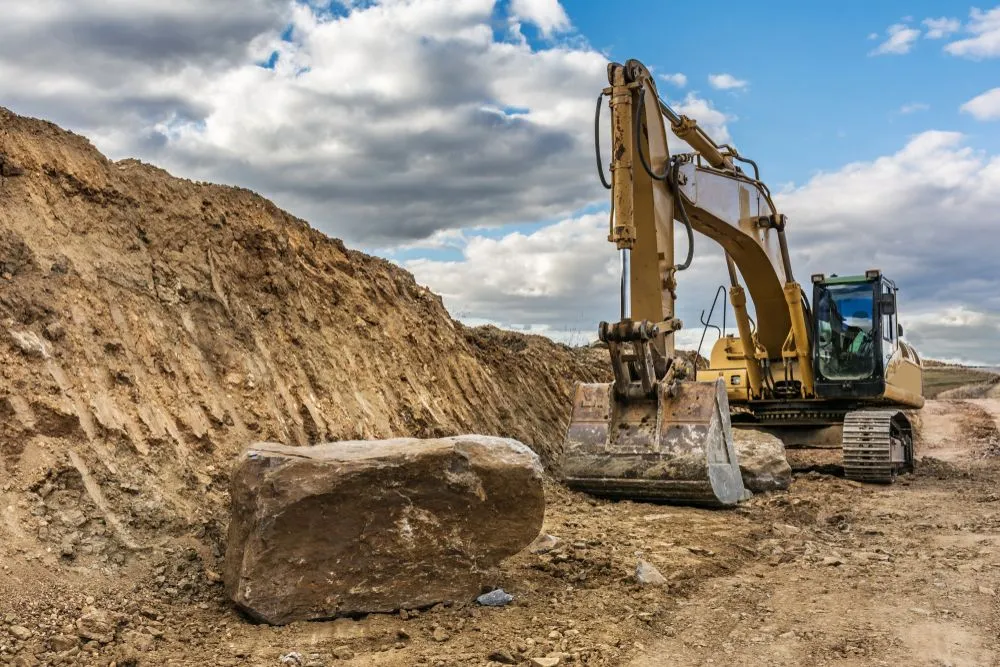
When looking at this from an astrobiological perspective, searching for and mining asteroids could provide valuable scientific data in our search for extraterrestrial life forms. If an advanced civilization in the past had mined asteroids, then we would see the signs! In any case, it would make human civilization an even more advanced life form, capable of becoming a multi-planetary species that can garner resources from worlds other than their parent planet.
The Feasibility Of Mining Asteroids
For asteroid mining to work, the economics of such an endeavor would have to be lucrative enough for companies to take the leap and begin to explore asteroids for resources. This is not only in the financial sense, but also in terms of the technology needed to create a sophisticated space infrastructure for the detection, manipulation, and extraction of precious metals by either mining and transporting the goods, or by changing the orbit of the asteroid entirely.
Consider Platinum, a metal that is somewhat rare here on Earth, but would be found in abundance in a celestial body. In 2012, Planetary Resources claimed that the platinum in a single 30-meter (98 ft) asteroid could be worth as much as $25–50 billion (USD). This fact was astutely commented on by an economist who stated that the sudden abundance of such a precious metal would lead to a drop in the price, which would make the endeavor unviable.
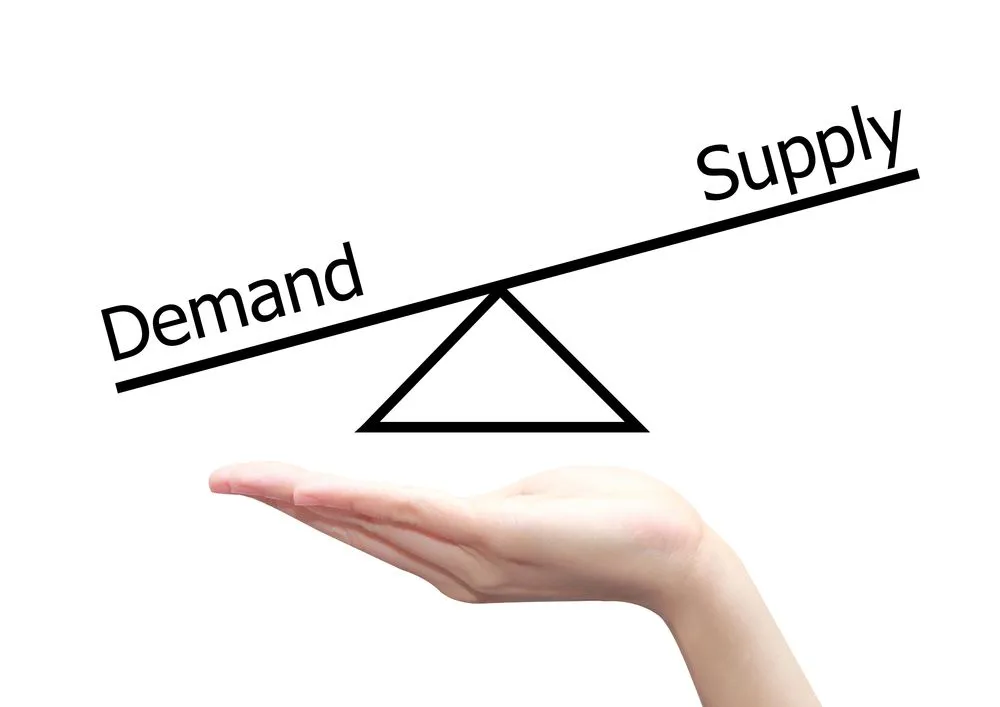
On the other hand, consider Nickel, which is quite abundant on Earth. The mining of such metal from asteroids would be unfeasible, given the high cost of such an endeavor and the mineral’s relative low cost here on Earth.
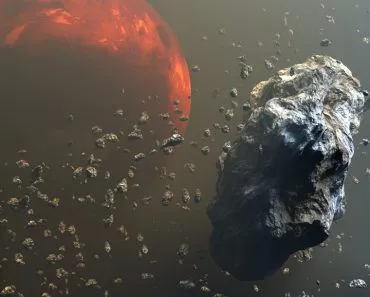
The poster child for these eye-watering valuations is 16 Psyche, a metal-rich asteroid in the belt between Mars and Jupiter that is often quoted as being “worth” around $10 quintillion (USD), a figure with 18 zeroes that dwarfs the entire global economy. Those numbers come with two heavy caveats, though. First, the same supply-and-demand logic applies: dumping that much metal into the market would collapse its price long before anyone got rich. Second, the figure assumed Psyche was almost pure metal, whereas the latest analysis suggests it is more likely a mix of rock and metal, with metal making up roughly 30% to 60% of its volume. NASA’s Psyche spacecraft, launched in October 2023, is on its way to find out: it completed a gravity-assist flyby of Mars in May 2026 and is due to begin orbiting the asteroid in 2029. Crucially, it is a science mission, not a mining run.
However, let’s assume that an asteroid is found with precious enough resources on it to justify the feasibility. The next step would be to figure out the options for mining and subsequently using the resources at hand. One option is to bring the materials mined from the asteroids directly back to Earth for processing and consumption. This would take much more energy to transport such high quantities back home.
Another option is to process the materials on the asteroids themselves and bring back only the high-value materials, which would decrease the energy demand of the return mission. Such an approach would require setting up advanced processing units on the extraterrestrial world itself.
Now, there is a third alternative, in which the asteroids could be safely brought back into the orbit of Earth, the Moon or the ISS. This method would allow for the efficient use of the materials and reduce subsequent wastage. It would require heavy investment to create the appropriate space infrastructure for such a venture, but this option would perhaps see the most return on investment. The idea is not new: NASA spent several years studying an Asteroid Redirect Mission that would have used a robotic spacecraft to nudge a boulder from a near-Earth asteroid into a stable orbit around the Moon, though the program was shelved in 2017.
Current And Future Initiative To Mine Asteroids
The latest in the news of satellites reaching asteroids was Hayabusa2, a mission by JAXA (the Japan Aerospace Exploration Agency), which touched down on the asteroid Ryugu in 2019 and successfully returned roughly 5.4 grams (0.19 oz) of asteroid material to Earth in December 2020, the first samples ever collected from below an asteroid’s surface.
There are multiple ongoing and future missions by NASA to land on and return with samples from asteroids. This includes OSIRIS-REx, which launched in 2016 and delivered the first US asteroid sample (about 120 grams of rock and dust from the asteroid Bennu) to Earth in September 2023. The spacecraft itself, renamed OSIRIS-APEX, is now en route to study the asteroid Apophis. Closer to home, NASA’s VIPER rover, built to hunt for water ice at the lunar south pole, was canceled in 2024 over rising costs and then revived in 2025 under a partnership with Blue Origin, which is slated to deliver it to the Moon as soon as 2027.
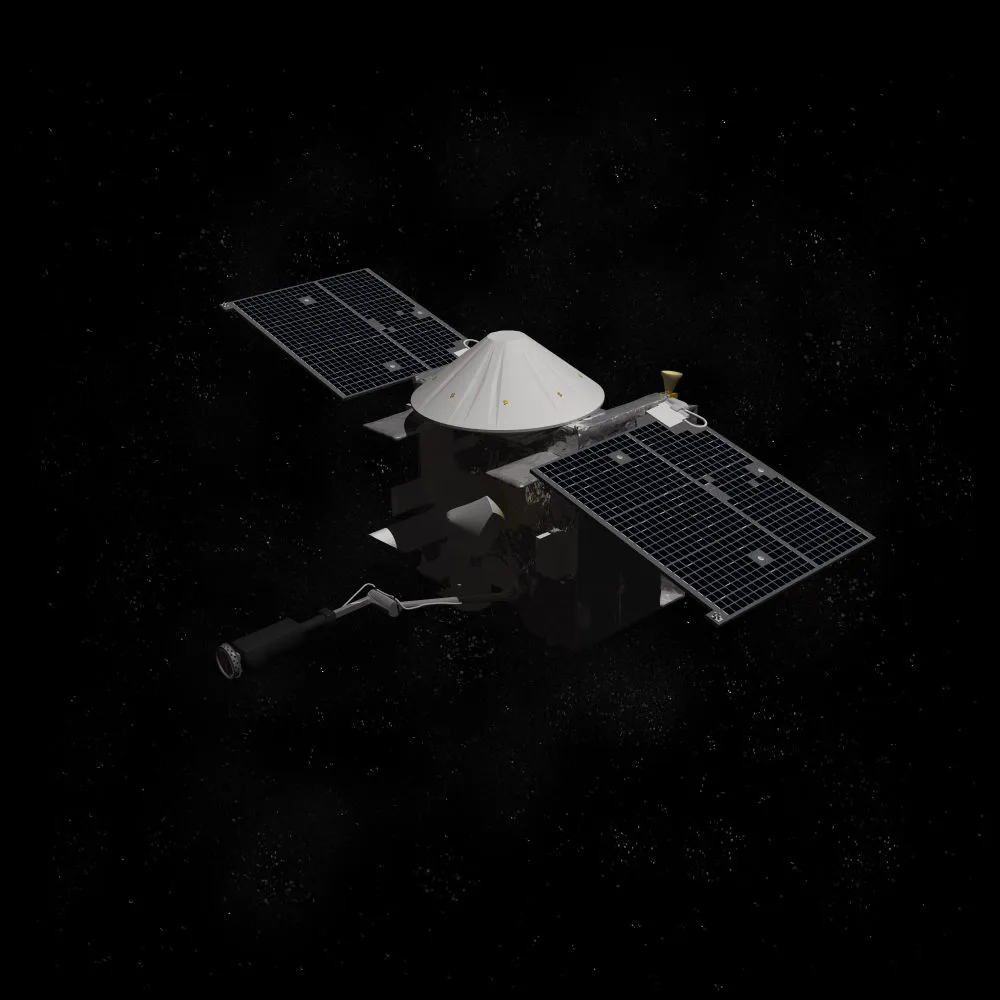
Planetary Resources, the company founded by Peter Diamandis and Eric Anderson, set out to ‘expand Earth’s natural resource base’ and even launched a test satellite to demonstrate prospecting technology. It proved to be ahead of its time, however: starved of investment, the venture was absorbed by the blockchain firm ConsenSys in 2018, and by 2020 its hardware had been auctioned off and its intellectual property released to the public.
Planetoid Mines, a smaller private outfit, has likewise been developing equipment for tugging asteroids and processing the minerals pulled from them.
Carrying the torch today is AstroForge, a California startup squarely focused on extracting platinum-group metals from near-Earth asteroids. Its first deep-space probe, Odin, launched in early 2025 but lost contact shortly after leaving Earth. The company is pressing ahead with a larger follow-up, Vestri, designed to rendezvous with a small metallic asteroid and assess its precious-metal content up close.
Closing Thoughts
To create the infrastructure we would need to successfully mine asteroids in the future, many companies must come together and specialize in a particular niche. Fortunately for us, this seems to be happening. Along with cheap and usable rockets provided by SpaceX and other companies in the race, it’s not too farfetched to think about a future where you may get your products from resources of multiple places in our solar system.
Who knows… the first trillionaire might already be among us!
References (click to expand)
- Asteroid Mining - Massachusetts Institute of Technology. web.mit.edu
- Precious metals in peril: Can asteroid mining save us?. Harvard University
- Asteroid Mining...Not Just Science Fiction - Stanford University. Stanford University
- M Anderson. Mining Near Earth Asteroids - CHARA Array. Georgia State University