Table of Contents (click to expand)
A meteoroid is a small rocky or metallic body traveling through space, an asteroid is a small celestial body that revolves around the sun, and a meteor is what people sometimes call a ‘shooting star’ or a “falling star”. A meteorite is a meteor (or a portion of a meteor) that somehow survives its fiery journey through the atmosphere of Earth and hits the ground intact.
Do you remember hearing the story of a meteor crashing in New York back in 1992? It was a meteor, right? Or was it a meteorite? It surely wasn’t an asteroid though… or was it?
You can probably understand the challenge for people who are interested in the mind-boggling phenomena that take place in space, but still get confused whenever there is talk about a meteor or a meteorite crash. In the spirit of sharing some science, let’s clear up the confusion around these cosmic wanderers once and for all.
The terms “asteroids”, “meteors” and “meteorites” get thrown around quite randomly without any real consideration of their actual meanings. Not only is this insulting for these magnificent celestial bodies, but it also doesn’t make any sense. If you want to appreciate and share the beauty of our universe with others (particularly in conversation), you should take the time to properly understand all the players. Therefore, let’s take a closer look at what these different terms really mean.
Asteroids
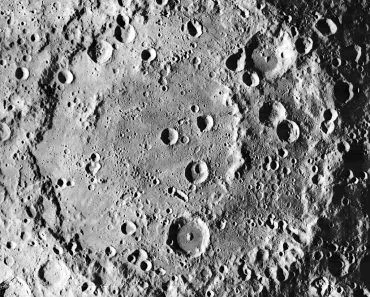
Asteroids are small celestial bodies that revolve around the sun. Asteroids are smaller than planets, which is why they are also called planetoids or minor planets.
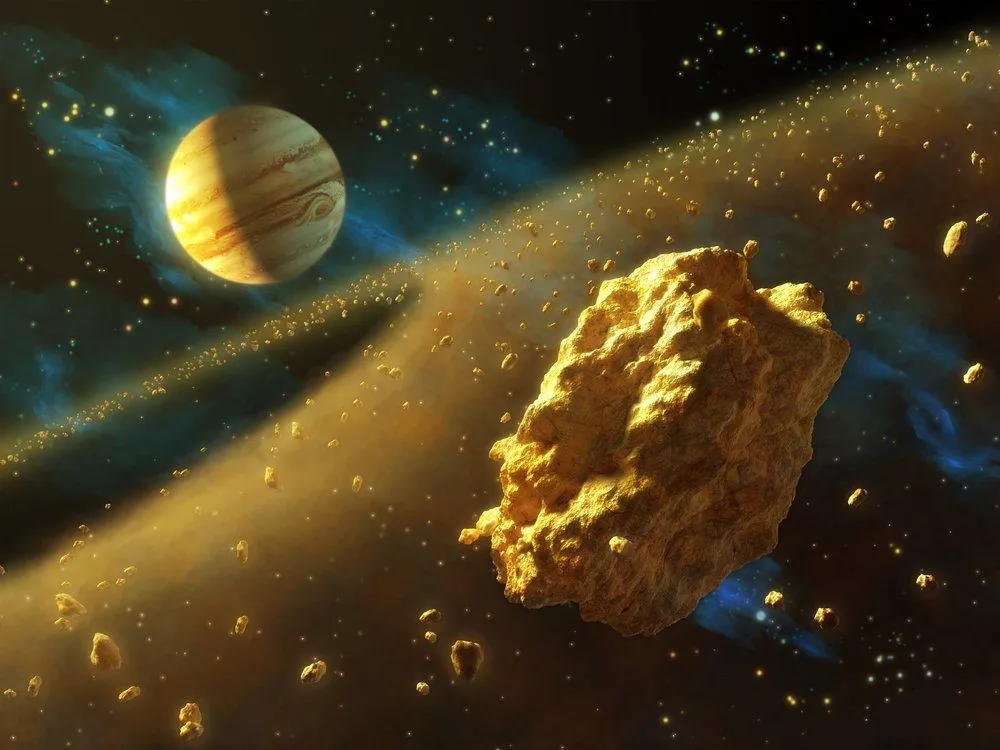
Mostly made of rock and metal, asteroids can also contain certain organic compounds. You have likely heard about the massive ‘asteroid belt’ between the orbits of Mars and Jupiter; NASA estimates it contains between 1.1 and 1.9 million asteroids larger than 1 kilometer, plus millions of smaller ones. Asteroids can also be very large; the most famous example, Ceres (officially classified as a dwarf planet by the IAU in 2006), is about 940 kilometers wide.
Meteors
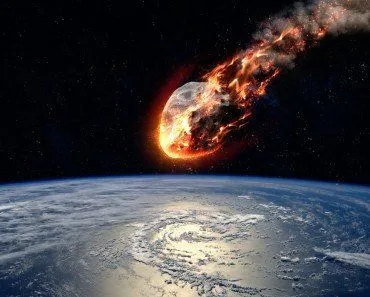
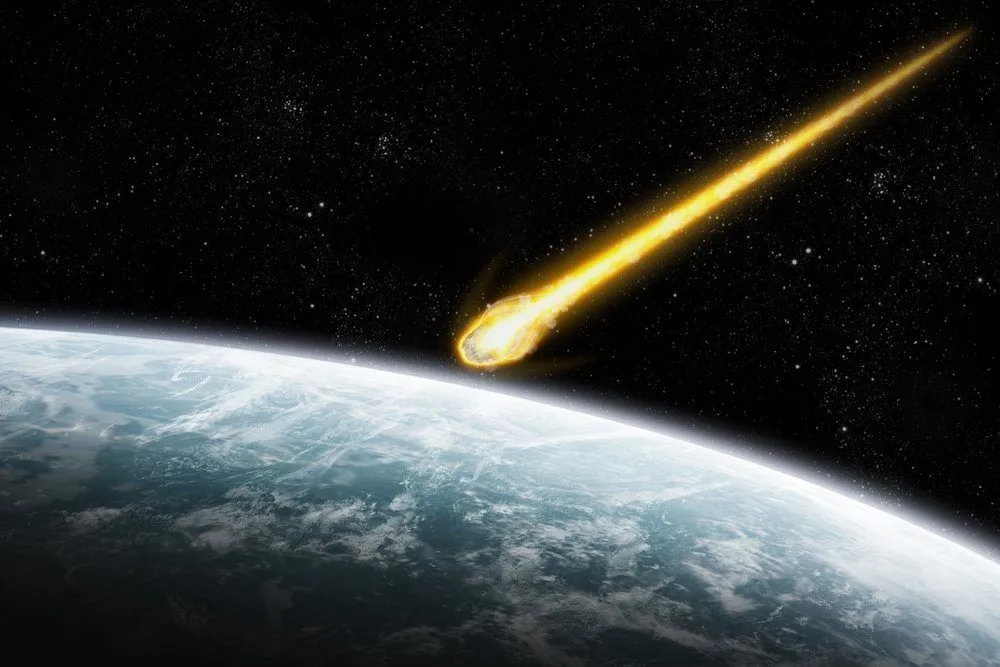
A meteor is what people sometimes call a ‘shooting star’ or a “falling star”. Something is designated as a meteor when an asteroid, a comet, a meteoroid (or some part of these objects) passes through the atmosphere of Earth.
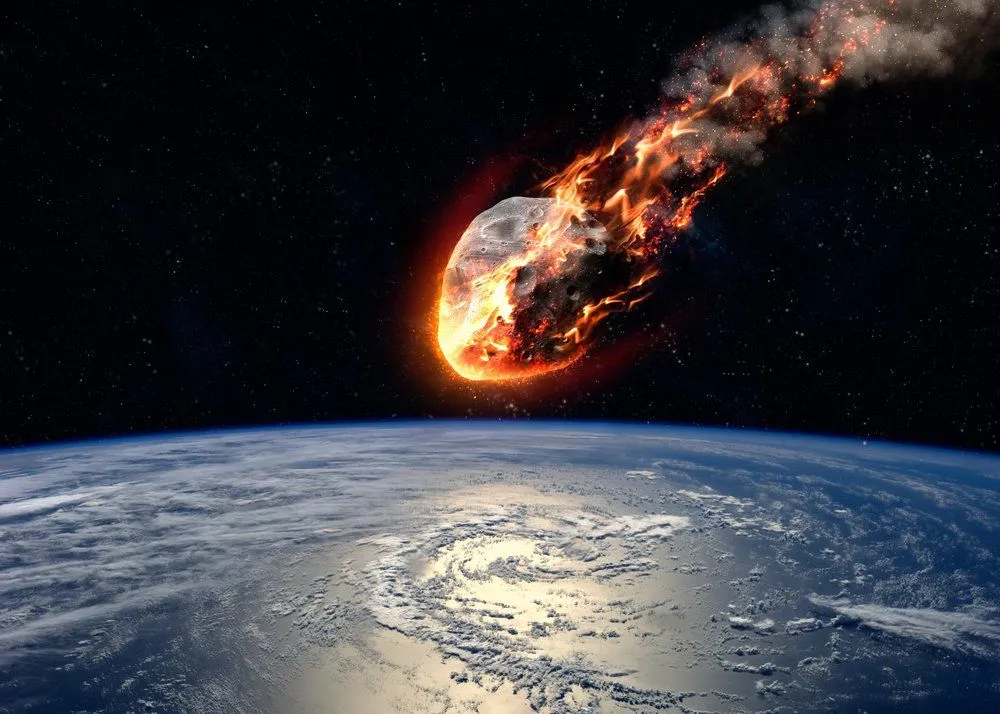
When a meteor passes through the atmosphere, it collides with many air particles at a rapid rate. The friction and speed of the meteor against the particles present in the upper atmosphere cause that brilliant and fiery streak of light in the sky. Your chances of spotting a meteor are highest in the mesosphere, but meteors only become visible between about 75 and 120 km above the surface of Earth.
Meteorites
A meteorite is a meteor (or a portion of a meteor) that somehow survives its fiery journey through the atmosphere of Earth and hits the ground intact. Meteorites are mostly composed of stone or iron.
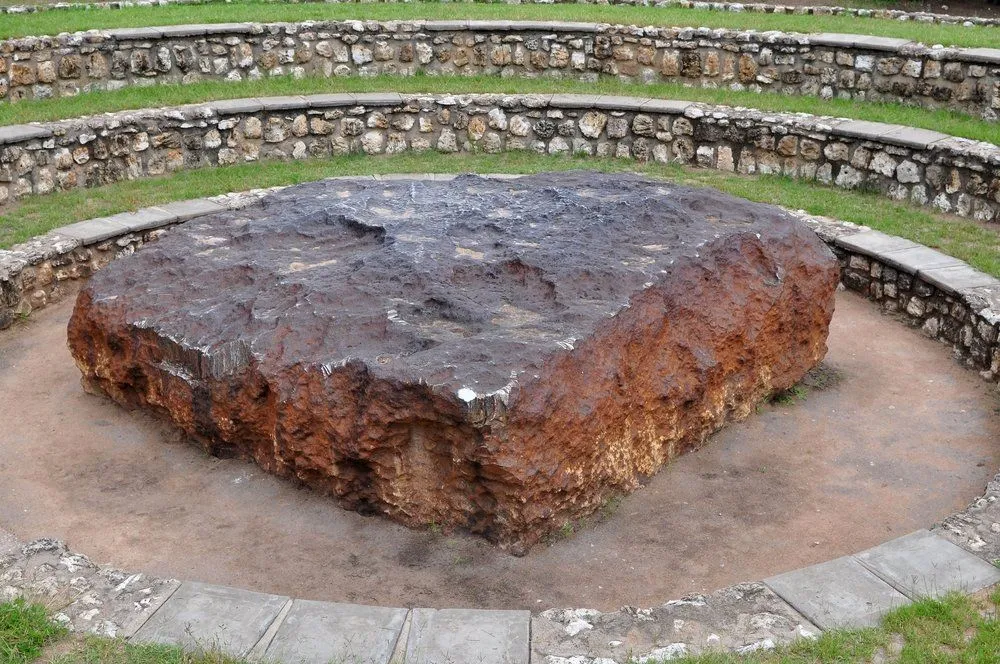
Most meteorites that hit the ground (about 94%) are stony meteorites, made largely of silicate minerals and containing relatively little metal. The flashy iron meteorites (the kind that look like a chunk of dense metal) are only about 5% of falls and contain roughly 90% iron and 10% nickel; stony-iron meteorites make up the remaining 1%. Most are very small, but they can be huge: the Hoba meteorite shown above weighs around 60 tonnes and is the largest known intact meteorite.
Meteoroids
Now, let’s discuss the most ‘general’ term of these three. In simple terms, a meteoroid is a small rocky or metallic body traveling through space. It is important to know that meteoroids are significantly smaller than asteroids, which is one way to help differentiate between the two.
The size of a meteoroid can range from that of a grain of sand to a 1-meter wide stone.
Where Do Comets Fit In?
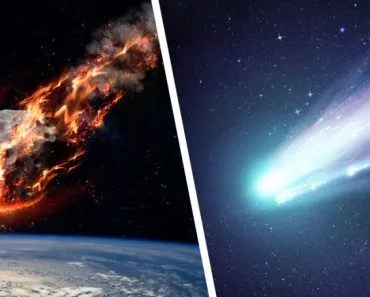
There is a fourth cosmic wanderer that almost always crashes this party: the comet. If you have ever wondered how comets relate to asteroids and meteors, here is the simplest way to picture it. An asteroid is essentially rock and metal, a leftover from the building of the solar system about 4.6 billion years ago. A comet is the icy cousin. NASA describes comets as cosmic snowballs of frozen gases, dust and rock coated in dark organic material, which is why they are nicknamed "dirty snowballs". So the headline difference is composition: asteroids are dry and rocky, comets are rich in ice.

That ice is also what gives a comet its dramatic look. The solid, frozen heart of a comet (the nucleus) is usually only a few kilometers across. As it swings close to the Sun, the ice warms and turns straight to gas, surrounding the nucleus with a glowing cloud called the coma that can stretch hundreds of thousands of kilometers. Sunlight and the solar wind then blow this gas and dust outward, producing a comet's signature tails. A comet typically grows two of them, a dust tail and a separate ion (gas) tail, and a useful fact for spotting one: the tails always point away from the Sun, not behind the direction of travel.
Comets and asteroids also live in different neighborhoods. Most asteroids circle the Sun in the main belt between Mars and Jupiter. Comets come from the cold outer reaches: the Kuiper Belt beyond Neptune, source of short-period comets that orbit in under 200 years, and the far more distant Oort Cloud, home to long-period comets whose single orbit can take tens of thousands to millions of years.
Here is the part that ties everything together. Comets are a major source of the meteors you see streaking overhead. As a comet rounds the Sun, it sheds a trail of dust and grit, and when Earth plows through that debris stream each year, those particles burn up as a meteor shower. Every Perseid you watch in August, for example, is a tiny fragment of Comet Swift-Tuttle, which loops past the Sun roughly every 135 years. So a meteor can begin its life as a chip off an asteroid or as a crumb of a comet. For a deeper side-by-side, see our full comparison of asteroids and comets.
So, the next time you spot a streak of light shooting through the night sky, what will you be looking at?
References (click to expand)
- Meteors and Meteorites: Facts. NASA Science
- Asteroid or Meteor: What's the Difference? NASA Space Place
- What Are an Asteroid, a Meteor and a Meteorite? Live Science
- What Is The Difference Between Asteroids and Meteorites? Universe Today
- Comets. NASA Science
- Comets: Facts. NASA Science
- Asteroids. NASA Science
- Meteors & Meteorites. NASA Science