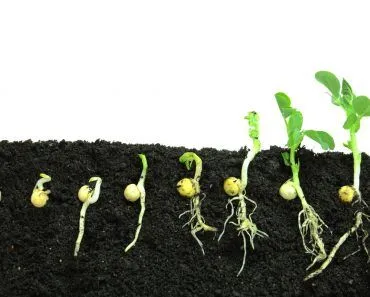
Table of Contents (click to expand)
An angiosperm is a flowering plant whose seeds develop inside an enclosed ovary that ripens into a fruit. Unlike gymnosperms, angiosperms have true flowers, fruits and a nutrient-rich triploid endosperm. With around 300,000 known species (about 80% of all green plants), examples include grasses, oaks, roses, apples and orchids.
When you make your way through the world, some of the most beautiful sights can be found out in nature. The bright splashes of color found in wildflowers and the succulent hues of exotic fruits add a bright, appealing palette to the natural world. Plants play an essential role in every ecosystem on the planet, and can broadly be classified into four groups – non-vascular plants, ferns, gymnosperms and angiosperms.
Each of these broad types has a number of fascinating characteristics and a unique developmental history, but the vast majority of plants fall into the last category (angiosperms), which will be the focus of this article. In fact, angiosperms, also known as flowering plants, make up roughly 80% of all green plants on the planet. There are around 300,000 accepted species of angiosperms spread across the globe, with new ones still being described every year.
The History Of Angiosperms
Before you can understand flowering plants fully, you must understand where they came from, which means a brief exploration of plants as a whole.
Approximately 470 million years ago, the first land plants appeared, which were embryophytes, non-vascular plants, namely mosses, liverworts and hornworts. The emergence of roots and leaves, i.e., a vascular system, occurred approximately 400 million years ago. That basic vascular system can still be found in many fern species alive today. Roughly 80 million years would pass before another main branch of plants broke off on the phylogenetic tree, giving us the gymnosperms. Today, gymnosperms are mainly represented by conifers, which compose about 60% of all surviving gymnosperm species.
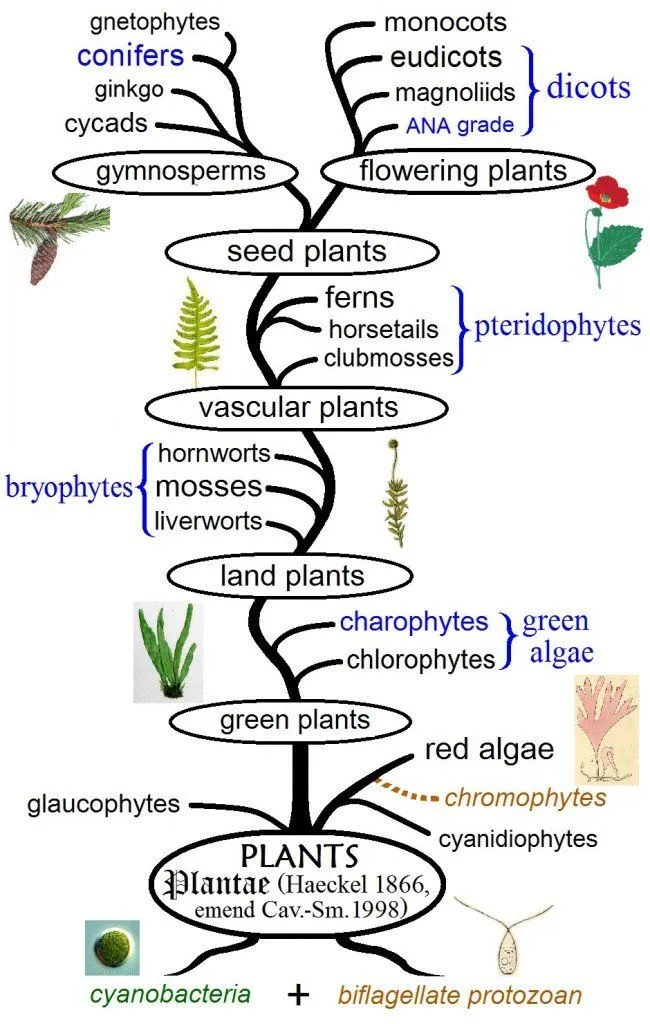
Finally, the lineage that would become flowering plants split off, and the first widely accepted angiosperm fossils (mainly pollen) appear in the Early Cretaceous, around 130 to 140 million years ago. Molecular clock estimates push the origin somewhat earlier, but a confident fossil signal does not begin until then. In the grand scheme of life on this planet, angiosperms have been around for a very short time, and yet they have become the dominant form of plant life. By about 100 million years ago, angiosperms had already overtaken conifers and other forms of plant life, largely due to their adaptive nature, diversity, and reproductive efficiency.
What Makes Angiosperms So Special?
Like gymnosperms, angiosperms use seeds for reproduction, but that is where most of the similarities end. Flowers, fruits, and the nutrient-rich endosperm tucked inside each seed have made flowering plants extraordinarily successful. More specifically, there are some key anatomical differences that set angiosperms head and shoulders above the rest of the plant world.
Stamens
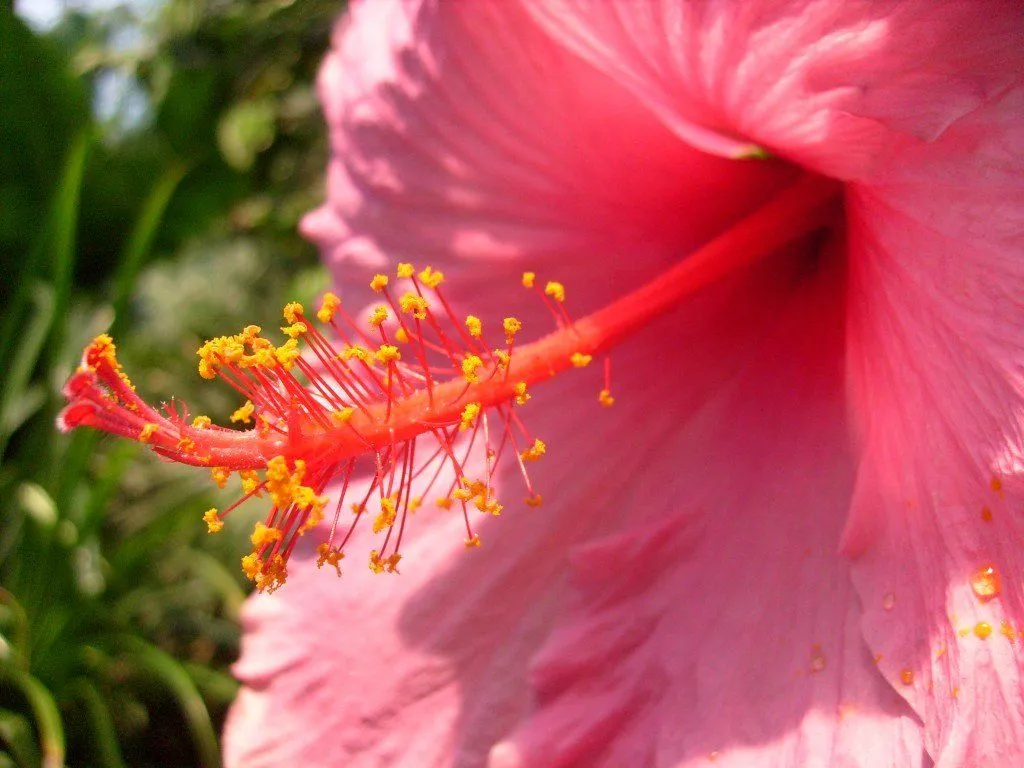
The main reproductive organ of a flowering plant is the stamen, which produces pollen and is composed of an anther and a filament. These stamens are far more accessible and specialized than their equivalent organ in gymnosperms, meaning that pollination can happen in a much wider variety of ways. Furthermore, the stamen and its surrounding structures have evolved in thousands of different ways, often corresponding with particular adaptations of pollinators. Finally, the structure of the stamen makes self-fertilization more difficult, further contributing to the diversity of angiosperm species.
Flowers
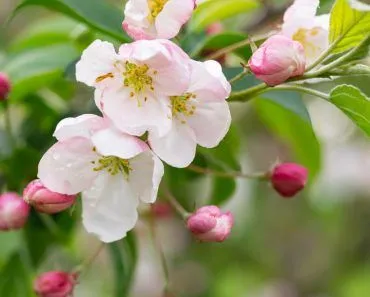
As the common name of angiosperms suggests, the development of flowers is a major advantage of angiosperms. A “flower” is the reproductive part of a plant, and by developing flowers, they were able to increase their reproductive success. Flowers enabled species-specific breeding, and in some ways sped up the process of natural selection and species branching. Flowers are often colorful adornments, providing food to insects, birds and animals, as well as certain medicinal and aesthetic benefits to humans!
Also, don’t forget that flowers eventually become fruits! Fruits are the seed-bearing structures that form after the ovary has flowered. Every apple or orange that you eat is the last stage of a fruit, and the apple seeds that you spit on the ground make you a natural pollinator! The brightness of flowers attracts potential pollinators, while the color and flavor of fruit will attract animals and humans alike, who function as dispersers of seeds. One can argue that flowers have allowed angiosperms to spread so widely into so many ecological contexts across the globe.

Gametophyte
Angiosperms feature notably smaller pollen grains than gymnosperms, and this reduced gametophyte size makes it easier and faster for fertilization to happen. This means that flowering plants can produce seeds much more readily after fertilization, which is an evolutionary and reproductive advantage over other seed-bearing plant varieties.
Endosperm
The nutrient-dense endosperm wraps the embryo and nascent seedling as it develops, giving it a much better chance of survival and eventual growth. The angiosperm endosperm is a triploid tissue (3n), formed when one sperm cell fuses with two polar nuclei during double fertilization. Gymnosperms do not produce a true endosperm; their seeds are nourished by the haploid (1n) female gametophyte instead, which is laid down before fertilization and is generally less calorie-dense than the angiosperm endosperm.
Female Reproductive Parts
Similar to the shrunken size of the male gametophyte (pollen), the female gametophyte is also smaller, which further speeds up the development of seeds, and improves the rate of reproduction, allowing for more regular cycles of reproduction throughout the course of the year.
Closed Carpel
By having an enclosed carpel and ovary, fruits are able to develop and self-fertilization can be prevented. These fruits, as mentioned above, are merely the fertilized ovaries once the gametophytes are joined.
Angiosperms In The Future
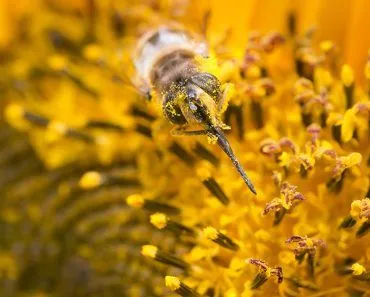
With 416 families and roughly 14,000 different genera under the current APG IV classification, angiosperms are the dominant form of plant on the planet, and there is no sign of that changing. However, angiosperms require pollinators to reproduce, and as we have seen in recent decades, climate change and global warming can have a major impact on that process. The IUCN reclassified the wild Western honey bee (Apis mellifera) as Endangered across the EU in October 2025, citing a roughly 56% population decline per decade, and U.S. commercial beekeepers lost over 60% of their colonies between mid-2024 and spring 2025. That matters, because bees are a prime pollinator for plant species around the globe.
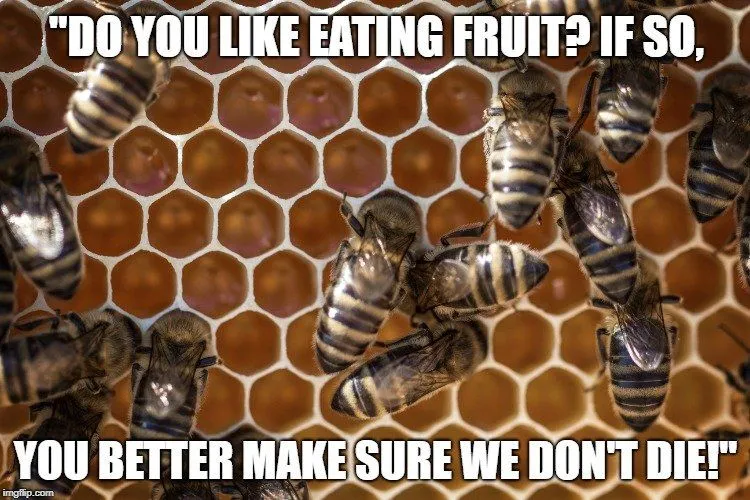
So, while angiosperms have time and again proven to be adaptable and superior to other plant types, their dependence on other creatures/forces for pollination and dispersal is worrying. As is true throughout the natural world, everything is connected, so the fate of angiosperms is intimately tied to the fate of bees, birds, and yes, even human beings.